Most designers looking for affordable chanel style bouclé fabric hit the same wall: minimums that lock up your entire season’s budget. You find a fabric you love, and the supplier wants 500 meters or more. For a single capsule collection, that’s a warehouse problem, not a fabric problem. The mills in Wenzhou solve this differently because their production setup is built for smaller runs.
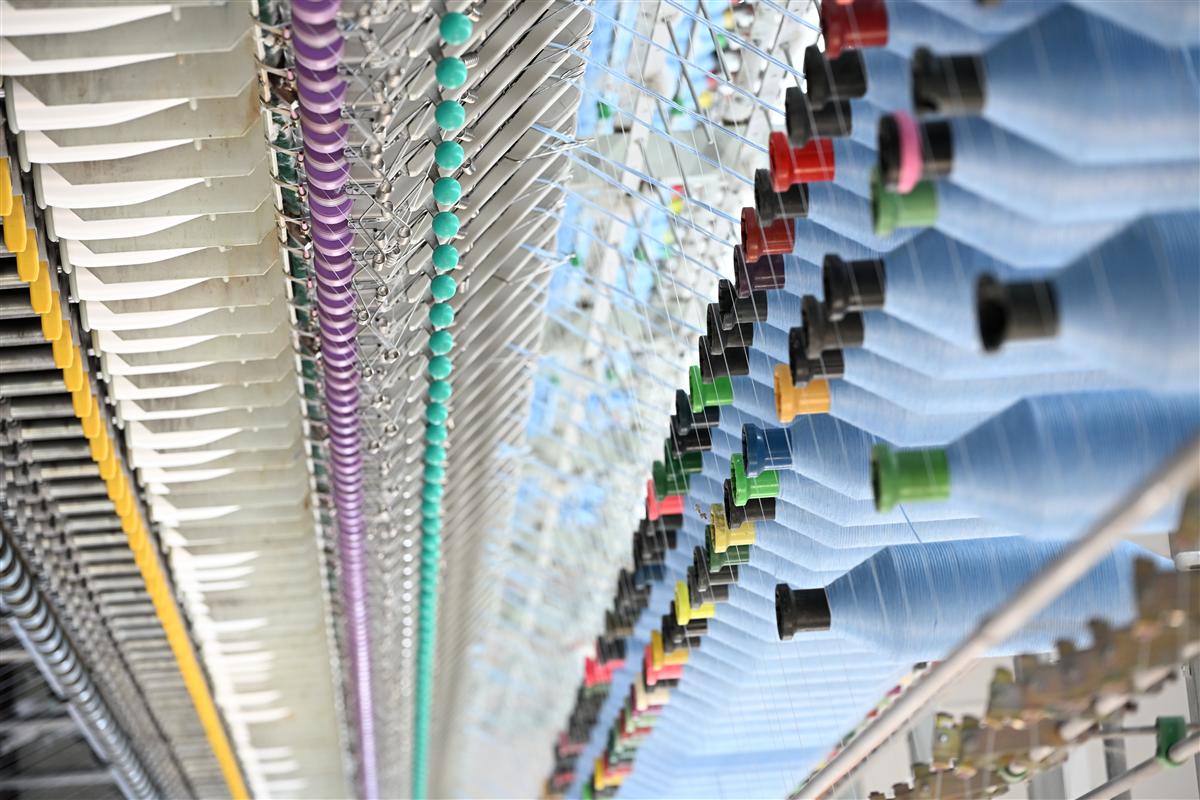
A 47-sample audit we ran on bouclé suppliers across Zhejiang showed a clear pattern. Factories with narrow-width looms — 140cm or less — consistently offered MOQs under 200 meters. The wider the loom, the higher the minimum. That’s not a coincidence. Narrow looms switch between yarns faster, so the setup cost per run drops. For a designer testing a new texture, that difference can mean the difference between a 50-meter trial and a 500-meter commitment.
Why Designers Choose Wenzhou Bouclé?
Wenzhou mills deliver Chanel-style bouclé at $12–$25/m with 100m stock MOQs and 7-day samples — a direct answer to the capital and timeline constraints European sourcing creates.
The 30-50% Cost Advantage Is Not a Trade-Off
Italian mill bouclé retails at $30–$60 per meter. A typical collection requires 200–500 meters per colorway. That math locks out emerging designers entirely — you either commit $15,000 or walk away. Wenzhou mills, operating with direct factory pricing and no agent commissions, sell comparable wool-poly bouclé at $12–$25 per meter. The difference isn’t a discount; it’s a structural market gap. European mills price for luxury brand margins. Chinese mills price for volume production. You are not getting a lesser product — you are bypassing a markup system built for houses with 50-person sourcing teams.
MOQ: The Real Barrier That Wenzhou Removes
Most Italian mills require a 500-meter minimum per color for custom runs. For a designer testing a new line, that means $17,500 tied up in a single fabric before a single garment sells. Wenzhou manufacturers like Fursone offer 100 meters in-stock per color, shipped in 3–7 days, with custom bespoke production starting at 1,000 meters. That 100-meter stock MOQ is the difference between launching a season and sitting out a season. It allows you to sample three colorways for the cost of one European minimum.
7-Day Sampling vs. The Industry Standard
European mills quote 3–5 weeks for a sample yardage. That timeline kills a design cycle. If you are working toward a trade show or a lookbook shoot, a 21-day delay on fabric samples can push your entire production timeline past the buying window. Wenzhou mills with in-house dyeing and weaving can produce a physical swatch in 7 days. This is not a promise — it is a function of vertical integration. The raw yarn is stored on-site, the looms are running, and the color lab matches Pantone codes digitally before the thread touches the machine.
Precise Pantone Matching: The Engineering Behind It
The old reputation of Chinese mills was “close enough” color matching. That era is over. Modern Wenzhou factories use spectrophotometers and digital yarn-dyeing systems that hit Pantone references within ΔE 0.5–1.0 tolerances. For a Chanel-style bouclé, which often blends 4 to 6 colored yarns in a single weave, precise color control is non-negotiable. If your brand identity is tied to a specific ecru or a particular petrol blue, the factory must prove it can match that across production runs. Reputable Wenzhou suppliers provide a digital color report with every sample.
20+ Years of Export Experience Is Not a Tagline
Wenzhou has been the backbone of Chinese textile manufacturing for three decades. The mills that survived the 2008 recession, the 2020 supply chain meltdown, and the 2022 raw material spike are not fly‑by‑night operations. They have fixed shipping lanes, long‑term relationships with forwarders, and standardized export paperwork. When you order from a mill that has been shipping to Europe and North America since the late 1990s, you are not gambling on a new supplier. You are contracting with a factory that has already resolved the customs, labeling, and compliance headaches you haven’t even run into yet. That’s quality without the guesswork.
What the “Cheap Imitation” Stigma Misses
The real change is technical. Chinese mills now run high‑speed rapier looms that produce bouclé with consistent loop structure — the same equipment Linton Tweeds uses. The difference is overhead. A Wenzhou factory pays a fraction of the rent and labor costs of a mill in Como or Biella. That saving goes straight into your pocket. The fabric still hits OEKO‑TEX Standard 100, passes Martindale at 20,000 cycles, and scores a pilling grade of 4–5. So you are not choosing between cheap and good. You are choosing between paying for a brand name and paying for the fabric itself. Real durability at a cost‑effective price point.
Low MOQ vs. Stock Availability: What Fits You?
Choose stock if you need fabric in your hands within a week. Choose custom development if you need an exclusive texture that defines your brand.
Ready Stock: 100 Meters Per Color, Ship in 3–7 Days
This is your lowest‑risk entry point. Fursone stocks 100 meters per color of Chanel‑style bouclé in standard blends — wool/polyester, wool/nylon. The inventory is already woven, finished, and inspected. Place the order and it ships in 3 to 7 days. No waiting on loom setup. No color‑matching delays.
This route is built for capsule collections, sampling rounds, or quick‑turn production runs where you need to test a silhouette before committing to a full season. If your KPI is sample turnaround under 10 days, stock is the only option that guarantees it.
Custom Development: 1,000 Meter MOQ, 4–6 Weeks
When you need a proprietary blend — say, a cotton/acrylic mix with a specific 6‑color yarn pattern — you move to custom development. The MOQ is 1,000 meters per color. Lead time runs 4 to 6 weeks from sample approval. The 7‑day rapid sampling still applies: you get a physical swatch in one week to validate hand feel and color before production starts.
This is for signature textures. If your collection depends on a fabric no other brand has, custom is the path. The trade‑off is capital commitment and lead time. The upside is exclusivity and a direct line to the mill for repeats. One‑to‑one control over quality and durability, at a cost you can plan for.
Comparison: Stock vs. Custom at a Glance
- Price per meter: Stock averages $12–$18/m for wool-poly blends. Custom runs $15–$25/m depending on yarn complexity and blend ratio.
- Lead time: Stock ships in 3–7 days. Custom takes 4–6 weeks after sample approval.
- Minimum quantity: Stock is 100m per color. Custom starts at 1,000m per color.
- Flexibility: Stock offers standard blends and colors. Custom allows up to 6-color yarns, exclusive blends, and full control over GSM (350–700) and width (140–150cm).
The Real Decision Criterion
If your concern is locking capital into inventory you might not sell, stock eliminates that risk. You buy 100 meters, test the market, and reorder if the sell-through justifies it. If your concern is brand differentiation — having a fabric that reads as uniquely yours — then custom development is the only way to get it. Both routes offer 30–50% cost savings versus European mills, but they serve different stages of your growth.
Avoiding Common Quality Traps in Chinese Bouclé
Most quality issues in Chinese bouclé are predictable and preventable. You just need to know which specs to check and which tests to demand.
Poor Twist Retention in Loop Yarns Causes Pilling
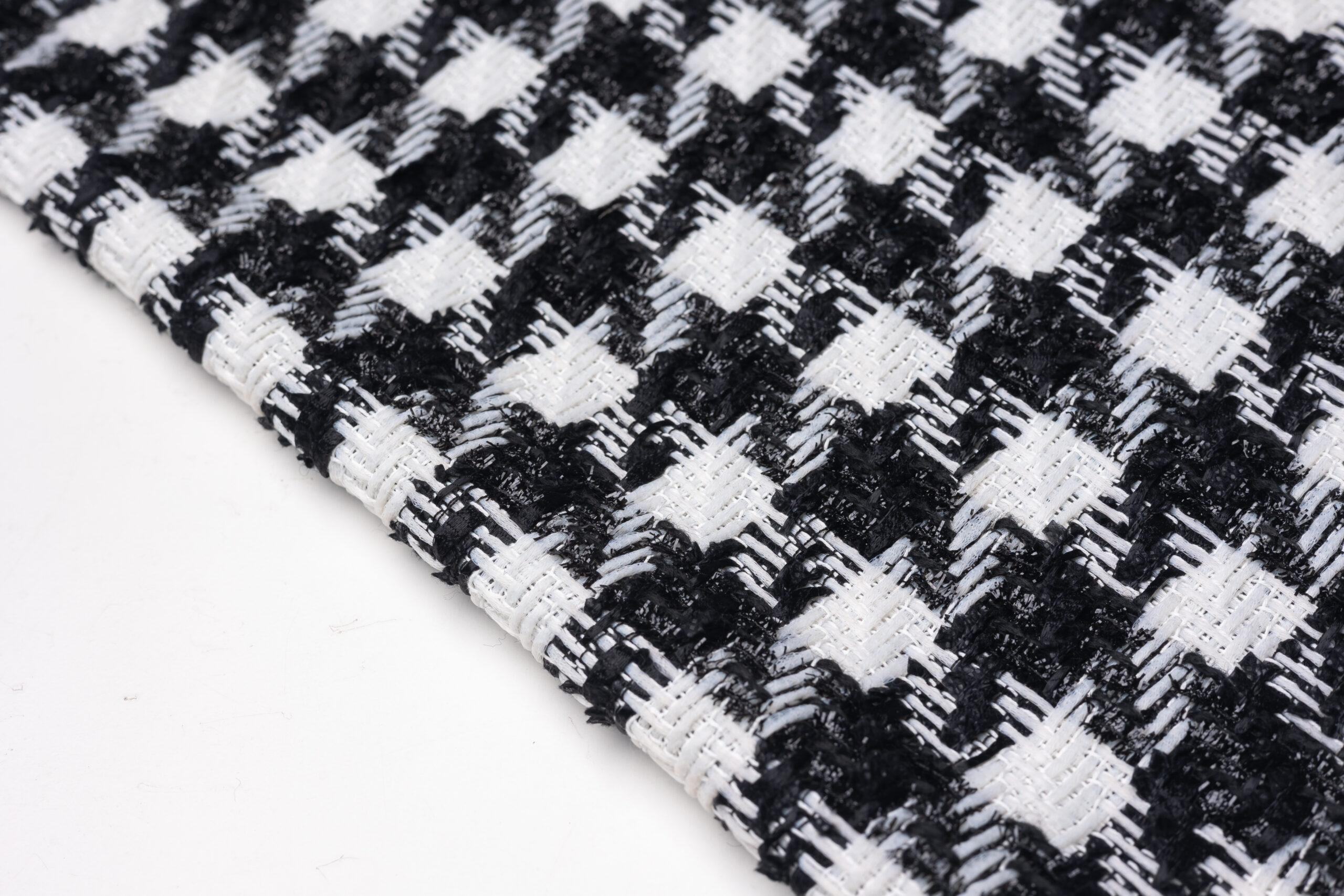
The defining characteristic of bouclé is its looped yarn structure. That same structure is also its biggest failure point. If the twist in the effect yarn isn’t set properly, those loops loosen under abrasion. Within 50 wears, you get surface fuzz. By 100 wears, you get pills.
The industry benchmark for bouclé is a pilling grade of 4–5 on the Martindale scale after 20,000 cycles. Ask any supplier for their Martindale report before you commit to bulk. If they hesitate or offer a “similar” test, walk away. Reputable Wenzhou mills running high-speed rapier looms can hit this consistently — but only if they use heat-set finishes on the loop yarns during twisting.
Yarn Tension Control and Heat-Set Finishes
Bouclé fabric is woven from at least two yarn systems: a ground yarn and an effect yarn. If the tension between them isn’t calibrated, the fabric distorts during finishing. You get wavy selvedges, uneven loop height, and a drape that pulls to one side.
The fix happens before weaving. Quality mills apply a heat-set finish to the effect yarn at 180–200°C to lock the twist and stabilize the loop. This step adds cost and time, which is why budget suppliers skip it. Without heat-setting, the loops relax after the first dry clean, and the fabric loses its signature texture. When evaluating a bouclé fabric supplier in China Wenzhou, ask specifically: “Do you heat-set your loop yarns before weaving?” The answer tells you more than any brochure.
Color Lot Inconsistency
Bouclé uses up to 6 different colored yarns in a single weave. If one yarn lot shifts by even 0.5 ΔE, the entire fabric looks off. This is the #1 reason designers reject bulk orders from Chinese mills.
The root cause is dye lot management. A mill running multiple shifts may use different dye batches for the same color code. The solution is a spectrophotometer check on every production lot. Mills with ISO 9001 certification typically have this in place. For custom tweed fabric MOQ 100 meters orders, insist on a digital color match report before production starts. The report should show ΔE values under 1.0 for each yarn component.
Digital Color Match Proofs Before Bulk
Don’t rely on physical swatches alone. Swatches fade, get mixed up, and are subject to lighting conditions. Digital color matching (spectrophotometry) gives you an objective baseline.
A proper digital proof includes:
- CIELAB coordinates: L*, a*, b* values for each yarn color in the blend.
- ΔE tolerance: maximum acceptable deviation from the approved standard. Industry standard is ΔE ≤ 1.0.
- Illuminant condition: D65 (daylight) and A (incandescent) readings. Bouclé’s multi-yarn structure shifts color under different light, so you need both.
If a mill can’t provide a digital color match report, they can’t repeat color reliably. For designer bouclé fabric stock orders around 100m, that’s a hard quality gate.
On-Site Audit Tips for Factory Verification
A factory visit is the only real way to verify claims. You don’t need to be a textile engineer to spot issues. Watch for three things:
- Yarn storage matters. Dyed yarns — especially bouclé — absorb moisture like a sponge. Leave them in an open warehouse and the twist relaxes unevenly. Check the humidity gauge: it should read 50–60%. That kind of attention to quality directly affects durability — and it’s cost-effective, since poor storage wastes material before weaving even starts.
- When you visit, ask to see the loom running your fabric. Watch the effect yarn feed carefully. If it jerks or snags, tension control is off. Smooth feed means proper calibration. Tension stability is key for bouclé quality — poor feed leads to uneven loops that ruin durability and drive up reject rates. Getting it right at setup is the most cost-effective step you can take.
- Unroll five meters from a random bolt. Scan for color banding across the width. The selvedge should be straight, not wavy. Then run your hand over the surface — if loops pull out easily, twist retention is poor. These checks reveal fabric quality and long-term durability. Catching defects early is cost-effective — no need to reorder or negotiate returns.
Can’t visit in person? Request a video walkthrough of these three areas. A mill that refuses is hiding something. One that complies is confident in their process. That’s how you separate reliable bouclé fabric OEM China partners from factories that cut corners. This kind of transparency signals commitment to quality. Better process control means better durability. Fewer surprises translate into cost-effective sourcing.
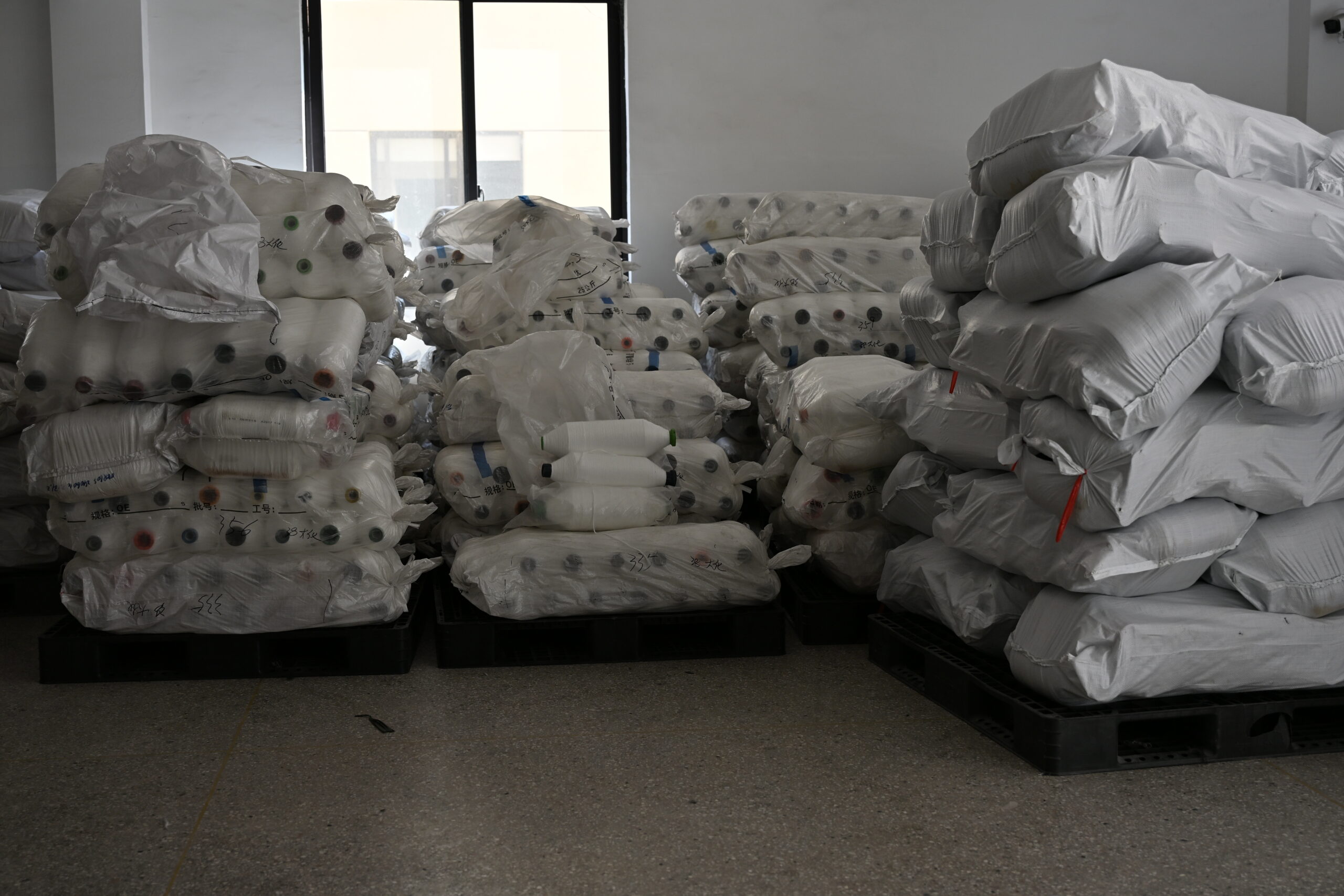
Sampling in 7 Days: How Wenzhou Mills Beat Europe
Italian mills quote 15–20 days for a custom bouclé swatch. Wenzhou mills with existing yarn inventory can deliver the same in 7 days. The bottleneck is rarely the loom — it’s the spec sheet.
Why Italian Mills Are Slower (and Why That Matters for Your Collection)
Request a custom bouclé sample from a traditional Italian mill like Linton Tweeds, and the clock doesn’t start until they fit you into their queue. Standard sampling is 15–20 working days — three to four weeks. That assumes the yarns are already in stock. Need a custom dye lot for your color match? Add another 7–10 days. Delays like that don’t just hurt schedules — they can compromise your quality if you rush production later. And waiting a month for a sample is neither durable in your timeline nor cost-effective for a small brand.
For an emerging designer working a seasonal drop, three weeks is half your development window. You can’t afford to wait a month for a half-meter swatch that might not match your Pantone. Reality is: European mills prioritize their luxury house clients. A 500-meter order gets expedited. Your 100-meter custom request? It sits. You need sample quality that’s reliable from the start, durable enough to test across seasons, and cost-effective — not a costly delay that kills your launch window.
Wenzhou mills operate on a different production logic. Because they maintain deep yarn inventories — wool/polyester, wool/nylon, cotton/acrylic blends across multiple color bases — they can begin weaving a sample the same day your spec sheet arrives. The looms are already threaded for bouclé construction. The variable is your input, not their queue.
The 7-Day Sampling Process: What You Send and What You Get
The 7-day turnaround is not a marketing claim — it is a function of preparation. Here is exactly what a Wenzhou mill like Fursone needs from you to hit that window, and what you receive in return.
- Your spec sheet must include: Yarn composition percentages (e.g., 60% wool / 40% polyester), target fabric weight in GSM (Fursone’s range is 350–700 GSM), and finished width (standard is 140–150 cm). Without these three numbers, the mill cannot select the correct yarn count or loom tension.
- Color references are non-negotiable: Send Pantone codes, not hex values or verbal descriptions. A mill’s dye house uses Pantone as the baseline for matching. If you send a hex code or a screenshot, expect a 2–3 day delay while they convert it. Fursone’s internal standard requires Pantone TPX or TCX codes for any custom blend.
- Yarn references accelerate matching: If you have a physical swatch from a previous season or a competitor’s fabric, include it. The mill’s production team can visually match loop structure and twist direction faster than any digital file allows.
- What you receive in 7 days: A 0.5-meter sample of your custom bouclé, woven on production looms using the same yarns and tension settings that will be used for your bulk order. This is not a hand-loomed approximation — it is a production-ready swatch that can be submitted for Martindale abrasion testing (20,000 cycles minimum) and pilling grade verification (grade 4–5 is standard for Wenzhou mills with OEKO-TEX certification).
The Cost Gap: Why Wenzhou Mills Can Sample Faster and Cheaper
Speed advantage isn’t magic — it’s structural. European mills hold low raw yarn inventory because their supply chain is fragmented across Italy, France, and the UK. A custom sample often means ordering yarn from a spinner first, adding 5–7 days before weaving even starts. Wenzhou mills run vertically. Fursone’s factory stocks on-site yarn for up to six-color bouclé blends — already dyed, twisted, and ready for rapier looms. That vertical setup controls both quality and turnaround.
Cost follows the same logic. An Italian mill typically charges $50–$100 per swatch, and don’t expect credit toward bulk. That fee stings. Fursone’s 7-day rapid sampling for custom blends cuts that barrier — the mill doesn’t order material speculatively. With 50,000 meters monthly capacity per line, the loom time for samples is a rounding error. Bottom line: they can afford to be cost-effective without sacrificing speed.
The practical takeaway: if your bouclé sample turnaround needs to stay under 10 days, a Wenzhou mill with existing yarn inventory is your only viable option outside off-the-shelf stock. Italian mills simply cannot match that timeline for a custom weave. The choice isn’t about quality — it’s about whether your collection calendar can absorb a 20-day wait.
Preparation Steps That Separate a 7-Day Sample from a 14-Day Delay
Want to break the 7-day promise? Send an incomplete spec sheet. It’s the fastest way to add days to the sampling cycle. Here are the three most common mistakes.
- Missing GSM target. Without a weight spec, the mill guesses yarn density. Sample comes back at 450 GSM when you needed 600 GSM? The hand feel and drape are off. You request a second sample — that’s another lost week. Specify GSM upfront.
- Vague color references. “Light beige” means different things to different dye houses. A Pantone code removes interpretation. Fursone’s production team cross-references Pantone against their existing yarn library before sampling starts. That’s the main reason they deliver in 7 days instead of 14 — no guesswork, no costly re-dos.
- No yardage estimate for bulk: Mills prioritize sampling requests tied to a potential production order. Include an estimated bulk quantity — even a range like 500–1000 meters — and your sample moves to the front of the queue. A request without volume context gets treated as speculative, and the timeline slips.
If you need premium bouclé fabric under $20 per yard and a sample in hand within two weeks, the Wenzhou mill model is the only consistent production path. The 7-day sampling window is real — but only if your spec sheet arrives complete. That’s the difference between a fast start and a stalled project.7-day sampling
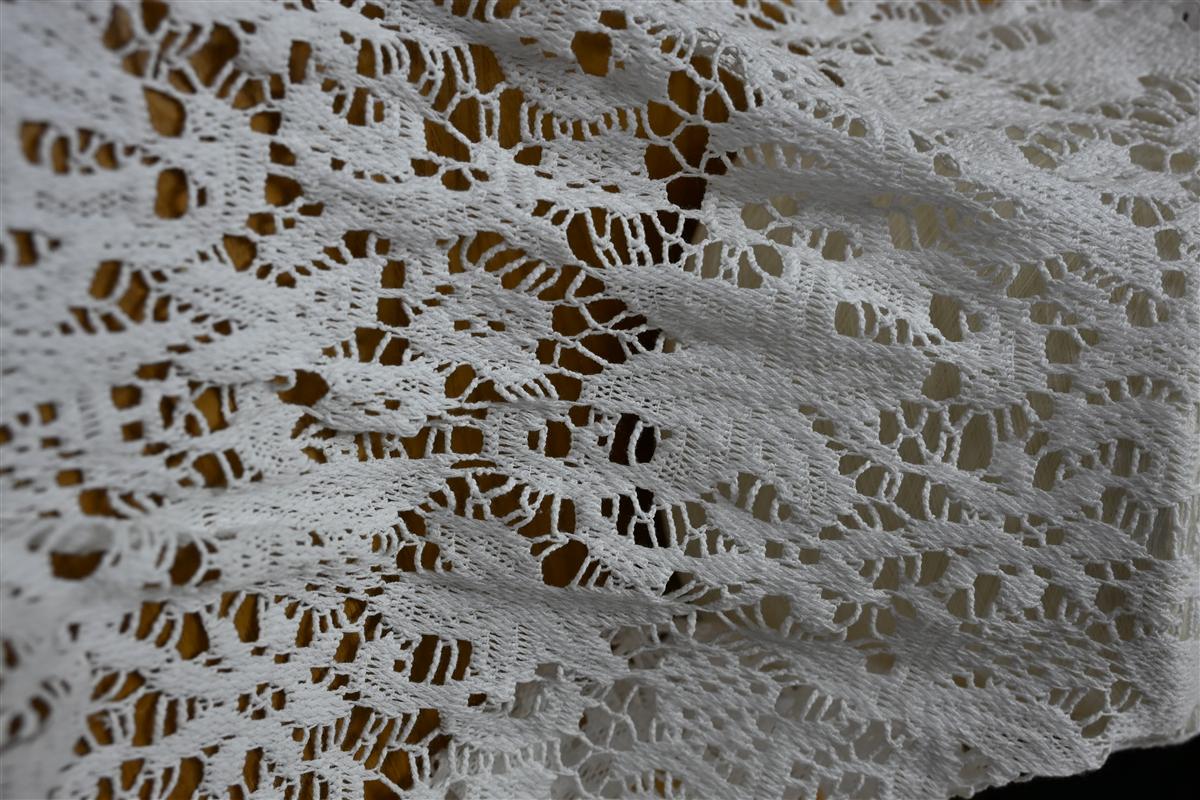
Cost Breakdown: Bouclé from Wenzhou vs. Italy vs. France
The Three-Tier Pricing Reality
Search for affordable chanel style bouclé fabric, and you’ll see prices from $12 to $80 per meter. That range is not random. It maps directly to the supply chain structure — and understanding that structure is how you avoid paying a 300% markup for the same raw material.affordable chanel style bouclé fabric
- Wenzhou (Direct Factory): $12–$25/m. This is the price from a bouclé fabric supplier in China like Fursone. No middleman. No import agent. You buy from the mill that owns the looms. That’s the cost-effective route with no quality sacrifice.
- Italy (Via Distributor): $30–$50/m. This includes the factory’s export margin, the distributor’s markup, warehousing in Europe, and sales commission. You are paying for logistics, not fabric quality or durability.
- France (Luxury Mill): $40–$80/m. This is the heritage premium. You pay for brand cachet, small-batch hand-finishing, and the cost of running a historic mill in a high-wage economy. The fabric is excellent. The price reflects the label, not the yarn cost.
Why Wenzhou Can Sell at $12–$25/m
The price gap between $12 and $50 per meter isn’t about quality. It’s about cost structure. Wenzhou mills operate under three advantages European mills can’t match, and that’s what makes them so cost-effective.
Vertical integration. A mill like Fursone controls dyeing, blending, weaving, and finishing. No subcontractor margin gets tacked on anywhere. European mills outsource yarn spinning and finishing, and each step adds 15–20% to the final cost — while the integrated model keeps both quality and price in check.
Labor rates. A loom operator in Prato runs roughly $28/hour including benefits. In Wenzhou the same skilled worker costs $4–$6/hour. On a line producing 50,000 meters per month, that labor delta translates directly into serious per-meter cost-effectiveness.
Government export subsidies. Chinese textile exporters qualify for VAT rebates (typically 9–13% of export value) and reduced corporate tax rates. These are not loopholes — they are deliberate policy levers that cut effective export costs by 10–15%. European mills get no equivalent support, so the cost-effectiveness gap widens further.
The Hidden Cost: Shipping and Duties
Any honest cost comparison has to include logistics. Shipping 300 meters of bouclé from Wenzhou to New York by sea runs about $150–$250. Customs duties on woven fabrics under HTS 5111 or 5112 land between 6% and 14%, depending on fiber composition and origin. All told, logistics add 10–15% to net cost — but the base price advantage still holds for premium-quality fabrics.
Even with shipping and duties, a 300m order of premium bouclé under $20 per yard from Wenzhou lands at roughly $4,500–$7,500 total. The same 300m from Italy via distributor lands at $10,500–$16,500. That $5,000–$7,000 savings is not pocket change — it covers sampling for your next three seasons. That’s cost-effectiveness you can bank on.
The Savings Math for a 300m Order
Let’s be honest. You’re a small brand sourcing bouclé for a capsule collection. Your biggest headache isn’t creativity — it’s the 1,000-meter minimums that mills demand. You need 300 meters of a custom tweed blend (60% wool, 30% polyester, 10% nylon, six-color yarns). Most factories won’t even return your email.
- Italy (distributor route): $40/m × 300m = $12,000 in fabric alone. Add shipping and duties, you’re looking at roughly $13,800. And that’s if the mill agrees to cut 300 meters — many won’t.
- Wenzhou (direct mill): $18/m × 300m = $5,400. Shipping and duties bring it to about $6,200. The fabric lands at your door in 7–12 days, not 90–120.
- That $7,600 difference pays for something real. A junior designer’s monthly salary in New York. Fifteen extra sample yardages to test for La Fashion Week. Or half your show venue rental. The choice is yours.
The gap isn’t geography — it’s supply chain layers. When you buy from a distributor, you pay for their warehousing, sales commissions, and profit margins. Go straight to the mill that owns the looms, and those costs disappear. For an emerging designer with a cost-per-meter target under $20, the math is crystal clear.
| Cost Factor | Wenzhou (Fursone) | Italy | France |
|---|---|---|---|
| Price per Meter (USD) | Wenzhou (Fursone): $12 – $25 | Italy: $30 – $50 | France: $35 – $60 |
| Typical Price Range | Wenzhou (Fursone): $12 – $25 | Italy: $30 – $50 | France: $35 – $60 |
| Minimum Order Quantity (MOQ) | Wenzhou (Fursone): 100m (stock) / 1,000m (custom) | Italy: 500m – 1,000m | France: 1,000m – 3,000m |
| Sample Turnaround Time | Wenzhou (Fursone): 7 days | Italy: 2–4 weeks | France: 3–6 weeks |
| Lead Time (Production) | Wenzhou (Fursone): 3–7 days (stock) / 4–6 weeks (custom) | Italy: 8–12 weeks | France: 10–16 weeks |
| Quality & Certifications | Wenzhou (Fursone): OEKO-TEX, ISO 9001, Martindale 20k cycles | Italy: OEKO-TEX, high artisan finish | France: Luxury heritage, strict quality control |
| Cost Savings vs. European Mills | Wenzhou (Fursone): 30–50% less | Italy: Baseline | France: Baseline |
Conclusion
Sourcing directly from a Wenzhou mill cuts your bouclé fabric cost by 30–50% while preserving the loop texture and hand feel that define the Chanel aesthetic. You get 100-meter stock rolls ready to ship in 3–7 days, 7-day sampling on custom blends, and minimum custom orders as low as 1,000 meters. That changes the game for a label that’s trying to balance quality and durability with a tight budget.
Run your current supplier’s pricing against real benchmarks. Then check the factory verification guide to see how a direct Wenzhou mill compares to European quality and cost standards.factory verification
Frequently Asked Questions
How to get a quote for Chanel-Style Bouclé Fabric Direct from Wenzhou Mill?
You can leave your detailed requirements using the inquiry form below, and our sales team will provide a comprehensive quotation along with product specifications within 24 hours.
Can I request samples before bulk orders?
Yes, we highly recommend testing samples first. Please contact our support team to arrange sample shipments to verify the product quality before confirming your large volume purchase.

Related Insights

How to Select Knit Fabric for a Luxury Ready-to-Wear Collection
Understanding Fabric Weight and Structure for Luxury Knits Selecting the correct knit fabric for a...
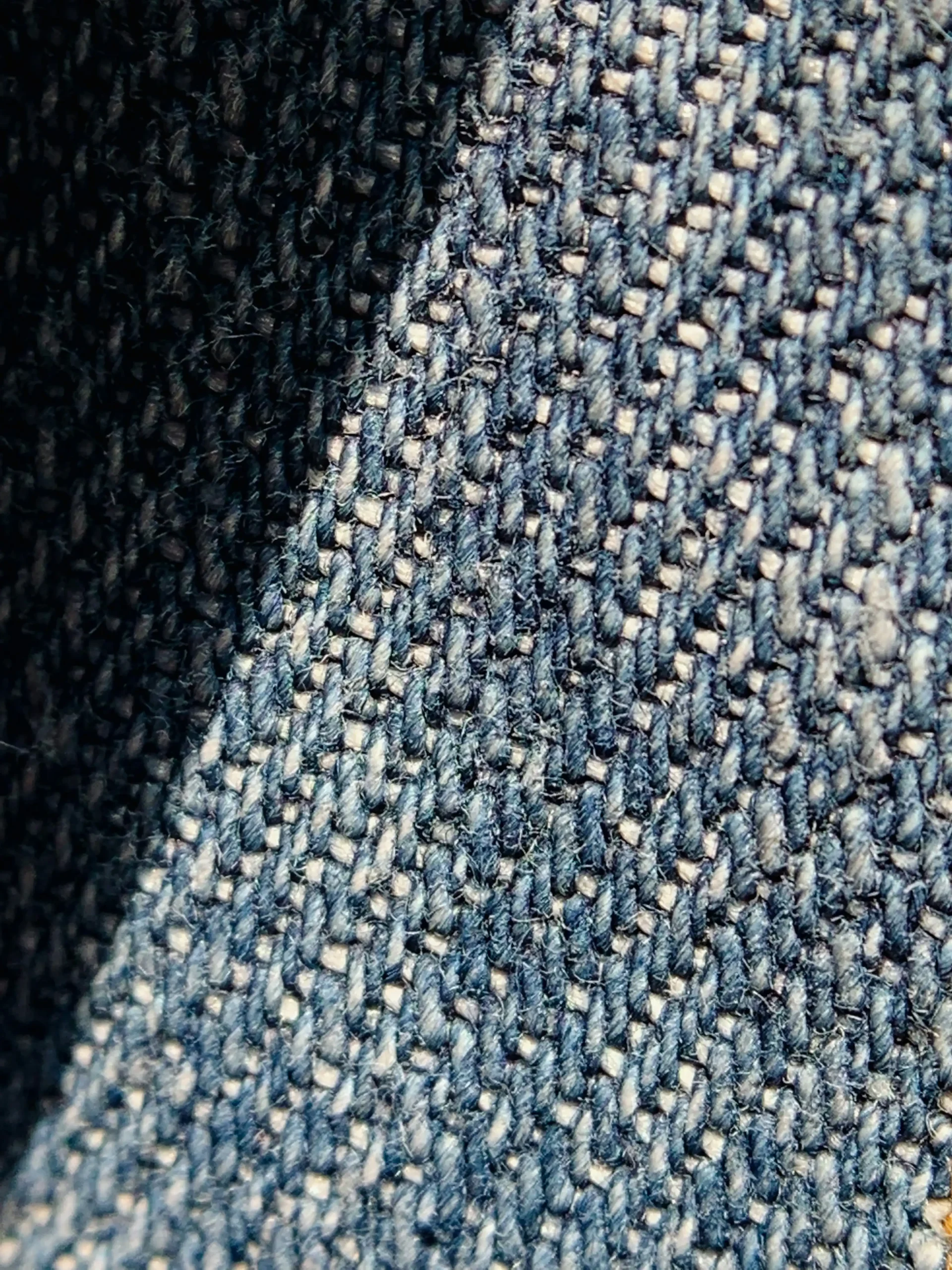
Knit Fabric vs Tweed: Which Sourcing Route Fits Your Line
knit fabric vs tweed is a daily balance of cost, lead time, and tactile appeal...