Introduction: Scaling Challenges in Premium Fabric Sourcing
Global fashion brands expanding into luxury knitwear and structured outerwear often encounter a critical bottleneck: securing consistent, artisan‑grade bouclé and tweed fabrics in the volumes required for a full collection launch. Traditional mill relationships demand high minimum order quantities, long lead times, and rigid colorways that stifle design flexibility. For brands targeting the Chanel‑style aesthetic—characterized by textured loops, nubby yarns, and heritage cable knits—the gap between creative vision and reliable supply can derail seasonal calendars. This case study examines how a global brand achieved scale by partnering with a specialized manufacturer that offers both ready‑stock bouclé and low‑minimum custom development, eliminating the typical friction points in textile procurement.
The Scaling Bottleneck in Premium Fabric Sourcing
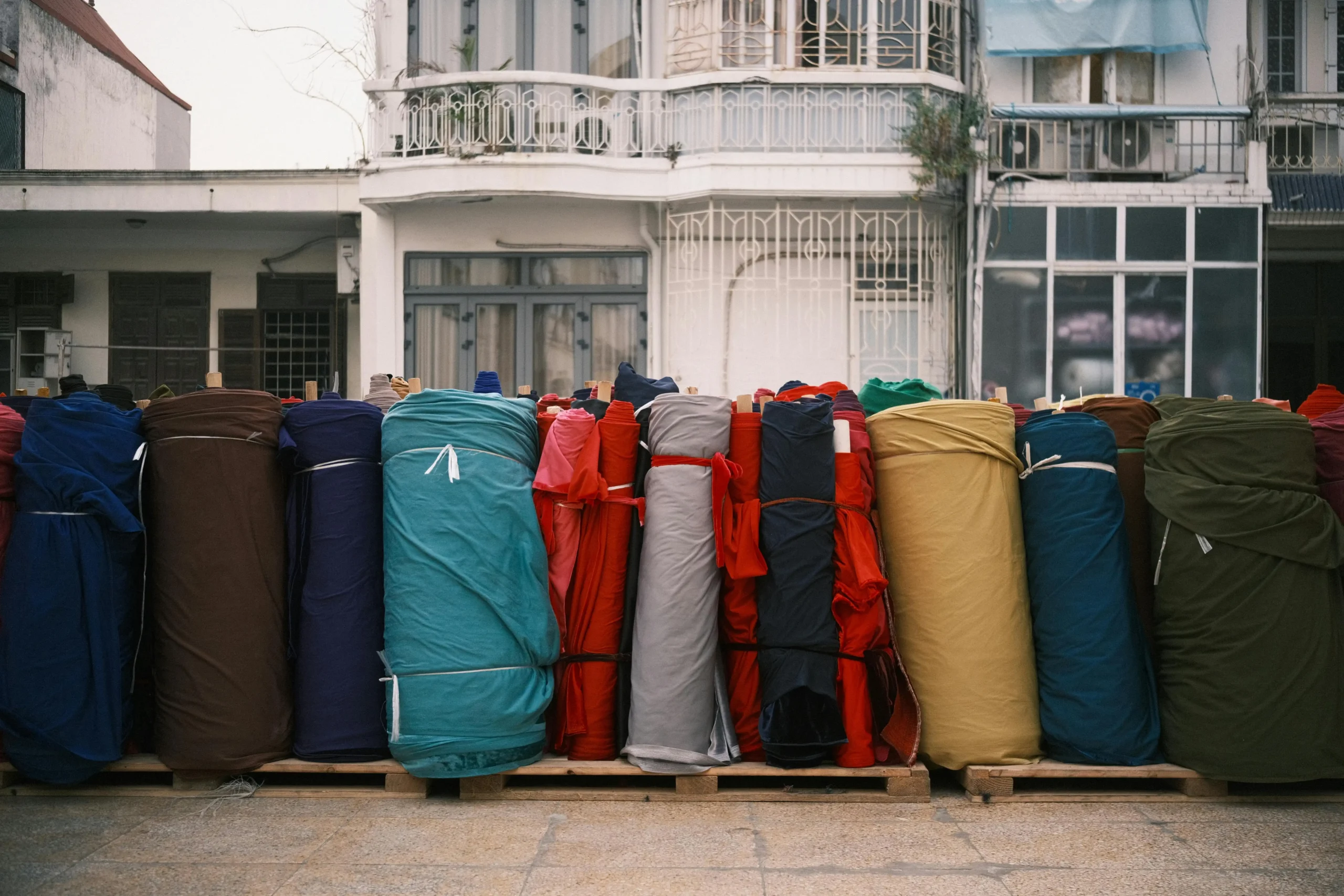
When a brand grows from a small collection to multiple SKUs across retail channels, fabric availability becomes a make‑or‑break factor. Conventional premium mills in Europe often require commitments of 3,000 meters or more per colorway, with production timelines stretching eight to twelve weeks. For a brand launching a seasonal bouclé capsule, tying up capital in such large volumes before sell‑through data is available poses considerable financial risk. Furthermore, reorders become problematic: if a best‑selling style needs additional yardage mid‑season, the same long lead times force brands either to halt production or accept substitute materials that dilute the design language.
In the Wenzhou textile ecosystem, manufacturers like Fursone have developed a hybrid model that addresses this bottleneck. With over two decades of expertise in premium tweed and knitted fabrics, the facility maintains a 100‑meter ready‑stock program for core bouclé and cable knit constructions. This inventory allows brands to secure fabric within three to seven days, matching the pace of fast‑growing collections without sacrificing the hand feel and visual depth expected of luxury textiles. The ready‑stock offer covers the most requested colorways and yarn blends, ensuring immediate availability for both initial samples and production runs.
Beyond inventory, the manufacturing process at Wenzhou facilities integrates rigorous quality control that mirrors European standards. Each batch of bouclé undergoes tension testing, colorfastness checks, and fabric density verification before release. This consistency is essential for brands scaling from one size run to full multi‑store distribution, as any deviation in texture or shrinkage could break the uniformity of a garment collection.
Ready Stock Bouclé as a Strategic Inventory Solution
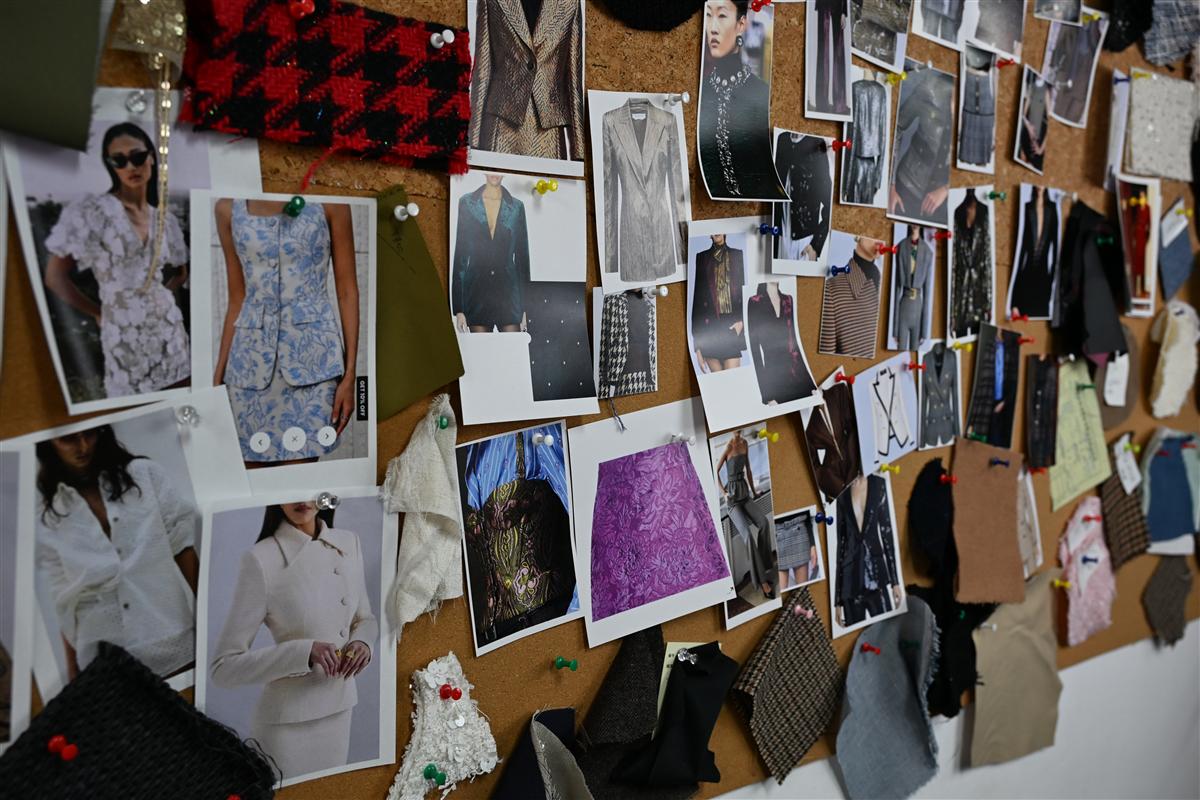
The 100‑meter ready‑stock model functions as a just‑in‑time buffer for global brands. Instead of ordering months ahead, a brand can pull yardage from mill inventory as soon as a design is finalized. For example, a women’s ready‑to‑wear label launching a bouclé jacket and matching skirt can request the exact quantity for a test run—often fewer than 500 meters total—without paying a premium for small cuts. The mill holds stock in the most popular base weights (typically 580–680 grams per linear meter) and standard widths (140–150 cm), reducing the need for custom width adjustments.
This approach directly supports scaling because it enables parallel development cycles. While one design team works on a bespoke colorway for a flagship collection, another can simultaneously use ready‑stock fabrics for lower‑price diffusion lines or e‑commerce exclusives. The elimination of weaving‑to‑order wait times shortens the overall go‑to‑market calendar by four to six weeks per SKU. For a brand aiming to release four seasonal drops per year, the cumulative lead‑time saving is substantial.
Moreover, the ready‑stock program carries production‑proven recipes. Every fabric in stock has already been mill‑tested for cutting, sewing, and finishing compatibility. Brands avoid the iterative sampling cycles that plague new developments, where half‑finished garments must be re‑worked because the fabric behaves unexpectedly under industrial pressing equipment. This technical readiness gives buyers confidence that the fabric ordered today will perform identically in bulk production tomorrow.
Custom Development with Lower Minimums
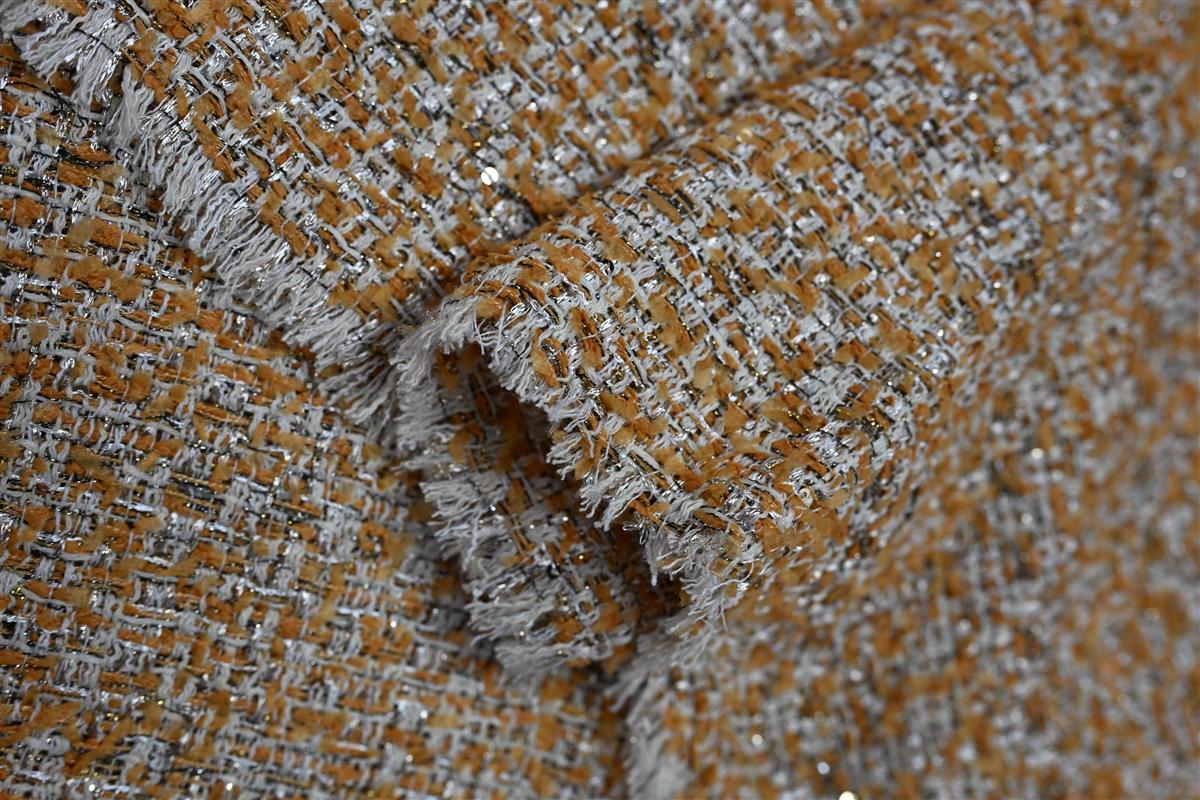
For the high‑end collections that define a brand’s identity, exclusive textures are non‑negotiable. The Fursone model enables custom bespoke development at a minimum commitment of 1,000 meters per SKU—roughly one‑third of what traditional European mills require. This lower MOQ is possible because the mill’s vertical integration spans yarn sourcing, dyeing, twisting, weaving, and finishing within a single facility in Wenzhou. Each step is coordinated without cross‑supplier delays, and the same team that produces ready‑stock fabrics also handles custom orders, ensuring knowledge transfer between standard and bespoke runs.
A custom development project typically begins with a concept swatch or specification sheet. The mill’s technicians analyze the required structure—loop length, twist of the bouclé yarn, percentage of polyester versus wool or nylon—and produce a 7‑day rapid sample. During this phase, the brand can request adjustments: a softer hand, a tighter weave, a subtler heathered effect. Because the production line is flexible, the mill can spin small trial lots of 10–20 meters to validate the look before committing to the 1,000‑meter order. This iterative approach reduces waste and ensures that the final fabric matches the design brief with precision.
Scaling with a custom fabric also offers long‑term cost stability. Once a recipe is locked, subsequent orders benefit from established production parameters—no re‑engineering, no new yarn sourcing, no re‑runs of lab dips. The brand can confidently forecast costs per meter across multiple seasons, with the mill able to ramp up volumes incrementally as demand grows. For a global brand adding a house bouclé that will appear in every collection thereafter, this reliability is foundational to scaling production without quality variations.
Quality and Cost Alignment: Affordable Luxury
The term “affordable luxury” in textile sourcing often implies a trade‑off—reduced fiber quality or simplified construction to lower price. Fursone’s production model in Wenzhou demonstrates that cost advantages can be achieved without compromising material integrity. The mill sources high‑quality yarns—including merino wool, recycled polyester, and nylon—directly from regional spinners, avoiding intermediaries. On‑site dyeing facilities allow color exacting at a fraction of the cost of external laboratories. Combined with a lower labor cost base than Western Europe, the total cost per meter lands a substantial portion below comparable European mill prices.
For a brand scaling from 50,000 to 200,000 meters annually, that percentage directly improves gross margin by several points. The savings can be reinvested into design innovation, marketing, or retail expansion. Importantly, the fabric quality remains consistent with what high‑end buyers expect: dense pile resistance, minimal shedding, and stable structure after multiple cleanings. Independent lab reports on Fursone’s bouclé show tensile strength values within 5% of leading European mills, while weight per square meter stays within the specified tolerance of ±3%.
The cost advantage also applies to custom developments. Since the mill controls the entire supply chain, there are no hidden charges for custom dye lots, sample shipping, or express finishing. A brand’s total investment for a bespoke 1,000‑meter program—including sampling, lab dips, and production—is clearly quoted upfront. This transparency allows finance teams to plan budgets accurately, a critical factor when scaling requires multiple simultaneous fabric projects across different garment categories.
Rapid Sampling and Turnaround
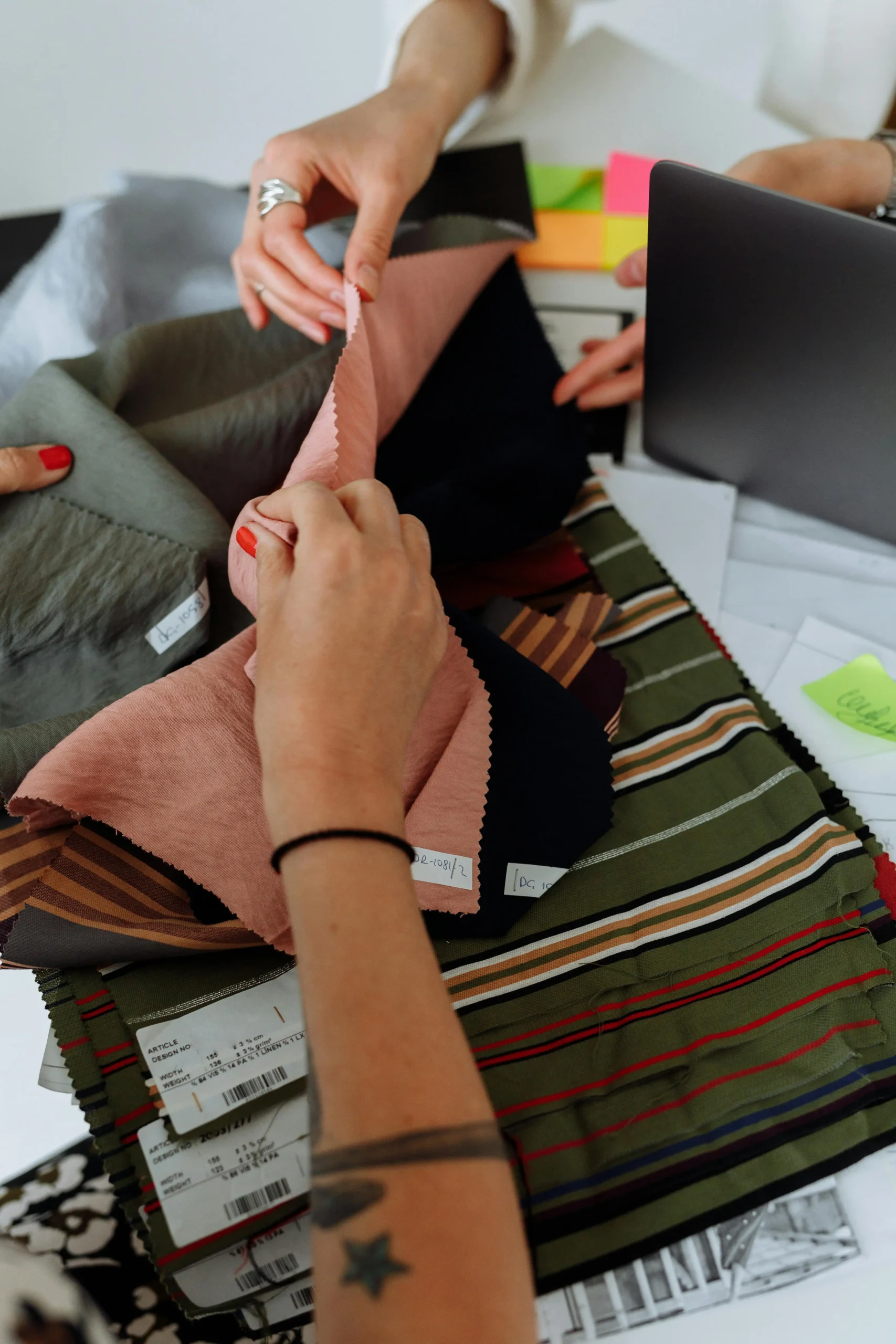
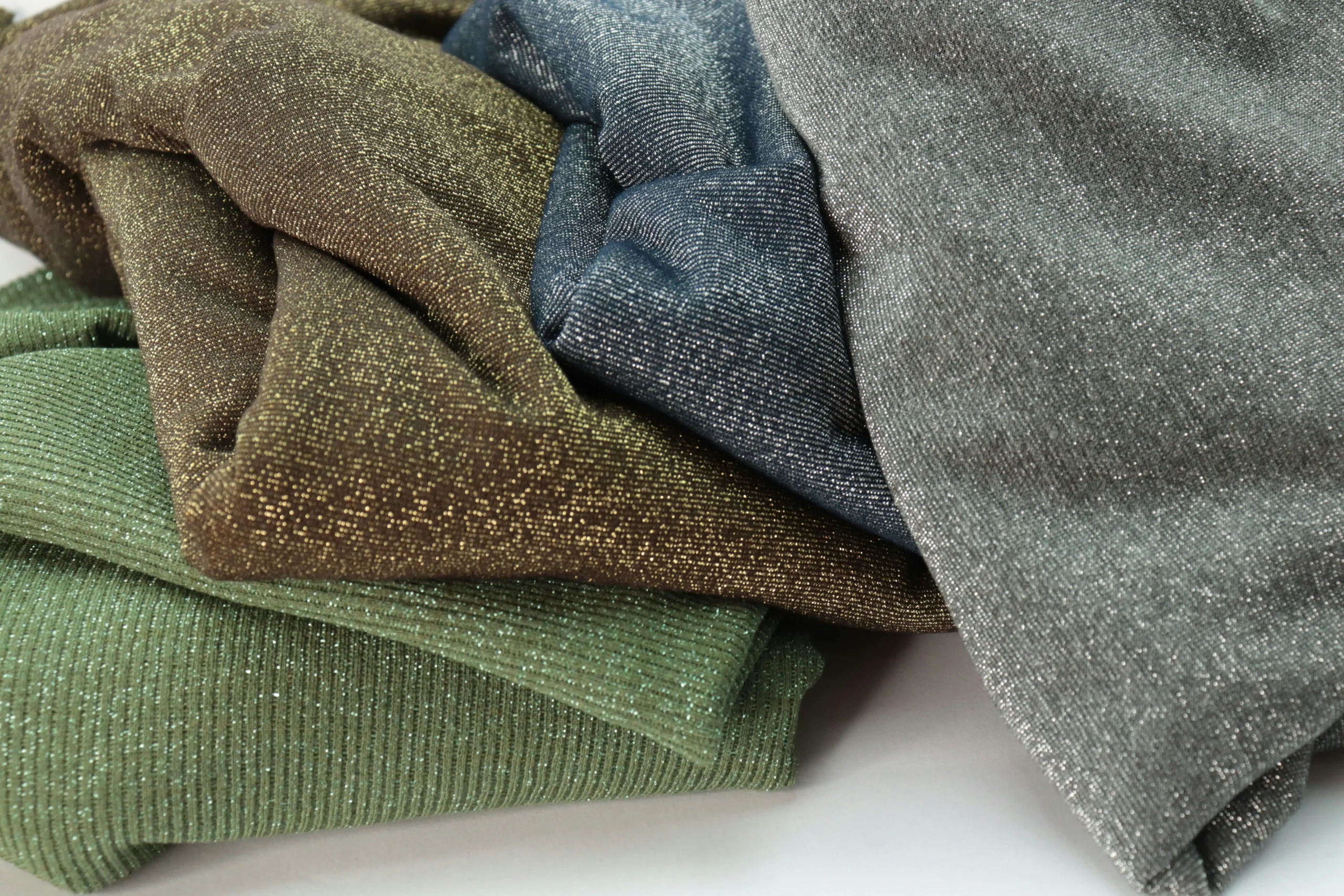
In the fashion industry, the speed at which a concept can be turned into a physical swatch often determines whether a trend is captured or missed. The standard sampling timeline of two to three weeks is compressed to seven days under the rapid‑sampling program. This is achieved by dedicating a specific weaving frame and finishing line exclusively for sample production, separate from bulk manufacturing. The sample team works directly with the yarn warehouse, pulling colors and textures from existing inventory or rapidly dyeing small quantities.
For a global brand testing multiple variations of bouclé for a fall collection, the ability to receive physical swatches within a week means design decisions can be made before the typical pre‑production deadlines imposed by retailers. Samples arrive with a detailed specification card listing yarn composition, weight, width, and care instructions, so the garment team can begin pattern making and grading immediately. No separate information request is needed—the data is embedded in the sample package.
Additionally, the rapid sample process includes a digital component: high‑resolution photographs, video close‑ups of the texture, and a description of the handle are sent within 48 hours of the request. This gives remote buyers an immediate sense of the fabric’s aesthetic, enabling preliminary approvals while the physical sample is en route. For brands with offices in multiple continents, this parallel workflow eliminates the lag of international courier services and accelerates the entire sourcing cycle.
Conclusion
The case of a global brand scaling with ready‑stock bouclé illustrates a fundamental shift in premium textile sourcing. By integrating a substantial inventory of in‑stock fabrics with a low‑minimum custom development program, manufacturers in Wenzhou provide the flexibility that modern fashion houses require for deliberate, risk‑managed growth. The seven‑day sampling, a substantial portion cost savings, and vertical production control remove the traditional trade‑offs between speed, exclusivity, and quality. For any buyer evaluating fabric partners for a next‑season expansion, the combination of ready stock and custom capabilities offers a pragmatic path from concept to scale without sacrificing the artisan aesthetic that defines luxury knitwear.
Frequently Asked Questions
How does the ready‑stock bouclé program work?
Fursone maintains a permanent inventory of 100 meters per colorway of core bouclé and cable knit fabrics. Orders are dispatched within three to seven business days. The program covers the most requested weights, widths, and color palettes, and the fabrics are production‑tested to ensure consistent behavior in cutting, sewing, and finishing.
What is the minimum order quantity for custom fabrics?
Custom bespoke developments require a minimum commitment of 1,000 meters per SKU. This covers the entire process from yarn selection and dyeing to weaving and finishing. For smaller test runs during the sampling phase, the mill can produce trial lots of 10–20 meters to validate the design before the full order.
How does the 7‑day rapid sampling work?
When a brand sends a detailed specification or a concept swatch, the mill’s dedicated sampling team weaves and finishes a physical sample within seven calendar days. A digital preview with images and technical data is provided within 48 hours. The sample is shipped with a full specification card including yarn composition, weight, width, and care instructions.
Are the fabrics comparable to European mill quality?
Independent testing shows that Fursone’s bouclé fabrics meet or exceed industry standards for tensile strength, colorfastness, and dimensional stability, with weight tolerances within ±3%. The yarns are sourced from premium spinners, and the manufacturing processes are ISO‑certified. The cost is a substantial portion lower than equivalent European mill prices, without a reduction in fiber quality or construction integrity.
Can the same mill handle both ready‑stock and custom orders simultaneously?
Yes. The facility operates separate production lines for standard inventory and custom projects. The same technical team oversees both streams, ensuring that knowledge gained from custom developments benefits the ready‑stock program and vice versa. This integrated approach allows brands to combine immediate‑delivery fabrics with exclusive textures within a single collection.
Authoritative References

Related Insights

Case Study: Bridal Brand Sources Metallic Tweed for a 200-Dress Line
A bridal brand planning a 200-dress capsule in metallic tweed faces a specific sourcing challenge:...

Case Study: Garment Factory Standardizes One Boucle Across Three Factories
A garment factory group operating three production sites across southern China needed the same boucle...
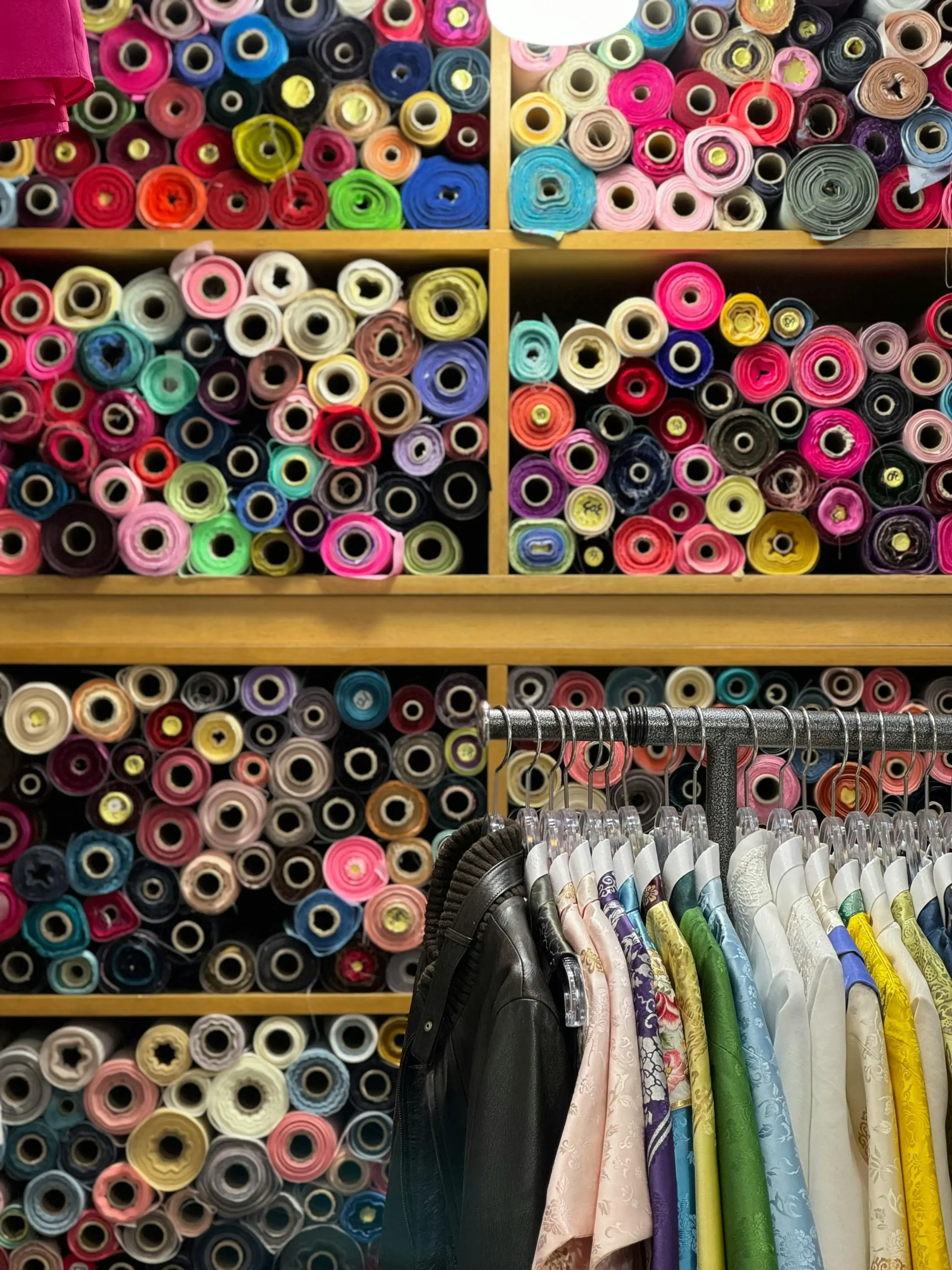
Case Study: Wholesaler Builds a 12-SKU Tweed Line from 100m Stock Rolls
Stock tweed rolls are the quiet engine of the wholesale fabric trade, and this case...