
The European vs Chinese knit fabric decision in 2025 isn’t about quality anymore — it’s about whether your supplier will lock you into a minimum that kills your margin. I’ve seen design teams fall in love with an Italian bouclé, only to discover the mill won’t touch an order under 3,000 meters. That’s fine if you’re Gucci. For a 500-meter capsule collection, it’s a non-starter.
The real gap has shifted. European mills still own the hand feel and the heritage — nobody fakes a Biella wool blend convincingly. But Chinese suppliers have closed the gap on color consistency and yarn sourcing. The trick is knowing which mills in Jiaxing or Shaoxing run the same narrow-width looms the Italians use. They do. They just don’t advertise it. The price difference? Roughly 40–60% lower per meter, depending on the yarn weight and finish. But you trade that saving for a longer sampling cycle — expect three rounds to match a Pantone reference, not one.
Speed to Sample – The Creative Director’s Bottleneck
A 7-day sample window from a Chinese specialist enables three rounds of color tweaks in the time it takes an Italian mill to deliver one.
The Italian Standard: 35-45 Days for a Custom Bouclé Swatch
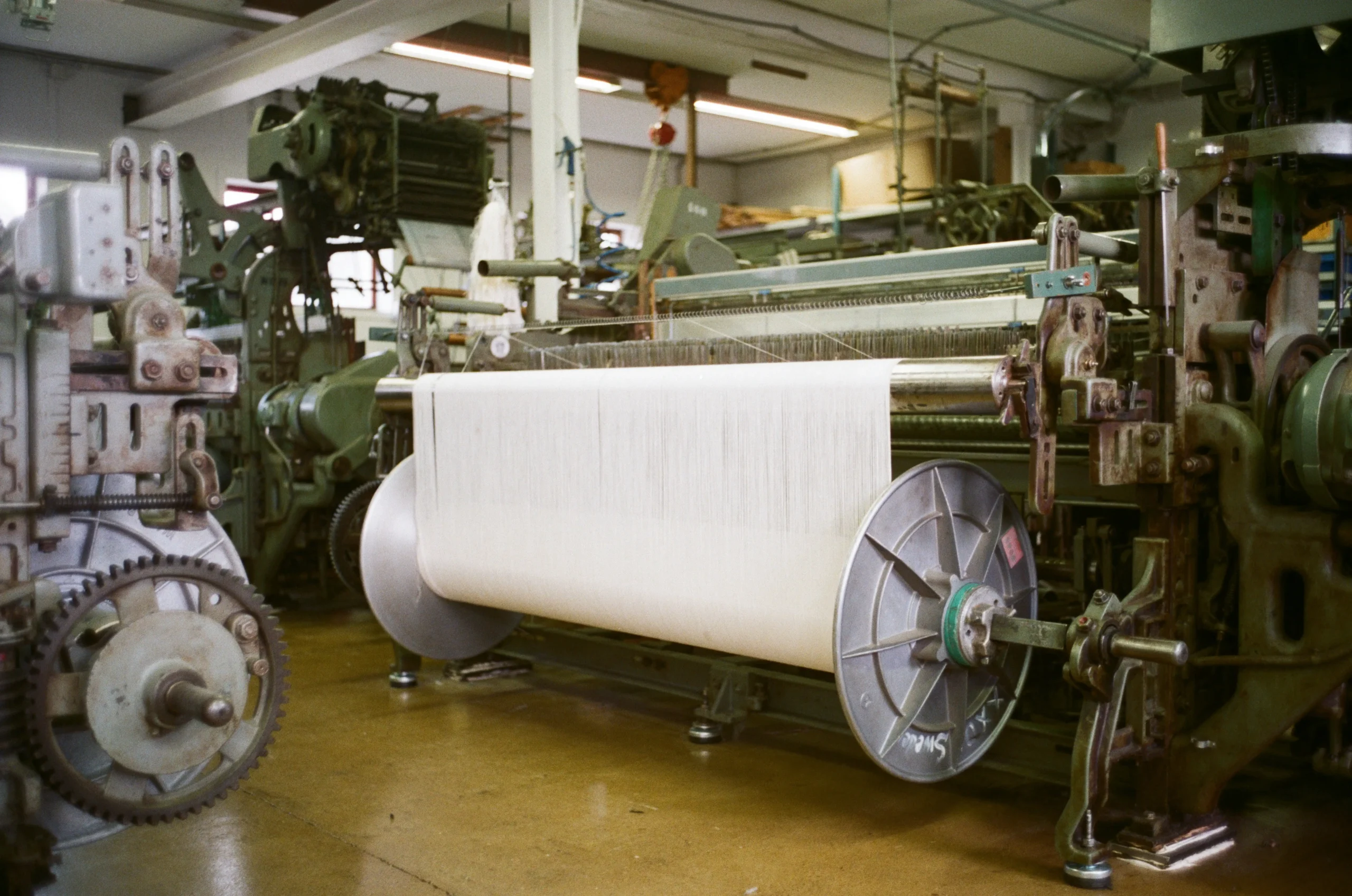
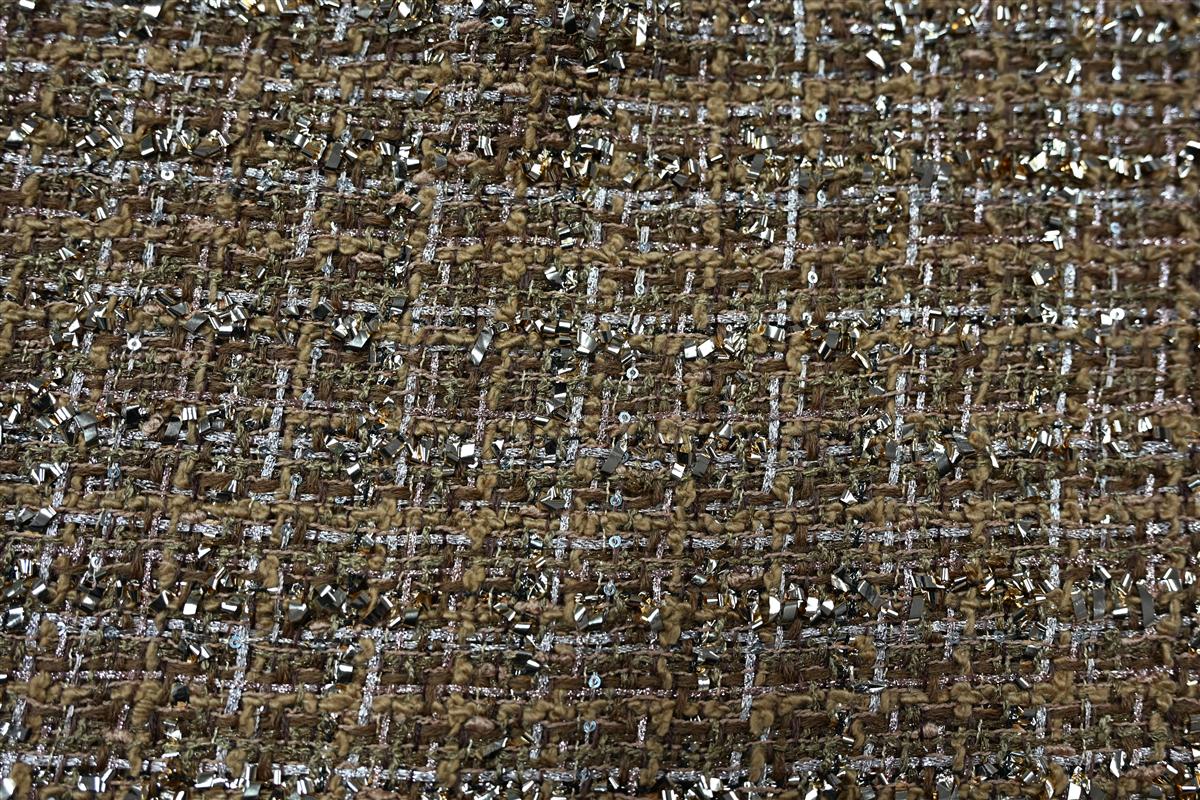
If you are a creative director working with a top Italian mill on a custom bouclé, you are looking at a 35 to 45-day lead time for the first physical sample. That is not a negotiation point — it is the standard operating procedure for mills in Biella and Prato. The bottleneck is not laziness; it is the physical loom changeover. European mills often require stopping production on a commercial run, re-threading a mechanical jacquard, and running a short test batch. That process costs thousands in downtime, so it is scheduled, not rushed.
The Chinese Alternative: 7 Days Standard, 14 Days for Heavy Custom Mixes
Specialized Chinese knit fabric suppliers have eliminated that bottleneck. Factories like Fursone operate digital jacquard looms (Stoll and Shima Seiki) that can program a new bouclé loop structure in hours, not days. There is no physical re-threading. The result is a standard 7-day turnaround for a custom sample. For a heavy custom mix — say, a wool-nylon base with a metallic yarn and a specific loop height — the timeline extends to 14 days. That is still less than half the time a European mill needs for a standard swatch.
The Math on Iteration: Three Rounds vs. One
The real competitive advantage is not just speed — it is iteration density. A 7-day sample window means you can request a color tweak, receive a revised swatch, request a second tweak, and have a final approved sample in hand within 21 days. In that same 21-day window, an Italian mill will have delivered exactly one sample. If the color is off by half a shade, you wait another 35 days. For a creative director working on a Fall/Winter 2026 collection with a fixed showroom date, that difference determines whether you hit the trend window or scramble with off-the-shelf fabrics.
MOQ – How to Protect Cash Flow While Developing Bespoke Textures
The European Floor: 1,000m to 3,000m Is the Real Cost of Entry
When you call a Biella or Como mill to develop a signature bouclé or cable knit, the conversation is predictable. The standard minimum order quantity (MOQ) for a custom texture ranges from 1,000m to 3,000m per color. This is not a negotiation tactic; it reflects the physical loom changeover costs and the minimum dye-lot sizes their finishing partners require. For a creative director developing a capsule collection, that volume represents a significant inventory bet before you have seen a single production roll.
The Chinese Alternative: 300m Custom, 500m Repeat
Specialized Chinese knit fabric suppliers operate on a different cost structure. A factory like Fursone, running digital jacquard looms (Stoll and Shima Seiki), can accept a 300m MOQ for first-time custom development. For repeat customers who have already approved a color standard and finishing protocol, that drops to 500m. The difference is not just in volume — it is in how the factory manages risk. Digital looms eliminate the need for physical changeover tooling, and in-house color labs allow for smaller dye-lot runs without outsourcing to a third-party mill.
The Cost-Risk Calculation: a significant amount vs. a five-figure sum
Let’s run the numbers on a custom bouclé development. At a Chinese supplier, 1,000m at $15/m equals a significant commitment. At a European mill, 3,000m at $30/m equals a five-figure sum. That is a five-figure sum difference in cash tied to inventory before the collection launches. For a mid-sized fashion house running four to six custom textures per season, that delta can exceed a very large sum — capital that could fund sampling, marketing, or additional SKU testing.
- Chinese supplier first order: 1,000m at $15/m = a significant amount
- European mill minimum: 3,000m at $30/m = a five-figure sum
- Cash flow difference: a five-figure sum per texture
Split Shipments: The Risk Mitigation Strategy
The smarter approach — and one that top Chinese suppliers accommodate as standard — is a split shipment structure. You order a sample roll first (typically 20-50m) to approve hand feel, color consistency under multiple light sources, and drape behavior. Only after that approval do you release the balance of the 1,000m. This means your cash exposure at the sampling stage is roughly $300 to $750, not a significant amount. European mills rarely offer this flexibility; their production scheduling requires the full dye-lot to run at once. If you are developing a signature texture for a high-end collection, the ability to validate the fabric before committing to full production volume is not a convenience — it is a financial safeguard.
Quality Level – Certifications, Hand Feel, and the Real ‘European Difference’
The yarn is the same. The looms are the same. The real gap is in finishing chemistry and color repeatability — and that gap has closed faster than most creative directors realize.
Certifications Are Table Stakes, Not a Differentiator
A common assumption is that Chinese knit fabric suppliers cannot match European chemical safety standards. That assumption is outdated. Any serious Wenzhou bouclé specialist — including Fursone — holds OEKO-TEX Standard 100, GOTS, and GRS certifications. These are not marketing badges; they are audited annually and required for export to the EU. If a supplier lacks these, do not engage. But if they have them, the certification gap is zero. The wool-nylon bouclé you source from a certified Chinese mill meets the same REACH compliance thresholds as a Biella mill’s production.
The Real Gap: Finishing Wash Chemistry
The difference between a $45/meter Italian bouclé and a $18/meter Chinese equivalent is rarely the raw yarn or the weaving structure. Both mills source fine merino wool from the same global suppliers and operate Stoll or Shima Seiki digital jacquard looms. The divergence happens in the finishing wash. European mills have spent 20+ years refining proprietary enzyme baths, tumble cycles, and napping sequences that give their fabric a specific hand feel — that soft, slightly irregular “lived-in” texture that creative directors pay a premium for.
Top Chinese suppliers now replicate this through controlled enzyme wash protocols and spectrophotometer-verified finishing. The key is batch-to-batch consistency. A European mill’s relationship with a specific dye house means their color standard drifts less than 0.5 ΔE over a decade. Chinese suppliers that invest in in-house color labs and digital spectrophotometer matching can achieve the same ΔE < 1.0 tolerance — but only if they control the finishing chemistry in-house rather than outsourcing it. When you request a hand feel match from a Chinese supplier, ask specifically: “Is the enzyme wash and napping done in your own facility or subcontracted?” The answer tells you everything about consistency.
Color Consistency: The Weak Link in Chinese Sourcing
This is where many creative directors get burned. A Chinese factory can nail a first sample, then deliver production that is 2-3 shades off because they used a different dye lot or finishing temperature. European mills avoid this because they own their dye houses or have exclusive contracts with specific partners. The Chinese suppliers that solve this — and it is a solvable problem — operate their own color labs with spectrophotometer matching on every batch. Fursone, for example, runs spectrophotometer checks at the dye stage and again post-finishing, ensuring the final fabric matches the approved standard within commercial tolerances. If a supplier cannot show you their color lab equipment or their batch-to-batch variance log, you are gambling.
The Speed Advantage of Digital Loom Changeovers
European mills still rely heavily on physical loom changeovers for complex bouclé patterns. That process costs thousands of euros in downtime and setup labor, which is why they demand 1,000-3,000 meter MOQs. Chinese specialists using digital jacquard looms can program a new bouclé loop structure in hours, not days. This is not a quality compromise — it is a structural efficiency. It means you can develop a signature texture with a 300 metre MOQ instead of a 3,000 meter bet, and receive a 7-day sample instead of waiting 35-45 days. The hand feel and durability are identical when the yarn spec and finishing wash are matched.
Frequently Asked Questions
Which country produces the best quality fabric?
“Best” depends on your priority. If you need heritage finishing recipes and established supply chain relationships, European mills (Italy, UK) still lead in proprietary wash chemistry. If you need speed, flexibility, and certified quality at 30-50% lower cost, top Chinese suppliers with in-house color labs and digital looms now match European hand feel. The raw yarn and weaving technology are identical — the gap is in finishing consistency, not raw capability.
What is the typical MOQ for custom knit fabric from Chinese suppliers vs. European mills?
European mills typically require 1,000-3,000 meters per color for custom bouclé or cable knits. Chinese specialists like Fursone offer 300 meter custom MOQ, with 100 meters available for ready-stock colors. This lower minimum allows creative directors to test a collection without committing to full production volume.
How long does it take to get a custom bouclé sample from a Chinese factory?
A custom sample from a European mill typically takes 35-45 days. A Chinese specialist using digital jacquard looms and in-house finishing can deliver a sample in 7 days. This speed advantage comes from digital pattern programming rather than physical loom changeovers, not from cutting quality corners.
Are Chinese knit fabrics safe for sensitive skin? Do they meet EU chemical regulations?
Yes, provided the supplier holds OEKO-TEX Standard 100 certification. This certification tests for harmful substances and is recognized across the EU. GOTS and GRS certifications cover organic and recycled content respectively. Always request current certificates before sampling — any legitimate export-oriented Chinese mill will provide them without hesitation.
What is the price difference between Italian bouclé and Chinese bouclé?
Italian bouclé typically runs $28-45/meter at 300 metre MOQ. Chinese luxury-grade bouclé with equivalent yarn quality, OEKO-TEX certification, and spectrophotometer-matched color runs $12-22/meter at 300 metre MOQ. The 30-50% cost reduction comes from lower labor costs and digital loom efficiency, not inferior materials.
Conclusion
The choice between European mills and Chinese knit fabric suppliers in 2025 no longer requires sacrificing artisan quality for speed. The real gap was never in yarn or weave — it was finishing chemistry and color consistency. Top Chinese specialists have closed that gap with in-house labs, digital jacquard looms, and enzyme wash protocols that match the hand feel of a Biella mill at half the cost.
If your next collection demands a signature bouclé or heritage cable knit without a 3,000-meter bet or a 45-day sample wait, review the stock and custom options at Fursone’s knit fabric manufacturing page. The swatch turnaround is seven days. The MOQ starts at 100 meters. The certifications are OEKO-TEX and GRS. The math works for any creative director who values texture as much as timeline.
Frequently Asked Questions
Which country produces the best quality fabric?
European mills, particularly in Italy, have long set the benchmark for artisanal craftsmanship and heritage finishing techniques in premium knit fabrics. However, Fursone, as a Wenzhou-based fabric development partner, bridges this gap by replicating European mill quality through advanced machinery, meticulous quality control, and direct access to high-grade raw materials. Our bouclé and cable knits consistently match the aesthetic and tactile standards of Italian mills, as validated by global fashion brands, while offering superior supply chain efficiency. The ‘best’ quality is ultimately defined by consistency, durability, and design fidelity—areas where Fursone competes head-to-head with European producers, but at a 30-50% cost advantage.
What is the typical MOQ for custom knit fabric from Chinese suppliers vs. European mills?
European mills typically require a minimum order quantity (MOQ) of 3,000 to 5,000 meters per color and design for custom knit fabrics, reflecting their focus on high-volume luxury production. In contrast, many Chinese suppliers demand 2,000 to 3,000 meters, but Fursone differentiates itself with a flexible 300-metre custom MOQ for bespoke bouclé and cable knits, allowing brands to develop exclusive textures with lower financial risk. This lower commitment enables emerging designers and established houses alike to test new collections without overcommitting inventory. Our 100-meter ready stock program further eliminates MOQ barriers for immediate sampling or small-batch launches.
How long does it take to get a custom bouclé sample from a Chinese factory?
Standard custom sampling from Chinese factories often takes 3 to 6 weeks due to yarn sourcing, loom setup, and finishing processes. Fursone, however, offers a 7-day rapid sampling service for custom bouclé and knit fabrics, leveraging our yarn inventory and dedicated sampling looms at partner mills to compress the timeline. This allows fashion brands to go from concept to physical swatch in one week, outpacing both typical Chinese suppliers and European mills, which can require 4 to 8 weeks for custom samples. Our rapid turnaround is supported by a streamlined production system that prioritizes speed without compromising the artisan aesthetic.
Are Chinese knit fabrics safe for sensitive skin? Do they meet EU chemical regulations?
Yes, reputable Chinese knit fabric manufacturers, including Fursone, produce fabrics that are safe for sensitive skin and fully compliant with EU chemical regulations such as REACH and OEKO-TEX Standard 100. Fursone specifically uses certified, low-impact dyes and finishes, and our bouclé and cable knits undergo rigorous third-party testing for azo dyes, heavy metals, and formaldehyde to ensure they meet or exceed European safety standards. Our fabrics are hypoallergenic and suitable for direct skin contact, as verified by global fashion brands that distribute to EU markets. We maintain full traceability from raw material to finished roll, providing documentation that confirms compliance with all relevant EU directives.
What is the price difference between Italian bouclé and Chinese bouclé?
Italian bouclé typically retails between €25 to €50 per meter, driven by artisan labor, brand heritage, and limited production scale. Chinese bouclé from standard suppliers ranges from €8 to €15 per meter, but Fursone’s premium bouclé offers a unique value proposition: we deliver Italian-equivalent quality at €12 to €20 per meter, representing a 30-50% cost reduction versus comparable Italian mills. This price advantage stems from our vertical integration in Wenzhou, direct yarn sourcing, and efficient manufacturing processes, while still achieving the same hand-feel, texture, and durability. For brands seeking affordable luxury, Fursone provides the artisan aesthetic without the European price premium.
Authoritative References
Related Insights

How to Compare Fabric Quotes from Three Mills: A Side-by-Side Method
Three mills return three quotes for the same fabric brief, and the spread between them...

CNY Capacity Planning: Booking a Fabric Mill Around Chinese New Year
Every year, fabric buyers lose the same three weeks to the same event: Chinese New...

Second-Source Strategy: How Brands Qualify a Second Tweed Mill
Single-sourcing a signature fabric feels efficient right up to the season it fails: the mill’s...