
Circular fashion aims to keep clothing fibers in use at their highest value and out of landfill, and fabric recycling is the loop that makes it possible after a garment’s first life. In practice the loop splits into two very different engineering problems: mechanical recycling shreds fiber and respins it; chemical recycling breaks polymer back to raw material.
Which one applies to your fabric depends almost entirely on what the fabric is made of. This guide walks through how the loops actually work for wool and synthetic fabrics, where today’s limits sit, and what buyers can credibly claim.
The loop map: design, use, collect, recycle, respin
The circular model that most of the industry now works from has five stages. Design determines recyclability before anything is cut, mono-material construction and removable hardware make everything downstream cheaper. Use is the garment’s first life plus resale and rental extensions. Collection gathers post-consumer textiles, the stage where most loops break today because sorting infrastructure is thin. Recycling converts collected textiles back into fiber. Respinning returns that fiber into new fabric. The Ellen MacArthur Foundation’s circular economy framework is the reference most brands and mills cite for this structure, and its core point holds for fabric buyers: circularity is a design decision first and a recycling technology second.
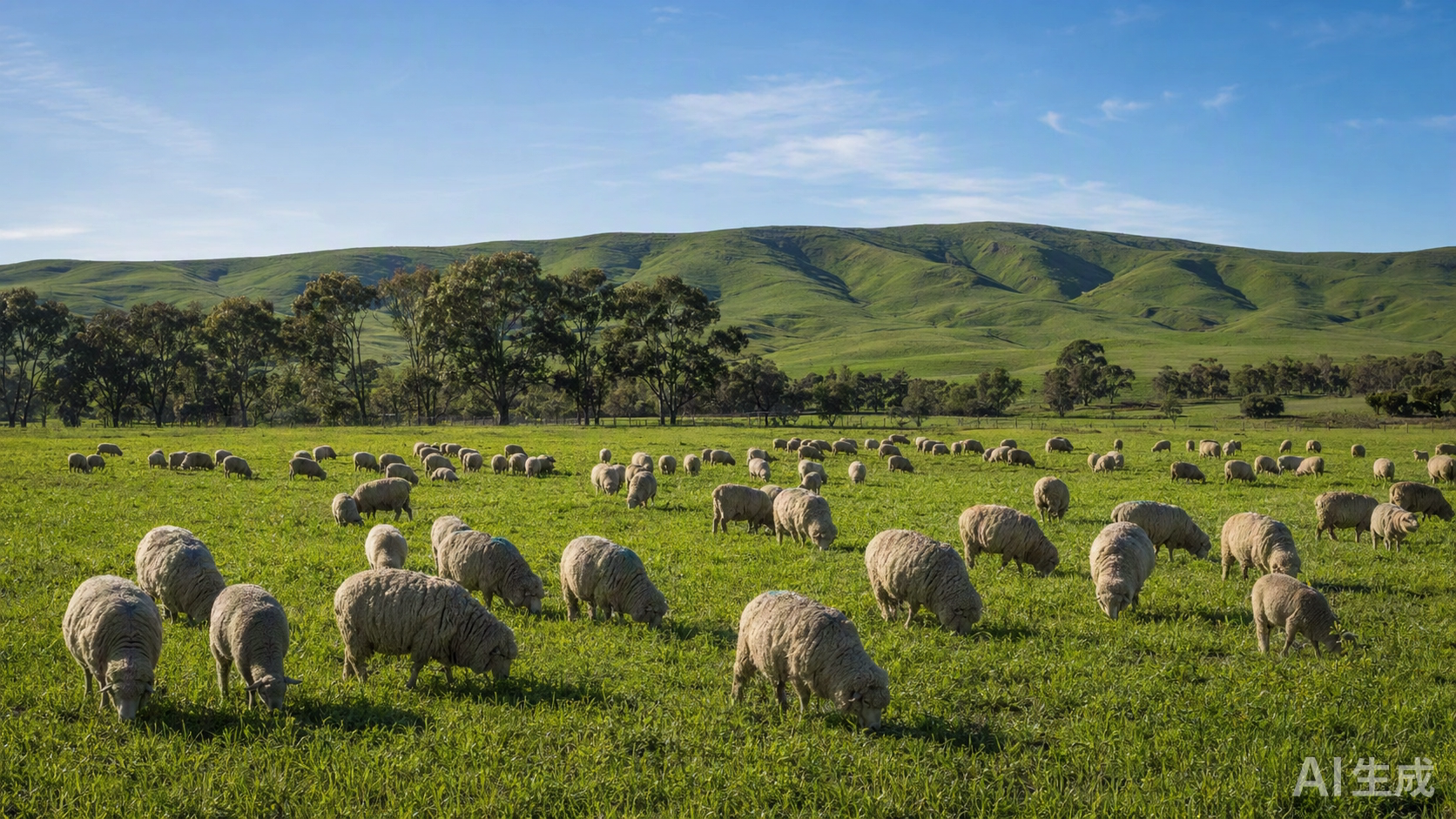
Wool’s loop: mechanical recycling with a long history
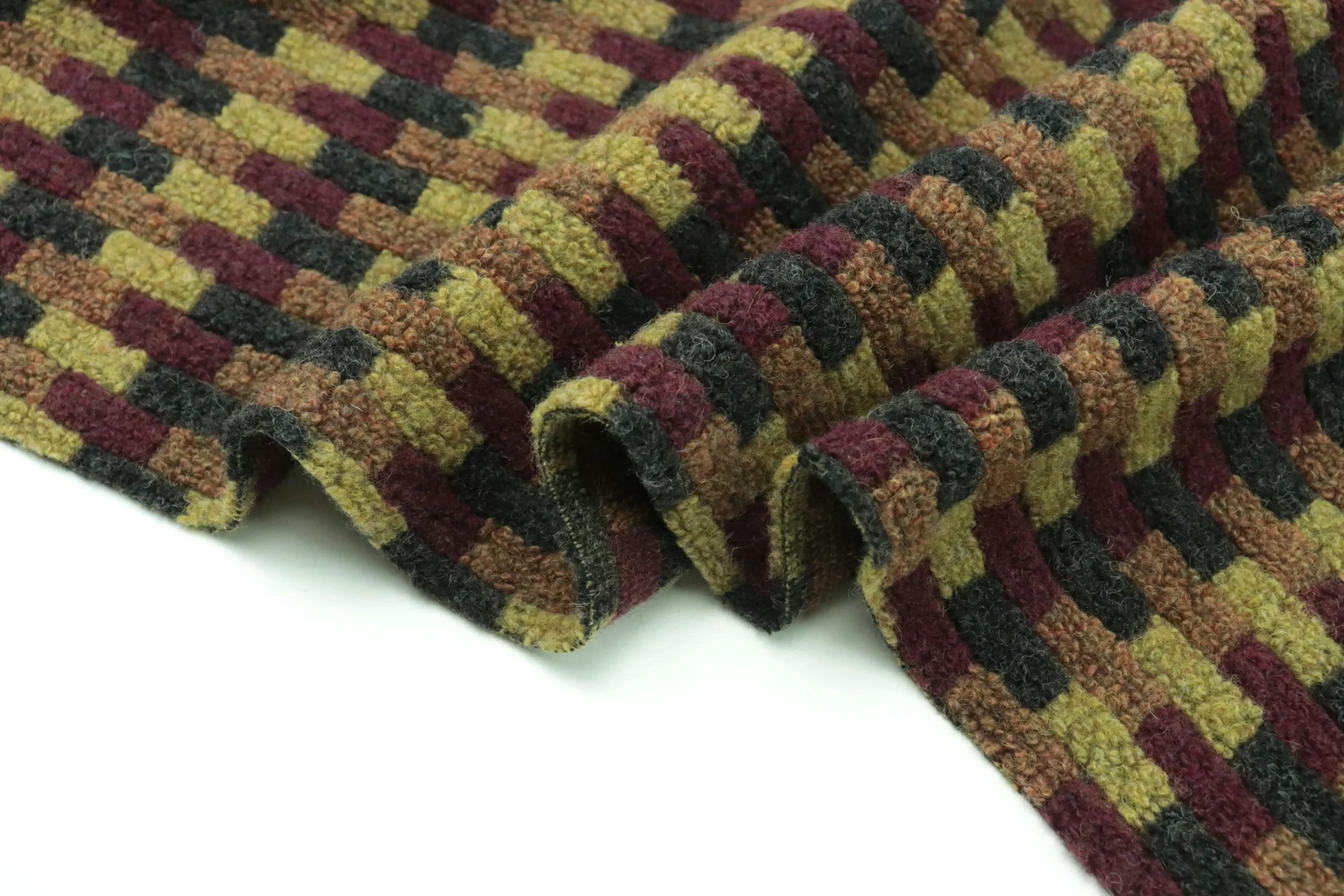
Wool is the oldest recycled fiber in the trade, reclaimed wool, historically called shoddy, has been respun into new cloth for well over a century. The mechanical process sorts used woolens by color, shreds them back to fiber, and blends the reclaimed fiber with virgin wool to restore staple length and strength, because shredding shortens fibers every pass. Shorter recycled staple limits yarn fineness, which is why heavily recycled wool typically lands in heavier, rustic constructions rather than fine suiting. The environmental logic is strong where it applies: reusing existing fiber skips the farm stage entirely, with its land, water, and methane footprint. Our take on where recycled wool fits in tweed programs is covered in our sustainable tweed and recycled wool guide, and the certification side, how to verify a recycled-content claim, sits in our GRS certificate verification article.
Synthetics’ loop: bottle feedstock today, textile-to-textile tomorrow
Recycled polyester in the market today is overwhelmingly made from PET bottles rather than worn-out garments, because bottles arrive clean, sorted, and mono-material, while post-consumer clothing arrives mixed, dyed, and full of hardware. True textile-to-textile polyester recycling, mostly chemical routes that depolymerize fabric back to monomers, exists at commercial scale only in limited pockets and usually needs sorted, single-polymer input. That is why blend composition is the quiet gatekeeper of circularity: a wool-acrylic-polyamide tweed has no clean recycling path today, while a 100 percent polyester construction keeps the chemical loop open. If your program leans synthetic, our comparison of recycled nylon vs recycled polyester breaks down how the two feedstock chains differ.
What buyers can credibly claim, and what to stop claiming
The claims landscape rewards precision. “Made with recycled content” is defensible with a certified percentage; “fully circular” is not, unless you can document collection, recycling, and respinning routes that actually exist for that specific fabric. Certifications carry the evidence: GRS covers recycled content with chain-of-custody tracking, and RCS covers lower-content claims with the same custody logic; we compared the two in our RCS vs GRS comparison. Practical due diligence for a circular program reads like any other sourcing checklist: confirm the recycled percentage per roll, request the transaction certificate, and check that the fabric’s blend ratio does not contradict the end-of-life story your marketing tells. Our sustainable fabric sourcing checklist turns this into a working document.
Where a mill fits in the loop
Mills sit at the respinning and redesign stage, and their influence there is real. Our GRS-certified lines run recycled-content fabrics with chain-of-custody documentation, and our sustainable tweed design program is built around mono-material and low-hardware constructions precisely because they keep downstream loops open. We have woven in Wenzhou since 2020 across 300+ looms at our partner mills, and that history shapes how we treat circularity: not as a marketing layer but as a construction discipline, because a fabric designed for one season and one recycling route costs everyone downstream. The same 100M-meter ready-stock program that serves fast turnarounds also lets brands trial mono-material constructions in small cuts before committing bulk, and custom development starts at a 300-metre MOQ with 7-day sampling, so circular design choices can be tested before they scale.
For buyers, the sourcing question worth asking any supplier is not “are you circular” but “which loop does this specific fabric enter after use, and who operates it.” A supplier who can name the loop and the operator is engineering for circularity; one who answers with adjectives is not. Press the same question on hardware and trims, because a recyclable body with non-recyclable closures still dies at the sorting stage, and ask for the documentation trail before the marketing story. Circularity rewards the boring paperwork, certificates, composition sheets, custody records, long after the campaign language has been forgotten.
Frequently asked questions
How does fabric recycling actually work?
Mechanical recycling shreds textiles back to fiber and respins them, usually blended with virgin fiber to restore strength; chemical recycling breaks polymers back to raw monomers. Wool suits the mechanical route; polyester’s loop is largely chemical and needs sorted input.
Is recycled polyester made from old clothes?
Mostly no. Today’s recycled polyester comes primarily from PET bottles; textile-to-textile recycling exists but requires sorted, single-polymer input and remains limited in scale.
What certification proves recycled content?
GRS for higher recycled content with chain-of-custody tracking, RCS for lower-content claims. Always request the transaction certificate for your lot, not just the supplier’s scope certificate.
Do fabric blends block circularity?
Complex multi-fiber blends currently have no clean recycling path, which is why mono-material construction is the strongest design lever for circular programs.
For how the order side connects to the numbers on your invoice, see the payment terms guide for Chinese fabric mills.
For the five fabric marketing claims worth questioning and the evidence that settles each, see which sustainability claims survive questioning.

Related Insights

Fiber Content Labels for Tweed and Knit: Reading Composition Percentages Right
A composition label is a legal document, a marketing claim and a care instruction all...
Fabric Waste in Cutting: How Much Your Collection Throws Away
Every collection throws away fabric twice: once in the cutting room, where markers never fit...

Lyocell Knit Blends: Sourcing, Blend Ratios and Verification for Buyers
Lyocell has moved from a niche fiber to a standard line item on knit buyers’...