
How to Choose Tweed for an Overcoat: Weight, Structure and Finish
An overcoat is a high-investment garment, and the fabric decides how it performs. A tweed that is too light collapses, one that is too heavy is hard to sew and uncomfortable to wear. This guide explains the tweed properties that matter for an overcoat—weight, structure, drape and finish—so you can pick a fabric that holds a structured silhouette and wears well.
Why weight is the first decision
Overcoat fabric needs enough weight to hold a structured shape without being rigid. A wool tweed for an overcoat typically sits in a mid-to-heavy weight band, with enough body to drape cleanly on the shoulders and lapels. A lightweight tweed is better for a softer, unlined coat. Choose the weight based on the silhouette you want, not just the warmth.
Weight is also a production factor: a heavier fabric needs stronger seams and a more robust lining. Our woolen overcoat fabric range is developed specifically for structured coats, with customisable weights and colours.
Check the fibre blend
An overcoat tweed is usually a wool blend. The wool percentage drives warmth and drape, while the addition of other fibres can add strength, reduce cost or change the hand. A pure-wool tweed feels the most luxurious, while a wool-polyester blend resists creasing and costs less. Natural fibres add breathability; synthetics add durability and shape retention.
For a premium overcoat, a higher wool percentage is usually the better route. The Woolmark Company documents wool quality and care standards for pure and blended wool, which is a useful reference when you are specifying an overcoat.
Structure and how it sews
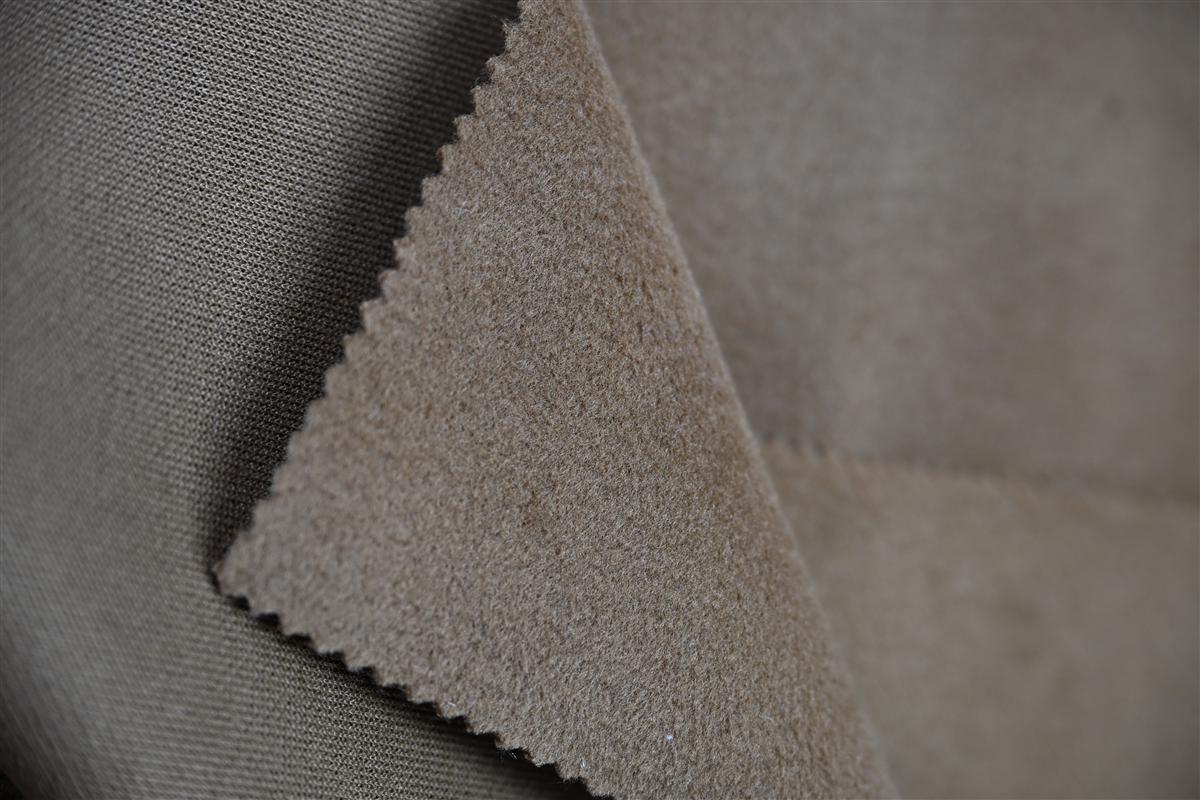
Tweed is a relatively open-weave fabric, so it has give. For an overcoat this is generally a benefit, but it also means the fabric can stretch out over the shoulders if it is not properly interfaced. Look at the weave density and ask the mill how the fabric behaves under tailoring. A denser weave holds a lapel better; a looser weave needs more support.
If you are choosing between a single cloth and a double cloth, the double cloth gives more body. Our guide to double cloth tweed for reversible coats explains when the extra structure is worth it.
Colour, pattern and finish
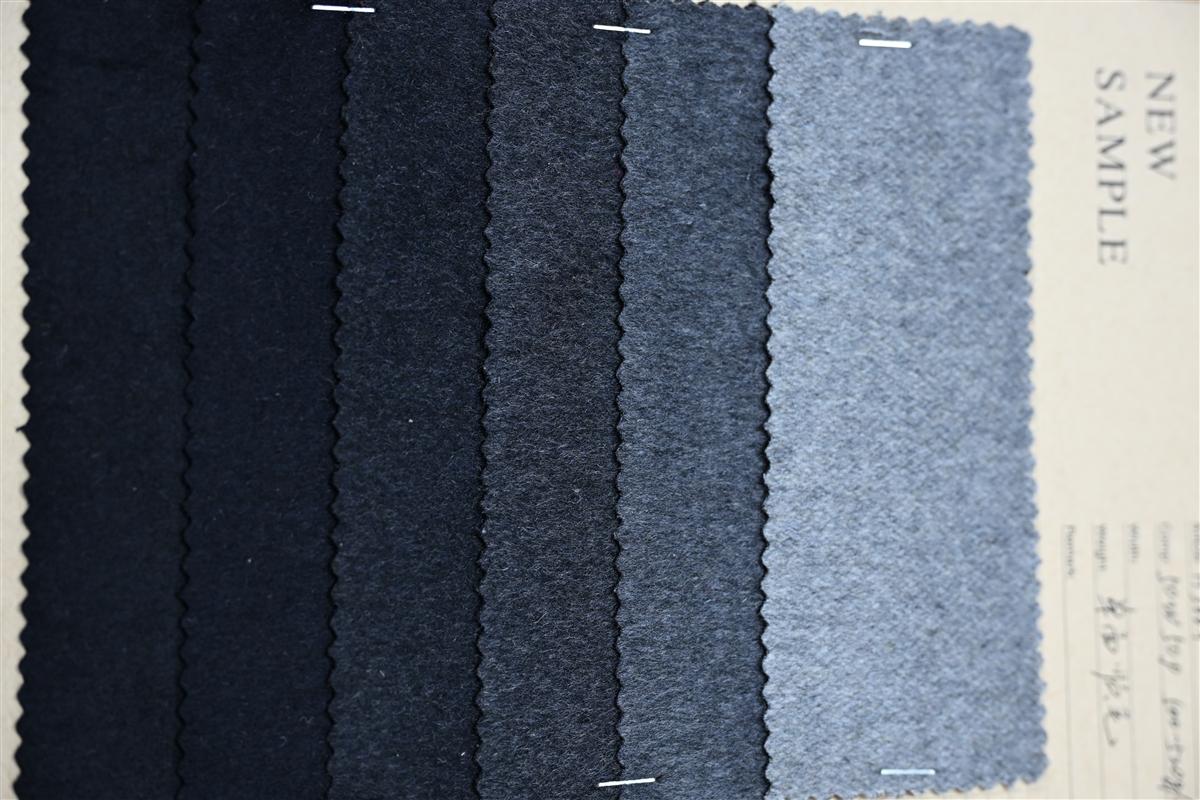
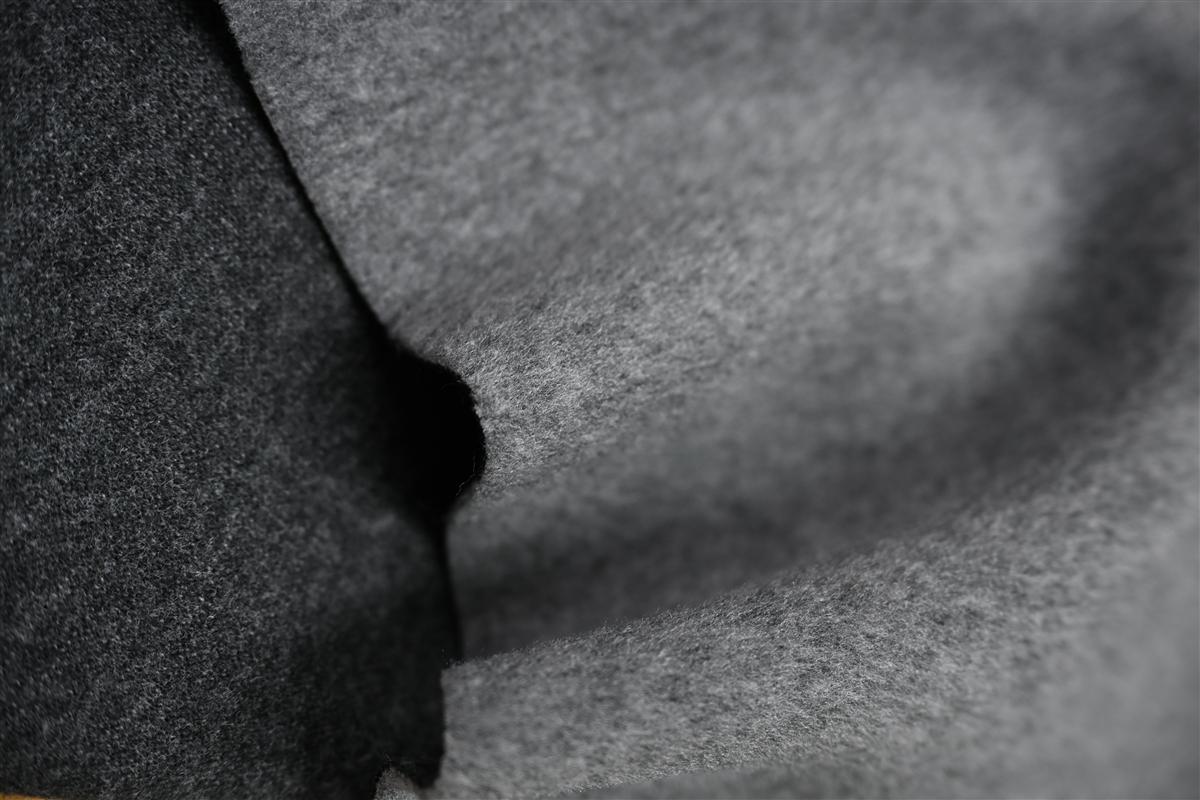
An overcoat reads mostly by its surface. A subtle herringbone or a plain weave is easier to tailor and pairs with more outfits, while a bold check makes a statement but is harder to repeat. The finish matters too: a slightly structured finish holds shape, while a brushed finish looks softer and more casual. Consider the seasonal use, because a heavier, warmer tweed is right for winter while a mid-weight works through autumn.
For a brand considering switching to a lighter overcoat fabric, our winter coat case study shows how a wool tweed change reduced weight while keeping warmth.
Order a proper overcoat sample
An overcoat is not the place to judge a fabric from a small swatch, because the handle and drape only read at a larger scale. Order a full-yard sample and hang it, so you can see the fall and the weight. Tailor a small trial panel if you can, because the sewing behaviour is the real test.
Also compare a merino versus regular wool tweed before you commit, since the fibre choice affects both cost and comfort.
Video: tweed fabric trends from the Fursone mill
FAQ
What weight tweed is best for an overcoat?
A mid-to-heavy weight wool tweed is right for a structured overcoat, holding the silhouette without becoming rigid. Choose a lighter weave for a soft, unlined coat.
Why does the wool percentage matter for an overcoat?
Higher wool gives more warmth, better drape and a more luxurious feel, while a polyester blend adds durability and resists creasing at a lower cost. A premium overcoat usually favours a higher wool percentage.
Related reading: stretch tweed tailoring give

Related Insights
Before They Weave More Boucle, Make the Mill Show the Yarn That Is Running
If the sample held its yarns and the bulk cloth is dropping loose yarns across...

RWS Explained: Responsible Wool in Tweed, from Certificates to Claims
The Responsible Wool Standard (RWS) is the wool industry’s most widely recognized animal welfare and...

Recycled Wool vs Virgin Wool Tweed: Hand, Price and Claims Compared
Recycled wool tweed has moved from niche to mainstream rack presence, and buyers now weigh...