
Upholstery Tweed vs Clothing Tweed: Key Differences
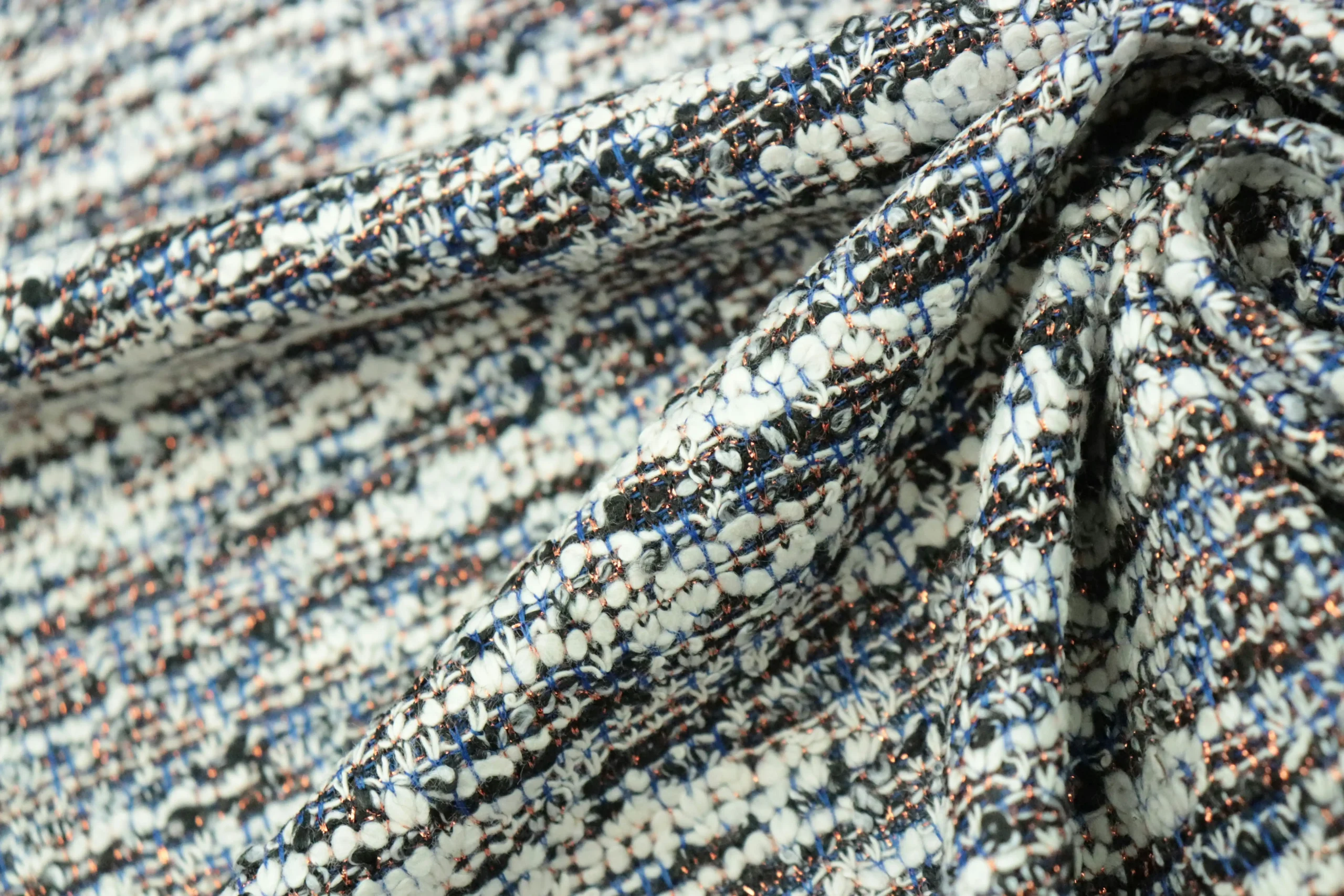
Tweed is tweed, until you sit on it. A fabric that works beautifully as a jacket can pill, snag and wear thin on a sofa within months, because upholstery and apparel are two different engineering problems. The weave density, the abrasion rating, the finish and the weight all separate them. Fursone weaves both, so here is how to tell them apart.
Abrasion is the headline difference
Upholstery fabric has to survive knees, elbows and decades of daily use, and that is measured with a Martindale abrasion test. A contract-grade seating fabric is usually rated in the tens of thousands of cycles, while a garment fabric is never judged on that scale. ASTM D4966 is the standard method behind the test. ASTM publishes these abrasion and performance standards.
Weave density and weight
Upholstery tweed is woven denser and heavier, often well above 400 GSM, to hold its shape and resist wear. Clothing tweed tends to sit lighter, around 300-400 GSM, so it drapes and moves. The same tactile wool can be woven at very different densities for different ends, which is why two fabrics that look alike can perform completely differently.
Finish and backing
Upholstery tweed is often finished, coated or backed to add stability and to resist pilling and snagging, and a backing or coating can add another 50-100 GSM of weight. Clothing tweed is finished for softness and movement. A stabilising backing is exactly what you do not want on a tailored jacket, and a soft finish is exactly what you do not want under constant abrasion. That is the practical line between the two.
Can you swap them?
You can, but you are trading longevity. Use a clothing tweed on a sofa and it will pill and thin within 6 months of daily use. Use a heavy upholstery tweed for a jacket and it will feel stiff and heavy. There are blended crosses, but they are made for a purpose. If you are designing for contract seating or a heavy-use piece, spec an upholstery-grade fabric and confirm its Martindale rating before you buy.
What to ask the mill
Ask for the weight, the weave density, the Martindale rating and the finish. Tell the mill whether the fabric is for seating or for garments, because a mill weaves to the use. At Fursone, our chanel-style tweed range is built for garments, and if you need a heavier seating option we can advise on the right construction. We hold a 100M stock that ships in days with no minimum, and custom runs from a 300M MOQ.
The abrasion and pilling question is covered in more depth in tweed upholstery Martindale and fire safety and upholstery tweed for clothing. For a wider material view, start with tweed vs wool.
Video: hidden craftsmanship in tweed
FAQ
Can I use clothing tweed for upholstery?
Only for light decorative use. A clothing tweed lacks the Martindale rating and density to survive constant abrasion, so it will pill and wear thin quickly on seating.
What makes upholstery tweed different?
Higher Martindale abrasion resistance, a denser and heavier weave (often well over 400 GSM), and a more stable or backed finish. These make it hold up to daily wear.
How do I know if tweed is upholstery grade?
Ask the mill for the weight, weave density, Martindale rating and finish. If the fabric is meant for seating, the mill will confirm a high abrasion grade.
Related reading: stretch tweed tailoring give

Related Insights
Before They Weave More Boucle, Make the Mill Show the Yarn That Is Running
If the sample held its yarns and the bulk cloth is dropping loose yarns across...

RWS Explained: Responsible Wool in Tweed, from Certificates to Claims
The Responsible Wool Standard (RWS) is the wool industry’s most widely recognized animal welfare and...

Recycled Wool vs Virgin Wool Tweed: Hand, Price and Claims Compared
Recycled wool tweed has moved from niche to mainstream rack presence, and buyers now weigh...