
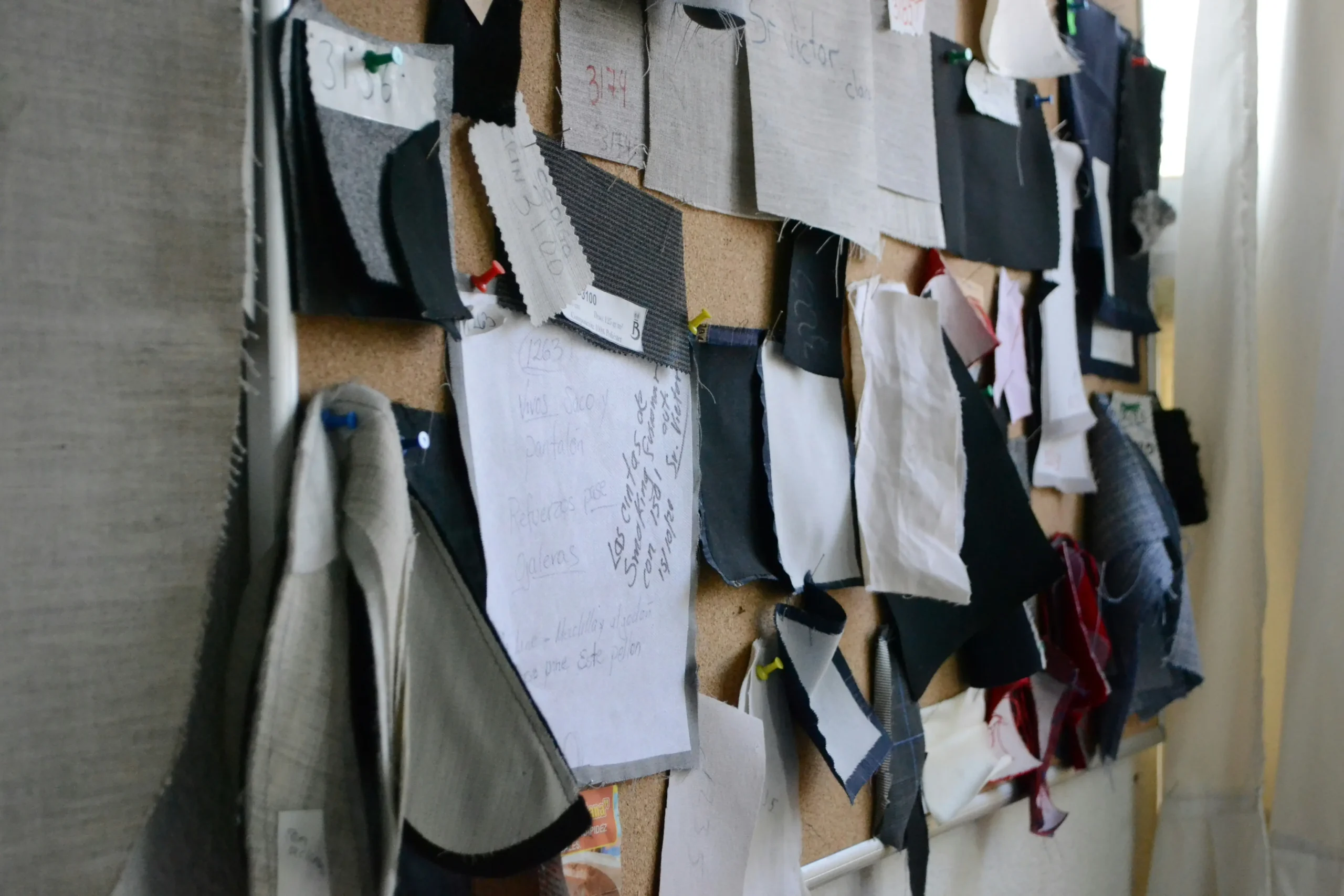
upholstery tweed fabric for clothing is the first checkpoint buyers should lock before they approve a supplier, budget, or production slot. I have seen the checklist. FOB pricing confirmed, sample approval signed off, lead time locked, quality tolerance agreed. On paper, the $50K tweed order looked bulletproof. Then the production run arrived, and the jacket stood up on the cutting table like a sofa cushion. The pre-production sample had passed every visual check, but nobody had run the one test that separates upholstery tweed fabric for clothing from furniture-grade material: a simple weight check on a 10cm square. That is how a designer burns through budget, pattern pieces, and tailoring labor in one shot.
The problem is not that decor shops mislabel their rolls. It is that wool content looks identical on a phone screen, and most sourcing guides only talk about durability and fashion projects. None of them give a measurable threshold to reject a roll before it hits the cutting table. So here is the pragmatic fix: five field tests that take ten minutes and tell you whether that tweed is meant for a Chesterfield sofa or a tailored shoulder. The analysis walks through each one, starting with the weight number that never lies.
Upholstery Tweed vs Apparel Tweed: The Physical Difference
The difference is measurable: weight, end count, and finishing separate a jacket from a sofa cushion.
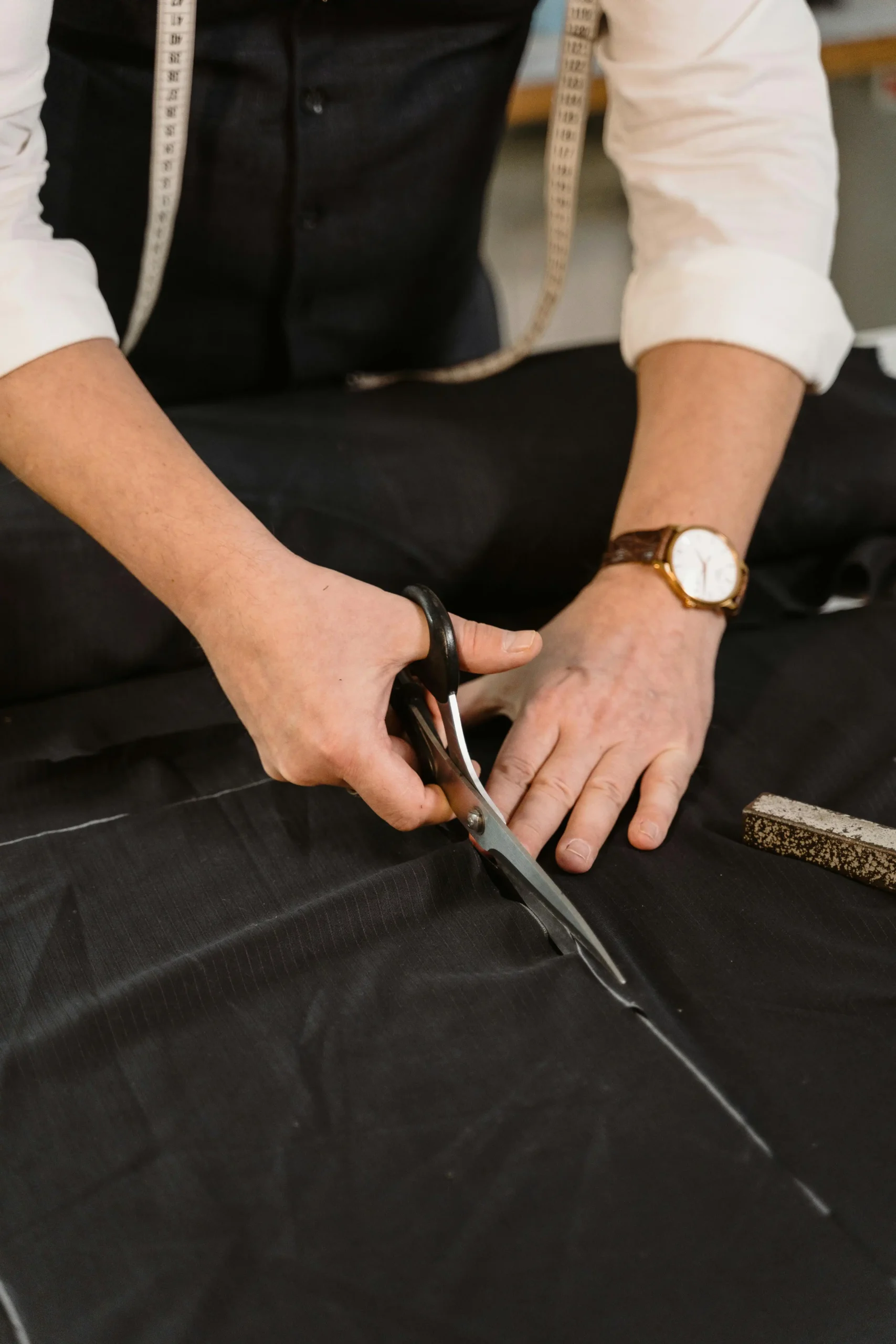
A designer sourced what was thought to be the perfect Chanel-style tweed from a decor shop. The fabric looked right on the roll — same wool blend, same bouclé texture. The designer cut a jacket for a spring collection. The shoulders stood stiff, the lapels refused to roll, and the garment hung like a board. The fabric was upholstery-grade, sold under the same generic ‘tweed’ label. This happens every month because the physical differences are invisible on a phone screen.
Weight: 500 gsm vs 280–450 gsm
Upholstery tweed typically lands between 500 and 900 gsm. Apparel tweed should stay in the 280–450 gsm range. A tailored shoulder or lapel cannot support upholstery weight without collapsing or looking bulky. The quick field test: cut a 10×10 cm swatch and weigh it on a jeweler’s scale. If it exceeds 4.5 grams, that fabric is engineered for abrasion resistance, not body movement.
Weave Density and End Count
End count controls how tightly yarns are packed per centimeter. Upholstery weaves run dense — often exceeding 30 ends/cm with heavy yarns — to achieve Martindale ratings above 20,000 rubs. Clothing-grade tweed needs controlled warp density so the fabric holds shape but still drapes around the torso. Our partner mills in Wenzhou caps warp density at 30 ends/cm specifically to preserve drape while maintaining tailoring structure.
Finishing: Scotchgard vs Garment-Washed
Upholstery tweed receives flame-retardant coatings and moisture-resistant treatments that create a stiff, scratchy hand feel — necessary for furniture that must pass flammability codes but disastrous for a jacket lining against skin. Apparel tweed is wet-finished to soften yarns and relax the weave. That wet-finishing step is what creates the luxury drape designers expect from heritage fabrics like traditional Harris Tweed.
The 5-Point Field Test for Clothing-Grade Tweed
Wool content does not make fabric apparel-ready.
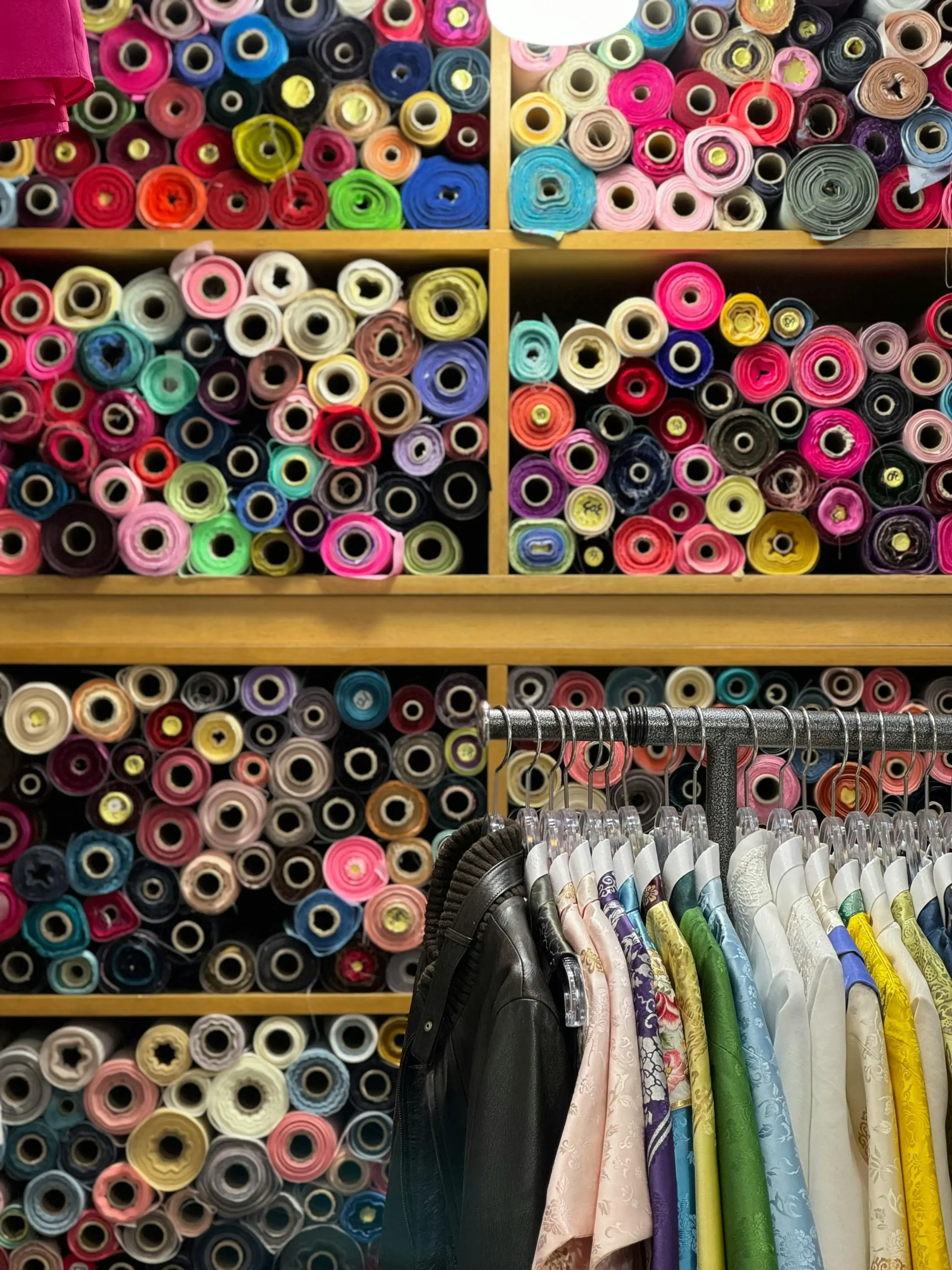
You can skip a textile lab. These five physical tests take under 15 minutes and give you a pass/fail verdict on any tweed roll. Run them on every swatch before you commit to sampling or production.
Test 1: The 10cm Weight Test
Cut a 10×10cm square from the roll and weigh it on a jeweler’s scale. Apparel-grade tweed targets 280–450 gsm, so that square should weigh no more than 4.5g. If it hits 5g or above, the fabric is upholstery-grade at 500+ gsm and will turn your jacket into a board.
Test 2: The 4-Layer Needle Test
Stack four layers of the tweed and sew with a standard 90/14 universal needle at medium speed. An apparel weave passes through cleanly with no skipped stitches or deflection. Upholstery tweed will either bend the needle, snap it, or produce uneven tension because the warp density is too high for garment machinery.
Test 3: The Crease Recovery Fold Test
Fold a 20cm square in half, press firmly for 30 seconds, then release. If the fabric springs flat immediately, it has an abrasion-resistant finish meant for furniture — not clothing. Garment-grade tweed holds a soft, gradual crease that indicates wet finishing has relaxed the weave.
Test 4: The Fingernail Float Test
Run your fingernail across the face of the fabric against the weave direction. You are checking for two failure signals: long bouclé floats that snag (loose construction) or a scratchy surface that resists your nail (stiff FR coating). Both mean this fabric was engineered for durability, not drape.
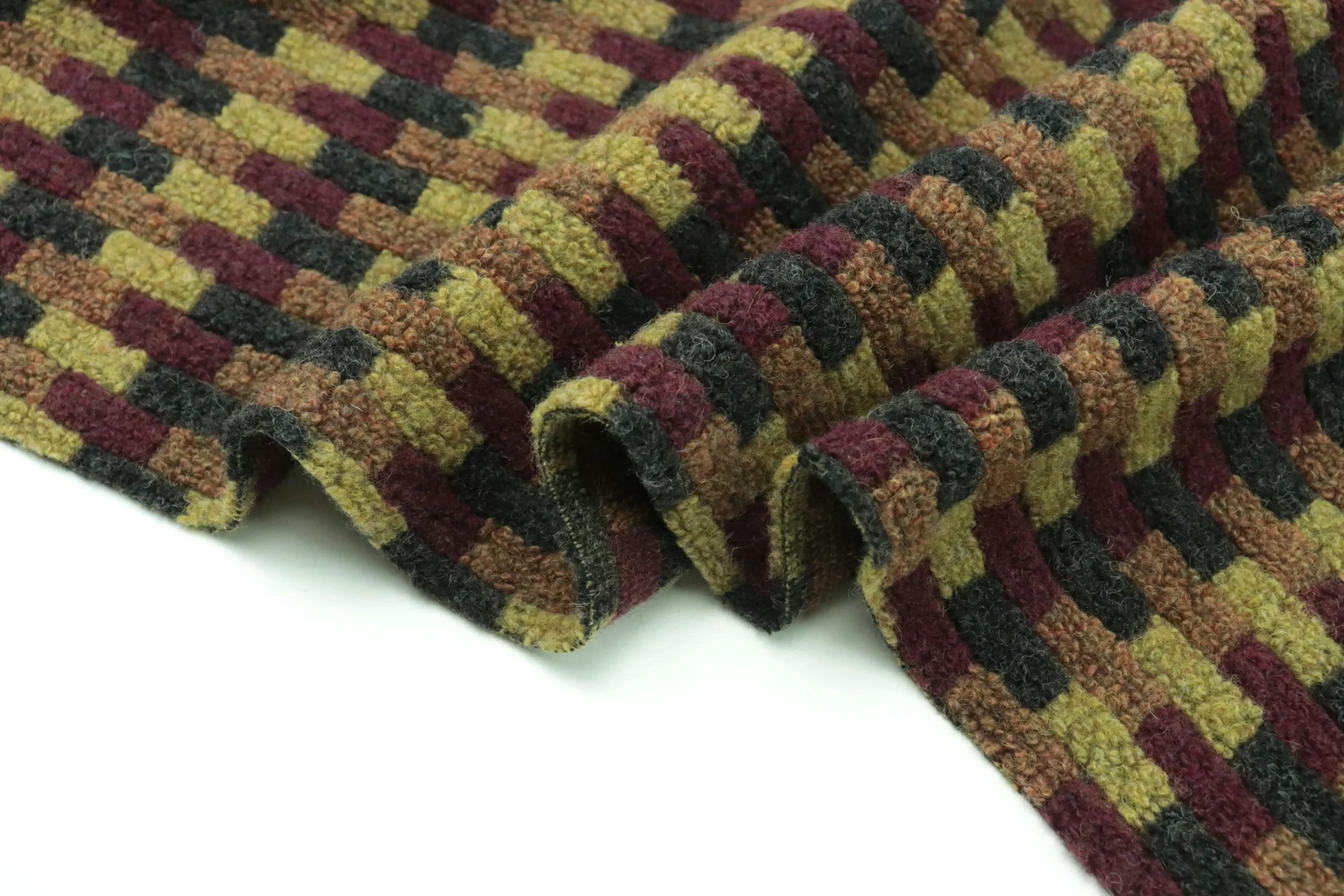
Why Designers End Up with Upholstery Tweed and How the Mill Fixes It
Wool content doesn’t make tweed apparel-grade.
Every month, designers send us jackets that cannot hang properly because the fabric is upholstery-grade. The roll looked beautiful on a decor shop shelf or a trade site listing, but once cut and sewn, the jacket stands stiff like a cushion. The problem is not wool content — both upholstery and apparel tweed use wool. The difference is warp density and wet finishing.
The Reddit Reality: Mislabeled Tweed
Read r/sewing threads and you will see designers trying to source Chanel-style tweed from decor shops, only to end up with furniture-weight panels that cannot drape. Decor stores and trade shops mix upholstery and apparel fabrics under the same ‘tweed’ label because both use wool visually identical on a phone screen. That is how a beautiful roll becomes a wasted $50K order.
Warp Density Cap: 30 Ends/cm
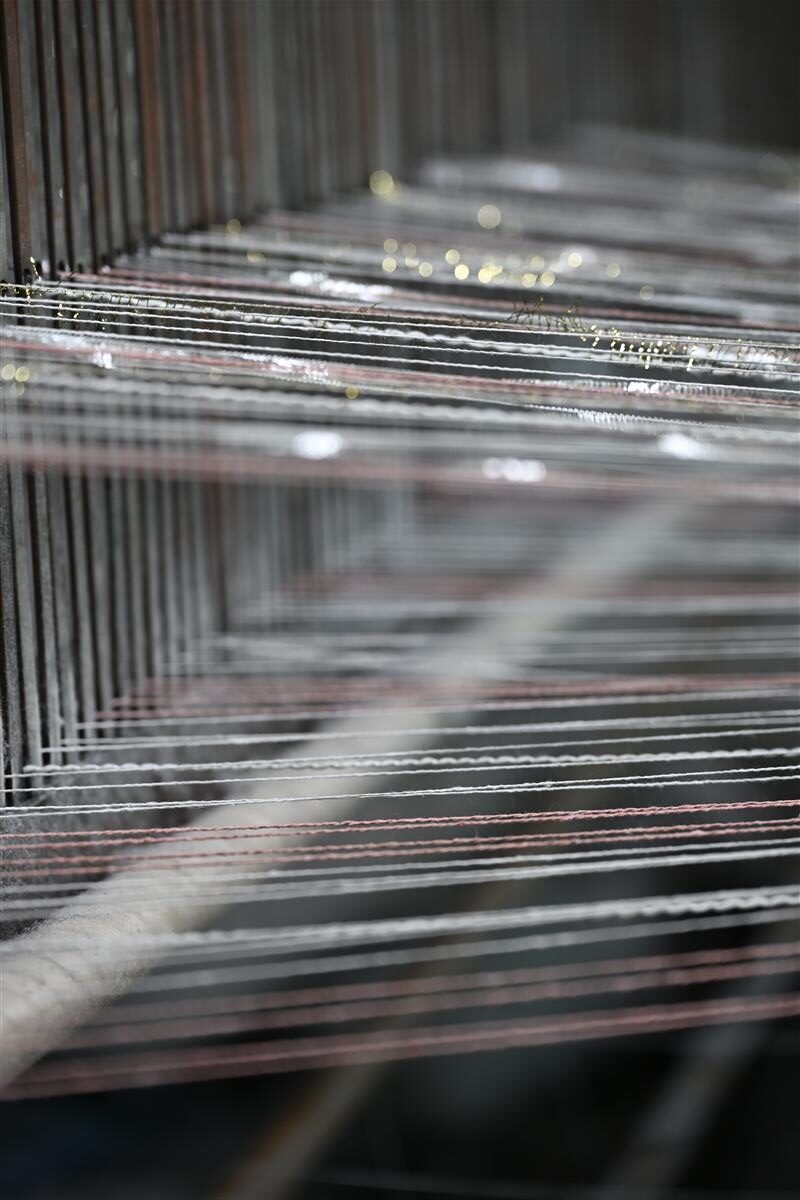
Our partner mills in Wenzhou caps warp density at 30 ends/cm for all garment-grade tweeds. That cap keeps the weave tight enough for shape memory in tailored shoulders but loose enough to follow body movement. Upholstery tweed often runs denser weaves with heavy yarns, which creates the board-like stiffness that fails the 4.5g weight test and breaks a 90/14 needle on four layers.
Wet Finishing for Garment Drape
We wet-finish every apparel tweed to soften the hand and remove the board-like stiffness typical of furniture fabrics. Upholstery tweed is treated with flame-retardant chemicals and moisture-resistant coatings — those finishes create scratchy surfaces that irritate skin under a collar. Wet finishing relaxes the yarn structure so the fabric passes both the crease recovery test (soft gradual fold) and the fingernail float test (no stiff finish). That is why our stock tweeds pass every field test without breaking.
Start With 100m Stock or Build a 300m Custom Program
Buyers can start with 100m of ready-stock tweed for sampling and capsule collections — shipped in 3–7 days — then move to a 300m custom MOQ for an exclusive weave with proprietary yarn spinning. Both options keep the same garment-grade standard because we control spinning, weaving, and finishing in-house. You get direct-mill pricing at 30–50% below European mills without sacrificing drape or colorfastness.
What to Look for in a Clothing-Grade Tweed Supplier
Specs, not swatches, protect your collection.
Fabric sourcing for luxury menswear should start with a spec sheet, not a photo. A beautiful tweed roll can look like the real thing, but if the supplier cannot give you six measurable data points, treat the fabric as decor-grade until proven otherwise. Designers have committed to 500m of what looked like Chanel-style bouclé only to discover the gsm was 680 and the jacket stood up on its own. That is a $50K mistake that could have been caught with a three-minute email.
Checklist: 6 Specs to Demand From Any Supplier
- GSM (grams per square meter): Apparel tweed must fall between 280 and 450 gsm. Anything above means upholstery construction. Ask for the exact number per production lot, not a range.
- Warp end count (ends/cm): A mill that caps warp density at 30 ends/cm produces fabric that holds shape without stiffness. Higher counts signal furniture-grade weave that will not drape across a shoulder.
- Yarn count and twist: Bouclé and slub yarns need controlled twist to prevent pilling after 20 wears. Request the yarn count in Nm or Ne and confirm twist direction matches your finishing requirements.
- Pilling grade (Martindale or random tumble): Apparel tweed should test around 10,000 Martindale rubs ; upholstery tweed hits 20,000+ but sacrifices hand-feel. Ask for the pilling rating after 5 wash cycles.
- Finish type (wet-finished vs FR-coated): Wet finishing softens yarns and relaxes weave , creating garment drape. Flame-retardant coatings produce a stiff hand that belongs on furniture, not on a jacket lining.
- Shrinkage and wash data: Demand pre-shrunk yardage with less than 3% residual shrinkage . Without this data, your tailored panels can distort after first dry cleaning.
Conclusion
- A 10×10cm swatch above 4.5g is upholstery-grade.
- A standard 90/14 needle sews apparel tweed cleanly at four layers.
- Wet finishing, not wool content, creates garment-grade drape.
Before you commit to bulk production, take fifteen minutes to run these five tests on any sample roll. Then request the factory-direct apparel tweed options to see the industry benchmark—280–450 gsm garment-grade standard shipped from the Wenzhou mill with a capped warp density of thirty ends per centimeter and wet finishing that passes every field test in this guide.
Frequently Asked Questions
Can I use upholstery fabric for clothes?
Only for costume pieces that need extreme stiffness; it is unsuitable for tailored jackets due to weight and poor drape. Upholstery tweed weighs 500–900 gsm, which will collapse a jacket shoulder. Stick to apparel-grade tweed for any garment that needs to move.
What is the difference between upholstery and clothing fabric?
Upholstery weighs 500–900 gsm, has a dense weave and FR finish; clothing tweed is 280–450 gsm with a softer drape. The end count and wet finishing also differ—upholstery is built for abrasion, not body. Check the GSM and finish type before ordering.
How can you tell if fabric is upholstery or apparel?
Run the 10cm weight test and the 90/14 needle test, and ask the supplier for end count and finish type. If a 10cm square weighs more than 4.5g, it is upholstery-grade. Use these tests before cutting into your pattern.
Is tweed good for a jacket?
Yes, if it is apparel-grade tweed from a mill that controls yarn spinning and finishing. Clothing-grade tweed is 280–450 gsm with proper drape and wet finishing for tailored movement. Verify the GSM and end count with your supplier.
Why is upholstery tweed so stiff?
It is woven and coated for abrasion resistance, not for body movement. The dense weave and FR finish lock the fabric into a rigid structure that cannot drape on a jacket. Choose apparel-grade tweed for any garment that needs to move.
For the construction-level detail, see our tweed upholstery testing case study.
Related Insights

Fabric Width and Selvedge Lines: Planning Cutting Efficiency Before You Order Tweed
Buyers compare tweed by weight, color and price, and then discover at the cutting table...
Reading Fabric Selvedge: Markings, Width and Quality Signals
The selvedge, the finished edge running along both sides of a fabric roll, is the...

Yarn Counts in Tweed: What 2/8 NM Means for Hand, Weight and Cost
Ask three suppliers to quote “a 400 gsm tweed for overcoats” and you will often...