
Fabric MOQ vs Cost: Ordering at the Right Size
The order size decides the price. A mill quotes a different number per meter for 300 meters than it does for 3,000, and the difference is not greed: setup, dye lots and yarn commitments are real costs that get spread over whatever you buy. Buy too little and every meter carries a heavier share of those fixed costs. Buy too much and the savings die in your warehouse. The trade-off below is the one we run at Fursone, from the mill side of the table.

What MOQ actually changes in your cost
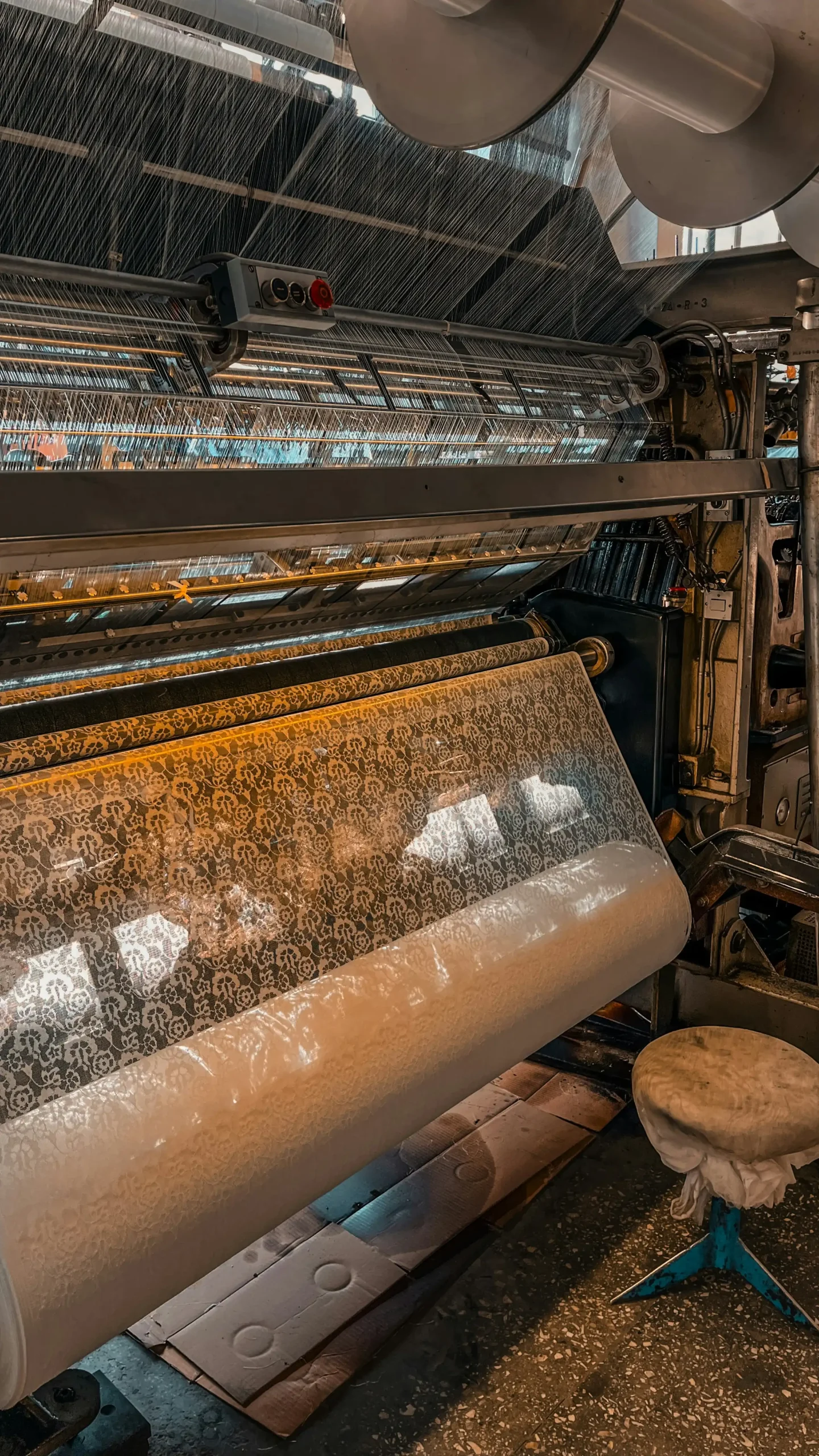
A minimum order quantity exists because a production run has a floor. Yarn is bought by the lot, dye baths are filled by the kettle, and changing weight, color or composition means stopping the line and setting it again. Below the floor, the setup cost lands on too few meters and either the mill loses money or the price per meter stops making sense. Our custom MOQ is 300 meters per design because that is the point where a bespoke spec covers its own setup. With 300+ looms running, a shorter run would price the same fabric far higher per meter, not slightly higher.
Stock fabric: meter pricing with no minimum
Stock flips the equation. The setup is already paid, so you buy by the meter with no minimum, and the price per meter is the mill’s best number. Our 100m ready stock ships in 3 to 7 days with no minimum order, which is why small brands use it for first runs and reorders. The trade is choice: fixed colors, fixed weights, fixed composition. If your collection can live inside what is on the shelf, ready stock fabric is the cheapest route to sellable goods, and it is the route we point new buyers to first.
Custom runs: why the 300-meter minimum exists
A custom spec buys you exclusivity: your weight, your Pantone, your composition, woven to order. The 300-meter minimum is what keeps that exclusivity affordable, because the dye lot and the changeover are amortized across the run. Sampling runs on a separate clock: our sampling turnaround is 7 days against an industry norm closer to 6 weeks, so you can validate the spec before you commit the 300 meters. The full mechanics are in custom fabric development MOQ.
Sizing the order: the 500-meter problem
Most small brands do not need 300 meters of one fabric, they need 300 to 500 meters of something good. Three ways to play it. First, mix stock: two or three 100m+ stock picks can cover a capsule without any custom exposure. Second, split the difference: a custom base fabric at 300 meters plus stock accents often beats a fully custom line on total spend. Third, if you do import custom quantities, remember freight and duties scale with the shipment, so value the goods correctly and check the CBP basic import guidance before you book. We break down a real 500-meter budget in custom vs stock fabric cost.
Negotiating MOQ without distorting the price
MOQ negotiation works when it addresses the mill’s real constraint. Cutting the minimum in half while demanding the same price just moves the cost somewhere you will find it later, in the price, the hand feel or the QC. What actually moves numbers: stepping price tiers by quantity, specing custom color on a stock base so the yarn lot is shared, or booking two designs in one dye window. Our pricing runs about 30 to 50% under European mills for comparable quality, which leaves room for honest tiers instead of artificial minimums. Before you negotiate anywhere, read what MOQ means for small brands and compare quotes on more than price.
Video: tweed trends from our mill
FAQ
How many meters should I order to get the best fabric price?
Price per meter drops in steps, not smoothly. For stock fabric, order what you can sell, since there is no minimum. For custom fabric, 300 meters is the level where a bespoke spec covers its own setup and the per-meter price stabilizes.
Is stock fabric cheaper than custom fabric?
Per meter, yes, because the setup cost is already absorbed. Stock also carries no minimum and ships in 3 to 7 days. Custom costs more but delivers your exact weight, color and composition, which stock cannot.
Can I negotiate a fabric MOQ?
You can negotiate structure, not just the number. Quantity-based price tiers, custom color on a shared stock base, or combining two designs in one production window all lower your entry point without breaking the mill’s cost floor.
Related reading: sample vs bulk fabric pricing

Related Insights

Why Tweed Fabric Prices Move: Wool Auctions, Dye Lots and Mill Capacity
Buyers who quote a tweed program in March and reorder in October are sometimes surprised...

Pros and Cons of Buying Fabric in Bulk: Price Gains Against Real Risks
Buying fabric in bulk cuts unit price, but the discount is a payment for taking...

The Real Landed Cost of Fabric from China
The invoice price of fabric from China is where buyers start and where the misunderstandings...