
Knitted Overcoat Fabric: Warmth and Structure
A knitted overcoat is not a woven tweed, and it should not be treated like one. It is warmer, softer and more forgiving on the body, but it also has a different structure that needs to be understood. If you are planning an outerwear range, here is what determines whether a knitted overcoat fabric keeps its shape and its warmth.
How a knit is different from a woven
A woven fabric is interlaced at right angles, which gives it a rigid cross and a sharp edge. A knit is made from loops that stretch and move, which gives it softness and comfort but also a tendency to lose structure. For an overcoat you need to compensate for that: a denser gauge, a heavier weight, or a structured finish so the garment does not sag at the shoulder or bag at the elbow.
Warmth comes from the loops trapping air
A knit traps air inside its loops, which is the source of its warmth. The denser and thicker the knit, the more air it holds. That is why a chunky knit coat feels much warmer than a thin one. The warmth you want decides the weight: a lighter knit works as a transitional coat, while a heavy gauge suits a deep winter piece. Our knit gauge guide explains how gauge maps to weight and warmth.
Structure is the trade-off you have to solve
The harder a knit works at warmth, the more it needs a fix for structure. A big, loose knit is warm but shapeless. To get a structured overcoat you need a denser fabric, a tighter stitch or a heavier yarn, and you may need a lining or a binding to hold the edge. Ask the mill how they control the structure so the coat keeps a clean line rather than stretching out.
Weight and drape for a coat body
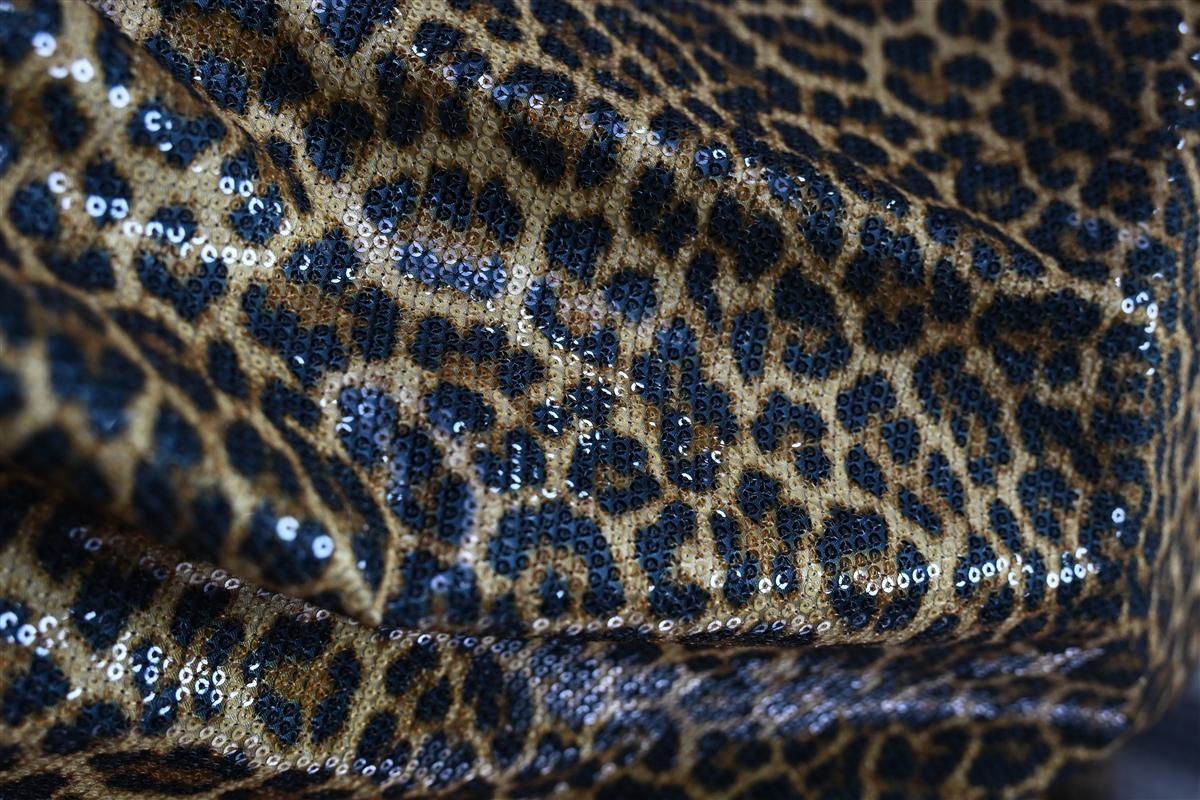
Choose the weight based on how you want the coat to sit. A stiffer knit drapes in a more structured A-line shape; a softer knit drapes closer to the body and moves more. If you want a tailored overcoat that holds its shape, go to the heavier, denser end; if you want a relaxed, slouchy coat, a lighter knit is fine. The mill should give you a weight range rather than a single point.
Finish controls the look
A brushed or loop-back finish on the inside adds warmth and softness against the body, while a clean face finish gives a neater, more tailored appearance. Both are valid; the choice affects how the coat reads and feels. For a luxury overcoat you often want a premium finish on both sides. Ask the mill which finishes they can run on the knit.
The quality of the yarn itself matters too. A smoother, longer-fibre yarn gives a finer face and better pill resistance, while a shorter staple pills and fuzzes. This is one reason certification matters, and standards like OEKO-TEX help verify the yarn is free from harmful substances.
Compare knit constructions for your range
Not all knits behave the same. A jacquard knit gives a patterned, structured body; a cable knit gives a heritage, textured look; a plain knit is smoother and cleaner. If you are planning a range, mixing constructions gives you options. Our jacquard vs cable knit comparison is a good place to start.
Sample and test before you scale
Like every fabric, a knitted overcoat needs a real sample before bulk. Sew a coat body, check the shoulder and the sleeve, and see how it holds after wear. Knits behave differently from wovens at a seam, so this step is essential. Look at our yarn storage and conditioning guide to understand how knit quality is protected before you commit.
Fursone produces knit overcoat fabric with custom weight, colour and composition, and we support knitted overcoat production for designer brands, garment factories and fabric wholesalers who need warmth and structure in balance.
Video: fabric-to-garment effect
FAQ
Is knitted fabric warm enough for a coat?
Yes, and it traps air in the loops, which is the source of its warmth. A denser, heavier knit holds more air and is warmer, so choose the weight based on how cold the wearer will be.
How do I keep a knitted overcoat from losing structure?
Use a denser gauge, a heavier yarn and a structured finish, and consider a lining or binding to hold the edge. Test with a made-up coat body before bulk.
Related reading: cable knit outerwear two season program
Related Insights

Reading Knit Gauge: What 7gg, 12gg and 14gg Mean for Sweater Programs
Gauge numbers appear on every sweater knit quotation, 7gg, 12gg, 14gg, and too many buyers...

Moisture-Wicking Knits: Sources, Test Methods and Durability
Moisture-wicking is one of the most quoted claims in knitwear and activewear sourcing, and one...

Does Knit Fabric Shrink After Washing? Relaxation, Felting and What to Specify
Yes, knit fabric shrinks after washing, and the question is never whether but how much...