
Yes, knit fabric shrinks after washing, and the question is never whether but how much and in which direction. A single jersey in unstabilized cotton can lose 5 to 8 percent in length on the first wash, while a properly heat-set interlock loses 2 to 3 percent and holds it. Shrinkage is not a defect of the yarn; it is stored energy in the structure, released by water, heat and agitation. Buyers who treat shrinkage as a spec line with a test method behind it avoid the classic post-production disaster: garments that fit on the cutting table and come back from the consumer wash one size smaller.
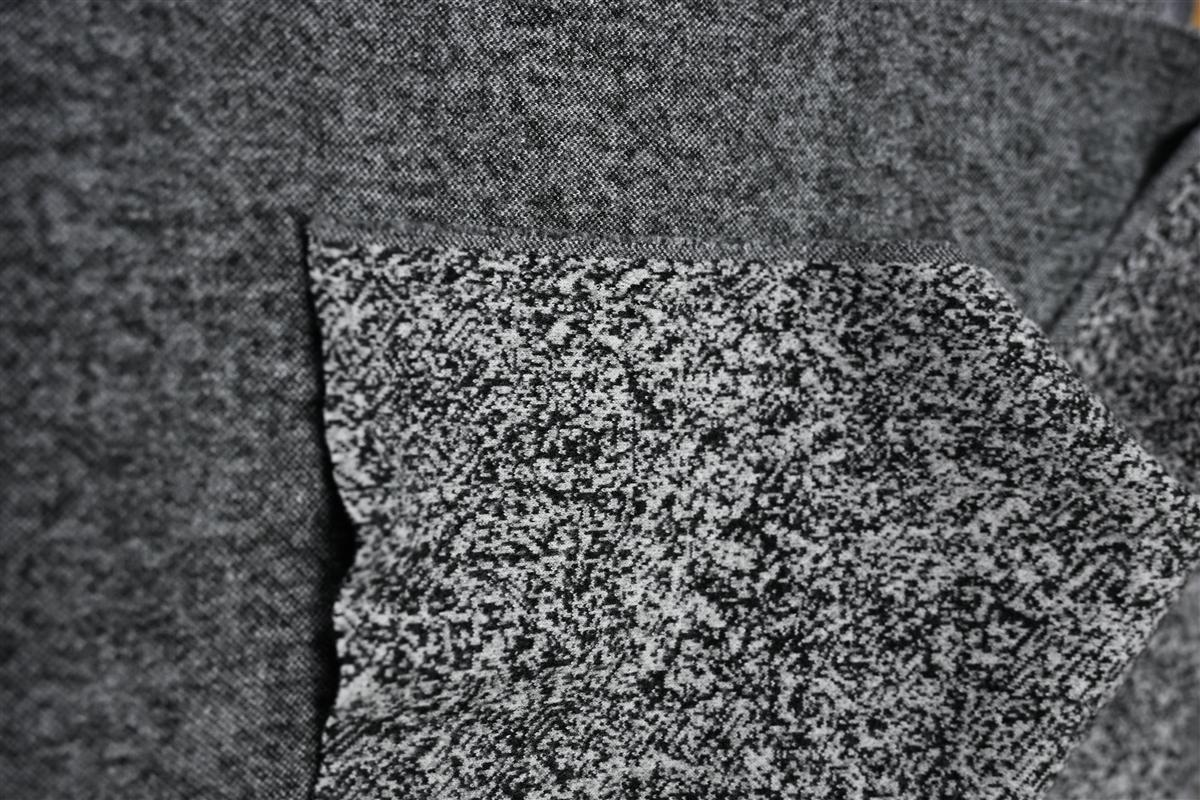
Why Knits Shrink: Relaxation, Felting and Destortion
Three mechanisms drive knit shrinkage. Relaxation shrinkage is the big one: loops formed under tension on the machine want to return to a relaxed geometry, and the first wet cycle lets them, which is why length loss concentrates in the first one or two washes. Felting shrinkage affects animal fibers: wool scales interlock under heat, moisture and agitation, progressively matting the fabric, which is why wool knits carry hand-wash or machine-wash care limits. Swelling is the third: cotton fibers absorb water and swell, temporarily changing loop geometry, most of which recovers on drying. The wool fiber’s scale structure behind felting is documented by the International Wool Textile Organisation, the industry body for wool standards and test methods.
Direction Matters: Length First, Width Second
Knits rarely shrink isotropically. Single jersey shrinks most along the length because loops are formed stretched vertically; width may stay flat or even grow slightly as loops relax sideways. Interlock, with two locked loop faces, moves less in both directions. Rib structures sit between. For a garment engineer this changes the marker: a 4 percent length loss on a 60 cm body panel is 2.4 cm, a visible fit failure, while the same 4 percent across width barely registers. The structural differences behind this behavior are compared in our single jersey versus interlock guide.

How Mills Control It, and What to Specify
Mills pull the stored energy out before the fabric ships. Compacting (compression with overfeed) on single jersey reduces relaxation shrinkage; heat setting stabilizes synthetics and blends; for wool knits, controlled washing and stenter finishing set the geometry. A buyer spec should name three things: a shrinkage limit (commonly plus or minus 3 to 5 percent after one wash for cotton jerseys, tighter for premium programs), the test method reference, and a pre-shrinkage or compaction requirement for the construction in question. Sampling should measure it, not assume it: wash one sample panel, dry it flat, measure again, and log the numbers. The finishing stage where this stabilization happens is exactly the relaxation window described in our relaxation before cutting guide.
The Wash-Care Loop After Production
Residual shrinkage shows up at the consumer, so the care label is part of the shrinkage spec, not an afterthought. A cotton jersey stabilized to 4 percent at 40 degrees will exceed that limit at 60 degrees with tumble drying; the label must tell the truth about the condition tested. For wool knits, superwash treatments change the felting behavior and the care claim together. When a knit program is quoted, the sampling round should return shrinkage data alongside hand and weight, and the knit sampling timeline shows where the wash test sits among the five sampling stages. For construction options with finished shrinkage data attached, the knit fabric guide lists structures from single jersey to interlock with the specs buyers should expect.

Video: Knit Finishing and Stabilization
FAQ
How much does knit fabric shrink after washing?
Unstabilized cotton single jersey can lose 5-8% in length on the first wash. Compacted and heat-set knits hold 2-4%. The spec should fix the limit and the test condition, not leave it open.
Does knit fabric shrink more in length or width?
Length, usually. Loops are formed under vertical tension, so relaxation pulls length in first; width moves less and sometimes grows slightly in single jersey.
Do wool knits shrink differently?
Yes. Wool felts: scales interlock under heat, moisture and agitation, matting progressively. Care labels and superwash treatments exist to control exactly this.
How do I test shrinkage before bulk?
Wash a sample panel under the exact care-label condition, dry flat, remeasure and log both directions. Repeat a second cycle for programs with tight tolerances.
Related reading: Rib Knit Trims for Cuffs and Waistbands: 1×1, 2×2 and Tubular Compared
Related Insights

Rib Knit Trims for Cuffs and Waistbands: 1×1, 2×2 and Tubular Compared
A cuff that opens up after three wears is almost never a fit problem. It...

Gauge and Machine Diameter in Knit Fabric: Reading a Specification
Two knitting mills can both quote a single jersey at 180 grams and deliver fabric...

Fibre Diameter and Micron: What the Number Means for Next-to-Skin Knitwear
Ask a knitwear buyer what makes a sweater comfortable and the answer usually comes back...