

Key Takeaway
Yarn storage and conditioning affect knit quality through tension, moisture and shrinkage; what to specify and check in a fabric mill audit.
Yarn Storage and Conditioning: Why It Matters for Knit Quality
Fabric defects are often blamed on the loom, but a surprising share start in the yarn store. How yarn is stored and conditioned before it reaches the knitting machine changes tension, moisture, and ultimately whether a batch meets your spec. This guide explains what proper yarn conditioning involves and why it is worth specifying in a supplier audit.
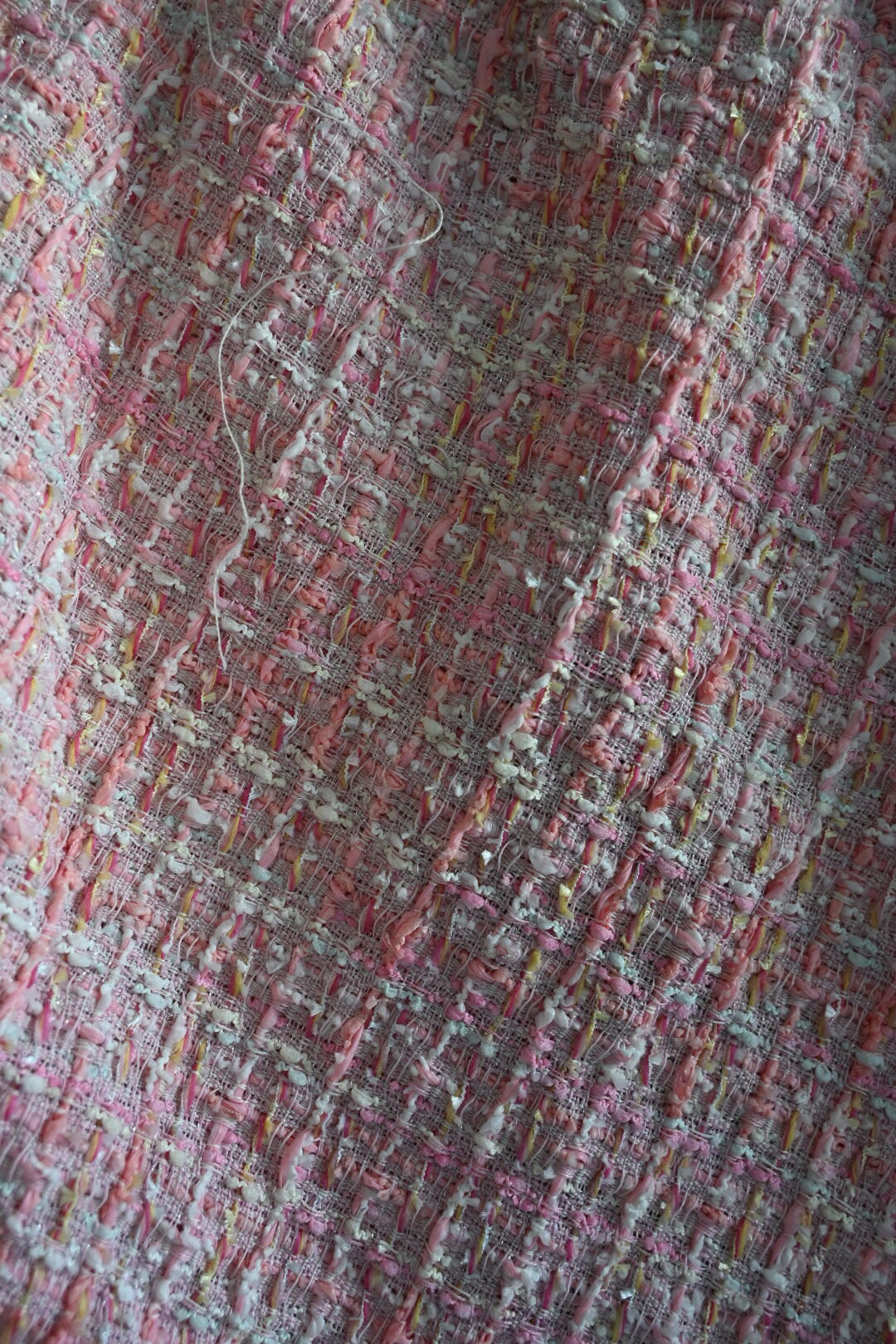
The same batch discipline that governs yarn conditioning is what a trusted knit fabric manufacturer builds on, from yarn to finished knit.
The problem: yarn that sits and drifts
Yarn is hygroscopic, meaning it absorbs and releases moisture with the surrounding air. Left in a dry, warm store it loses moisture and becomes brash; left in a humid one it gains weight and moisture. At the knitting machine, a dry or unevenly conditioned yarn runs at inconsistent tension, which shows up as lengthwise tension marks, spirality, or gauge drift across a batch. Conditioned yarn is the cheapest insurance against all three.
What conditioning actually does
Conditioning is resting yarn at a controlled humidity and temperature so its moisture content stabilises before it is knitted. In practice this means a dedicated yarn store rather than a corner of the workshop. At a vertically integrated mill the yarn stage is where the process can be controlled from the start: the Fursone weave and knit process in Wenzhou has run since 2020 with 300+ looms across our partner mills, and the whole flow runs from yarn to finished fabric under one roof.
Why it matters for shrink and hand
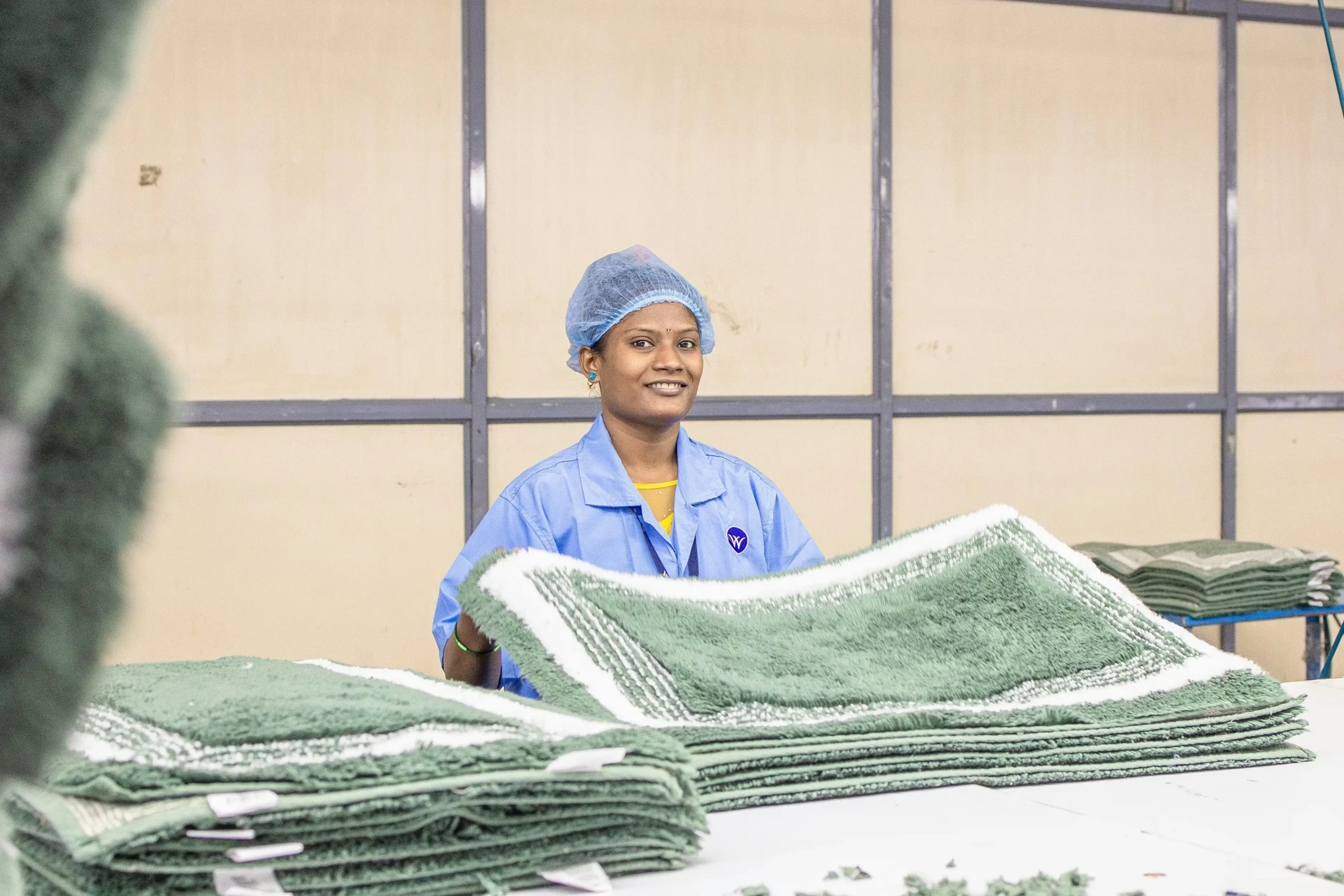
Moisture content at the knitting machine directly changes the finished fabric. Yarn that is over-dry knits tighter and may shrink more after washing; yarn that is over-wet knits looser. This is exactly why shrinkage is a batch-level spec rather than a guess: on Fursone knit fabric, shrinkage is controlled to ≤±3%, and every batch is tested before dispatch.
The test standards behind the spec
Good yarn handling is reinforced by a quality system. Fursone runs batch testing against ISO 12945-2 for pilling, ISO 105-C06 for colour fastness, and ISO 6330 for shrinkage, with OEKO-TEX Standard 100 offered where needed. The ISO 9001 framework behind that discipline is the one to ask about when you audit a supplier, and you can read its basis on the BSI ISO 9001 quality management page.
What to check in a factory audit
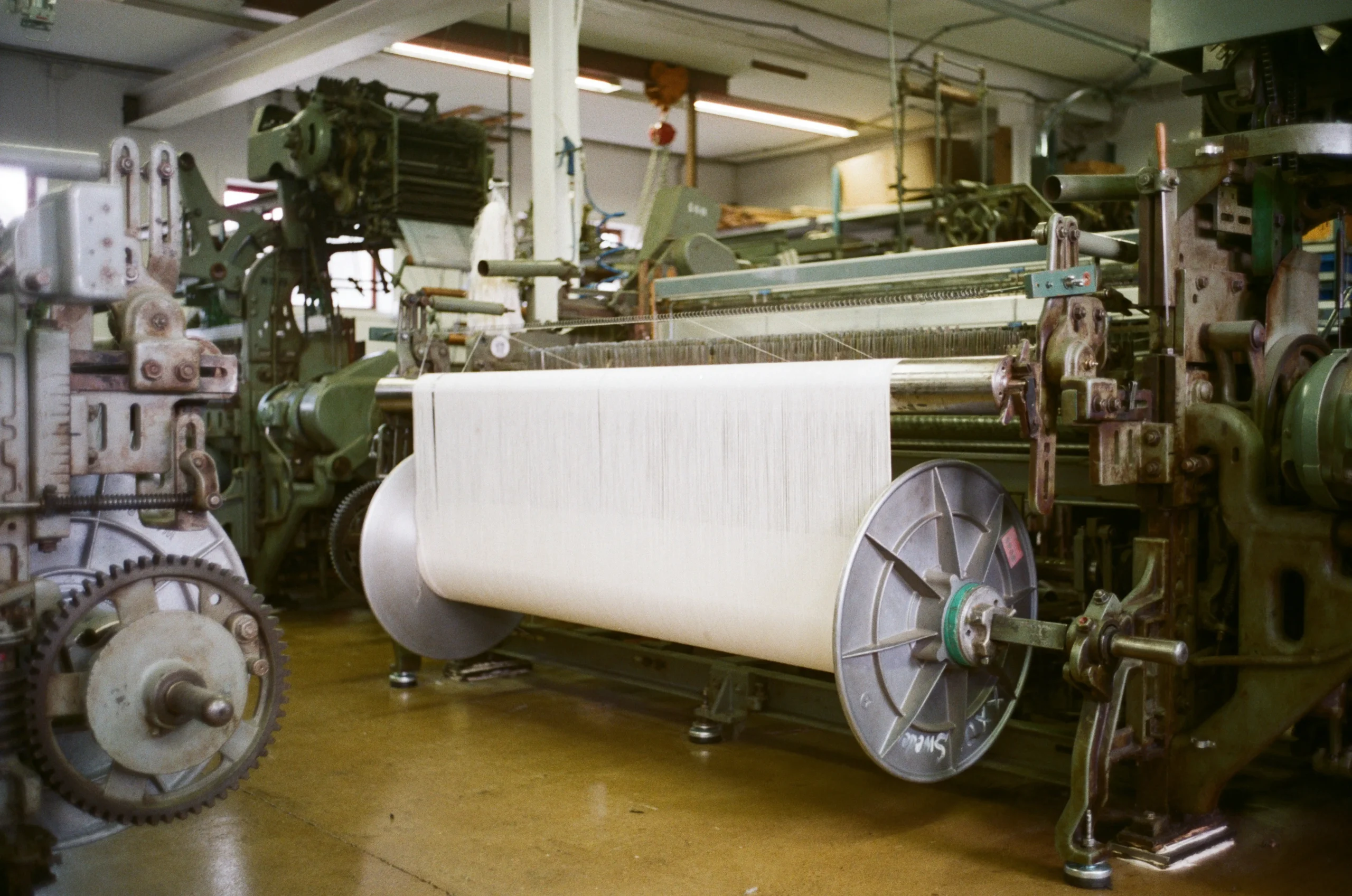
Ask four things when you walk a mill. Is the yarn store climate-controlled and separate from the weaving floor? Is yarn rotated and used within a defined window? Are batch records kept back to the yarn lot? And is a documented test report issued per shipment? A mill that can answer all four clearly is far less likely to ship a batch that fails on the other end.
Cost and lead time context
Conditioning adds a small rest period, but it protects the bulk. From Fursone, knit fabric runs at a custom MOQ of 300 m with 100 m ready stock, hand-loom and panel samples in 7–10 days, and a 95% Pantone match accuracy with 95%+ re-order consistency. The tiny time cost of conditioning is trivial next to a rejected batch.
Want to verify how a mill conditions and tests yarn before you commit? Send Fursone your knit spec and ask for a batch-tested sample plus the ISO test report.
Related reading
Compare the mill’s other fabric routes on the wool fabric manufacturer page and see how sampling is quoted on get a quote.
FAQ
Why does yarn conditioning affect knit quality?
Yarn absorbs and releases moisture, so dry or unevenly conditioned yarn runs at inconsistent tension at the machine, causing tension marks, spirality, or gauge drift across a batch. Conditioned yarn runs more consistently.
How much does shrinkage vary across a knit batch?
On a controlled production line such as Fursone, knit shrinkage is held to ≤±3%, and every batch is tested before dispatch.
What should I check when auditing a yarn store?
Whether it is climate-controlled and separate from the weaving floor, whether yarn is rotated within a defined window, and whether batch records trace back to the yarn lot with a documented test report per shipment.
For a closer look, see our guide on how Martindale and the ICI pilling box differ.

Related Insights
Heat-Set Pleats in Wool Tweed: What Must Be True?
Three conditions must hold before a pleater can set a pleat in wool tweed, and...
Sealed, Singed or Cracked: A Laser Edge on Wool Tweed
A laser edge on wool tweed is a burned edge, not a sheared one, and...

Garment-Washing Bouclé Coats: What to Test Before Bulk
A garment wash on finished bouclé coats is a wet process applied after the cloth...