
Key Takeaway
Compare jacquard and cable knit: how pattern is made, weight, cost, garment fit, and sampling.
Jacquard Knit vs Cable Knit: Pattern Capabilities Compared
Jacquard and cable knit both produce patterned fabric, but they do it in completely different ways. One weaves colour and design into the knit; the other builds texture from raised stitches. If you are choosing a fabric for a brand, the right answer depends on the pattern, the yarn, and the production cost. This guide compares the two.
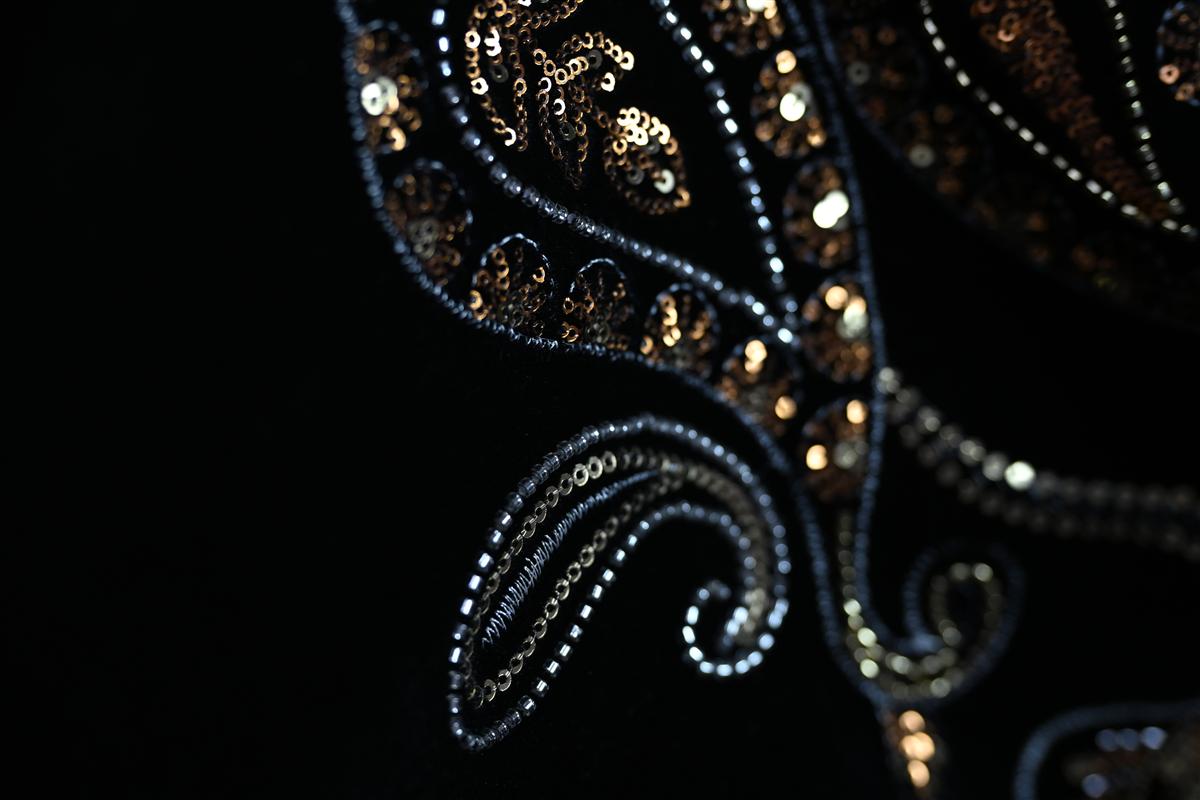
The jacquard vs cable decision is a weight, cost and setup call on a knit fabric manufacturer run.
How jacquard works
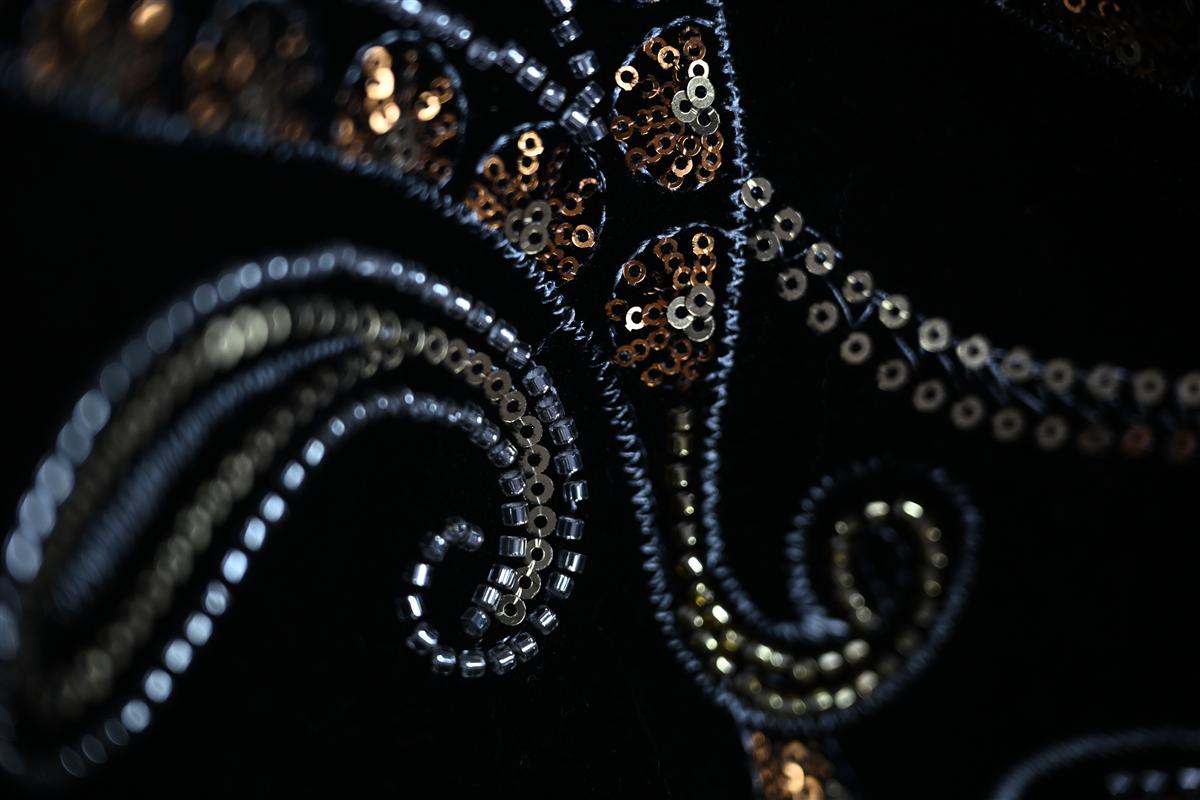
Jacquard uses a jacquard mechanism on the machine to select individual needles and weave in different yarn colours, so a multi-colour figure or motif is knitted into the fabric rather than printed on top. The result is a crisp, all-over pattern that runs through the fabric and does not wash off. It is the route for logos, geometric patterns, and intricate motifs that need to be integral to the cloth.
How cable knit works
Cable knit creates raised, twisting columns by crossing knit stitches over each other. It is a texture, not a colour pattern, so the design comes from the stitch structure. A cable knit reads as dimensional and warm, and it works best in a single colourway where the raised pattern does the talking.
Weight, cost and garment fit
Jacquard tends to use more yarn because every row uses the pattern yarns, so it is often heavier and costs more. Cable knit uses the base yarn throughout, which means a lighter weight and usually a lower cost. On a controlled line like Fursone, knit fabric builds across 150–450 gsm, so both can be tuned to the target weight, but the jacquard version typically needs a higher budget per metre.
Production and sampling on a real mill
Both are machine-driven, but jacquard needs more setup because the pattern has to be programmed. That raises sampling cost and lead-time. Cable knit is a repeat pattern that a mill can run quickly. On the Fursone side, hand-loom and panel samples run 7–10 days, and every batch is tested before dispatch, which is where the quality system comes in; you can read the basis on the BSI ISO 9001 quality management page.
Choosing between jacquard and cable for a line? Send Fursone your motif and target gsm for a sample of each so you can compare weight and cost before bulk.
Related reading
See related fabric routes on boucle fabric manufacturer and sampling terms on get a quote.
FAQ
What is the difference between jacquard and cable knit?
Jacquard knits colour and design into the fabric through needle selection, while cable knit creates raised texture by crossing stitches. Jacquard is for patterns, cable is for dimensional texture.
Is jacquard more expensive than cable knit?
Usually yes. Jacquard uses more yarn and needs more setup to program the pattern, so it is often heavier and costs more per metre than a cable knit.
How long does jacquard sampling take?
Hand-loom and panel samples run 7–10 days as standard, but jacquard needs additional pattern programming which can add to setup and sampling time.
For a closer look, see our guide on how birds-eye and dogtooth patterns differ.

Related Insights

Fabric Width and Selvedge Lines: Planning Cutting Efficiency Before You Order Tweed
Buyers compare tweed by weight, color and price, and then discover at the cutting table...
Reading Fabric Selvedge: Markings, Width and Quality Signals
The selvedge, the finished edge running along both sides of a fabric roll, is the...

Yarn Counts in Tweed: What 2/8 NM Means for Hand, Weight and Cost
Ask three suppliers to quote “a 400 gsm tweed for overcoats” and you will often...