
The short answer: tweed swatch testing fails for five common reasons, and nearly all of them trace back to the swatch not representing the production run. A swatch is a promise about a batch. If the swatch is the wrong size, wrong weave density, wrong dye lot or tested in the wrong condition, the production fabric will not match it.
Why swatch testing is the crux of a tweed order
Tweed is not a single cloth. The same nominal fabric can vary with yarn, weave density and finishing, and a swatch is the way you lock what you and the mill both agree on. If the swatch is ambiguous, everything downstream—colour, drape, hand-feel, weight—is at risk. A good swatch is the reference the production run is checked against.
The five critical failures
| # | Failure | What goes wrong | How to avoid |
|---|---|---|---|
| 1 | Wrong swatch size | Too small to judge drape and hand | Test at a representative size |
| 2 | Weave density mismatch | Swatch and run differ in picks and ends | Confirm picks/ends per unit |
| 3 | Off dye lot | Colour varies between swatch and batch | Hold the production dye lot |
| 4 | Wrong test condition | Standard atmosphere was not used | Test in the standard climate |
| 5 | No measurement record | No numbers to compare the run against | Record weight and density |
A swatch that is, say, 4 x 4 cm cannot tell you how a fabric drapes over a shoulder or how it takes a seam. The most common failure is treating a tiny swatch as the deliverable when the production run needs a much larger reference. Also confirm the picks and ends per unit, because a swatch that reads perfectly can differ from the run by a few picks and that changes both weight and drape.
Hold the dye lot and the weave density
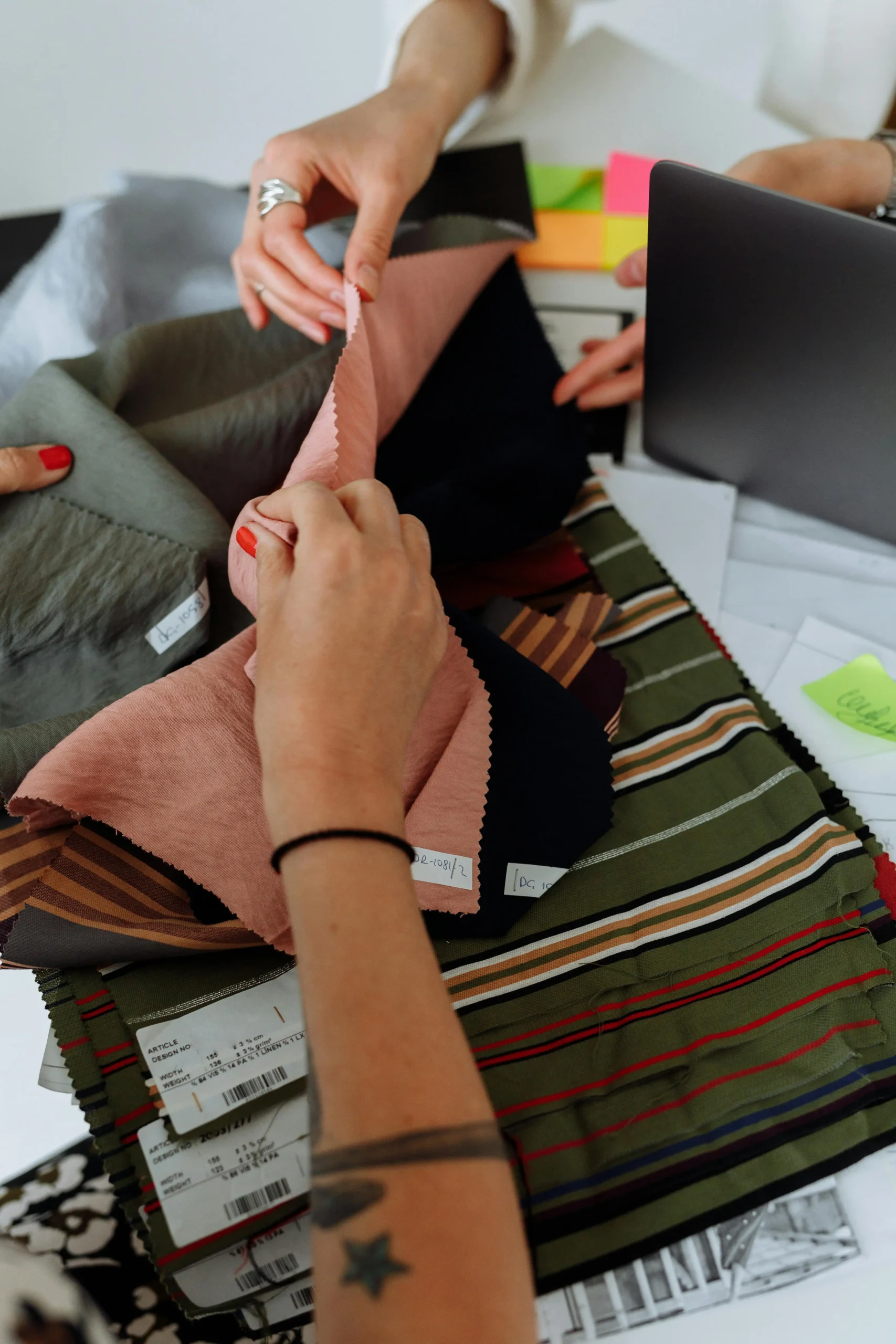
The two failures that cost the most are an off dye lot and a weave density mismatch. Colour is judged by eye, and a mill can shift a shade between a swatch and a bulk run if the dye lot changes. Ask for the dye lot on the swatch and hold it for production. As for weave density, state the picks and ends per inch so the swatch and the run are measured on the same basis, and record the weight on the swatch so the run has a number to hit.
Test in the standard atmosphere
Tweed is hydroscopic: it absorbs or releases moisture, and that changes both weight and drape. A swatch tested in a dry room and a run measured in a humid warehouse can differ enough to be misleading. State the test condition, ideally the standard atmosphere, so the weight you record is comparable. This is the quietest of the five failures and the one most often missed.
See a tweed upholstery testing case study to understand how these failures show up in a real order.
Test the swatch the way it will be used
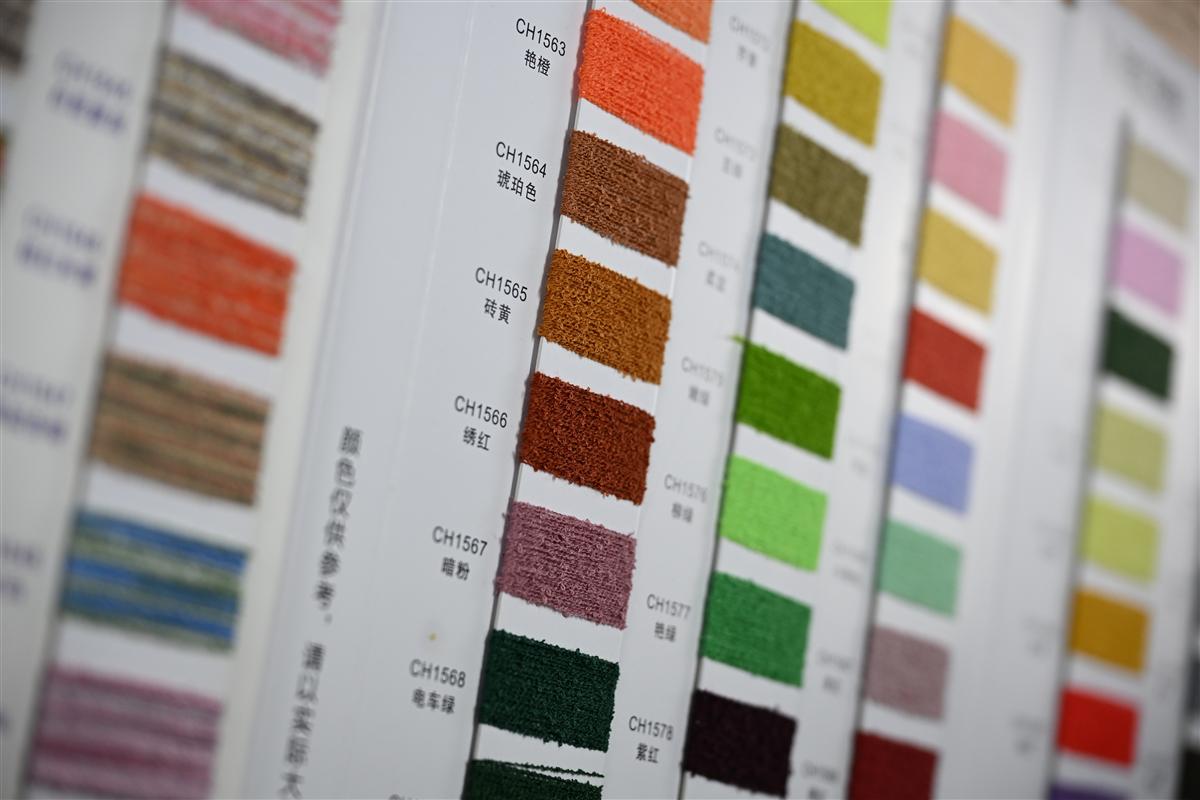
A swatch is only as useful as the use it predicts. If the tweed is for an upholstery, test for abrasion and seam strength; if it is for apparel, test for drape and colour fastness. A fabric that passes a flat hand-feel test can fail under real use. Match the test to the end use, and record every measurement, so the production run is compared to a documented reference rather than a memory.
Tweed testing and the standard to reference
Fabric quality is measured against recognised test methods, and using a standard method is what makes a swatch result comparable to a buyer’s own check. For a tweed or a woven wool cloth, the relevant methods are the same textile standards used across the industry. Reference a recognised method so your mill and your buyer are measuring on the same basis.
ASTM sets textile test methods for weight, density and strength, which you can reference when you define what the swatch must prove.
FAQs about tweed swatch testing
How big should a tweed swatch be?
Large enough to judge drape, hand and colour. A tiny 4 x 4 cm swatch hides how the fabric behaves on a seam or over a form.
Why does my swatch not match the production run?
Usually a weave density mismatch, an off dye lot or a different test condition. Confirm picks/ends, the dye lot and the atmosphere.
Should I test in the standard atmosphere?
Yes. Tweed absorbs moisture, which changes weight and drape, so a standard test condition makes the result comparable.
What should I record on a swatch?
Weight, weave density, dye lot and the test condition, so the production run has a documented number to hit.
Do I test for upholstery or apparel?
Match the test to the end use. Upholstery needs abrasion and seam strength; apparel needs drape and colour fastness.
Lock the swatch as the reference
Test at a representative size, confirm weave density and dye lot, use the standard condition, and record every measurement. If you want a tweed swatch that the production run will actually match, talk to our fabric team.
Related reading: Tweed Colour Forecast 2027: Three Families and How to Sample Them
Related reading: How to Match a Pantone Colour to Tweed Fabric
Related Insights

RWS Explained: Responsible Wool in Tweed, from Certificates to Claims
The Responsible Wool Standard (RWS) is the wool industry’s most widely recognized animal welfare and...

Recycled Wool vs Virgin Wool Tweed: Hand, Price and Claims Compared
Recycled wool tweed has moved from niche to mainstream rack presence, and buyers now weigh...

Sewing Boucle and Tweed: Managing Fray in Production
Every garment maker who cuts boucle has a story about fray. The looped yarns that...