

Tweed colour direction for 2027 points toward three families: deepened naturals anchored by undyed wool, muted botanical greens that replace the brighter greens of recent seasons, and a return of heathered mid-tones where two or three fiber shades are blended in the card rather than dyed after weaving. Buyers planning autumn 2027 collections have a longer runway than usual, because color decisions for tweed feed into yarn orders months earlier than solid-dyed wovens.
At our partner mills in Wenzhou, where 300+ looms have run since 2020, the color conversation starts with the fiber blend, not the dye bath. This article breaks down the 2027 direction, what it means for yarn lead times, and how to sample each family without burning a season.
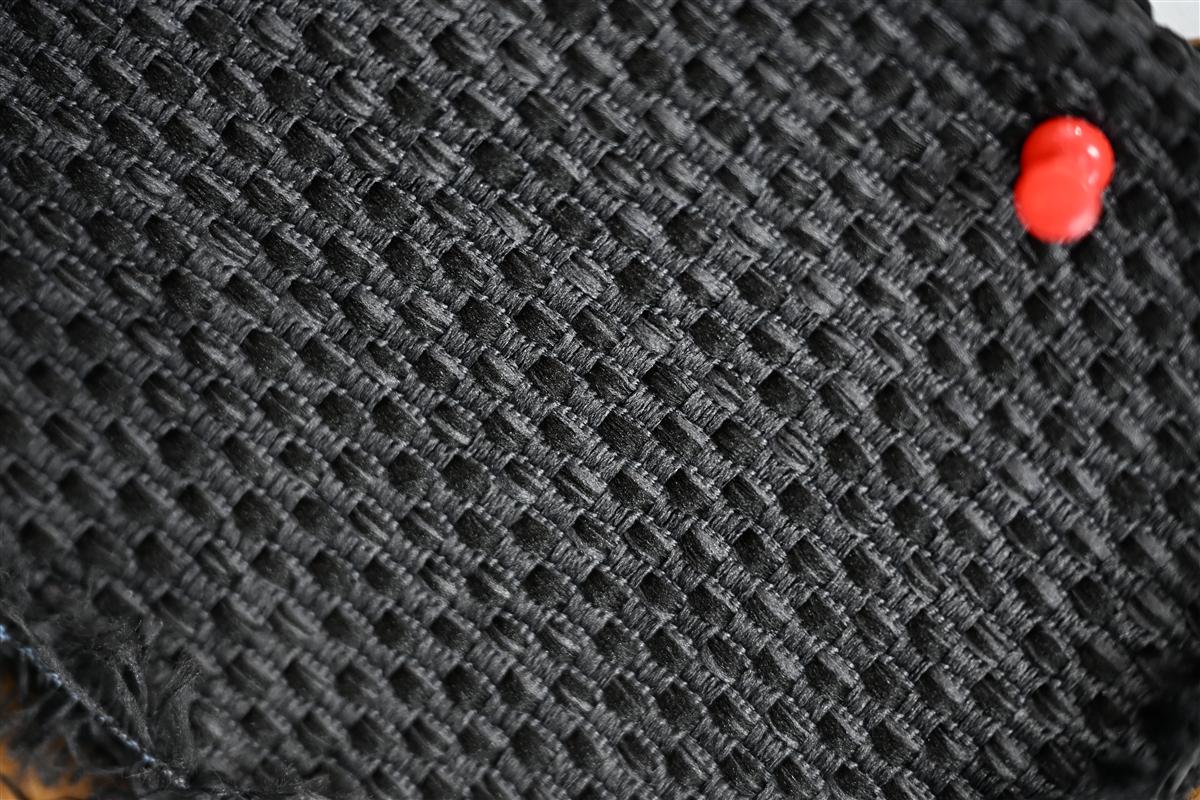
Family one: deepened naturals
The first family builds on undyed and low-dye wool: oatmeal, stone, fog grey and undyed black-and-white blends. What changed for 2027 is depth. Instead of the pale, airy naturals of recent seasons, the palette sits two to three values darker, closer to a wet-stone grey than a winter white. For buyers, this family has a practical advantage: blends that lean on undyed fiber are less exposed to dye-lot drift, so reorders match better across seasons. Our ready stock program covers roughly 100,000 meters of staples in this family, which is why designer brands use it to anchor capsules that may need a fast reorder.
Family two: muted botanical greens
Greens have run bright for several seasons. The 2027 shift is toward botanicals: moss, fern, bottle green pulled toward grey. On tweed, these shades work because the weave structure breaks up flat color, letting a muted green read as layered instead of dull. The trap is sampling on light weights only. A moss green at 380 GSM reads different from the same yarn at 550 GSM, because heavier weights take more dye and show deeper concentration. Sample the color at your production weight, not at the weight the swatch book happens to carry.
Family three: heathered mid-tones
The third family is process-driven rather than shade-driven. Heathered mid-tones mix two or three differently colored fibers at the carding stage, so the color lives in the yarn instead of on the fabric. Camel-and-charcoal mixes, rust-and-brown, navy-and-fog: these combinations let a collection bridge several trends with one quality. Because color is built into the blend, mill lead times shorten compared with piece-dyed work, and the visual effect ages well in garments that get heavy wear.
| Colour family | Anchor shades | Dye approach | Sampling lead time | Best fit |
|---|---|---|---|---|
| Deepened naturals | Oatmeal, stone, wet-stone grey | Undyed or low-dye fiber blends | About 7 days from stock yarns | Core capsules with reorder plans |
| Muted botanical greens | Moss, fern, grey bottle | Piece dye at production weight | 2 to 3 weeks with lab dips | Outerwear statements |
| Heathered mid-tones | Camel-charcoal, rust-brown, navy-fog | Fiber blend at carding | About 10 to 14 days | Year-round tailoring |
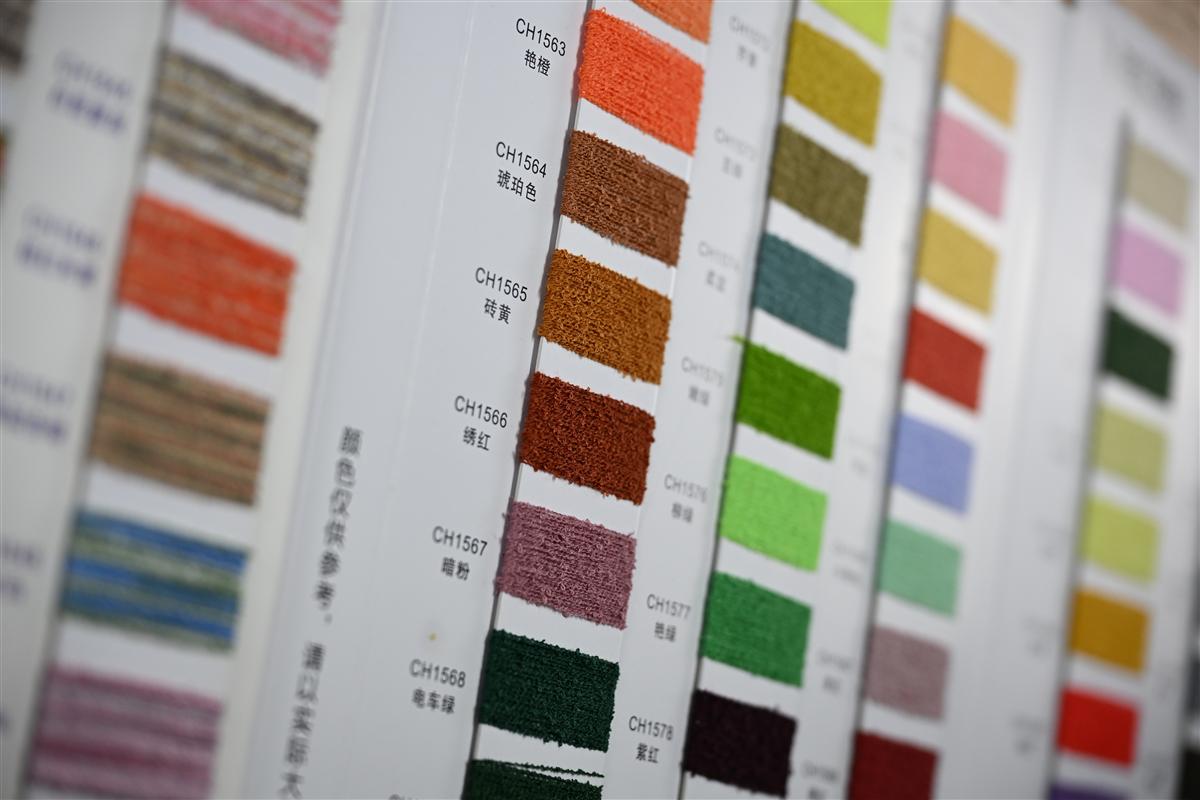
What the forecast means for yarn timing
Tweed color works upstream. A piece-dyed woven can change color late; a tweed whose character depends on fiber blends cannot, because the blend is the fabric. For 2027 delivery, the yarn decisions land in late 2026, which is why brands that lock families now sample without pressure. Our custom manufacturing line runs lab dips and blend cards in parallel: custom programs carry a 300-meter minimum per colorway, and sampling from stock yarns takes about 7 days.
Video: how tweed color is built in the mill
Sampling each family without losing a season
Sample all three families in one round. Naturals need no dye approval, so start there for fit and hand feel. Greens should go straight to lab dip on your production weight. Heathered mid-tones need a blend card, and the decision is visual, so request physical cards rather than photos, which compress the fiber-level variation that makes heathers work. The testing protocol we run on every swatch, from pilling to shade fastness, is described in our tweed swatch testing guide, and the styling context for quiet palettes is covered in our quiet luxury and tweed breakdown. For the palette system behind these shades, the Pantone color system remains the shared reference between brand and mill.
Frequently asked questions
When should a brand lock color for autumn 2027?
Blend-family tweeds should lock yarn colors by late 2026 because the blend is the fabric. Piece-dyed work can move later, but production-weight lab dips still need 2 to 3 weeks.
Are heathered tweeds harder to reorder consistently?
No, and often easier. Because color lives in the fiber blend rather than the dye bath, reorders from the same blend recipe match well across lots.
Can muted greens be dyed on existing greige stock?
Yes for suitable constructions. That is the advantage of a 1,000,000-meter ready stock base: greige can be piece dyed to botanical shades without waiting for new weaving.
Do darker naturals cost more than pale ones?
Not usually. Deeper naturals still lean on undyed fiber blends, so the cost structure stays close to standard naturals, unlike saturated fashion shades that need tighter dye control.

Related Insights
Shoulders That Collapse After Two Wears: Spec the Cloth
A coat that holds its line on a hanger and folds at the shoulder after...
Eighty Metres Against Two Hundred: Which Route Keeps the Colour
The shortest route to the same colour is not a new dyeing. It is the...

Repeating a Donegal Effect From Stock Yarn: Fleck Count, Shade Band, Transition
What the mill should show you is not a sample box. It is a trial...