
Babywear knit fabric sits in a regulatory and tactile category of its own. Infant skin is thinner and more absorbent than adult skin, which is why babywear faces stricter chemical limits, tighter certification scrutiny and a lower tolerance for rough hand feel than any other knit category. For brands sourcing babywear knits, the buying decision runs on two parallel tracks: softness that survives industrial washing, and certifications that survive a retailer’s compliance audit. This guide covers both, plus the questions that separate a mill that can actually serve babywear programs from one that merely says it can.
Softness: what actually creates it in a knit
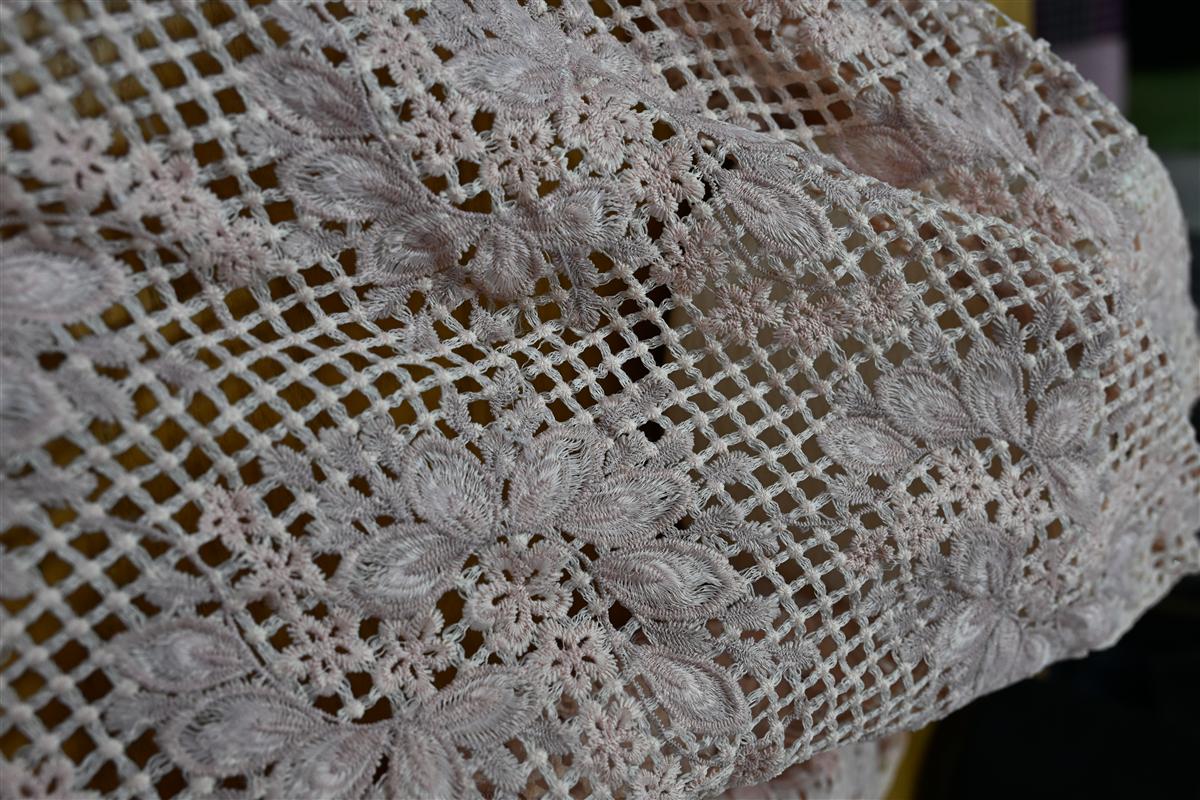
Softness in babywear knit is engineered, not stumbled into. Three levers matter most. Fiber choice comes first: combed cotton, organic cotton and modal-grade cellulosics produce the smooth, low-irritation surface parents expect, and fiber composition drives both hand feel and the certification pathway, as we cover in our guide to organic cotton knits for babywear. Yarn count comes second: finer gauges knit smoother surfaces than coarse ones, at the cost of slightly lower abrasion resistance. Finishing comes third, and this is where mills differ most. Softening can be done mechanically or chemically, and the two routes trade off differently, a distinction we break down in our comparison of mechanical versus chemical softening. For babywear, mechanical finishing is the safer default because it adds no chemical load to a product category that will be chewed on. The proof is in the wash cycle: a softness that disappears after five home washes was finishing chemistry, not fabric quality.
Certification: what babywear actually requires
Two families of certification matter for babywear knits. The first is content and process certification: GOTS for organic cotton, GRS for recycled content. The second is harmful-substance testing, where OEKO-TEX Standard 100 is the reference buyers ask for by name; our overview of what GRS-certified knits actually deliver covers how these certifications interact and what documents to demand. Babywear is held to the strictest OEKO-TEX product class, the infant class, which tests for a longer list of restricted substances at lower limits than adult apparel classes. Brands should verify that the certificate matches the actual fabric article number and shipment, not the mill’s marketing page. A real case helps calibrate expectations: our organic cotton babywear case study walks through the documents, wash tests and approval chain a babywear program required end to end.
Questions that separate real babywear mills
Three questions expose capability fast. First, can the mill produce infant-class test reports for the exact article you are buying, dated within the certificate cycle? Second, what is the sampling path — a mill with 100 meters of stock ready to ship in days and a 7-day custom sampling turnaround can support development timelines that commodity mills cannot, and our production model combines 100M stock availability with 300-metre custom minimums, so babywear programs can pilot on stock before committing to custom. Third, how does the mill handle lot consistency across reorders, the question we unpack for every category in the custom fabric program overview? Babywear brands live on repeat orders; a mill that cannot reproduce hand feel across lots will fail the second season. The OEKO-TEX Standard 100 product class system published by the OEKO-TEX Association documents the infant-class requirements buyers should reference in their spec sheets.
Video: our sustainability journey
Babywear knit sourcing is a two-track discipline: softness built from fiber, gauge and mechanical finishing, and certification anchored in infant-class testing with article-matched documents. Ask the three capability questions, pilot on stock, and lock the spec before the custom run. Programs built that way pass both the parent’s touch test and the retailer’s audit.
Related Insights

Reading Knit Gauge: What 7gg, 12gg and 14gg Mean for Sweater Programs
Gauge numbers appear on every sweater knit quotation, 7gg, 12gg, 14gg, and too many buyers...

Moisture-Wicking Knits: Sources, Test Methods and Durability
Moisture-wicking is one of the most quoted claims in knitwear and activewear sourcing, and one...

Does Knit Fabric Shrink After Washing? Relaxation, Felting and What to Specify
Yes, knit fabric shrinks after washing, and the question is never whether but how much...