

Key Takeaway
Why tweed pills, how the five-point pilling grade works, finish trade-offs, care habits and the three spec lines to write into a tweed order.
Yes, tweed can pill, but how much depends on the wool, the twist and the weave rather than on the label. Some tweeds are designed to look rustic, which makes buyers assume pills come with the territory; that assumption costs brands returns and customers their favourite jacket. Here is the short version of what causes pilling in tweed, how grades measure it, and what to specify so the fabric stays smooth through years of wear.
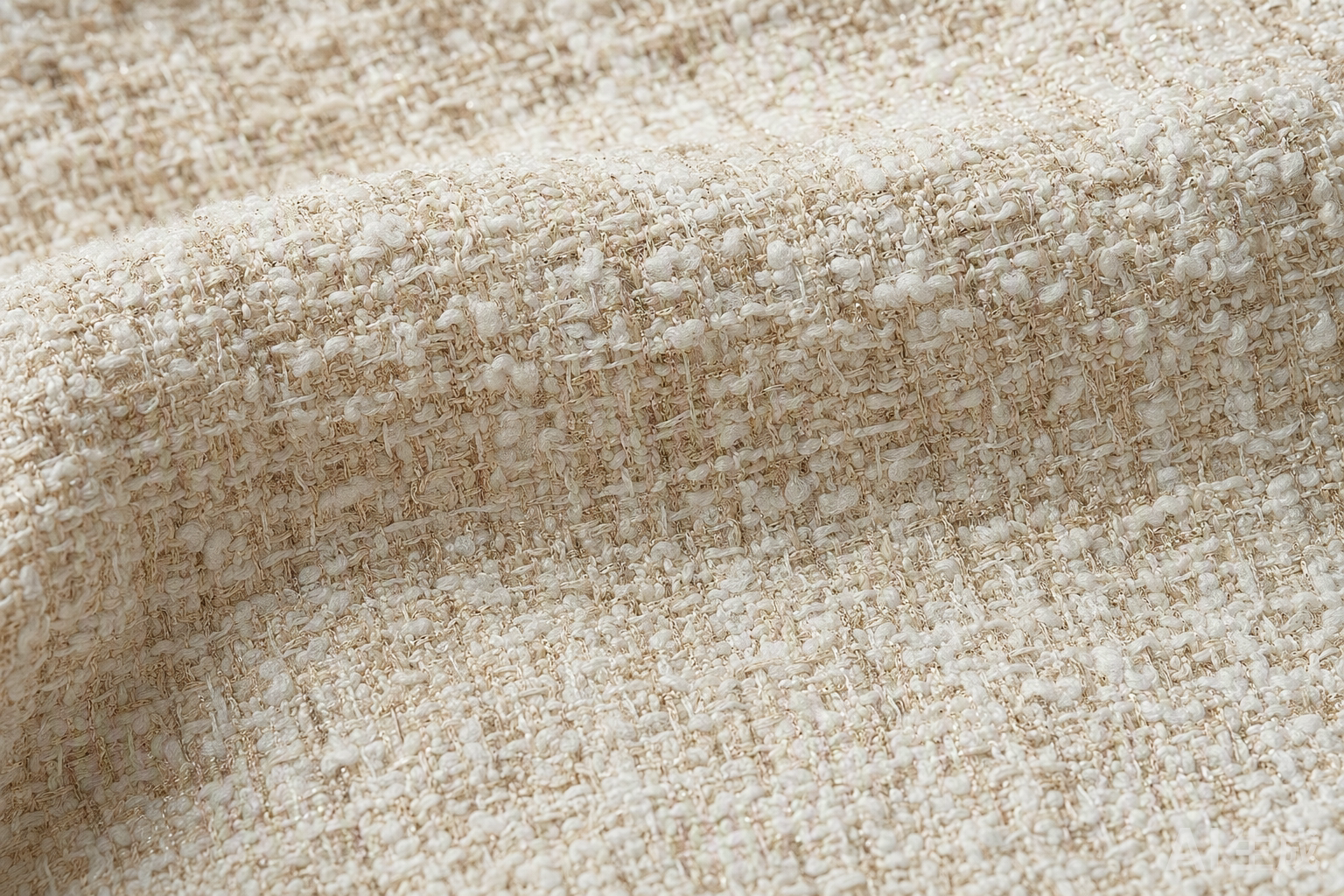
Why tweed pills at all
Pilling starts with short fibres working loose from the yarn surface. Rubbing pushes them into tiny balls, and loose weave structures let that happen sooner than tight ones. Wool staple length and yarn twist are the two biggest levers: long-staple wool spun with a firm twist holds its fibres in place, while short, loosely spun yarn sheds and balls early. Wool quality grading by staple and fineness follows the standards published by the International Wool Textile Organisation, which is why two tweeds at the same weight can behave completely differently after a month of wear. The tighter the weave and the firmer the twist, the slower the pilling.
Pilling grades, decoded
Labs measure pilling by rubbing the fabric against a standard abradant for set cycles, then comparing the result to photographic rating scales. Grades run on a five-point scale, where five means no visible pilling and one means severe surface fuzzing and balling. Most buyer manuals for outerweight woollens set acceptance around four after the standard cycle count, with three usually triggering a yarn or twist change rather than a finish. When a mill quotes a pilling grade, ask for the method and the cycle count along with the number, because the same fabric scores differently across methods. Grade in hand, the spec sheet turns from hope into a contract item.
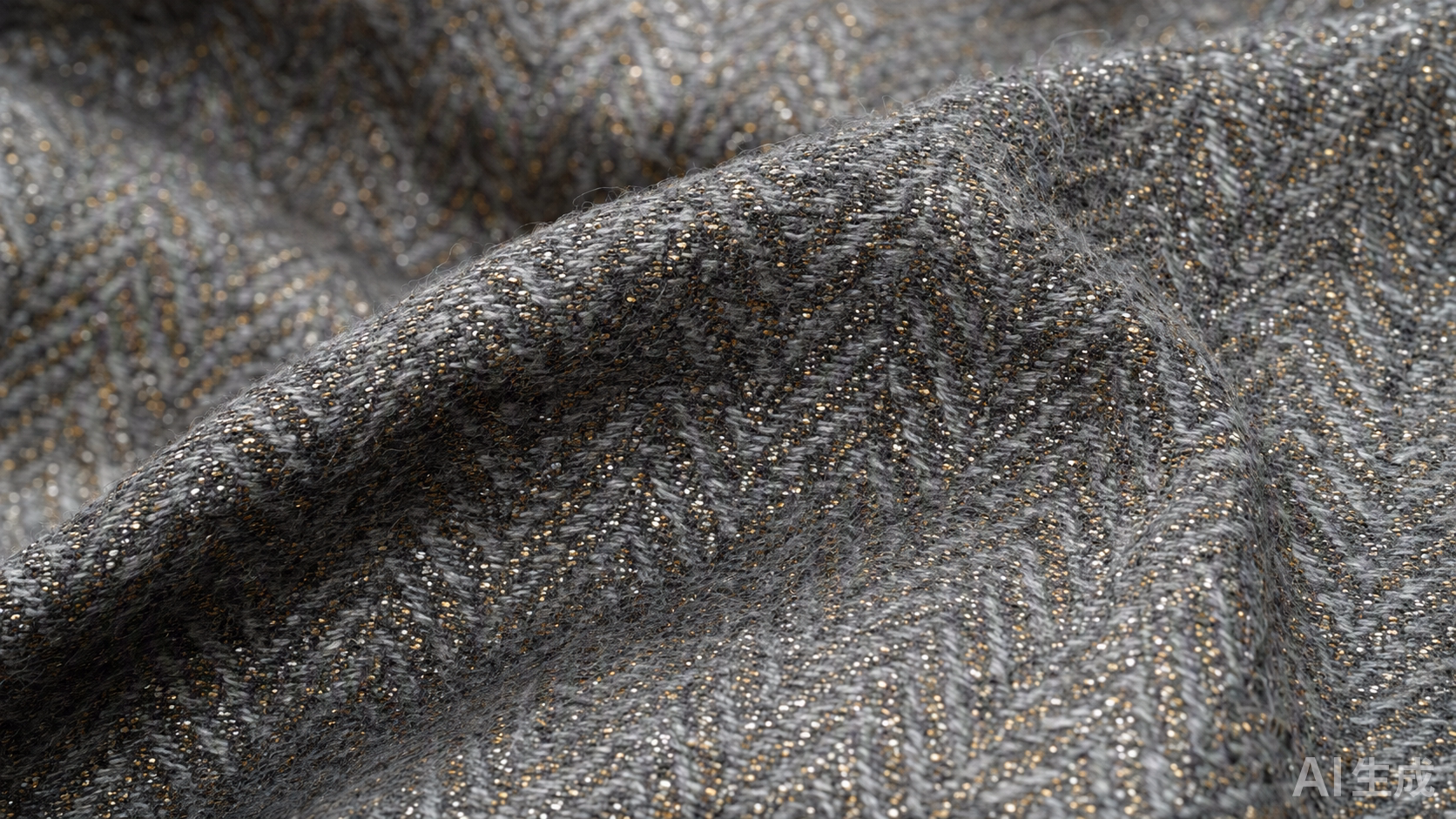
Anti-pilling finishes and their trade-offs
Chemical and mechanical finishes can lift a borderline fabric over the acceptance line, but they are not free. Resin-type finishes reduce the fibre migration that causes pills, yet they can stiffen the hand and dull the surface character that makes tweed attractive. Biopolishing burns off surface fibre for a cleaner face at the cost of a little weight and loft. The honest sequence is to fix the yarn first, then use finish as a top-up, and always request a finished swatch washed several times, since finishes can relax after laundering. Our guide to merino versus regular wool tweed shows how fibre choice alone moves the pilling and softness profile.
Care habits that slow pilling down
Even a grade-four fabric pills faster under bad care. Wash tweed garments inside out on a wool cycle, or better, hand wash sparingly; friction against other garments in the drum is what raises pills. Skip the tumble dryer, because heat and rubbing together flatten the surface and loosen fibres. Remove pills early with a fabric comb or shaver rather than pulling them by hand, which drags out more fibre. Air the garment between wears, since rested wool recovers its shape and sheds less in the next outing. None of this rescues a loosely spun yarn, but it protects a well-made tweed for years.
What to write into a tweed order
Three specification lines do the work. First, yarn: staple length class and twist factor, or a named yarn equivalent the mill already runs. Second, pilling: the grade, the method and the cycle count the fabric must reach before bulk. Third, approval: a finished, washed swatch signed by both sides as the surface standard. Fold these into the development sheet from the start, as described in our tweed fabric guide, and check the stretch behaviour of any elastic variant against our stretch tweed notes before locking the spec.
Video: hidden craftsmanship in tweed
So, does tweed pill? A well-made one pills slowly, measurably and acceptably; a badly spun one pills fast no matter what the tag says. Specify staple, twist, grade and method, demand the washed swatch, and the answer stops being a gamble. That is how buyers keep tweed programs profitable and customers coming back to the same jacket for a decade.
See also our lightweight tweed for dresses.
Related reading: Fulling and Finishing: The Mill Steps That Change Tweed Hand Feel
Related Insights

RWS Explained: Responsible Wool in Tweed, from Certificates to Claims
The Responsible Wool Standard (RWS) is the wool industry’s most widely recognized animal welfare and...

Recycled Wool vs Virgin Wool Tweed: Hand, Price and Claims Compared
Recycled wool tweed has moved from niche to mainstream rack presence, and buyers now weigh...

Sewing Boucle and Tweed: Managing Fray in Production
Every garment maker who cuts boucle has a story about fray. The looped yarns that...