

The invoice price of fabric from China is where buyers start and where the misunderstandings start too. The real landed cost adds duty, ocean freight and surcharges, insurance, customs entry, inland haulage, and the quieter carrying costs of capital and compliance that sit between proforma and put-away. Programs budgeted on invoice price alone routinely discover a 15 to 25 percent gap at the warehouse door. This page builds the landed cost line by line, with the numbers a buyer can verify before wiring a deposit, and the freight-side companions to our fabric cost and logistics guide.
Duty is the largest add-on and the one with a lookup: every import line is classified in the Harmonized Tariff Schedule, maintained by the USITC and searchable on the official HTS site, where the general rate for your textile heading applies to the customs value. Classification quality is a cost control: the same woven fabric can carry different rates by composition, which is why the composition statement travels with the shipment documents.
The landed cost stack, line by line
Start from the FOB invoice, then add in this order: ocean freight and surcharges, insurance, duty on the customs value, customs entry and brokerage, port and documentation fees, inland haulage to the warehouse, and finally the carrying costs that few quotes model. Fabric’s high value-to-weight ratio changes the freight picture versus garments: fabric ships in bales and rolls, dense enough that weight rarely limits a container before cube does, which keeps fabric freight per meter moderate and predictable.
| Cost line | Basis | Planning note |
|---|---|---|
| FOB invoice | Contract price | Confirm what FOB includes at the port |
| Ocean freight + surcharges | Container rate market | Volatility is seasonal; book with margin |
| Insurance | Cargo policy or per-shipment | ~0.3-0.5% of value, policy-dependent |
| Duty | HTS rate on customs value | Verify heading by composition |
| Entry and brokerage | Per entry + entry lines | Consolidate lines to control fees |
| Inland haulage | Port to warehouse | Fabric density keeps this modest |
The quiet lines: capital, compliance and delay
Capital is the line most buyers forget: a deposit before production and a balance before documents release means cash is committed weeks before the goods arrive, and at commercial borrowing rates the carrying cost on a large fabric program is real money. Compliance is the second quiet line: fabric testing to the destination market’s requirements, and for transit-heavy programs the packing standard that prevents claims, covered in our ISPM 15 export packing explainer. Delay is the third: container detention and demurrage accrue on the clock, and our demurrage and detention guide shows how quickly per-day storage charges erase a negotiated discount when a container misses its free window. Payment mechanics add their own haircuts, described in our currency and payment fees guide.
Sample shipments versus bulk: two different economies
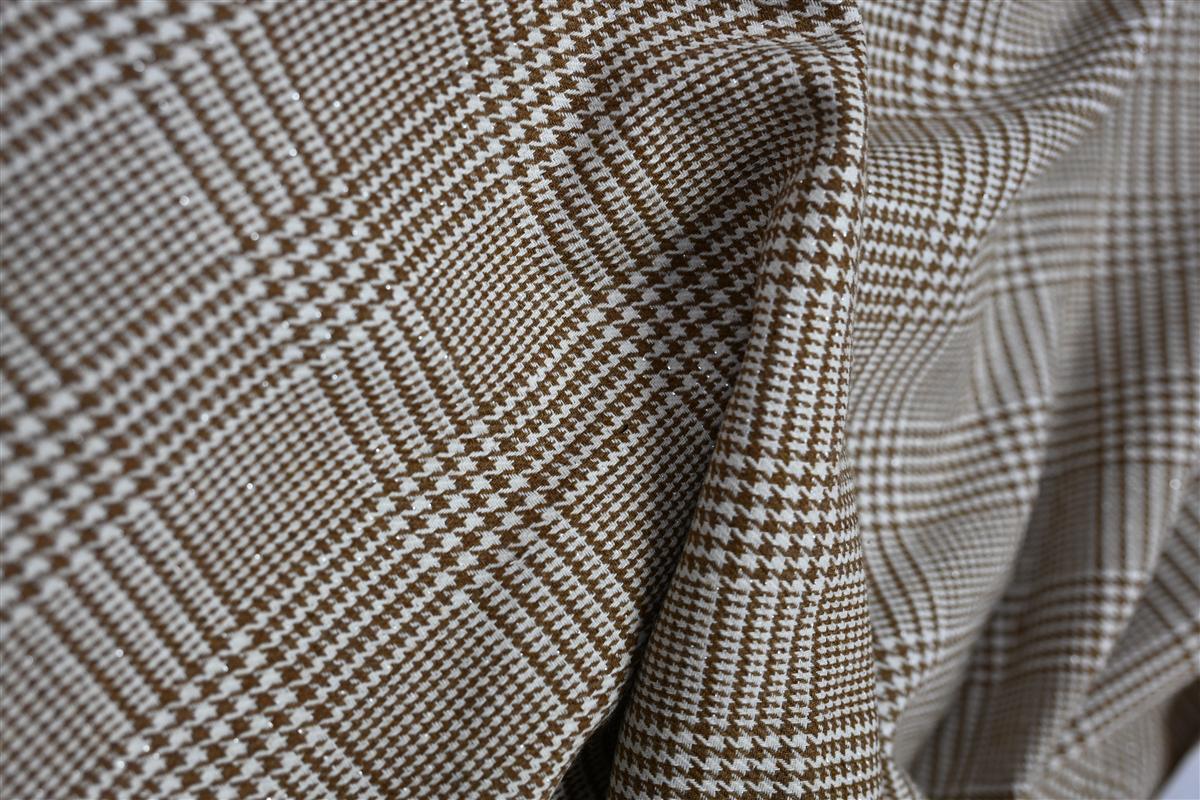
Landed cost thinking applies differently to samples. A meter of tweed air-freighted to a design studio carries a freight cost that dwarfs its fabric value, which is normal because the sample’s job is information, not margin; the economics are laid out in our air freight vs bulk guide. Bulk runs invert the picture: ocean freight amortizes across hundreds of meters, and the landed cost percentage of freight drops while duty and brokerage stay proportional to value. Buyers who model landed cost once for samples and once for bulk stop comparing sample logistics to bulk economics, one of the most common planning errors in fabric sourcing.
A worked example, kept honest
Take a hypothetical 1,000-meter wool blend program invoiced FOB Shanghai at 12 USD per meter: 12,000 USD of goods in a shared container. Add ocean freight at a market rate of, say, 1,200 USD for the allocated cube, insurance at roughly 0.4 percent of value, duty at the HTS general rate for the composition (verified on the HTS site before ordering), brokerage and entry fees, and inland trucking. The invoice total was 12,000; the realistic landed figure lands meaningfully higher, and every line except the invoice itself was knowable in advance. The discipline is to build this table per program, not per shipment, then hold the mill to the invoice line while your forwarder holds the rest.
Video: fabric program documentation in practice
The video shows the paperwork trail behind a fabric order, the same documents the landed cost table references line by line.
Frequently asked questions
What percentage should I add for duty on fabric from China?
There is no single percentage: the rate follows your HTS classification by composition and construction. Look up the heading on the official HTS site before ordering; the rate applies to customs value, not invoice FOB alone in all cases.
Is FOB or DDP cheaper overall?
DDP shifts the landed lines into one price, not out of existence. Suppliers typically add a margin on top of the same freight, duty and brokerage, so comparing FOB plus your own lines against DDP usually favors managing the lines yourself.
Why does fabric freight cost less per meter than garments?
Fabric is dense: bales and rolls fill a container’s weight and cube evenly, so more value ships per container. Garments are bulky and light, raising freight per unit value.
What is the most commonly forgotten landed cost line?
Carrying cost of capital between deposit and put-away, followed by customs entry fees. Both are knowable in advance and belong in the program budget.
Related reading: Why Tweed Fabric Prices Move: Wool Auctions, Dye Lots and Mill Capacity

Related Insights

Why Tweed Fabric Prices Move: Wool Auctions, Dye Lots and Mill Capacity
Buyers who quote a tweed program in March and reorder in October are sometimes surprised...

Pros and Cons of Buying Fabric in Bulk: Price Gains Against Real Risks
Buying fabric in bulk cuts unit price, but the discount is a payment for taking...

Currency and Payment Fees in Fabric Sourcing: The Hidden 1-3%
The quoted price is the headline; the landed number hides 1-3% in wire chains, FX...