

The short answer: to calculate yardage for a collection, you multiply the number of units per style by the fabric each unit needs, then add a cutting-loss percentage and round up to a full roll or a full metre. The common mistake is forgetting that a style needs more than its finished size, because you must add seams, hem and waste to the true cut length.
Start from the finished garment, not the fabric
Yardage is driven by the finished garment plus the allowance, not by the fabric alone. A garment that finishes at, say, 1.2 m of fabric may need 1.4 m when you add seam allowance and hem. If you calculate from the finished size, you will be short. Always start from the cut piece, which is the finished garment plus the allowance the pattern requires.
The yardage formula
| Step | What to do | Example |
|---|---|---|
| 1. Cut length | Finished garment + seam/hem allowance | 1.2 m + 0.15 m = 1.35 m |
| 2. Units per style | How many of each piece | 200 pieces |
| 3. Subtotal | Cut length × units | 1.35 × 200 = 270 m |
| 4. Cutting loss | Add a % for waste | 270 × 1.08 = 291.6 m |
| 5. Round up | To full metre or roll | 292 m |
Cutting loss is what catches most brands out. Fabric is cut from a roll, and lay length, end-of-roll waste and pattern nesting all create offcuts. A common allowance is around 5-8%, but it rises with a complex pattern or a narrow width. Confirm the loss with the mill or the cutter, because it varies and it changes the total.
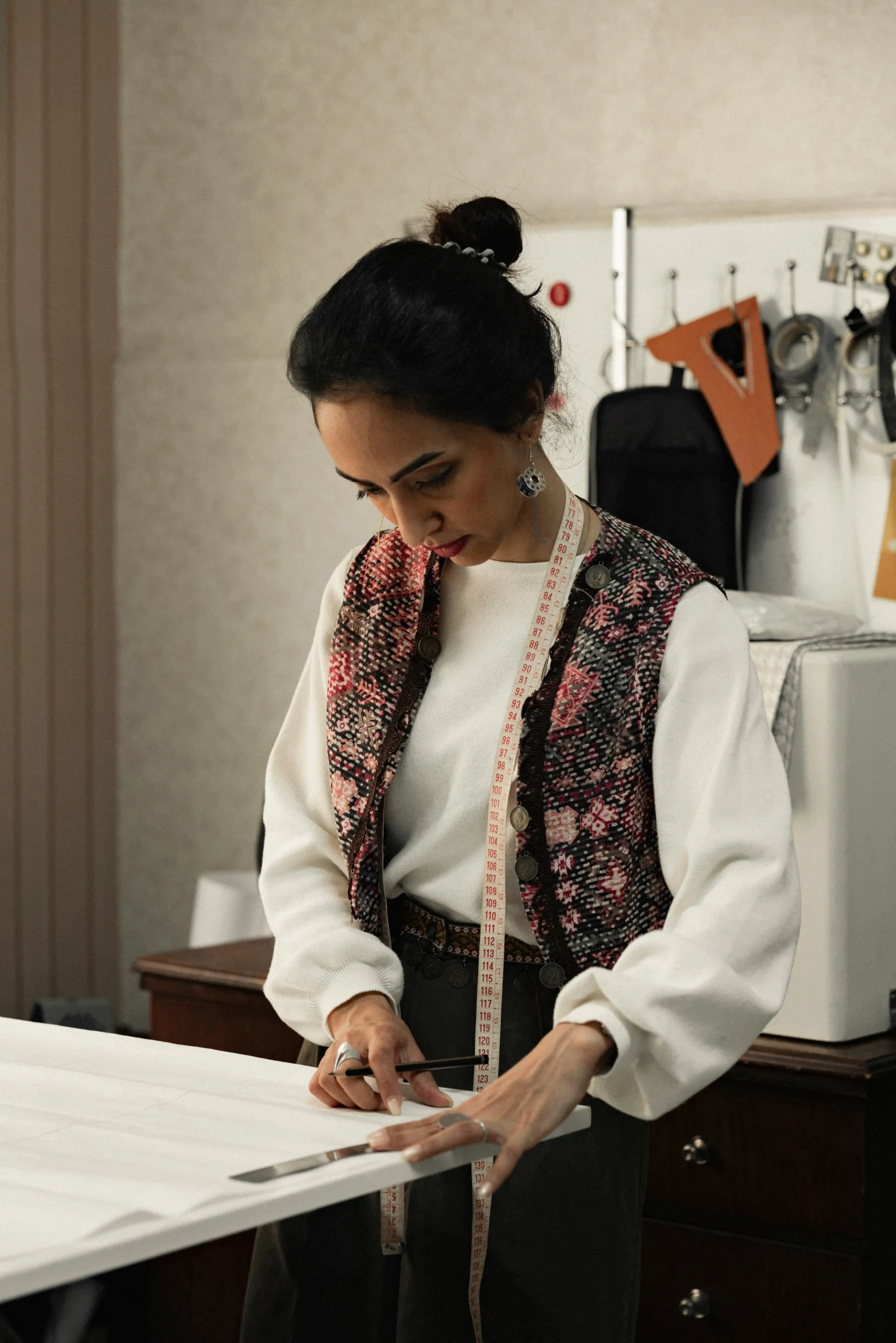
Width changes the metre count
Fabric width is the other big driver. All else equal, a wider fabric yields more usable surface per metre, so you need fewer metres to cover the same number of garments. If you calculate yardage on one width and the mill supplies a different one, the total changes. Confirm the width on the spec, and if your collection uses two widths, calculate each separately rather than averaging.
GSM and the weight you order
If you buy fabric by weight rather than by metre, the GSM converts the metre count into a weight. A lighter fabric yields more metres per kilo, so the same weight-based order covers a different amount. When you calculate yardage, confirm whether it is being priced by the metre or by the weight, and translate so you order the right amount and do not over- or under-buy.
Convert GSM to ounces so a weight-based quote and a metre-based quote are expressed on the same basis.
Add a margin for repeats and re-cuts
A collection is not a single order. Add a small margin for a re-cut, a second dye lot or a pattern repeat that does not match exactly. A margin of a few percent, reserved as a buffer, saves you from a shortage that holds up the whole collection. Getting yardage right is also a cost lever: order the right amount and you avoid paying for a second, expensive small order. It is cheaper to order a little extra than to stop production for a second, small order that can cost more per unit.
Yardage and a standard to measure against
Because width and weight both matter, measure both against a standard. A defined textile standard gives you a consistent unit to measure and compare, so your yardage calculation and the mill’s are on the same basis. That is what makes a collection order reproducible and prevents a surprise when the fabric arrives.
ASTM sets textile measurement standards: reference them so width and weight are measured the same way you calculated the yardage.
FAQs about calculating yardage for a collection
What is the first thing I need to know?
The cut length, which is the finished garment plus the seam and hem allowance. Never calculate from the finished size alone.
How much cutting loss should I add?
A common allowance is around 5-8%, but it depends on the pattern and the width. Confirm it with the cutter or the mill.
Does fabric width change the yardage?
Yes. A wider fabric yields more usable surface per metre, so you need fewer metres for the same number of garments.
Do I calculate by metre or by weight?
It depends on how you are buying. Confirm whether the price is by metre or by weight and translate, so you order the right amount.
Should I add a margin?
Yes. Add a small buffer for a re-cut, a second dye lot or a pattern repeat, so a shortage does not hold up the collection.
Calculate on the cut length
Start from the cut piece, add the cutting loss, confirm the width and the pricing basis, and add a small margin. If you want a fabric supplier who takes the guesswork out of a collection order, talk to our fabric team.

Related Insights

Why Tweed Fabric Prices Move: Wool Auctions, Dye Lots and Mill Capacity
Buyers who quote a tweed program in March and reorder in October are sometimes surprised...

Pros and Cons of Buying Fabric in Bulk: Price Gains Against Real Risks
Buying fabric in bulk cuts unit price, but the discount is a payment for taking...

The Real Landed Cost of Fabric from China
The invoice price of fabric from China is where buyers start and where the misunderstandings...