

Coating a knit fabric is how a textile that usually stretches starts to behave like a woven. The coating fills and stabilises the surface so a stretchy knit can hold a structured jacket shape, add water resistance, or simply take a heavier, more premium finish. It is the technique behind many of the heavier “knit-look” fabrics in outerwear.
What coating does to a knit
A knit stretches because its loops can open under load. A coating bridges those loops and holds them in place, which raises the fabric’s stiffness and reduces its stretch. How much it stiffens depends on the coating weight and the knit structure. A light coating just calms the surface and keeps the fibre from pilling; a heavy coating makes the cloth behave almost like a woven, which is exactly what a structured coat needs.
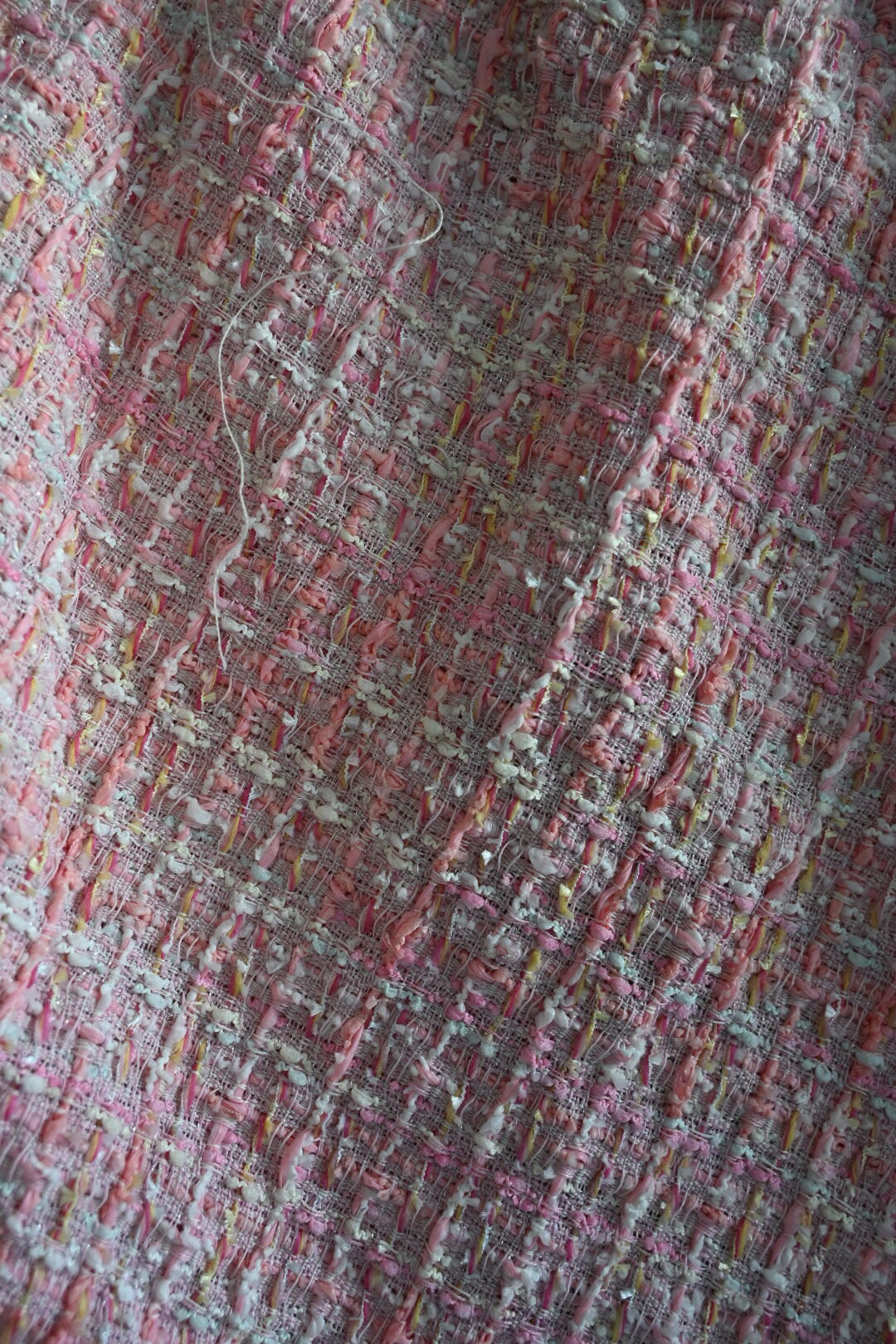
The coating types that matter
PU (polyurethane) coating gives a soft, water-resistant face; PVC coating is stronger but heavier and less breathable; acrylic coating is a lighter, cheaper option used for hand-feel rather than waterproofing; and a silicone coating gives a smooth, slightly technical surface. Each comes with a different cost, durability and breathability profile, so the choice depends on whether the fabric is for a fashion jacket, a performance piece or a soft outer layer.
When a coated knit mimics a woven
The heavier the coating, the closer a knit behaves to a woven cloth, and that is the point for outerwear and structured blazers. The knit fabric used for a jacket has to hold a shoulder line and resist sagging, which a bare jersey cannot do. A coated knit gets the structure without the seam-allowance problems and the weight of a true woven, so designers get the comfort of a knit with the tailoring of a woven.
What to watch for in a coated knit
Coating can hide the fabric’s drape, so always check a coating on a physical sample before you commit. Watch for three things: whether the coating cracks when the fabric flexes, whether it changes the stretch so the garment fits differently, and whether the finish takes a seam and a press well. A coated knit that stretches less than the pattern expects will fit tighter than the block, so the stretch percent after coating matters more than the raw knit stretch.
Coated knit and sustainability
Some coatings are derived from petrochemicals, and a coated fabric is harder to recycle than a plain knit because the coating and the cloth are bonded. If the coating is part of your sustainable fabric program, ask the mill for the coating type and whether the coated cloth can be separated or recycled. Water-based and solvent-free coatings have improved, but they still change how the fabric behaves and how it end-of-lifes.
Coated knit and fibre labelling
The coating is a non-fibre component, but the underlying knit fibre content still has to be declared for a textile product sold into the United States. The rules for textile fibre products describe how the fibre content and any added non-fibre material are identified.
Read the textile fibre labelling rules (16 CFR 303) so the coated knit you approve and the label you print stay consistent, including how the coating is disclosed.
FAQs about coating knit fabric
What does coating a knit fabric do?
It fills and stabilises the surface, reducing stretch and adding stiffness, water resistance or a heavier finish. A heavier coating makes a knit behave like a woven.
Which coating type should I use?
PU for soft water resistance, PVC for strength, acrylic for a lighter hand-feel and silicone for a smooth technical surface. The choice depends on cost and end use.
Does coating change how a knit fits?
Yes. Coating reduces stretch, so a coated knit fits tighter than the raw knit. Check the stretch percent after coating before cutting a pattern.
Is a coated knit sustainable?
It is harder to recycle because the coating is bonded to the cloth. Water-based coatings improve this, but a coated knit is still not a straight-forward recyclable.
Confirm the coating on a sample
Choose the coating for the end use, verify it does not crack or change the fit, and confirm it on a physical sample before you order. If you are developing a coated knit for outerwear, our team can show you how a coating changes stretch and how to pattern for it.

Related Insights

Rib Knit Trims for Cuffs and Waistbands: 1×1, 2×2 and Tubular Compared
A cuff that opens up after three wears is almost never a fit problem. It...
Gauge and Machine Diameter in Knit Fabric: Reading a Specification
Two knitting mills can both quote a single jersey at 180 grams and deliver fabric...
Fibre Diameter and Micron: What the Number Means for Next-to-Skin Knitwear
Ask a knitwear buyer what makes a sweater comfortable and the answer usually comes back...