

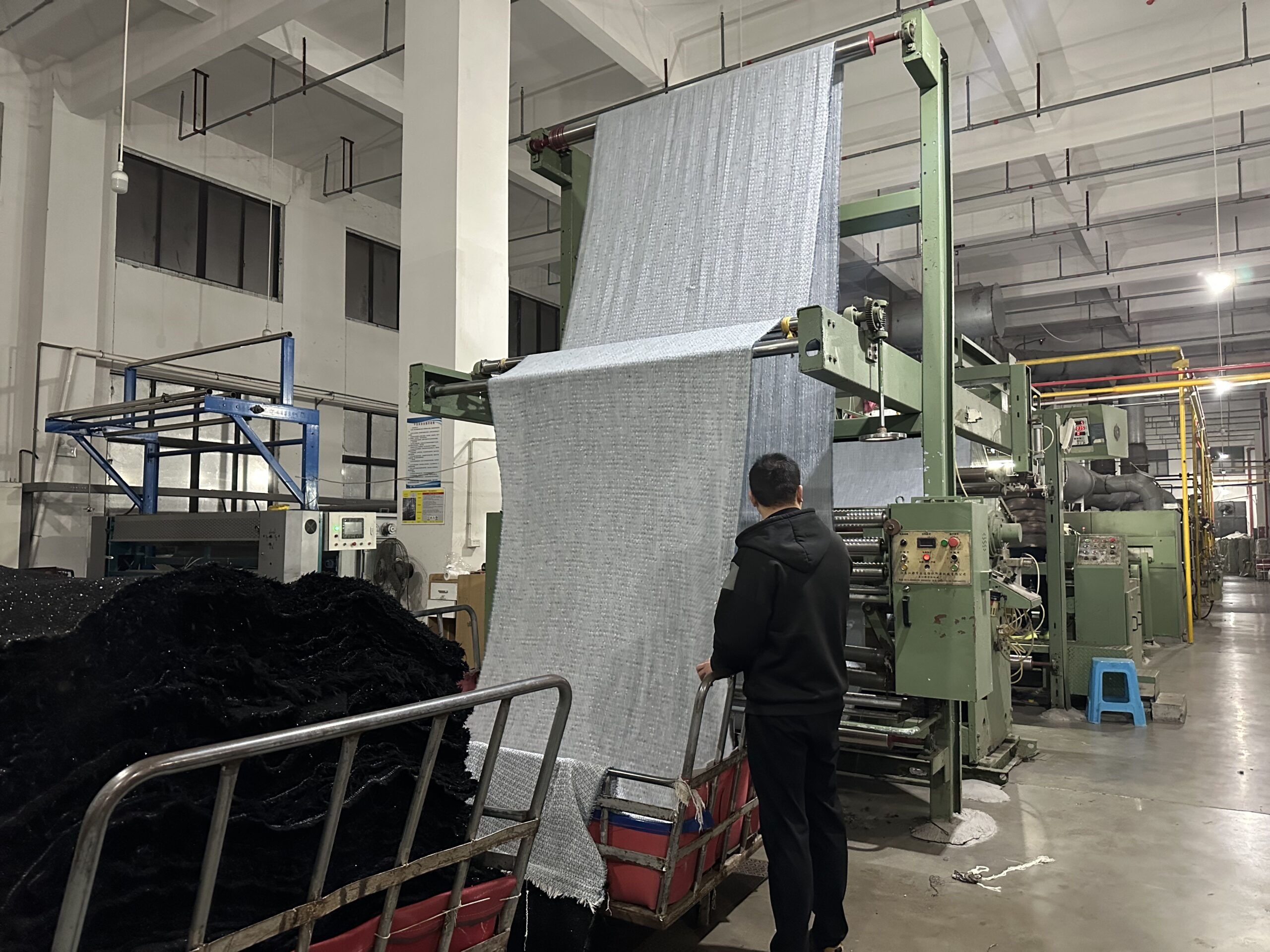
Fabric insurance is one of those line items that nobody reads until the day a container arrives with a corner crushed and three bales of wool sitting in water. At that point, three questions decide who pays: which risk actually occurred, who carried that risk at that moment, and what evidence exists. All three are settled long before the ship sails, by the terms in the contract and the records kept at the mill.
This guide maps the risks a fabric shipment carries, matches them to the right cover and the right owner, and sets out the claim evidence that is worth collecting before any loss happens.
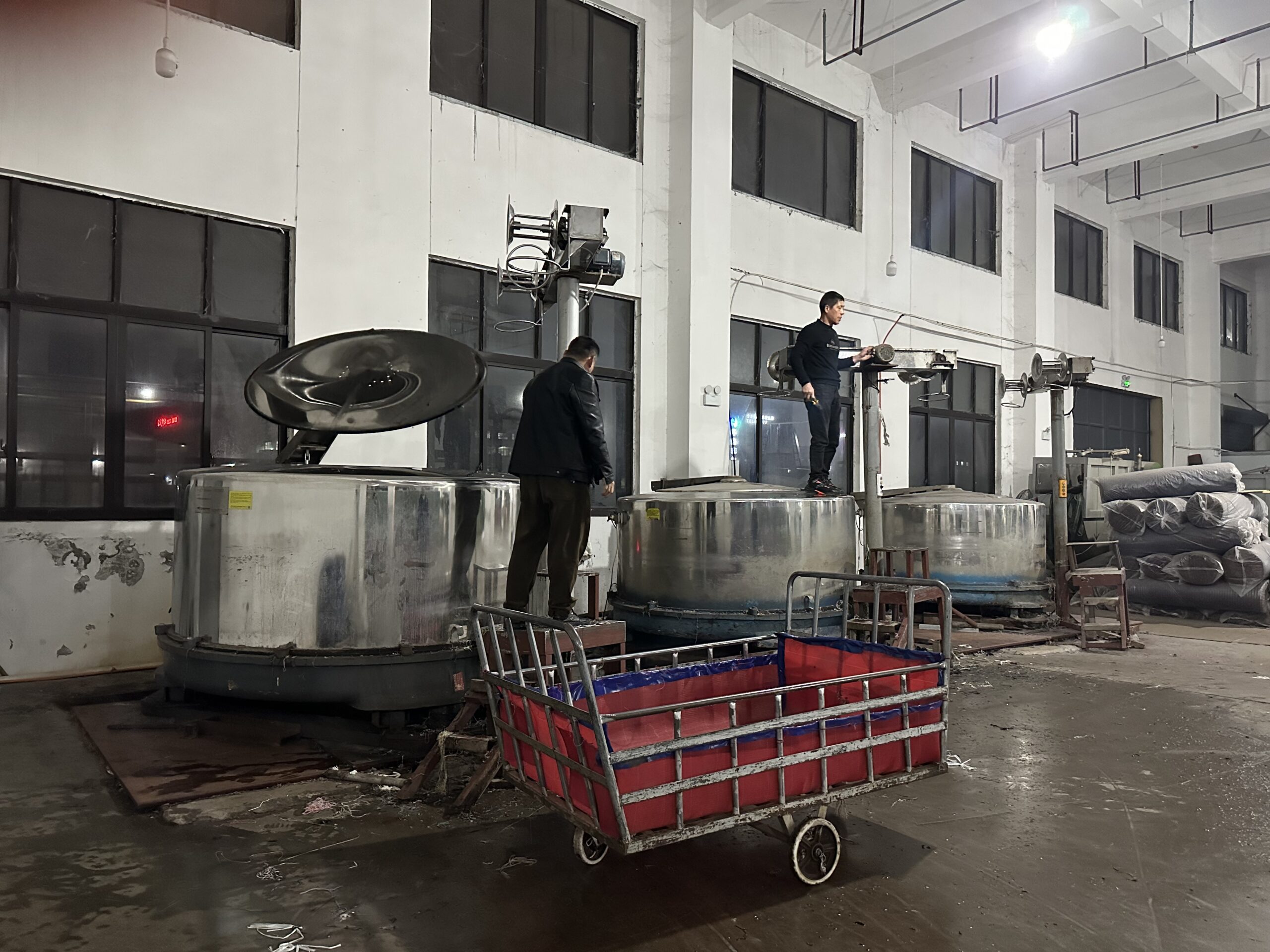
The Risks Are Not One Risk
Physical transit damage is the risk most people picture: handling damage, container damage, water ingress, condensation. It is visible on arrival and it is the classic cargo insurance claim. Moisture damage deserves its own mention because it often develops invisibly: a container crossing climates can condense water inside, and the bale that looks dry at the door may show mould two weeks later in the warehouse.
Short shipment is a different animal. If fewer metres arrive than the packing list states, that is a mill or loading issue, not a transit issue, and it belongs to the commercial relationship rather than to the cargo policy. Conflating the two is a common mistake that delays resolution on both.
Theft and non-delivery sit in between. Full container theft is rare on established lanes but partial theft happens, and it is usually an inside-the-supply-chain event. Cover for it is standard in all-risk cargo policies, but the claim lives and dies on the paper trail: seal numbers, gate records, and the discrepancy noted at delivery.
Who Insures: The Incoterms Question
Insurance follows risk, and risk follows the delivery term. The Incoterms rules published by the International Chamber of Commerce define, for each term, the exact point at which risk passes from seller to buyer, and the official Incoterms rules are the reference both sides should be quoting when the contract is written.
On CIF and CIP terms, the seller arranges insurance, but the two terms specify different minimum levels of cover. On FOB and FCA terms, the buyer typically carries the risk from the named point onwards and arranges its own cover. The practical consequence is that two orders from the same mill can have entirely different insurance arrangements depending on one line of the sales contract.
Buyers who arrange their own cover usually do so as part of a larger cargo policy that covers all their imports, which is often cheaper and gives them control of the claim process. Buyers relying on a seller-arranged policy should ask for the policy conditions, not just the certificate, because minimum cover under a term is rarely the cover a fabric buyer actually wants.

All-Risk Versus Named Perils
Cargo cover comes in two shapes. Named perils policies list the events covered, typically fire, collision, sinking and similar catastrophes. All-risk policies cover everything except listed exclusions, and fabric importers usually want this shape, because the losses that actually happen to fabric, moisture, handling damage, contamination, are exactly the ones a named perils list tends to miss.
Read the exclusions either way. Common exclusions include inadequate packing, inherent vice, and delay. Inadequate packing is the exclusion that matters most to fabric programmes: if a mill packs bales without moisture protection for a humid-season crossing and the cloth moulds, the insurer can point to the packing standard. That single exclusion is why the packing specification belongs in the purchase order rather than in a casual email.
Inherent vice covers losses that arise from the nature of the goods themselves, and it is where damaged-by-moisture claims often land. The counter is documentation: a packing standard that is appropriate for the route, evidence that it was followed, and humidity control records if the mill keeps them.
The Evidence a Claim Needs
Claims are won or lost on paper collected before the loss. The core set is: the packing list with roll numbers and metres, photographs of the loading, seal numbers, the delivery receipt with exceptions noted at the moment of delivery, and photos of the damage before anything is moved or unwrapped further than necessary.
The most common self-inflicted wound is signing a clean delivery receipt and discovering the damage later. Note exceptions on the delivery document at the gate, however small, and photograph the container interior before unloading begins. For suspected moisture damage, keep the packaging material; a surveyor will want to see how the bale was wrapped, and the wrapping is evidence.
For larger losses, insurers appoint a surveyor. Cooperate fully, and give the surveyor the same records the mill provided: roll-level packing records, humidity notes if any, and the mill’s own inspection report for the lot. A claim supported by a coherent document chain settles faster and more completely than one supported by photographs alone. The receiving discipline that produces this chain is the same routine described in container arrival checks, and the duty and cash-flow side of delayed or damaged shipments is covered in bonded warehousing.

A Practical Cover Checklist
Start from the term. Confirm where risk passes, and confirm that the party carrying the risk has cover in place from exactly that point. On CIF and CIP, ask for the policy conditions and check the cover level against the value you are protecting, because the minimum under the term may be below replacement cost once freight and duty are included.
Then match cover to route and season. A humid-season crossing of several climate zones carries more condensation risk than a short regional lane, and the packing standard should reflect it. Where the mill can add moisture barrier wrapping and desiccant, the cost is small against a moulded-bale claim.
Finally, rehearse the claim before you need it. Who photographs the container, who calls the insurer, who keeps the packing material, and where the roll-level records live. A single page of responsibilities agreed with the mill and the forwarder beforehand is the cheapest insurance improvement available, and it costs nothing to write. Quotations for shipments that include these protections, and the packing standards behind them, come through our quote process.
FAQ
Does the seller arrange insurance on every shipment?
No. It depends on the delivery term. CIF and CIP require the seller to arrange cover; under FOB and FCA the buyer usually arranges its own.
What is the difference between all-risk and named perils?
All-risk covers everything except listed exclusions. Named perils covers only the events listed, which often misses the losses fabric actually suffers.
Why was my moisture claim refused?
The common reason is the inadequate packing exclusion. Agree a packing standard for the route and keep evidence it was followed.
Is short shipment a cargo claim?
Usually not. A shortfall against the packing list is a commercial issue with the mill, not a transit loss.
What evidence should be collected before a loss?
Packing lists with roll numbers, loading photos, seal numbers, and a delivery receipt with exceptions noted at the gate.
Video: Fabric-to-Garment Effect Display
If your next order crosses a humid season, agree the packing standard and the risk point before the bales are wrapped. Our quote process documents the packing specification, the term and the records that support a claim, so the insurance conversation happens before the container does.

Related Insights

Container Arrival Checks: The First 48 Hours After a Fabric Delivery
The most expensive hour in an import program is the one right after the container...

Colour Continuity Across Tweed Runs: What Makes Batch Two Match Batch One
A garment that sells well generates a reorder, and the reorder is where colour continuity...

Bonded Warehouses and Duty Deferral: Cash-Flow Tools Fabric Importers Underuse
Import duty is usually quoted like rent: due the moment goods land. It does not...