
Knit Fabric for Dresses: Drape and Weight
A dress lives or dies on its drape. Two knits can look identical on the roll and behave completely differently on the body, because the drape is set by weight, gauge, fibre and recovery. If you order the wrong weight, you get a skirt that clings, bags or loses its shape. Fursone knits for dresses and outerwear, so here is the mapping.

Weight is the anchor
Knit weight is measured in GSM, and it is the first thing that decides drape. A light knit around 160-220 GSM falls fluid and close to the body, ideal for a slip or a summer dress. A mid weight around 240-300 GSM holds a structured silhouette and works for a shift or an A-line. Above that, you are heading into coat territory and away from a draped dress.
Gauge and fabric construction
Gauge – the needles per inch – plus the stitch determine the openness. A fine jersey at a high gauge is smooth and stretchy; a more open knit adds texture and breathability. The same yarn on a different gauge gives a completely different hand, so when you compare knits, compare gauge as well as weight.
Recovery is the hidden factor
Drape is only half the story; recovery is the other. A knit that stretches with the body and snaps back keeps a dress from bagging at the elbows and knees, and from losing its hem. A low-recovery knit sags. Test recovery by stretching a swatch and watching how fast it returns. AATCC publishes the test methods used to evaluate knit stretch and recovery, so you can set a value in your spec.
What suits each dress
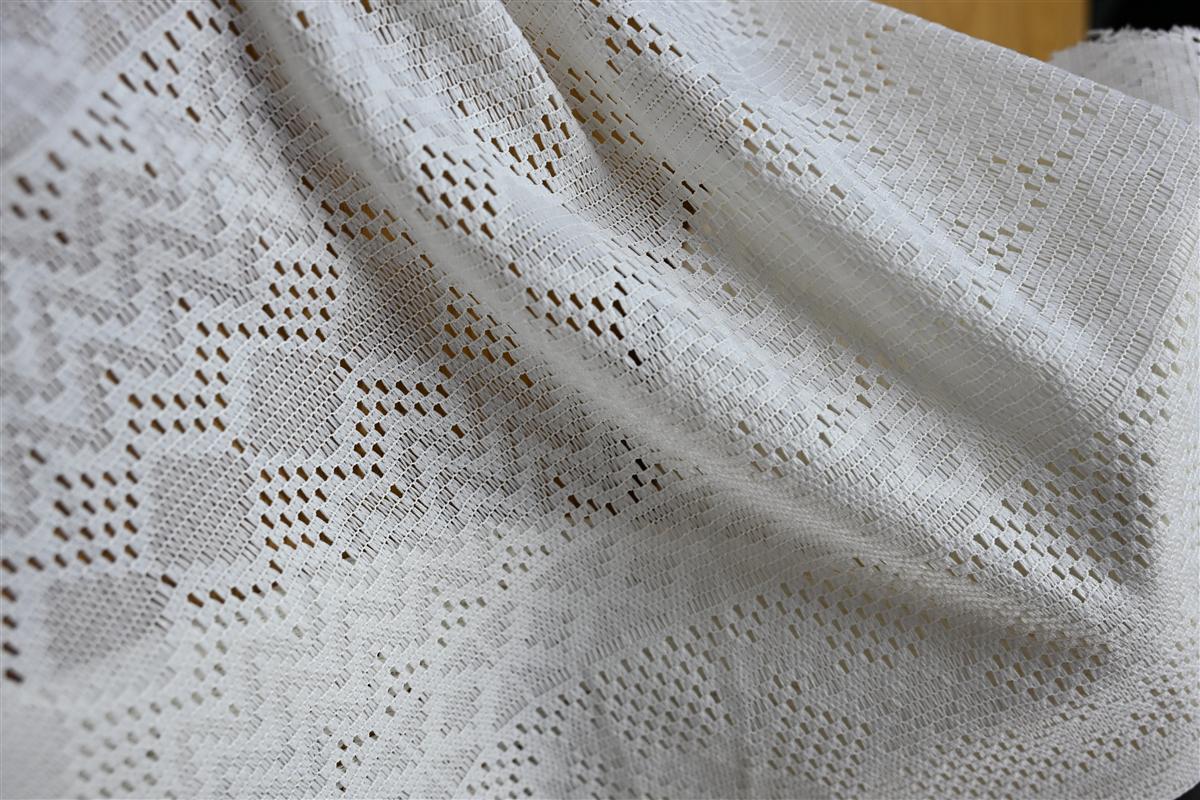
For a bias-cut slip that skims, choose a light, fluid knit. For a structured sheath or a ponte-style dress that holds its line, choose a denser mid weight with more body. For a wrap or a draped neckline, you want a jersey that hangs in soft folds without clinging. Matching the weight to the silhouette is what makes a dress look designed rather than just made.
Watch the defects
Knit defects show up fast on a dress. Spirality (where a seam twists) and needle lines can ruin a clean panel, and seam slippage can open a stitch under tension. Ask the mill to guarantee low spirality and to test seam strength. We cover the panel of knit defects in knit fabric defects and the seam side in seam slippage in knit fabric.
Order it right
At Fursone, we hold a 100M stock that ships in days with no minimum, so you can test a weight before committing, and we run custom from a 300M MOQ with 7-day sampling. Tell us the dress silhouette and the GSM you are targeting. For a broader drape guide, our bouclé dress GSM and drape article walks the selection. If you are building a full knit program, our knitted overcoat range shows how we handle heavier structured knits.
Video: fabric to garment effect
FAQ
What weight knit is best for a dress?
Depends on the silhouette. A light 160-220 GSM drapes fluid for a slip; a mid 240-300 GSM holds structure for a shift. Match the weight to the shape you want.
How do I stop a knit dress bagging?
Choose a knit with good recovery, so it stretches and snaps back. Test a swatch before you buy, and set a recovery value in your spec so the mill delivers it.
What is the difference between jersey and ponte?
Jersey is a light, fluid single-knit that drapes; ponte is a denser, double-knit with more body and recovery, which holds a structured silhouette without clinging.

Related Insights

Rib Knit Trims for Cuffs and Waistbands: 1×1, 2×2 and Tubular Compared
A cuff that opens up after three wears is almost never a fit problem. It...
Gauge and Machine Diameter in Knit Fabric: Reading a Specification
Two knitting mills can both quote a single jersey at 180 grams and deliver fabric...

Fibre Diameter and Micron: What the Number Means for Next-to-Skin Knitwear
Ask a knitwear buyer what makes a sweater comfortable and the answer usually comes back...