
Key Takeaway
Big mills need 1,000m+ to take an order. Here is why they turn away small designers — and how to source low-MOQ fabric, free colour matching and fast samples instead.
If you run a small fashion label or design studio, you already know the feeling: you find a fabric you love, you ask about an order, and the mill basically tells you to come back when you need 1,000 meters. It is one of the most common frustrations in fashion sourcing — and it is also an opportunity you can work around.
Why Big Mills Turn Away Small Designers
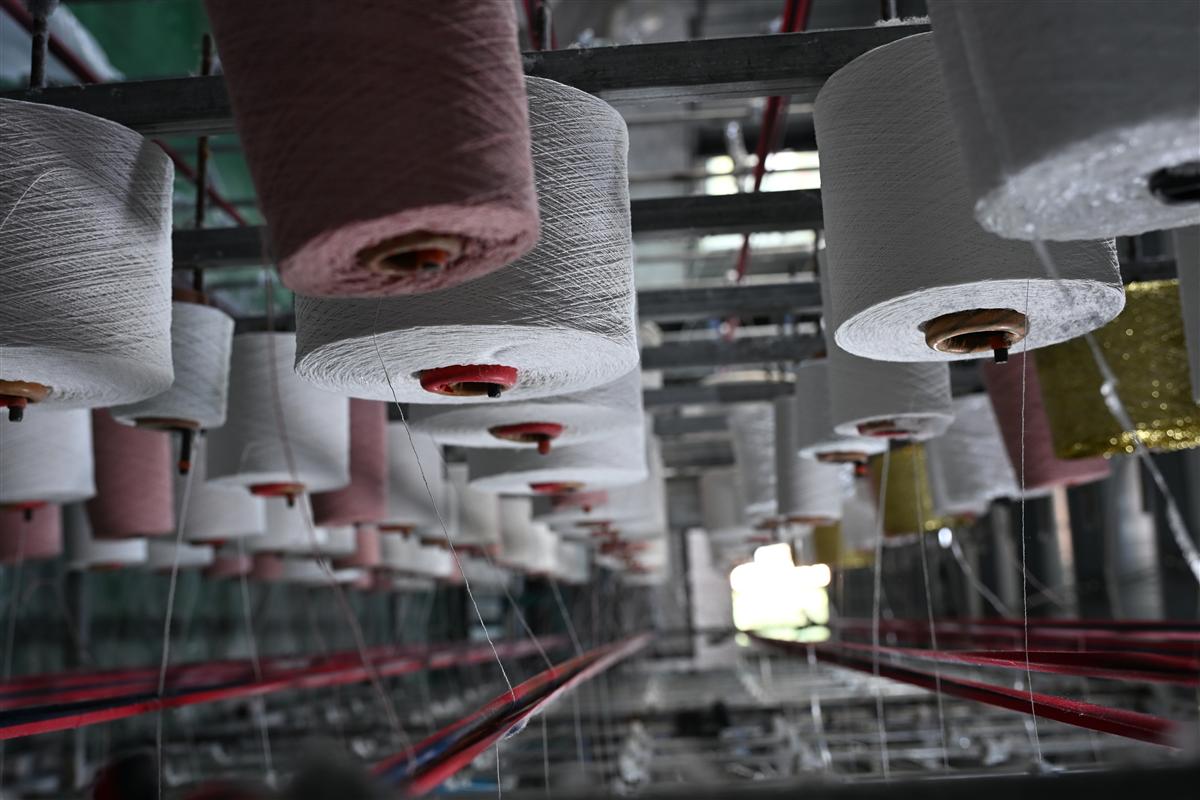
The reason is rarely personal and almost never about your design. It is about economics. Most large mills run long, colour-fixed production schedules where every run is planned around a minimum batch size. A small order — even a beautiful one — costs them more in setup, sampling and admin than it returns, so they price it out or decline it politely.
Common ways this shows up:
- High minimums. “We don’t take orders under 1,000m,” or a minimum that swallows a small collection whole.
- No colour help. Big mills will dye to a Pantone you supply — they rarely sit with you and help you match a shade or find a workable yarn.
- Slow, expensive sampling. Sometimes sampling is so slow and costly that by the time you have a swatch, the season has moved on.
- No hand-holding. You are one inquiry among thousands, so your questions get generic answers, or none at all.
What Small Designers Actually Need
Your requirements are different from a large brand’s — and that is exactly why the big-mill model does not fit you. What a small label or independent designer usually needs is:
- A small run you can actually afford, to test the market or build a capsule collection.
- A partner who will help you match a colour or source the right swatch, not just print a Pantone code.
- Fast samples you can show clients, take to a photoshoot, or run through your own QA.
- Honest guidance on what is realistic for low minimums and lead times.
None of that is “too much to ask.” You just need a supplier whose business is built around serving smaller orders — not one that tolerates them at the edge of a huge schedule.
The Hidden Cost of Forcing a Small Order Through a Big Mill
Pushing a small order through a factory designed for huge runs often costs more than it saves. You may end up buying way more than you need, paying for samples you never use, waiting longer than your launch allows, or compromising on the exact colour because “close enough” is all they offered.
The real job of a fabric partner is to help you make good product at the minimum you can sustain — not to make you buy the maximum they want to sell.
What to Do Instead: A Designer-Friendly Sourcing Playbook
If big mills are not a fit, build your sourcing around suppliers who are. Here is a practical checklist:
- Ask the minimum up front. Before you fall in love with a fabric, confirm the MOQ. If the number scares you, move on early.
- Look for “small run” signals. Suppliers who talk about designer-friendly minimums, sample-first workflows, or colour-matching services are describing your use case.
- Sample before you commit. Insist on seeing real swatches of your chosen colour and weight before any bulk order.
- Get colour help, not just Pantone codes. If a supplier will not sit with you on a shade, that relationship will not survive a real collection.
- Plan for growth. Find a partner you can start from one ready-stock roll today and grow into 300m custom programmes later — so the relationship scales with your brand.
Working With a Low-MOQ Fabric Partner
We built Fursone around designers and small brands precisely because the big-mill model leaves you out. That means a different set of defaults:
- Small orders welcome. Ready stock ships from one roll (approx. 20–50m); custom development starts at 300m per colour — no luxury-mill minimum to start.
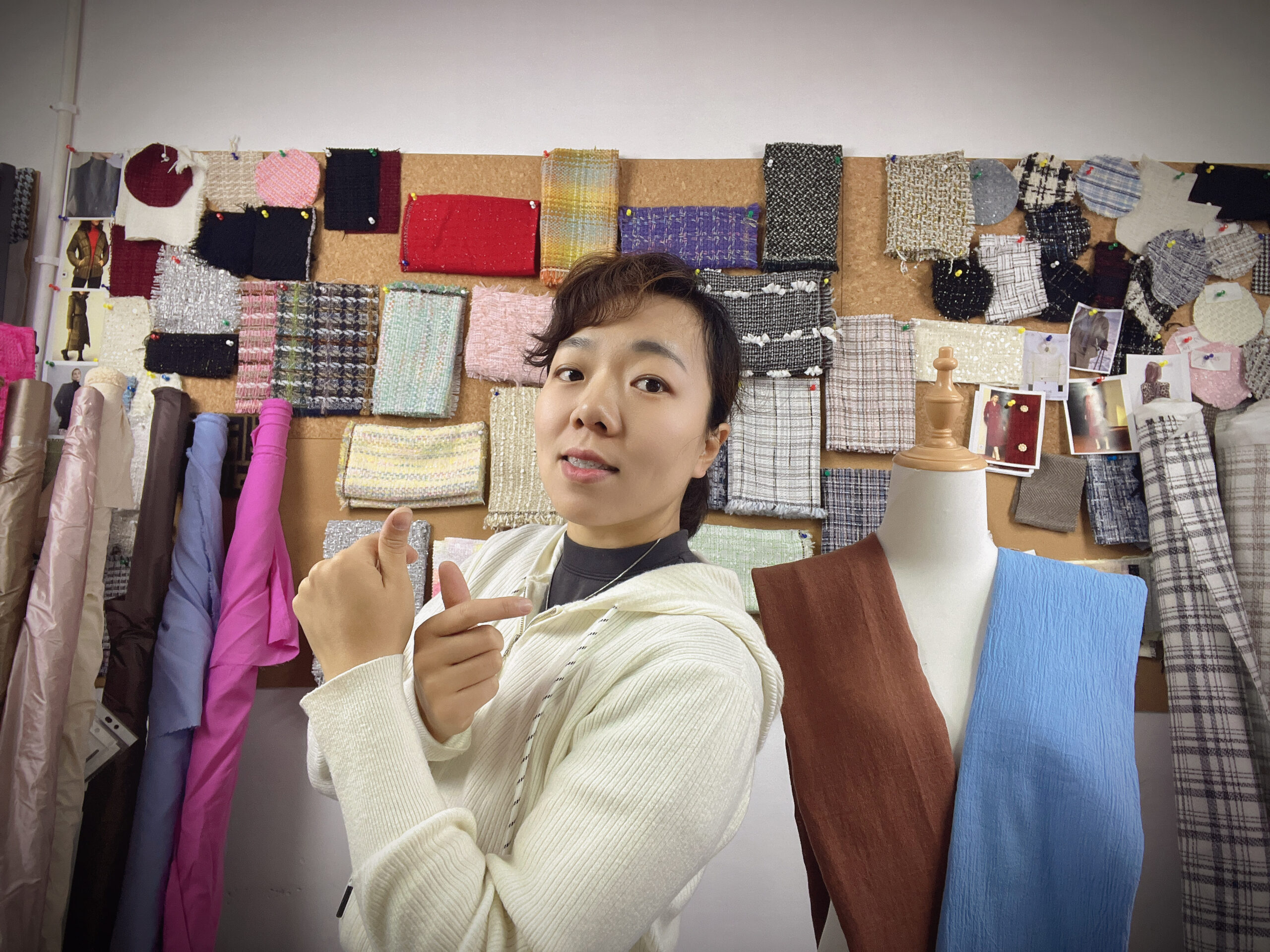
- Colour matching to brief. Send a Pantone, LAB or fabric reference and we confirm colour with a lab dip, then weave a 50–100m production-run sample. See Chanel-style tweed.
- Production-run samples. We do not ask you to approve bulk from an A4 swatch. A 50–100m mill sample, same process as bulk, takes 7–15 days.
- Hands-on guidance. We tell you what is realistic for your minimum, lead time and budget — and we stay with you as your order grows.
Whether you are sourcing woolen overcoat fabric, knitted coating, performance knit or fashion sweater knit, the principle is the same: start small, sample properly, and grow the relationship as your collection does.
Frequently Asked Questions
Why do big mills turn away small designers?
Large mills plan production around fixed batch sizes, and a small order costs them more in setup, sampling and admin than it returns — so they set high minimums or decline politely.
What is a realistic MOQ for custom fabric?
At Fursone, ready stock starts from one roll (approx. 20–50m). Custom colour or design programmes start at 300m per colour. Confirm the minimum before you commit.
Can I get help matching a colour or sourcing a swatch?
Yes — that is the whole point of working with a low-MOQ partner. Send a Pantone reference, a photo or a fabric you love, and they will help you match the shade and source the right swatch.
How fast can I get a fabric sample?
A 50–100m production-run sample, woven on the same process as bulk, typically takes 7–15 days. Ready-stock rolls dispatch in 3–7 days after confirmation and 100% T/T.
Can I start with a small run and scale up later?
Yes. Start from one ready-stock roll, then move to 300m custom programmes once the collection is proven.
Do you ship fabric samples internationally?
Most designer-friendly suppliers do. Ask about courier options and sample costs when you first reach out.
Start With the Sample
You do not need to commit to a huge run to start a relationship with a mill that actually wants your business. Request a fabric sample and see the colour, hand and weight for yourself — with a supplier built for small orders from day one.
Related Insights

Twenty Metres a Month From One Weaving Run?
A blanket order is one total commitment released in parts, and at twenty metres a...

A Name in the Selvedge: What the Edge Can Hold?
A woven name is a construction decision before it is a design decision. On a...
Backup Mill: What to Duplicate, What to Skip?
A backup mill is a second plant, not a second development. A buyer who already...