
Case Study: Winter Coat Brand Switches to Woolen Tweed for Lighter Weight
Winter coat buys are full of trade-offs. The heavier coat that drapes beautifully can be exhausting to ship and to wear, while a lighter fabric sometimes reads thin. One outerwear brand came to the mill wanting a woolen tweed that kept the classic matte texture and structure of a heavy overcoat but cut the unit weight enough to lower freight and make the garment easier to wear. This case study walks through the brief, the sampling and the bulk result — and the decisions that made it work.

The brief: keep the look, cut the weight
The brand wanted a fabric that still read as a proper winter overcoat cloth: matte surface, visible yarn character, a defined hand. But their previous cloth was heavy enough that a single order pushed the shipment into an expensive weight bracket, and buyers in milder markets found it too stiff and too warm. The goal was to take roughly a third of the weight off without losing the outerwear read. That is a narrow target on a woven cloth, because reducing weight usually means less yarn density, which can thin the surface and weaken the structure.
So the real challenge was structural, not simply “make it lighter.”
Choosing the wool content and weight
The mill built the fabric around a woolen tweed construction — a yarn that has the loft and matte character of a coat cloth — but adjusted the weight to sit in a lighter band. Because Fursone develops its own range with 300+ partner-mill looms and has been making Wenzhou tweed since 2020, the mill could control the yarn count and the weave density rather than buying a mill-standard cloth and hoping it worked. That is the difference between a fabric built to a brief and a fabric picked from a sample book.
The specified weight and the wool blend were set against a drop-weight target, and a swatch was produced to confirm the hand still read as outerwear.


Sampling: the 7-day loop made the change possible
Weight reduction is exactly the kind of brief that stalls when sampling takes six weeks. Here the mill used a rapid sampling process that delivered a custom sample in 7 days instead of a conventional 6-week cycle. That short loop let the brand test the lighter cloth in a toille, react to how it sewed and draped, and come back with a small adjustment — rather than committing to a weight blind and re-sampling months later. The quick loop is also how a buyer can keep iterating on hand without eating a season.
For the brand, that meant the lighter tweed was validated before it was committed to bulk.
The result and what it means on cost
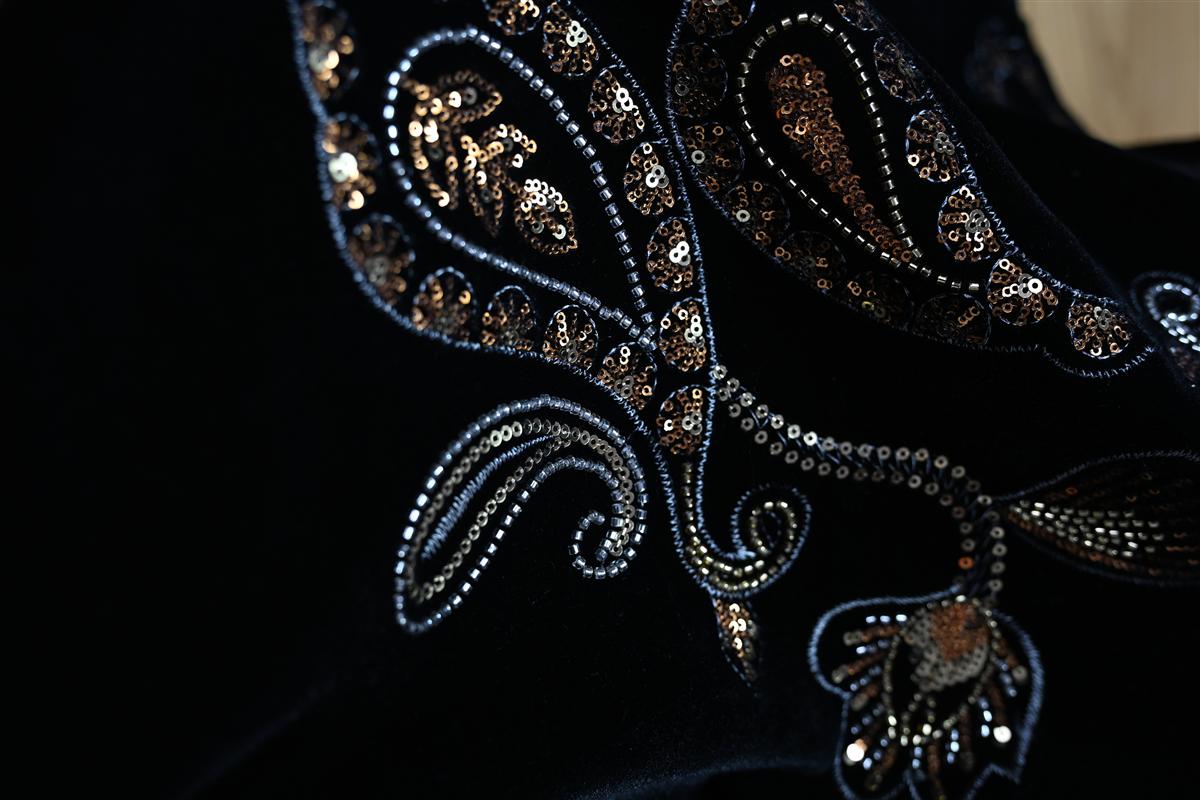
The fabric landed at the target weight, kept the matte outerwear read, and the brand could either ship more units per weight bracket or simply offer a lighter wear feel. Because the fabric is factory-direct from China, the unit price sat well below a comparable European mill’s quote for a similar woolen coat cloth — the “European quality at a fraction of the price” position the mill is built around — which meant the lighter construction did not push the coat into a premium price point the market would reject.
If a brand is sourcing a lighter winter cloth, weight is only one number; the HS classification and the finishing also matter. See how the stock vs custom MOQ decision changes a program, and how a fabric is graded A/B/C before it is accepted.
What a buyer should take from this
Three lessons. First, a weight reduction on a woven coat cloth is a construction problem, so work with a mill that can control yarn and weave rather than pick from a book. Second, a fast sampling loop is what lets you refine a narrow target without losing a season; a 7-day sample is a competitive tool. Third, the saving comes from factory-direct pricing plus a lighter fabric, so check the realistic landed cost rather than just the per-metre figure. To see how the mill handled a different kind of program, read our 7-day sample for a 3,000m tweed run.
If you have a specific weight or hand target, the mill’s woolen overcoat fabric page is where a brief usually starts.
FAQ
Is it possible to make a woolen tweed coat fabric lighter without losing the look?
Yes, but it is a construction problem. Reducing weight means lowering yarn density, which can thin the surface. Work with a mill that can adjust yarn count and weave density to keep the matte outerwear read at the lower weight, and validate in a toille before bulk.
How fast can a custom woolen tweed sample be produced?
With a rapid sampling process, a custom sample can be delivered in about 7 days instead of a conventional 6-week cycle. A fast loop lets you refine weight and hand without losing a season.
Does a lighter coat fabric reduce shipping cost?
It can. A lighter fabric lets you ship more units within a weight bracket or lower the total shipment weight, which cuts freight. The saving compounds when you also check the landed cost rather than just the per-metre price.
Why switch to woolen tweed for a lighter coat?
Woolen tweed has the loft and matte character of a proper coat cloth, so it keeps the outerwear read at a lighter weight than a denser construction. It is a way to keep the winter look while improving wear comfort and shipping cost.
For a closer look, see our guide on how to turn Pantone into a production colour.

Related Insights
Case Study: Startup Brand’s Two-Phase MOQ Strategy: Stock First, Custom Later
The most expensive mistake a startup fabric buyer makes is ordering custom fabric for a...
Case Study: Home Textile Brand Trials Tweed for Cushion Covers
When a home textile brand thinks about tweed, outdoor coats usually come to mind first....

Case Study: A Wholesaler’s First Custom Color, From Pantone to Production
How a fabric wholesaler turns a Pantone reference into a repeatable custom colour: light source,...