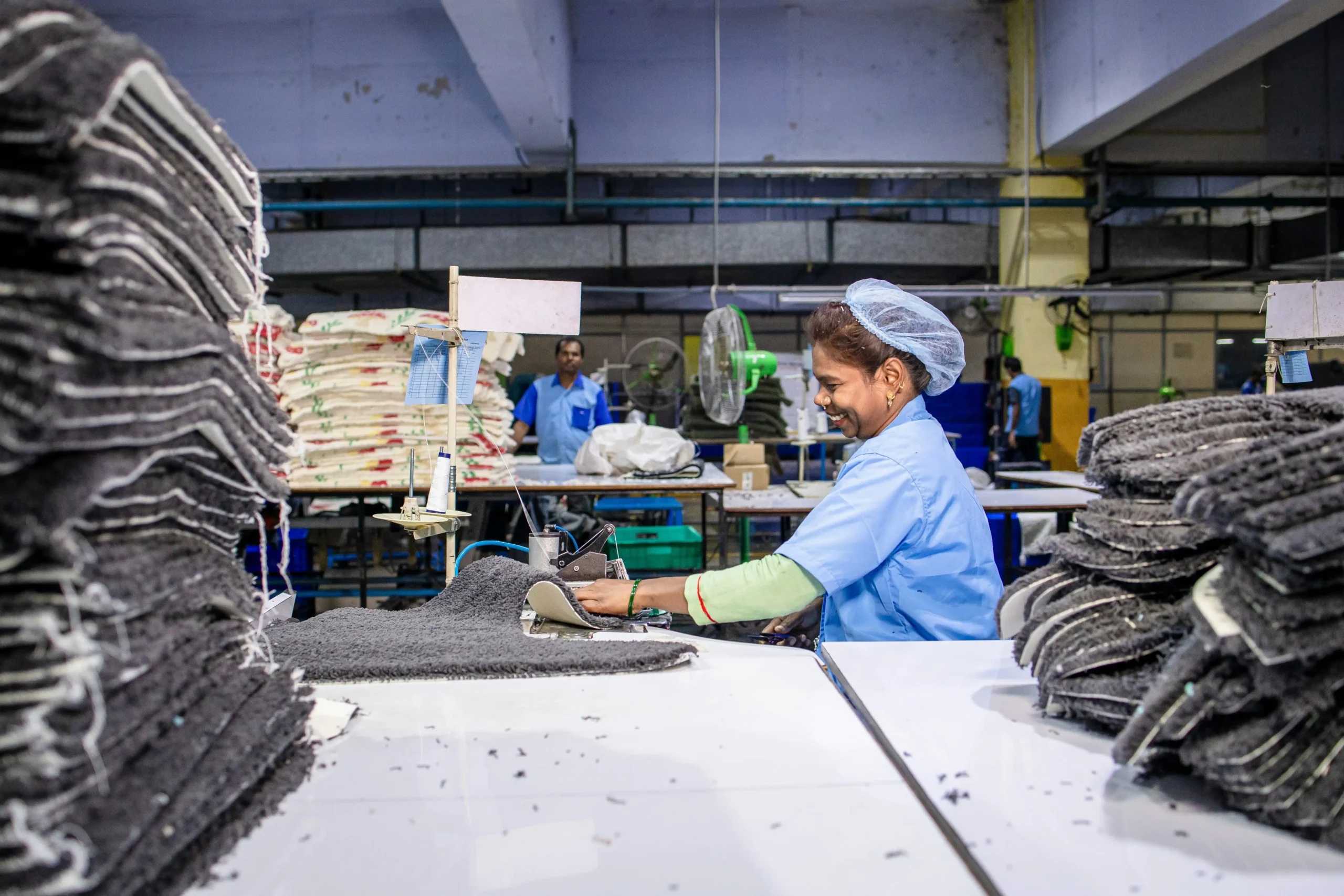
Wenzhou textile manufacturer workflows collide with calendar pressure every season, and as a sourcing manager you live with wait times, opacity in specs, and last‑minute change requests. Delivery windows slip more than you expect. You worry about inconsistent dye lots and fabric weight differences between batches that force costly rework and timeline slips. That reality shapes every supplier call. The real edge comes when you can verify production capacity and quality control remotely, through documented checks and concrete samples before a container loads.
Before booking any freight, demand three verifiable documents: a 500-hour salt spray test report, a four-week run-rate capacity forecast, and a two-quarter defect-by-lot ledger. If any documentation is missing, pause. That trio cuts the guesswork and flags hidden costs before they bloom into delays. You own the decisions, not the surprises.
Legacy of Wenzhou Textile Mills
Heritage drives predictable quality and audit readiness in Wenzhou mills.
Heritage matters for quality assurance
A genuine heritage mill maintains disciplined, end-to-end control. Fursone operates an in-house dye house with digital color-matching spectrophotometers to ensure dye-lot consistency, paired with a standardized finishing line that preserves hand-feel across batches.
This heritage foundation underpins audit readiness. A proven process lineage translates into clearer documentation, repeatable outcomes, and faster supplier assessments.
Origin in the 1990s from small family workshops
Wenzhou’s textile clusters grew from modest family workshops in the 1990s. Fursone traces its roots to that era, carrying forward a culture of hands-on craftsmanship and long-term supplier relationships that endure through today’s scale.
Fursone has >20 years continuous operation (since 1995) and institutional knowledge
Since 1995, Fursone has maintained continuous manufacturing in Wenzhou, totaling 25+ years of operation. That longevity yields institutional knowledge across weaving, dyeing, and finishing, driving stable processes and reliable supply.
Ability to replicate Chanel-style bouclé textures
As the direct source for Chanel-style bouclé and heritage cable knits, Fursone preserves signature textures through controlled finishing and consistent texture mapping across lots, enabling faithful replication for premium collections.
Newer mills (e.g., Maochuan, 2018) often lack refined finishing for high-end apparel
Industry signals show newer mills like Maochuan (est. 2018) focus on yarn supply and frequently overlook comprehensive fabric finishing. Buyers who assume yarn quality equates to final fabric quality often encounter finishing gaps when sourcing from yarn mills.
Importance of documented track record and factory audit readiness
A documented track record matters for risk-averse sourcing. Fursone offers decades of continuous operation, substantial ready stock, and clear audit-readiness credentials to support your supplier evaluations.
- In-house dyeing: Dye-lot consistency supported by digital color-matching spectrophotometers.
- Quality management: ISO 9001 quality management system across weaving, dyeing, and finishing.
- Certifications: OEKO-TEX Standard 100; GRS for sustainable yarns.
- Audit readiness: Third-party pre-shipment inspection available (SGS, Intertek).
- Inventory & lead times: 100,000+ meters in stock; 7-day rapid sampling; ready to scale.
Tweed vs. Yarn Mills: Key Differences
End-to-end control from yarn to finishing prevents color drift and hand-feel variation across repeat orders.
Yarn Mills: Raw Yarn, Not the Whole Picture
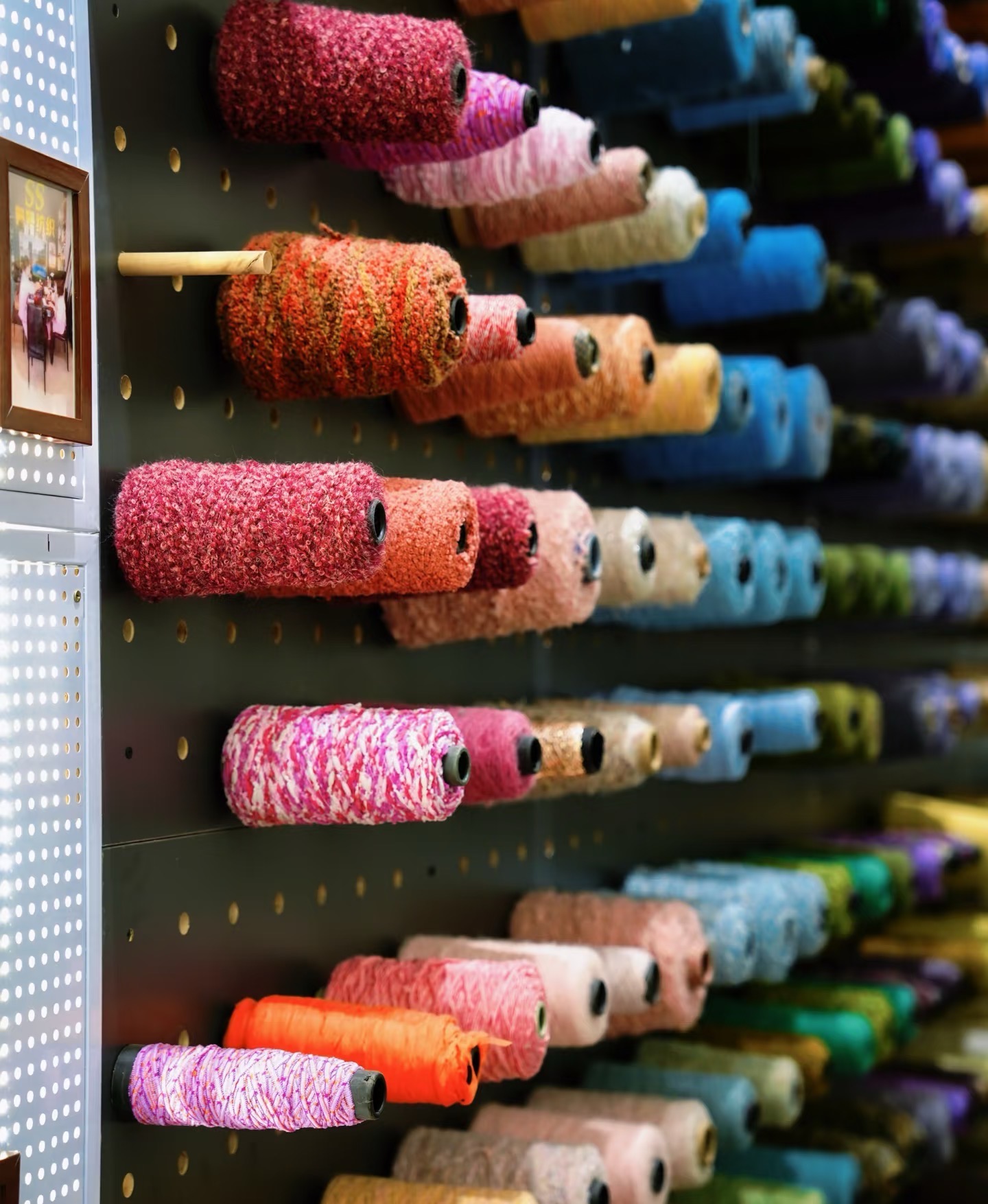
Yarn mills produce the base fiber but cannot guarantee fabric construction, drape, or final texture. They control spinning and yarn specs, but the leap from yarn to finished fabric introduces loom setup, weaving draft, and post-spinning finishing variables that affect hand feel and color uniformity. In short, you may get inconsistent results across lots when relying on yarn alone for tweed or bouclé.
Fabric Mills: End-to-End Control
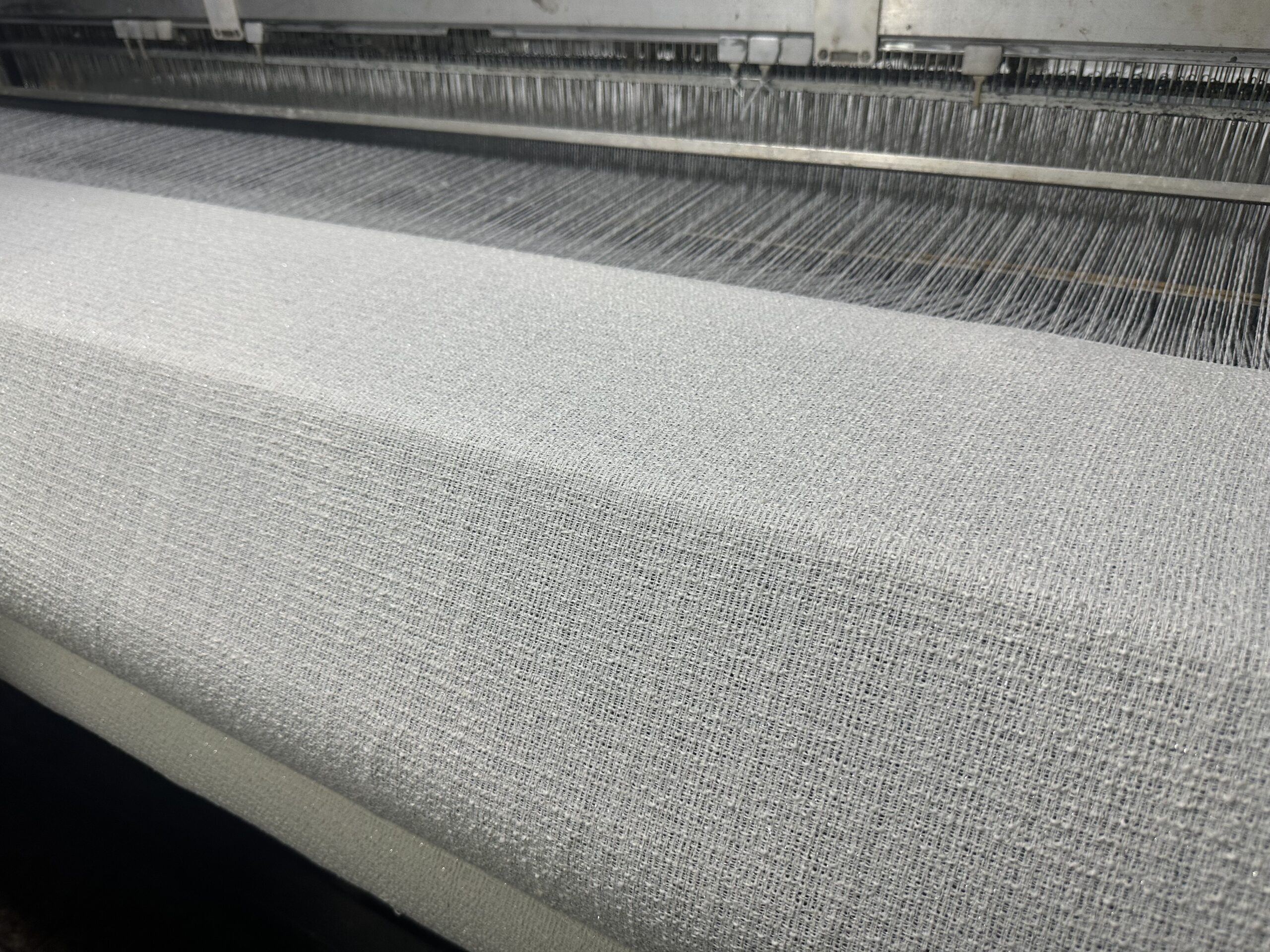
Fabric mills such as Fursone manage the entire value chain — yarn selection, weaving, dyeing, and finishing. This reduces the risk of mis-match between color shades and texture, delivering a consistent hand feel and drape across batches. In practice, this enables a repeat order to match the original sample with high fidelity, supported by in-house dyeing and finishing capabilities and a 7-day rapid sampling cycle (industry average is 14–21 days).
Vertical Integration: Consistent Quality for Repeat Orders
With vertical integration — weaving, dyeing, finishing under one umbrella — Fursone guarantees identical color and hand feel across production runs for repeat orders. This minimizes shade drift, ensures weight consistency, and lowers risk of hidden changes in texture. For sourcing teams, that translates to reliable lead times, predictable BOMs, and lower rework or scrap when replenishing tweed and bouclé fabrics.
Ready Stock & Custom MOQ Flexibility
TL;DR: Traditional MOQs are 3,000m+, Fursone offers 100m ready stock and 1,000m MOQ—speeding design testing with minimal capital risk.
Traditional mills require high MOQs (3000m+)
In most traditional mills, minimum orders start at about 3,000 meters or more. This creates capital risk for testing new textures and slows development cycles, forcing you to forecast demand far in advance.
Heritage-focused manufacturers offer 100m ready stock (ship in 3-7 days)
Fursone enables a ready-stock pool of 100 meters per texture, with shipments in 3-7 days. This reduces lead times significantly and supports rapid concept-to-swatch testing. In-house dyeing/finishing and digital color-matching help ensure dye-lot consistency and desirable hand-feel.
1000m custom MOQ for exclusive textures
Custom textures can be developed with MOQs as low as 1,000 meters, enabling exclusive textures without tying up large capital. This creates a safer path to premium launches and tested SKUs with controlled risk.
Lower commitment enables testing new designs without tying up capital
The combination of 1,000m MOQ and 100m ready stock reduces financial exposure while you test multiple textures and colors. This approach accelerates feedback loops and reduces the risk of unsold inventory.
Fursone stocks over 100,000 meters ready for immediate shipment
Fursone maintains over 100,000 meters of premium tweed and bouclé in stock for immediate shipment, ensuring reliable supply during fast-moving design cycles. The 7-day rapid sampling timeline lets you go from concept to swatch quickly, and the in-house dye house with digital color-matching spectrophotometers supports color accuracy across lots.
Rapid Sampling for Faster Time-to-Market
7-day rapid sampling is achievable via vertical integration and in-house color matching; traditional timelines run 14-21 days.
Rapid Sampling for Faster Time-to-Market
- Traditional lead-time: 14–21 days from concept to swatch due to iterative sampling rounds, color checks, and approvals.
- Vertical integration advantage: In-house yarn stocks and digital color matching enable a 7-day sampling turnaround.
- Seasonal timing: A 7-day sampling cycle aligns with fast-fashion seasons and tight trend windows.
- Due-diligence requirement: To guarantee 7-day delivery, verify the mill has its own dye house and finishing line.
Insight for you: demand a written 7-day sampling SLA backed by visible dye-lot traceability and ownership of in-house dyeing and finishing; it reduces delays and protects your time-to-market.
Quality Certifications & Factory Standards
Traceability you can trust: certified mills, in-house QA, and third-party inspections reduce risk across every shipment.
OEKO-TEX, GRS, ISO certifications common among top Wenzhou mills
Fursone aligns with industry-leading standards to ensure safety, sustainability, and consistent quality from weave to finish.
- OEKO-TEX Standard 100: Certification proving fabrics meet strict limits on harmful substances for global markets.
- GRS (Global Recycled Standard): Demonstrates recycled content and responsible production practices in yarns used by our fabrics.
- ISO 9001: Formal quality-management system governing weaving, dyeing, finishing, and QC processes to ensure repeatable performance.
- In-house dye house with digital color-matching spectrophotometers: Enables precise shade control and batch-to-batch consistency.
- Third-party inspection readiness: Pre-shipment inspections available via SGS or Intertek to validate dimensions, weights, and packaging.
Pre-shipment inspection reports and container loading photos for traceability
We provide independent pre-shipment inspection reports (SGS, Intertek) and container loading photos to confirm packaging accuracy and shipment readiness. Buyers receive batch numbers, dye-lot details, and photos tied to each container and pallet.
Premium fabric manufacturer maintains a dedicated QC team per production lot
Each production lot is overseen by a dedicated QC team with inline checks across weaving, dyeing, and finishing, followed by a final inspection before packing. This structured coverage minimizes cross-lot variation and accelerates issue resolution.
Defect rates reduced to below 2%
Our defect rate is maintained below 2% across production lots, driven by vertical integration, in-house color control, and disciplined process management.
Free replacement cushion for approved orders
We back approved orders with a free replacement cushion policy: if a defect is confirmed after approval, Fursone will supply a complimentary replacement cushion to keep your program on track.
Conclusion
Wenzhou mills have sustained 25+ years of continuous fabric manufacturing. Fursone’s vertical integration—from weaving to finishing—delivers ready stock, flexible MOQs, and a 7-day sampling cycle. Those advantages translate to 30-50% savings vs. European mills without sacrificing quality.
You can review your current sourcing mix and request a rapid sample to compare stock, color, and finish. Visit the product category page to see ready-stock fabrics, filter by weight and color, and request a sample.
Frequently Asked Questions
What is Wenzhou famous for producing?
Wenzhou is renowned for its specialized textile manufacturing ecosystem, particularly premium knit fabrics and woven textures such as Chanel-style bouclé, heritage cables, and tweed. The region’s mills blend design-forward innovation with scalable production and fast turnaround capabilities, making it a trusted source for international fashion brands. The Since 1995 Wenzhou Textile Expertise highlights 100M meters of in-stock material and 7-day rapid sampling as hallmarks of this legacy. Platforms like Fursone embody this heritage by connecting inspired design with seamless manufacturing.
Which city in China is famous for clothes?
Guangzhou is widely recognized as a leading center for clothing production and export in China, with a dense network of manufacturers, mills, and design studios. It sits in the Pearl River Delta, a major fashion cluster that supports everything from fabrics to finished garments. For premium textures such as bouclé and knits, Wenzhou mills can supply material to Guangzhou buyers, complementing the city’s manufacturing ecosystem. The combination of scale, markets, and rapid sourcing makes Guangzhou a go-to hub for clothes.
Where to buy fabric in Guangzhou?
In Guangzhou, you can source fabrics through large textile markets and showrooms across the city, including clusters in Haizhu District and around wholesale districts. These channels offer a broad range of textiles, from premium weaves and knits to commodity fabrics, with options for ready stock and custom orders. For brands seeking Chanel-style bouclé and heritage knits, pairing Guangzhou sourcing with a trusted partner like Fursone provides 100M meters in stock, 3–7 day shipping, and rapid 7-day sampling. Always verify material certificates and MOQs to match your collection needs.
Are Walmart products made in China?
Yes. Walmart sources products from China, and a substantial portion of its apparel and other goods come from Chinese factories. Walmart maintains a diversified, global supply chain with manufacturing and sourcing in multiple regions to balance cost, lead time, and quality. If you’re evaluating textile partnerships, Chinese mills—like those in Wenzhou—are often part of larger, international sourcing ecosystems used by global retailers. This footprint reflects Walmart’s broader strategy of pairing scale with global sourcing flexibility.
What is the typical MOQ for custom fabric from Wenzhou mills?
The typical custom fabric MOQ from Wenzhou mills is around 1000 meters, a standard that enables exclusive textures while limiting upfront risk. This 1000M threshold is common for premium, bespoke textures produced for fashion collections. Some mills may offer smaller runs for prototypes or pilot orders, but 1000 meters remains the benchmark for most bespoke programs. Fursone’s model mirrors this approach, providing 1000M custom MOQs with rapid development.