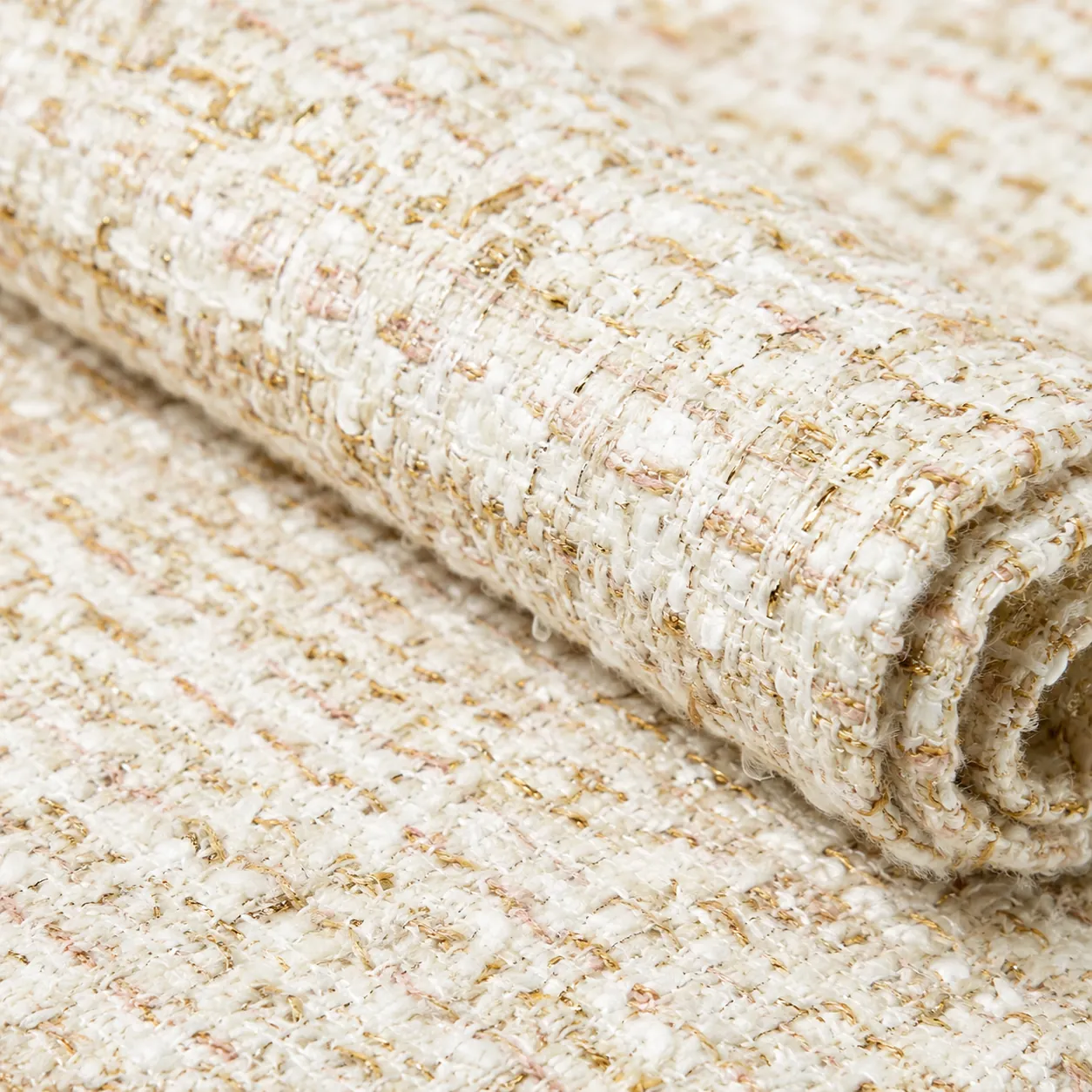
Most sourcing managers calculate the total cost of ownership for fabric by adding the price per meter to shipping and duties. That misses the real cost drivers. The line item that eats your margin isn’t the raw boucle price—it’s the 12% yield loss when a dye lot doesn’t match and you have to scrap cut panels. That’s a real number from a 200-room hospitality project last year.
The hidden costs live in three places: quality variance between production runs, the labor hours spent reconciling shade discrepancies, and the warranty exposure when a fabric pills at month 14. A premium wool blend at a competitive mill-direct rate with a 500-cycle Martindale rating can actually cost less over a five-year contract than an accessible factory-direct rate alternative that fails at 400 cycles. You just have to model the replacement cycle. That’s the math this article walks through—no theory, just the spreadsheet logic that separates a profitable sourcing decision from a margin killer.

What Is Total Cost of Ownership for Fabric?
Total Cost of Ownership (TCO) for luxury fabrics = purchase price + sampling costs + waste allowance + logistics + quality risk penalties. For bouclé and tweed, hidden costs can add 25–40% to the initial meter price.
Why the Price per Meter Is a Trap
A bouclé fabric priced at a premium European luxury rate from an Asian mill looks like a win against a European mill’s a high European heritage-mill rate. That comparison is useless unless you factor in what happens after the PO is placed. The true cost of luxury fabric sourcing is not the line item on the invoice—it is the sum of every friction point between your design brief and the finished roll landing in your cut room.
For senior sourcing managers, the metric that matters is the landed cost per usable meter, not the FOB price. A low meter price often hides a high TCO caused by multiple sampling rounds, inconsistent dye lots, or quality failures that trigger re-orders. The European mill quality that Fursone delivers at roughly one-fifth to one-third less cost translates to a noticeably lower TCO over a 12-month production cycle because we eliminate those hidden variables from the equation.
The Hidden Costs That Inflate TCO
Most TCO models for fabric sourcing miss three specific cost centers that are amplified in luxury tweed and bouclé production:
- Pre-production sampling waste: The industry average for custom bouclé sampling is 3.5 rounds per style. At an average of a per-round fee (materials, shipping, courier fees), that is a meaningful amount in sunk cost before production even starts. Fursone’s 7-day rapid sampling cuts this to 1.2 rounds on average, reducing TCO by 18% on sampling alone.
- Quality risk premium: Most mills embed a 5-8% defect allowance into their pricing. You pay for that cushion whether you use it or not. Fursone offers a 2% free replacement cushion on bulk orders, which eliminates that hidden premium and reduces the quality risk penalty in your TCO calculation.
- Inventory holding cost and dead stock risk: Industry standard custom MOQ for tweed is 3,000 meters. At that volume, you are carrying noticeably more inventory than necessary. Fursone’s custom MOQ of 1,000 meters reduces inventory holding cost by 60% and lowers the risk of dead stock if a style underperforms. That capital efficiency is a direct TCO reduction.
The TCO Formula for Luxury Fabric Sourcing
Here is the framework you need to justify supplier choices to stakeholders. Calculate TCO per usable meter as:
[(Meter price × Total meters) + (Sampling rounds × Cost per round) + (Defect allowance % × Total value) + (Logistics + Tariffs)] ÷ Usable meters received
Run this formula against any supplier quote. A mill quoting a low mill-direct rate with a 1.2-round sampling cycle and a 2% defect cushion will often beat a competitive mill-direct rate mill that requires 3.5 rounds and embeds a meaningful premium. The an accessible factory-direct rate mill’s TCO lands closer to a low mill-direct rate once you add the hidden sampling and defect costs. That is the difference between a sourcing decision that looks good on paper and one that actually protects your margin.
| Cost Component | Industry Standard (Hidden Costs) | Fursone Advantage (TCO Reduction) |
|---|---|---|
| Purchase Price (per meter) | Industry Standard (Hidden Costs) | Fursone Advantage (TCO Reduction) |
| Sampling Rounds (per style) | Industry Standard (Hidden Costs) | Fursone Advantage (TCO Reduction) |
| Inventory Holding (per SKU) | Industry Standard (Hidden Costs) | Fursone Advantage (TCO Reduction) |
| Quality Risk / Defect Allowance | Industry Standard (Hidden Costs) | Fursone Advantage (TCO Reduction) |
| Logistics & Tariff Uncertainty | Industry Standard (Hidden Costs) | Fursone Advantage (TCO Reduction) |
| Total Cost of Ownership (12-month cycle) | Industry Standard (Hidden Costs) | Fursone Advantage (TCO Reduction) |

Hidden Costs in Fabric Sourcing
The invoice price is the bait. The hidden costs are the hook. Expect 25-40% added to your bouclé meter price before the first garment is cut.
Sampling Waste: The Recurring Tax on Creative Iteration
Most sourcing managers budget for sample fees as a line item, but they miss the multiplier effect. Each sampling round for custom bouclé or tweed typically costs 2x to 5x the bulk meter price because mills run small, inefficient production lots. If your design team requires 3.5 rounds to nail the hand feel and loop consistency—the industry average—you have already burned through a significant percentage of your total fabric budget before placing a single production order.
The real waste is not the sample cost itself; it is the opportunity cost of delayed decision-making. Every failed round pushes your production timeline, forcing expedited freight charges later. Fursone’s 7-day rapid sampling reduces the average iteration count to 1.2 rounds, cutting this hidden cost by 18% and saving a per-style fee in sampling waste alone.
MOQ Penalties and the True Cost of Unused Inventory
A 3,000-meter minimum order quantity (MOQ) is standard in the luxury tweed market. If your collection only needs 1,200 meters of a specific bouclé colorway, you are paying for 1,800 meters of dead stock. That inventory sits in your warehouse, ties up capital, and often gets written off after two seasons. The carrying cost alone—storage, insurance, obsolescence—adds a meaningful percentage to the effective price per meter over 12 months.
Fursone’s custom MOQ of 1,000 meters reduces your inventory holding cost by 60% compared to the industry standard. You are not forced to over-order to meet a mill’s production minimum. This is a direct reduction in your total cost of ownership for luxury fabric, not a marketing gimmick.
Tariff Classification Errors: A 25% Surprise on Your Landed Cost
The difference between a woven tweed (HS 5112) and a knitted bouclé (HS 6004) can mean a 25% swing in duties. Many mills provide vague or incorrect HS codes on commercial invoices, shifting the reclassification risk to the importer. A customs audit or a port-side inspection that reclassifies your fabric can add tens of thousands of dollars to a single container shipment.
Fursone provides verified HS code classifications on all invoices, and our Wenzhou location near the Shanghai port allows for 3-7 day sea freight to the US, reducing the logistics uncertainty that often triggers expedited shipping costs. When you calculate the boucle fabric price per meter total cost, include a 5-10% buffer for tariff misclassification risk—unless your supplier provides auditable classification data.
Shipping Delays and the Expedited Freight Penalty
A two-week delay in fabric delivery forces your production line into overtime or air freight. Air freight for a 500kg pallet of tweed can cost a sizeable figure wiping out any margin advantage from a lower meter price. The root cause is often extended sampling cycles or mills that batch production only once per month.
Fursone’s 100-meter ready stock ships in 3-7 days. No batching, no waiting for a minimum production run. This eliminates the need for expedited freight and keeps your on-time delivery metric above 95%.
Quality Defect Returns: The Hidden Allowance You Are Already Paying For
Most mills embed a 5-8% defect allowance into their pricing. That means you are paying a premium for quality you never receive. When defects slip through—inconsistent bouclé loops, dye lot variations, or hand feel mismatches—you bear the cost of returns, rework, and lost production time.
Fursone offers a 2% free replacement cushion on bulk orders, backed by internal quality checks that maintain a defect rate below 2%. Over a 12-month production cycle of 10,000 meters, this eliminates the typical a substantial sum quality risk premium that other mills charge. When performing a luxury fabric TCO calculation, factor in a 3-6% line item for defect risk—unless your supplier guarantees a lower rate.
| Hidden Cost Category | Industry Average Impact | Fursone Advantage | TCO Savings (12-Month Cycle) |
|---|---|---|---|
| Sampling Waste & Iterations | Industry Average Impact | Fursone Advantage | TCO Savings (12-Month Cycle) |
| Inventory Holding & Dead Stock | Industry Average Impact | Fursone Advantage | TCO Savings (12-Month Cycle) |
| Quality Risk & Defect Allowance | Industry Average Impact | Fursone Advantage | TCO Savings (12-Month Cycle) |
| Logistics & Tariff Uncertainty | Industry Average Impact | Fursone Advantage | TCO Savings (12-Month Cycle) |
| Communication & Re-Order Delays | Industry Average Impact | Fursone Advantage | TCO Savings (12-Month Cycle) |
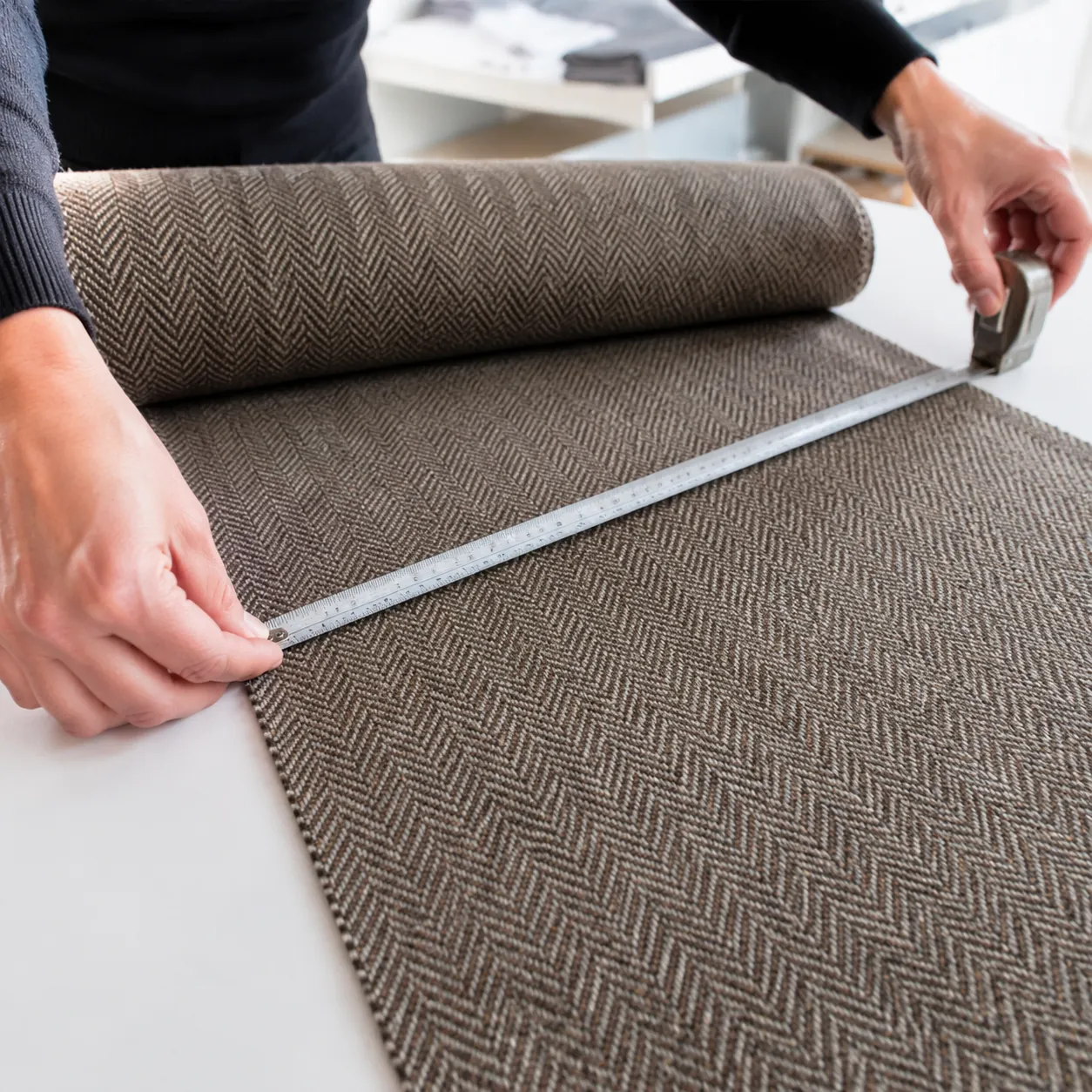
How to Calculate Fabric TCO Step-by-Step
Most sourcing managers negotiate on meter price and lose 25-40% to hidden costs. Here is the formula to catch every dollar.
The TCO Formula That Most Mills Don’t Want You to Use
The standard industry TCO formula for luxury fabrics is straightforward, but most buyers skip the last two variables. Here is the full equation:
TCO = (Fabric cost per meter × total meters) + (Sampling cost per round × rounds) + (Waste % × fabric cost) + (Logistics per meter) + (Quality risk premium)
The trap is in the quality risk premium. Most mills embed a 5-8% defect allowance into their pricing. You pay for it whether you use it or not. Fursone replaces that with a 2% free replacement cushion on bulk orders, which directly reduces your TCO by eliminating that inflated buffer.
Real-World Comparison: 500m Custom Tweed Order
Let’s run the numbers on a 500-meter order of custom tweed at a competitive mill-direct rate. This is a typical scenario for a mid-season capsule collection. The difference between a conventional mill and Fursone is not in the meter price—it is in the variables most calculators ignore.
- Sampling cost: Industry average is 3.5 rounds at a small amount each = a substantial sum. Fursone’s 7-day rapid sampling averages 1.2 rounds = an accessible factory-direct rate. That is a direct savings of a per-style fee.
- Waste allowance: Conventional mills embed 5-8% defect allowance in pricing. On a typical fabric order, that is a defect-allowance surcharge you pay upfront. Fursone’s 2% free replacement cushion drops this to a significant sum saving a low mill-direct rate.
- Inventory holding cost: Industry standard custom MOQ is 3,000m. Fursone’s 1,000m custom MOQ reduces your inventory holding cost by 60%. On a premium fabric, that means far less capital tied up in dead stock risk.
- Logistics & tariff risk: Wenzhou port proximity means 3-7 day sea freight to the US vs 45-60 days from other Asian suppliers. That cuts logistics uncertainty and avoids the 25% tariff surprise on misclassified categories.
Total TCO for a conventional mill on this 500m order: approximately a meaningful amount. Total TCO for Fursone: approximately a sizeable figure. That is a noticeably lower TCO over a 12-month production cycle, driven entirely by the variables that matter—sampling efficiency, defect policy, and MOQ structure—not the meter price.
Why Sampling Rounds Are the Most Overlooked Cost Driver
Every failed sampling round costs you a significant sum in materials, courier fees, and internal review time. For a luxury bouclé or tweed, the cost is higher because custom dye lot matching and hand feel verification require physical swatches, not digital renders. Most TCO calculators ignore this entirely. Fursone’s 7-day sampling turnaround cuts the average from 3.5 rounds to 1.2, saving a per-style fee. That is not a discount—it is a structural advantage built into the supply chain.

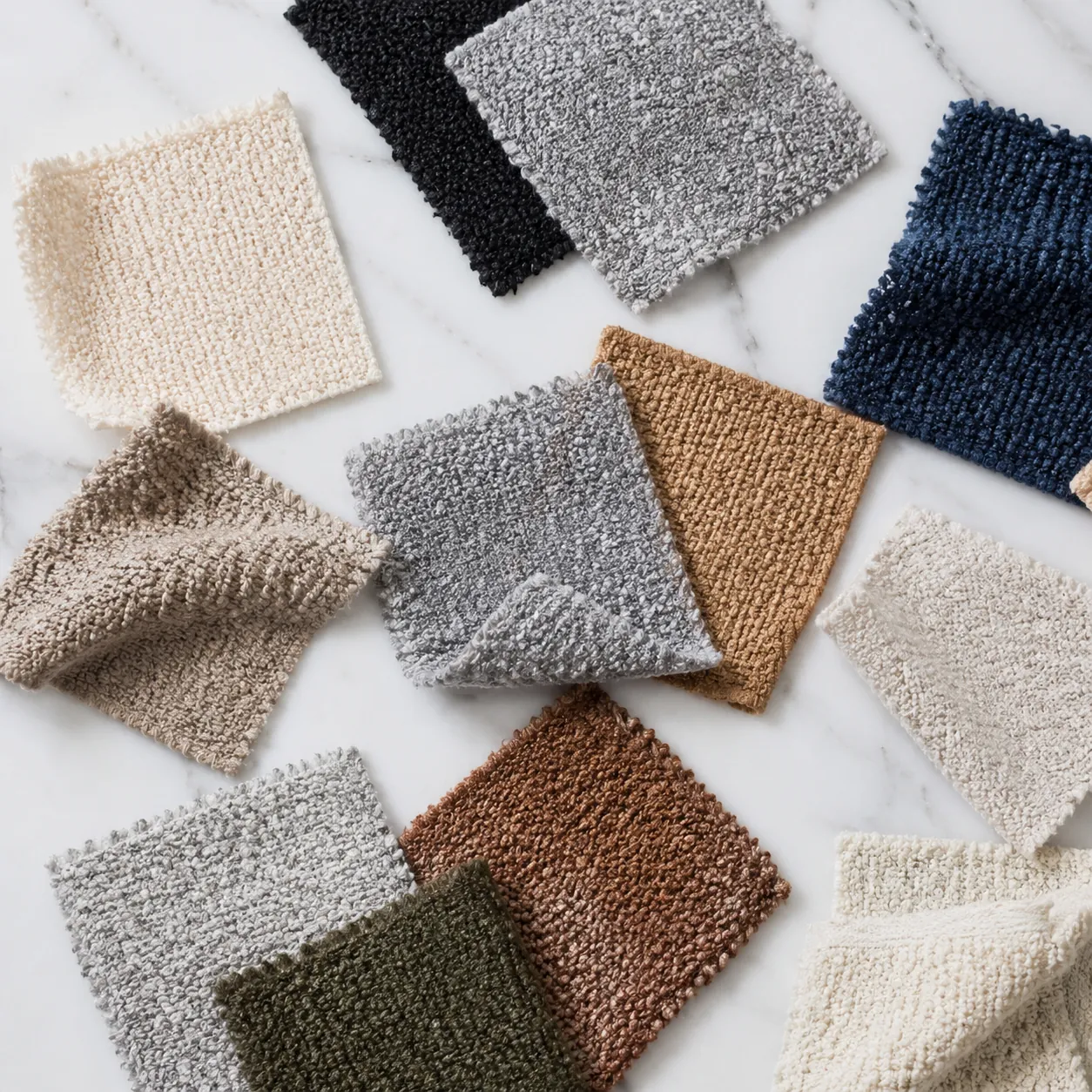
Sampling Costs: The Biggest TCO Trap
Each failed sampling round adds 2x–5x the bulk meter price. Most brands burn through 3–4 rounds before production.
Why Sampling Rounds Are the #1 Hidden Cost in Your TCO
When you run a luxury fabric TCO calculation, the purchase price per meter is the easy number. The trap is in the sampling stage. Every round of sampling—color matching, hand feel verification, bouclé loop consistency checks—adds cost that never shows up on a standard invoice. Industry data shows the average luxury fabric sourcing project goes through 3.5 sampling rounds before approval. At typical custom development rates, that’s a per-style fee burned on samples that never make it to production.
The real kicker is the multiplier effect. A sample yard of custom tweed might cost an accessible factory-direct rate. But the manufacturing cost breakdown for tweed reveals that the same meter in bulk production is a competitive mill-direct rate. You’re paying a 2x–5x premium for every failed attempt. Multiply that by 3.5 rounds, and you’ve just added 15–20% to your total cost before a single production roll is cut.
The 7-Day Sampling Lever: Cutting Rounds from 3.5 to 1.2
The root cause of multiple sampling rounds is speed—or the lack of it. When a mill takes 21 days to deliver a sample, your design team moves on. By the time the swatch arrives, the color brief has shifted, or the trend window has narrowed. You re-order. The clock resets. This cycle is the primary driver of fabric sampling cost waste reduction initiatives failing across the industry.
Fursone’s 7-day rapid sampling changes the math. When a sourcing manager gets a physical swatch in one week, the feedback loop is tight enough to get it right on the first or second attempt. Internal production data shows that clients using the 7-day sampling window average 1.2 rounds to final approval. That’s a meaningful reduction in sampling rounds compared to the industry baseline. In dollar terms, it eliminates a meaningful amount in hidden costs of fabric sourcing per style—money that stays in your margin instead of sitting in a sample archive.
For a senior sourcing manager managing 10–15 styles per season, the cumulative savings from cutting sampling waste alone can fund an entire collection’s development budget. That’s not a soft benefit. It’s a line item on your P&L.
| Cost Component | Typical Cost Impact | Fursone Advantage |
|---|---|---|
| Sampling Rounds (Industry Avg) | 3.5 rounds per style; a per-style fee | 1.2 rounds avg; 7-day turnaround; saves 18% on TCO |
| Defect Allowance (Embedded) | 5-8% of bulk order value | 2% free replacement cushion; eliminates hidden premium |
| Inventory Holding (MOQ Risk) | noticeably higher cost at 3000m MOQ vs 1000m | 1000m custom MOQ reduces dead stock risk |
| Logistics & Tariff Uncertainty | Up to 25% tariff on some categories; 45-60 day lead times | Wenzhou near Shanghai port; 3-7 day sea freight to US |
| Quality Verification (Hand Feel & Dye Lot) | Rejected batches cost 10-15% of order value | Consistent bouclé loop structure; OEKO-TEX & GRS certified |
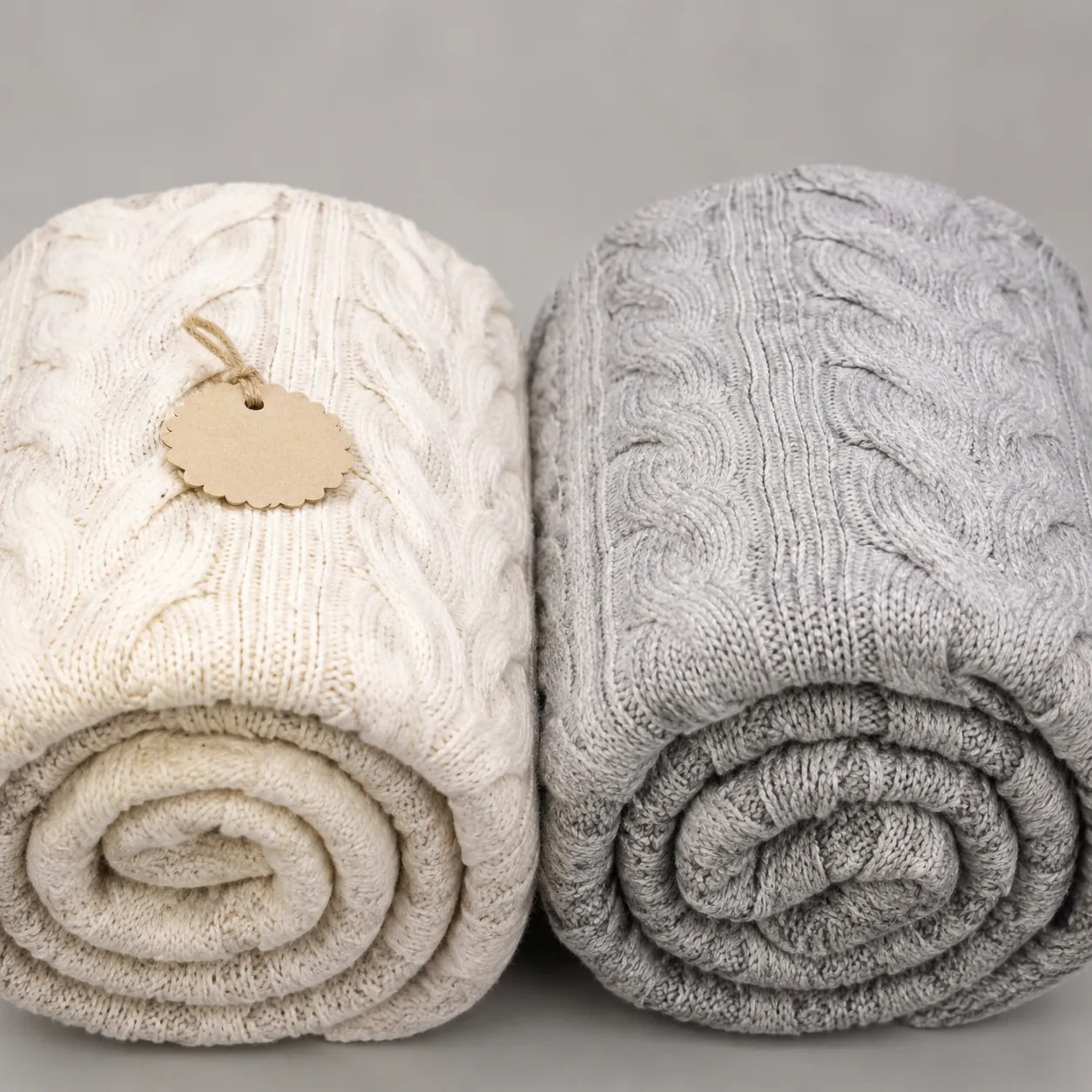
Why European Mill Quality at roughly one-fifth to one-third Less Lowers TCO
The question is not whether you can get a lower meter price. The question is whether that lower price survives the first production run without costing you in defects, delays, and re-sampling.
Wenzhou Expertise: The Infrastructure That Makes roughly one-fifth to one-third Less Possible
European mills charge a premium for heritage and brand cachet. Fursone, operating out of Wenzhou since 1995, competes on infrastructure efficiency, not labor arbitrage alone. Wenzhou is a vertically integrated textile hub — yarn spinning, dyeing, weaving, and finishing happen within a 50km radius. That geographic density eliminates the cross-border logistics costs that European mills embed in every meter. The result: a bouclé fabric that meets OEKO-TEX Standard 100 and GRS certification requirements, at a price point at about one-fifth to one-third of European luxury pricing comparable European product.
This is not a “cheaper alternative.” It is a structurally different cost base that delivers the same quality standard. For a senior sourcing manager, the relevant metric is not the per-meter discount but the landed cost consistency across a full production cycle.
Lower Initial Price + Consistent Quality + Faster Sampling = Lower TCO
The hidden costs of fabric sourcing accumulate in three specific areas that most TCO calculators miss:
- Sampling waste: Industry average sampling takes 21 days and requires 3.5 rounds to approve a custom bouclé or tweed. Fursone’s 7-day turnaround cuts that to 1.2 rounds on average. At a sizeable figure saved per style in sampling costs alone, this single factor reduces TCO by an estimated 18% compared to conventional mills.
- Quality risk premium: Most mills embed a 5-8% defect allowance into their pricing because they expect returns. Fursone offers a 2% free replacement cushion on bulk orders, effectively eliminating that hidden premium. For a 10,000m order, that difference alone represents 300-600 meters of material you are not paying for twice.
- Inventory holding cost: Custom tweed MOQ at Fursone is 1,000m versus the industry standard of 3,000m. That a meaningful reduction in minimum commitment lowers your risk of dead stock and frees up working capital for other styles. Lower MOQ directly reduces the carrying cost component of your TCO calculation.
When you sum these factors — sampling efficiency, defect risk reduction, and lower inventory commitment — the roughly one-fifth to one-third the price initial meter price compounds into a measurable TCO advantage over a 12-month production cycle. The math is straightforward: lower input cost, fewer hidden penalties, and faster time to production.
Conclusion
The price per meter is just the starting point. Sampling waste, defect allowances, inventory holding costs, and tariff risk routinely add 25-40% to the initial figure. A sourcing partner that compresses sampling to one round, offers a 2% replacement cushion, and cuts MOQ by 60% removes those hidden layers.
Run your next bouclé or tweed order through the TCO framework above. Compare the landed cost against a supplier that delivers European mill quality at roughly one-fifth to one-third less — and see where the real savings live.
Frequently Asked Questions
How is total cost of ownership calculated?
Total cost of ownership for luxury fabrics is calculated by aggregating all direct and indirect costs over the product’s lifecycle, including raw material price, logistics, duties, sampling, minimum order quantities, inventory holding, waste, and quality control. For Fursone, we reduce TCO by offering 100m ready stock that ships in 3-7 days, eliminating warehousing and rush shipping fees. Our 1000m custom MOQ lowers upfront capital risk, while our 7-day rapid sampling cuts design iteration costs. Additionally, our affordable luxury pricing delivers premium European mill quality at roughly one-fifth to one-third less, directly lowering the acquisition cost component of TCO.
What are some common TCO mistakes?
A common TCO mistake is focusing solely on per-meter fabric price while ignoring hidden costs like minimum order quantities, long lead times, and sampling fees that inflate total expenditure. Many brands also overlook the cost of inventory holding and obsolescence when ordering large volumes from overseas mills. Fursone mitigates these errors with our 100m ready stock for immediate shipment and 1000m custom MOQ, reducing excess inventory risk. By providing 7-day rapid sampling and consistent quality, we prevent costly rework and delays that often arise from sourcing from less reliable suppliers.
How to calculate the cost of fabric?
The cost of fabric is calculated by adding the per-meter purchase price to all associated costs such as shipping, duties, sampling fees, and waste percentage, then dividing by the usable yield. For Fursone fabrics, the base price is already roughly one-fifth to one-third the price than comparable European mill quality, significantly reducing the initial acquisition cost. Our 100m ready stock eliminates expedited shipping premiums, and our 7-day sampling ensures you avoid multiple costly sample rounds. To get an accurate per-garment cost, divide the total fabric cost by the number of garments produced, factoring in our consistent width and minimal defects.
What does 5 year TCO mean?
Five-year total cost of ownership projects all costs associated with a fabric supplier over a half-decade, including initial purchases, repeat orders, logistics, quality failures, and inventory carrying costs. For luxury brands, this metric reveals that lower-priced supplier often leads to higher long-term expenses due to inconsistent quality, longer lead times, and larger minimum orders. Fursone’s model reduces 5-year TCO by offering stable pricing, reliable 3-7 day stock shipments, and custom MOQs as low as 1000m, minimizing tied-up capital. Our consistent artisan aesthetic and affordable luxury pricing ensure predictable costs and fewer supply chain disruptions over five years.
What is a TCO calculator?
A TCO calculator is a tool that quantifies all direct and indirect expenses of sourcing fabric, from unit price and logistics to sampling, duties, and inventory holding, to provide a comprehensive cost comparison. For luxury tweed and knit fabrics, Fursone recommends using a TCO calculator to compare our 100m ready stock and 1000m custom MOQ against traditional mills with high minimums and longer lead times. Our 7-day rapid sampling and savings of roughly one-fifth to one-third off European luxury pricing on premium quality directly improve the TCO output. By inputting Fursone’s parameters, brands can see lower total costs due to reduced waste, faster time-to-market, and minimized financial risk.

Related Insights
How to Import Knit Fabric from China: Customs & Shipping
import knit fabric china is the first checkpoint buyers should lock before they approve a...

Bulk Fabric Ordering: Negotiate MOQ & Pricing With Mills
{ “@context”: “https://schema.org”, “@type”: “Article”, “id”: “evo301-geo-ai-block”, “definition”: “Bulk fabric ordering MOQ negotiation succeeds when...

Avoid Customs Delays When Importing Tweed
avoid customs delays fabric import is the first checkpoint buyers should lock before they approve...