,
“datePublished”: “2025-03-07T21:31:19-08:00”,
“dateModified”: “2026-07-25T02:10:50-08:00”,
“publisher”: {
“@type”: “Organization”,
“name”: “Fursone”,
“logo”: {
“@type”: “ImageObject”,
“url”: “https://fursone.com/wp-content/uploads/2026/02/fursone.png”
}
},
“mainEntityOfPage”: {
“@type”: “WebPage”,
“@id”: “https://fursone.com/history-cultural-background-tartan-tweed/”
},
“image”: “https://fursone.com/wp-content/uploads/2025/03/IX7A6536.jpg”
}
, “publisher”: {“@type”: “Organization”, “name”: “Fursone”, “logo”: {“@type”: “ImageObject”, “url”: “https://fursone.com/wp-content/uploads/fursone-logo.png”}}, “datePublished”: “2025-03-07”, “dateModified”: “2026-07-24”}
}, {“@type”: “Question”, “name”: “Can you reproduce a specific clan or custom tartan?”, “acceptedAnswer”: {“@type”: “Answer”, “text”: “Yes. Provide a reference image or colorway and our yarn-dyeing team matches it with 98% Pantone accuracy. Custom tartan development runs from a 1,000 m per-color minimum, with 7-10 day sampling before bulk.”}}, {“@type”: “Question”, “name”: “Is tartan tweed still relevant for modern collections?”, “acceptedAnswer”: {“@type”: “Answer”, “text”: “Yes. Heritage checks remain a staple in menswear and heritage womenswear. We modernize classic tartans with updated color palettes and lighter constructions (280-380 g/m²) suited to contemporary tailoring.”}}]}
Introduction
Have you ever wondered how a simple fabric could weave together history and style? As the owner of our company, I’m proud to share that tartan tweed embodies Scottish heritage, its iconic patterns evolving from clan identifiers to modern fashion staples. This article explores that journey, tracing tartan’s cultural significance through time. We’ll uncover how these textiles, once symbols of identity, became timeless statements in contemporary wardrobes. With my experience, I’ll guide you through tartan tweed’s rich legacy, blending tradition with innovation, and revealing why it remains a cornerstone of both history and haute couture.Origins of Tartan in Scottish Highland Culture
What are the origins of tartan in Scottish Highland culture? Tartan, a patterned woolen fabric synonymous with Scottish identity, originated in the rugged Highlands as early as the 3rd century AD, where it served as a practical and symbolic textile for clans. Quick Summary:- Tartan traces its roots to the Scottish Highlands, emerging as early as the Iron Age.
- It began as a functional fabric, dyed with local plants, reflecting the region’s natural resources.
- Over time, tartan became a marker of tribal affiliation, laying the foundation for clan identity.
- Explore Highland museums, like the Scottish Tartans Authority, to see preserved tartan fragments.
- Study natural dyeing techniques to understand tartan’s original palette.
- Trace your family’s Scottish roots—early tartans were local, not clan-specific.

Tartan as Cultural Identity: The Clan System and Pattern Registration
How did tartan become a symbol of cultural identity in Scotland? Tartan evolved into a powerful emblem of cultural identity through the Highland clan system, where unique patterns began to represent specific families, formalized further by pattern registration in the 19th century. Quick Summary:- Tartan’s association with clans grew in the medieval Highlands.
- The 1746 Dress Act banned tartan, sparking its symbolic revival.
- Pattern registration standardized tartan designs for posterity.
- Search the Scottish Register of Tartans to find your clan’s pattern.
- Visit Edinburgh’s Tartan Weaving Mill for a firsthand look at clan designs.
- Study the Dress Act’s impact to grasp tartan’s resilience.

The Evolution of Tweed: From Practical Fabric to Luxury Material
How did tweed evolve from a humble fabric to a luxury material? Tweed began as a sturdy, handwoven fabric in rural Scotland during the 18th century, designed for durability, and transformed into a luxury material by the 19th century through aristocratic adoption and industrial advancements. Quick Summary:- Tweed originated on Scotland’s River Tweed as a practical textile.
- It gained prestige when the British elite embraced it for sportswear.
- Modern production elevated tweed into a global luxury fabric.
- Visit the Harris Tweed Authority site for authentic fabric insights.
- Compare vintage and modern tweed to see its evolution firsthand.
- Explore tweed’s role in Victorian estate life at local history archives.

Tartan Tweed’s Journey into Fashion: From Royal Wardrobes to Runways
How did tartan tweed become a fashion icon? Tartan tweed rose to prominence in fashion through royal endorsement in the 19th century, evolving from aristocratic sportswear to a staple on modern runways thanks to its unique texture and heritage appeal. Quick Summary:- Queen Victoria’s love for tartan tweed sparked its fashion ascent.
- It became a symbol of British elegance in the Victorian era.
- Designers like Vivienne Westwood redefined it for contemporary runways.
- Visit Balmoral Castle’s archives for Victorian tartan tweed examples.
- Explore runway archives from Chanel’s tweed collections.
- Pair tartan tweed with modern cuts to echo its evolution.

Contemporary Cultural Significance: Tartan Tweed in Modern Context
What is the cultural significance of tartan tweed today? In modern times, tartan tweed remains a vibrant symbol of Scottish heritage, blending tradition with sustainability and high fashion, appealing to eco-conscious consumers and cultural enthusiasts alike. Quick Summary:- Tartan tweed ties Scotland’s past to present-day fashion.
- It’s prized for sustainability and artisanal craftsmanship.
- Global brands and local artisans keep its legacy alive.
- Shop Harris Tweed for authentic, sustainable pieces.
- Attend a Scottish festival to see tartan tweed in action.
- Mix tartan tweed with contemporary styles for a fresh look.

Origins and Early Development of Tartan and Tweed
What are the origins of tartan and tweed? Tartan emerged in the Scottish Highlands around the 3rd century AD as a patterned wool fabric, while tweed developed in the 18th century along Scotland’s River Tweed as a durable, practical textile. Quick Summary:- Tartan began as a Highland craft, tied to local resources.
- Tweed arose from Scotland’s Borders, built for rugged use.
- Both fabrics laid the groundwork for cultural and fashion legacies.
- Visit the Scottish Tartans Authority for tartan’s early history.
- Explore Borders textile museums to see tweed’s roots.
- Study natural dyes to grasp their original crafting.

Political Influence and Cultural Suppression (1700s-1800s)
How did politics shape tartan and tweed in the 18th century? Political forces, particularly the 1746 Dress Act, banned tartan in Scotland after the Jacobite Rebellion, suppressing Highland culture, while tweed remained unaffected, emerging as a practical alternative. Quick Summary:- The Dress Act outlawed tartan, targeting clan identity.
- Tweed grew as a neutral, functional fabric in the Borders.
- Suppression fueled tartan’s later resurgence.
- Read the 1746 Act’s text in historical archives.
- Visit Jacobite exhibits for tartan’s suppressed story.
- Compare tweed’s resilience in Borders museums.
Victorian Revival and the Birth of Tartan Tweed
What sparked the Victorian revival of tartan tweed? The Victorian era revived tartan tweed through Queen Victoria’s endorsement in the 1840s, blending tartan’s heritage with tweed’s practicality into a fashionable textile. Quick Summary:- Queen Victoria popularized tartan tweed at Balmoral.
- The era fused tartan patterns with tweed’s durability.
- It marked the birth of a luxury fabric trend.
- Visit Balmoral’s archives for Victorian tartan tweed relics.
- Study Harris Tweed’s early methods online.
- Try customizing tartan tweed for a historical twist.
Global Dissemination and Fashion Adoption
How did tartan tweed spread globally and become a fashion staple? Tartan tweed gained worldwide prominence in the late 19th and 20th centuries as British colonialism and luxury branding carried it beyond Scotland, cementing its place in global fashion. Quick Summary:- British Empire exported tartan tweed to colonies.
- 20th-century designers embraced it for high fashion.
- It became a symbol of heritage and style worldwide.
- Explore colonial textile records for early exports.
- Study Chanel’s tweed designs for inspiration.
- Customize tartan tweed for a modern, global look.

Contemporary Renaissance and Cultural Reclamation
What does the contemporary renaissance of tartan tweed signify? The contemporary renaissance of tartan tweed reflects a renewed appreciation for Scottish heritage, sustainability, and artisanal craftsmanship, reclaiming its cultural significance in modern fashion. Quick Summary:- Tartan tweed ties tradition to sustainability in today’s world.
- Artisans and designers globally embrace its heritage.
- It symbolizes cultural reclamation in a digital age.
Authoritative References
Frequently Asked Questions
What is the difference between tartan and tweed?
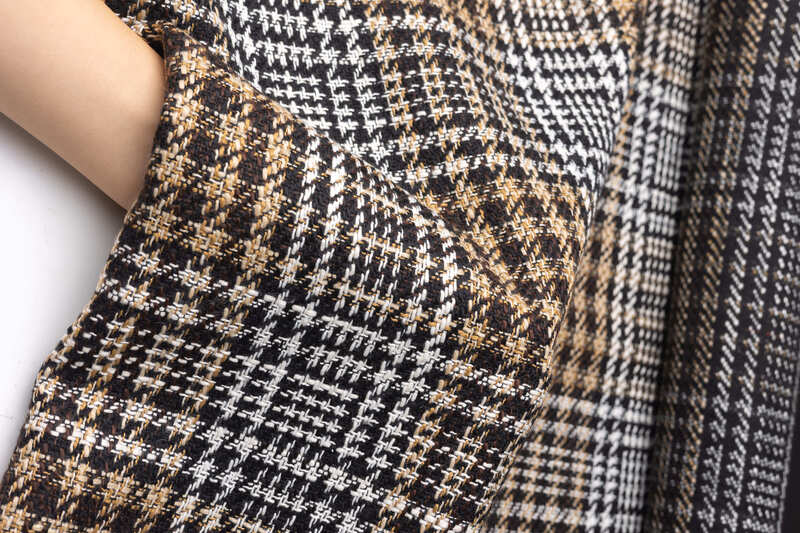
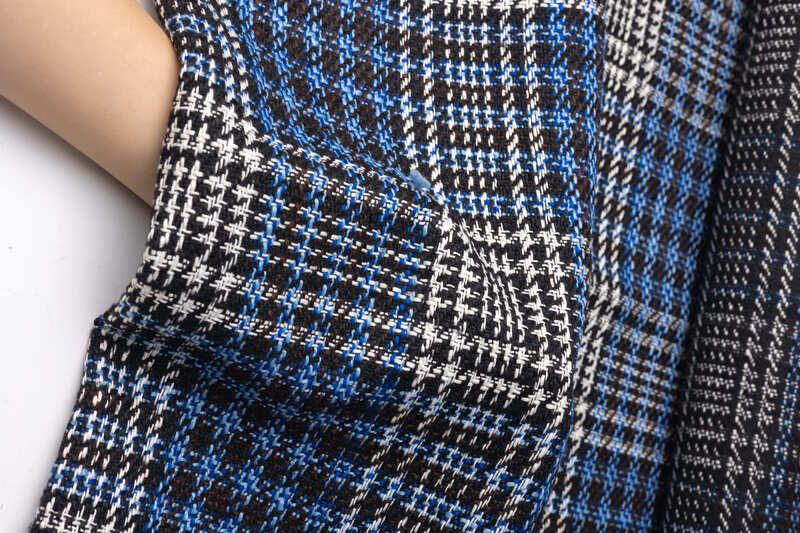
Tartan is a pattern of crossing horizontal and vertical bands in multiple colors, while tweed is a rough, woolen fabric. A tartan tweed combines the twill-woven tweed texture with a tartan color layout. Fursone produces tartan-style tweeds in 280-550 g/m² for jackets and kilts.
Can you reproduce a specific clan or custom tartan?
Yes. Provide a reference image or colorway and our yarn-dyeing team matches it with 98% Pantone accuracy. Custom tartan development runs from a 1,000 m per-color minimum, with 7-10 day sampling before bulk.
Is tartan tweed still relevant for modern collections?
Yes. Heritage checks remain a staple in menswear and heritage womenswear. We modernize classic tartans with updated color palettes and lighter constructions (280-380 g/m²) suited to contemporary tailoring.

Related Insights

Woolen vs Worsted Yarn: How Spinning Changes Tweed Drape and Hand
Walk into any tweed mill in Wenzhou and you will hear the same question from...
Boucle Knit vs Woven Boucle: Which Construction for Which Garment
Walk into any fabric sourcing meeting about boucle and one question comes up before all...
What Is Metallic Tweed? Yarn Types, Weave Structure, and Care
metallic-tweed-bridal-fabric-case-study/” rel=”noopener”>Metallic tweed fabric merges traditional wool weaving with reflective metal-thread yarns, producing a textile...