
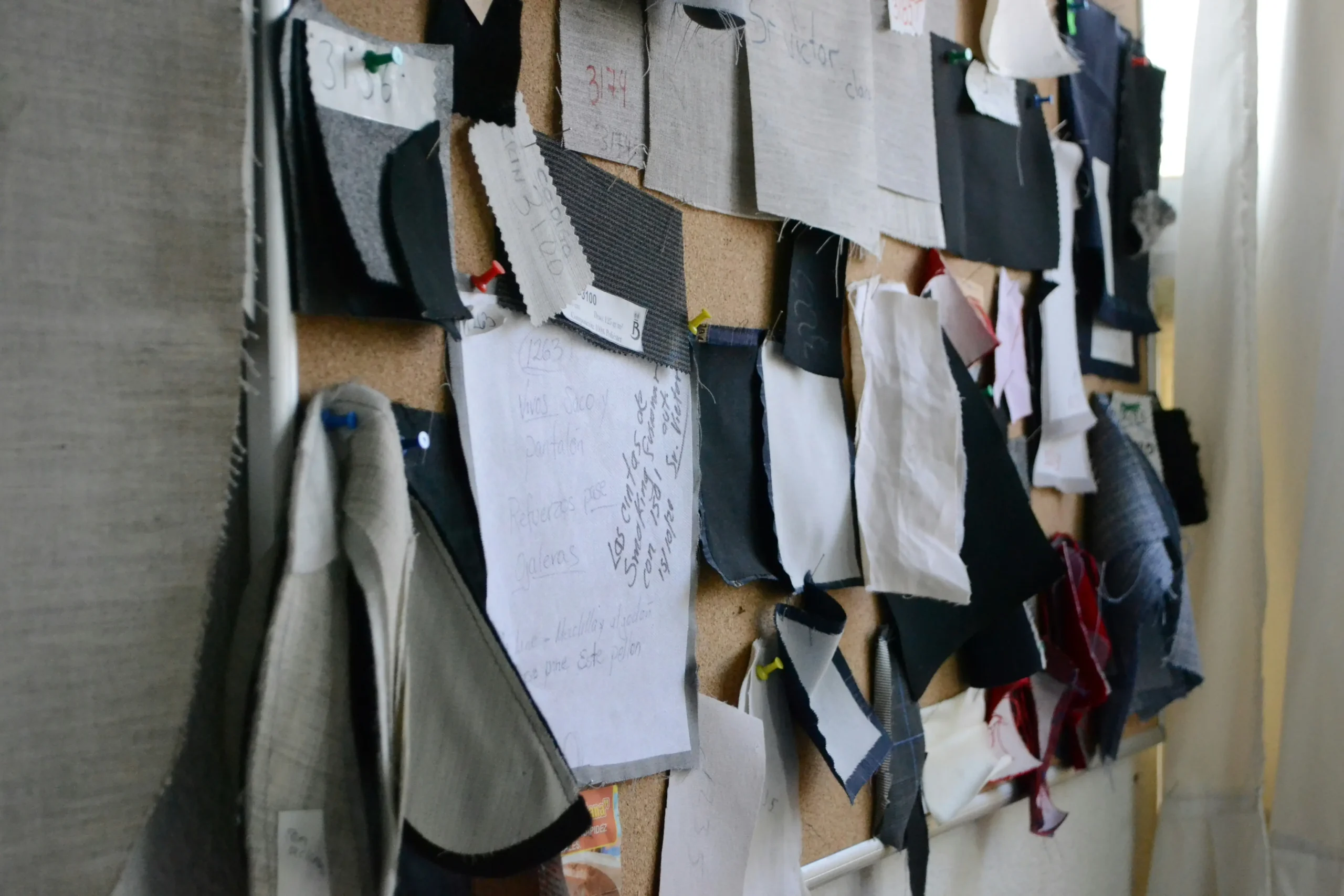
The fabric sampling timeline stops being a theoretical concern the moment a shipment lands and the hand-feel is wrong. Not in the factory. Not during the video call. But 90 days later, when the bulk order touches down at the warehouse and the pre-production sample you signed off on suddenly feels like a different textile. I’ve watched a substantial order go sideways because the sample passed visual inspection but failed the drape test. The mill had switched from a compact-spun weft to a ring-spun weft to save 36 hours. Nobody flagged it. The paperwork matched. The fabric didn’t.
Veteran sourcing managers track the gap between sample and bulk like a hawk watches a fence line. The real friction in a seven-day custom sampling window isn’t just speed. It’s the quiet trade-offs that mills make when deadlines tighten. We run a factory-direct tweed and knit operation in Wenzhou. Our workflow compresses the standard 14-to-21-day cycle into a single week. But compression only works if the structural testing survives. Shrinkage testing under AATCC 135 for five wash cycles. Colorfastness to crocking at dry ≥4 and wet ≥3. Spectrophotometer reports keyed to a CIELAB ΔE ≤ 1.0. Remove those checks and you’re not getting a sample. You’re getting a gamble.
Standard mill behavior during expedited orders follows a pattern: skip the lab, ship the swatch, apologize later. Buyers absorb the cost when the production lot drifts 3% in shrinkage and the brand’s QC flags it at the distribution center. A design team loses a week. A marketing calendar shifts. A retail floor reset misses its window. The price tag on a skipped test isn’t the $40 saved on lab fees. It’s the 12-day delay when the brand demands a re-cut from a reserved dye lot that no longer exists. Fast sampling without embedded quality verification burns budget downstream every time.
We keep 200-plus in-house spun yarns live in our library — bouclé, slub, chenille — and 40 pre-digitized tweed constructions. That infrastructure shaves four days off pattern digitization and yarn sourcing. It’s not a marketing claim. It’s a warehouse reality. When a brand sourcing manager sends a tech pack on a Monday, our loom receives the digital pattern file on Tuesday. That gap is what makes seven days possible without cutting the testing window. The alternative — buying off-the-shelf yarns from a third-party spinner — tacks on five days before the first thread touches a shuttle. Most mills charging for rapid turnaround are charging for the panic, not the process. Speed sourced from inventory is structural. Speed sourced from overtime shifts is fragile.
The quality tolerance conversation belongs at the start of the sampling relationship, not the end. A weight tolerance of ±20 g/m² on a tweed fabric means a 400 g/m² spec can land anywhere from 380 to 420. That range affects drape, cutting yield, and FOB pricing calculations on a full container. We surface that spec in the first 24 hours, before the yarn hits the rapier loom. Buyers who skip the rapid-sampling route entirely lose three to four weeks of development time per season. For a brand running Spring/Summer and Autumn/Winter collections simultaneously, that accumulates into a six-week calendar deficit. The math is simple. Pay a 15-to-25% premium for accelerated development now. Or forfeit shelf time at retail later, when markdown pressure eats margin line by line. The sample that arrives on time with a lab report attached is the cheapest insurance a sourcing manager can buy.
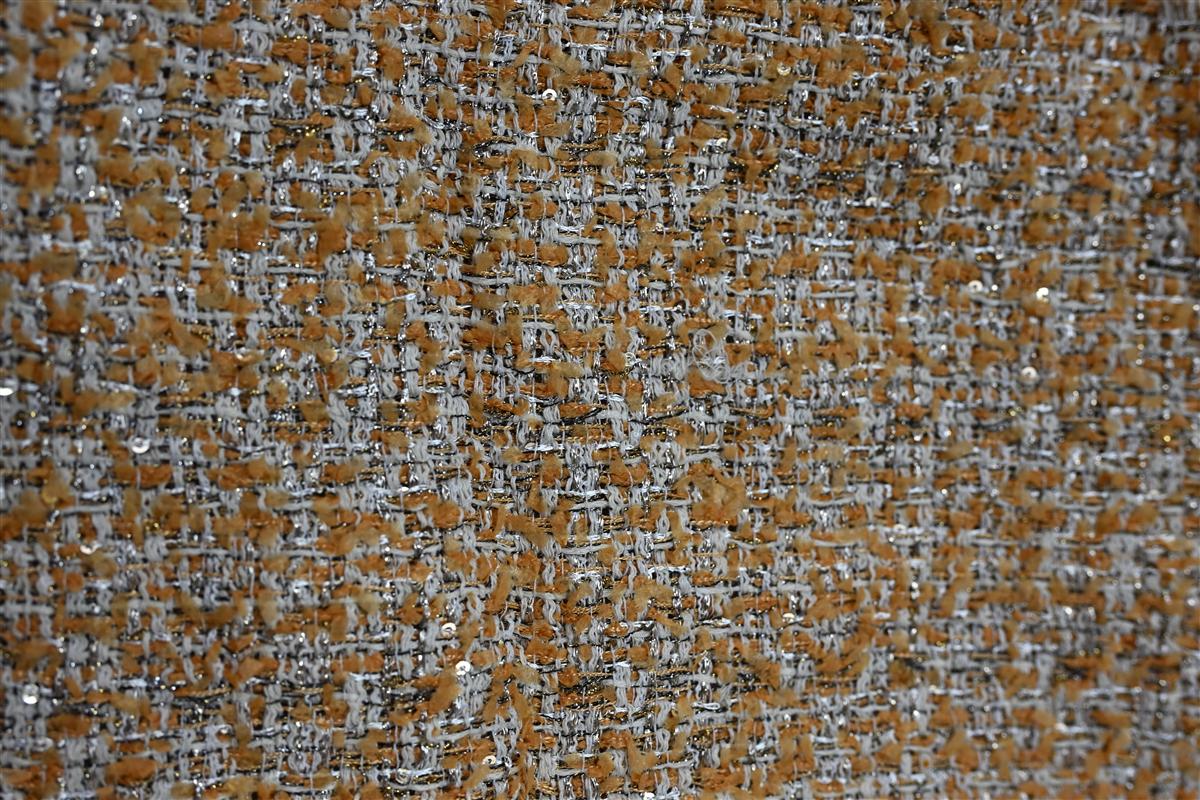
Why 7-Day Fabric Sampling Matters for Brand Buyers
A 4-week sampling delay can shift your delivery window into markdown season—far costlier than the fabric itself.
I’ve walked into too many warehouses where a substantial custom tweed order sits unopened because the pre-production swatch looked perfect but the mass production run came in limp, off-color, or shedding. The buyer approved a sample three months ago; the bulk delivery doesn’t match. The timeline to rework or reorder is gone. That’s the cost of slow, surface-level sampling.
For a brand sourcing manager juggling 6-10 fabrics across three seasonal drops, every week of sampling latency compresses the design-to-market window. Traditional Asian mills quote 14-21 days for a first sample, plus another 7 days for a revision. When two rounds are needed, you’re 5-6 weeks deep before you can lock a fabric spec. That pushes pre-production approval into a period where any mismatch kills a season.
A 7-day rapid sampling program that doesn’t skip core testing changes the math. The mill I audit in Wenzhou maintains pre-digitized patterns for 40+ tweed constructions and a library of 200+ in-house spun yarns—bouclé, slub, chenille. They move from tech pack to physical swatch in 7 days, not by cutting corners but by cutting the pattern-making and yarn sourcing delays that eat up 3-5 days elsewhere. And they embed AATCC 135 shrinkage (5 cycles, ≤3%) and AATCC 8 colorfastness testing (dry ≥4, wet ≥3) into those 7 days. You get a swatch that actually predicts bulk behavior—weight tolerance ±20 g/m² confirmed, shrinkage data in hand, ΔE ≤ 1.0 spectrophotometer report attached.
- Time-to-market compression: Replacing a 21-day sample cycle with a 7-day one reclaims 2-3 weeks. That’s enough to move your delivery from late-season markdowns into full-price selling.
- Simultaneous multi-fabric evaluation: You can receive 5-10 swatches in a single week, run them past your design team, and lock selections without juggling staggered arrivals from multiple mills.
- Bulk reality check: Shrinkage and crocking reports on the sample catch batch-level weaknesses before you commit to 1,000 meters. No surprises at the port.
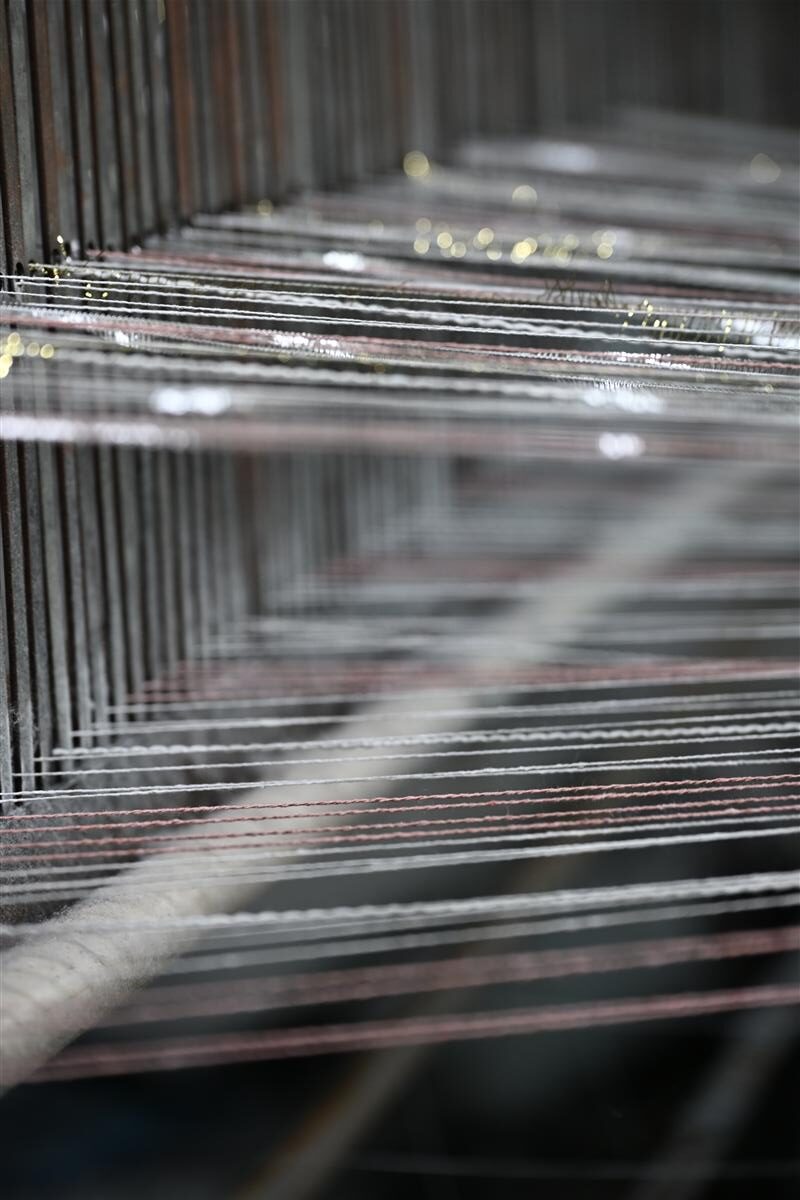
Fabric Sampling Process: Step-by-Step in 7 Days
Most mills skip testing to hit 7 days—we run AATCC protocols inside the window.
A 7-day fabric sampling timeline only works if the mill removes the bottlenecks before the order lands. The standard workflow breaks down at two points: yarn sourcing (3-5 days waiting for supplier stock) and pattern digitization (another 3-5 days to draft and load the construction file). We eliminated both by spinning 200+ bouclé, slub, and chenille yarns in-house and maintaining pre-digitized patterns for 40+ tweed constructions. When a tech pack arrives, we match to existing digital assets and pull yarn from internal inventory—not a supplier’s warehouse. That’s how Day 1 starts with weaving prep, not procurement.
- Day 1 — Tech Pack Review & Yarn Pull: Engineering reviews the construction specs against our pre-digitized pattern library. If the weave structure matches one of 40+ stored templates, the file goes straight to the loom queue. Simultaneously, the colorist pulls base yarns from the 200+ in-house stock and runs a spectrophotometer match against the target Lab dip. CIELAB ΔE tolerance is held to ≤1.0 before any yarn hits the creel. Off-the-shelf yarn sourcing—which costs competitors 3-5 days—doesn’t exist in this workflow.
- Day 2-3 — Pattern Load & Sample Weaving: The pre-digitized pattern loads directly onto small rapier looms set to 140-150 cm working width. No re-drafting. No manual card punching. We run a 3-5 meter sample length—enough for both aesthetic evaluation and destructive testing. The rapier insertion handles fancy yarns (bouclé loops, slub thick-thin profiles, chenille pile) without abrading the surface, which matters when you’re sampling a $22/meter tweed blend and can’t afford a fuzzy, unsellable swatch.
- Day 4 — Scouring & Finishing: Greige sample goes through a gentle scour to remove spinning oils and sizing, then a controlled finishing cycle that mimics a commercial garment wash. We use reduced mechanical agitation here—harsh tumbling on a 3-meter sample destroys the hand-feel and gives you a false read on how the fabric will behave in bulk. The goal is a clean, relaxed fabric that represents what the brand will actually cut and sew, not an over-finished swatch that looks great on the desk and falls apart in production.
- Day 5 — Weight, Color & Drape Inspection: Three checks happen simultaneously. Weight verification against the target spec with a ±20 g/m² tolerance—if the spec calls for 350 g/m² and the sample reads 380, we stop and investigate yarn count deviation before the swatch leaves the building. Color is assessed under D65 illuminant (standard daylight) against the approved Lab dip, not under showroom lighting that hides metamerism. Drape is evaluated on a physical form—no instrument replaces a technician with 10 years of tweed experience watching how the fabric falls.
- Day 6 — Shrinkage & Crocking (The Tests Competitors Skip): This is where most 7-day programs collapse. Running AATCC 135 shrinkage testing requires 5 full wash-and-dry cycles—that’s a full day of machine time. Crocking tests per AATCC 8 add another 2 hours for dry and wet rub evaluation. The targets are specific: shrinkage ≤3% after 5 cycles, crocking dry ≥4, wet ≥3. Many mills ship the swatch on Day 5 and call it done. We run the tests because finding out your tweed jacket sleeves shrink 6% after the first dry cycle is a costly chargeback conversation nobody wants.
- Day 7 — Dye-Lot Labeling & Express Courier Shipment: The final swatch gets labeled with its unique dye-lot code—this lot number is reserved and linked to the bulk order so the production run pulls from the same dye batch. A 1-meter reference cut stays archived in our sample library for in-line QC comparison during bulk weaving. The swatch ships via DHL/UPS express with a tracking number sent within 2 hours of pickup. Total cost per SKU on a 7-day accelerated sample runs $40-60 above standard pricing, which covers the prioritized loom time and overtime testing labor.
One thing experienced sourcing managers flag immediately: a 7-day sample on a completely novel construction—something outside our 40 pre-digitized patterns—adds 2-3 days for pattern engineering. If you’re developing an entirely new weave structure, budget 9-10 days, not 7. We communicate this before the order starts because surprising a buyer on Day 3 with a delay is how vendor relationships implode. For repeat constructions or variations on existing tweed bases, the 7-day clock holds.
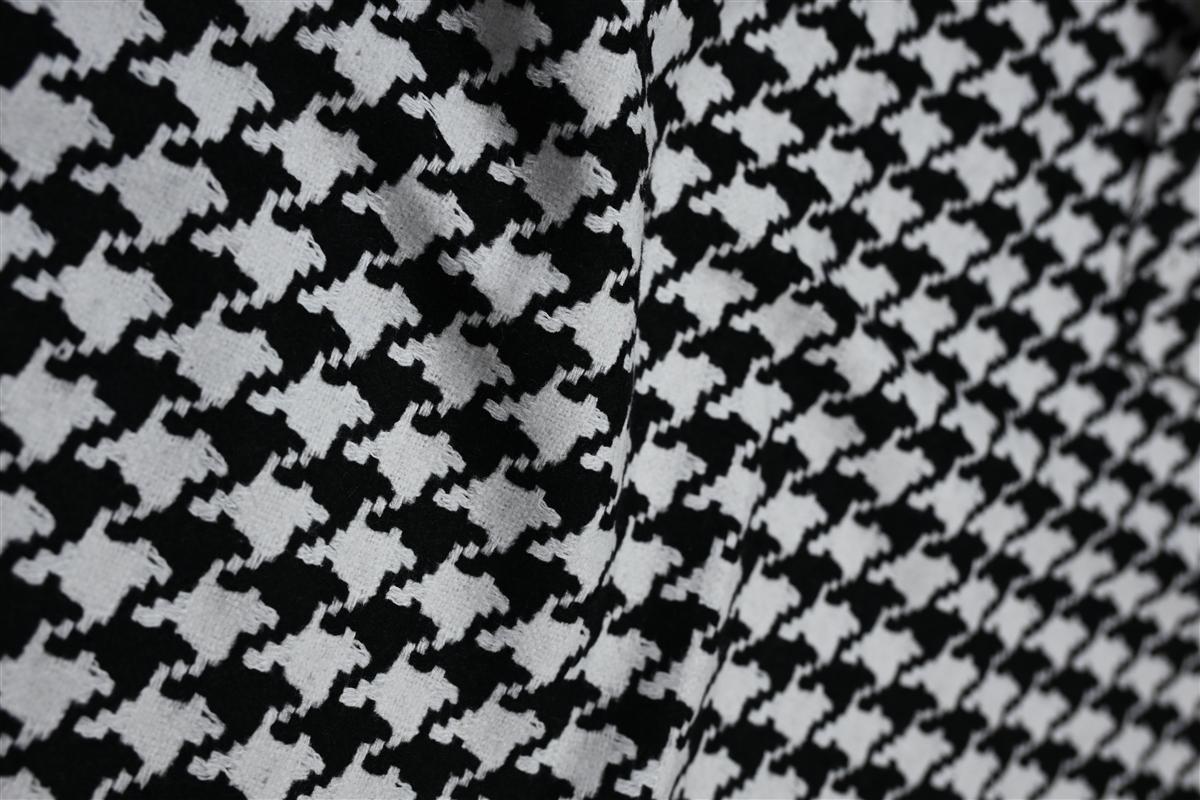
Cost vs Speed: The Real Trade-Off in Fabric Sampling
Paying an extra $50 per sample is cheaper than missing your delivery window by a month.
A 7-day sample costs $120-180 per SKU. The standard 14-day option runs $80-120. If you’re evaluating 6-10 fabrics per season, that’s an extra $400-600. The math works only if that cash buys you a calendar advantage that outweighs the spend. In most ready-to-wear cycles, a 4-week delay to finalize fabric choice pushes the entire collection back by at least one delivery window. Missing your March drop to buyers costs a lot more than $600.
The real cost of fast sampling isn’t the upcharge. It’s what mills leave out to hit the deadline. I’ve audited factories that promise 7-day swatches but bypass shrinkage and crocking tests entirely. They hand you a pretty swatch with zero performance data. Then your a substantial amount bulk order arrives, and after the first home wash the width shrinks 7%. Your quality tolerance is blown, and returns spike. That’s the trade-off you can’t afford.
- Shrinkage (AATCC 135, 5 cycles):Target ≤3%. Without this, a 150 cm width can shrink to 140 cm or less — pushing garment specs out of tolerance. A luxury knit blazer was observed to have a 22% return rate because the mill skipped this.
- Colorfastness to crocking (AATCC 8): Dry grade ≥4, wet ≥3. If a dark tweed transfers dye onto a white lining during wear, your sample approval is worthless. This test takes 30 minutes — no excuse to skip it.
- Weight verification (target ±20 g/m²): A bouclé quoted at 380 g/m² that arrives at 420 g/m² feels completely different. You lose the drape your designer signed off on. Check the weight on every 7-day sample, not just the bulk.
We run all three tests inside the 7-day window. The AATCC 135 shrinkage test fits into Day 6 because we use conditioned drying, not air-dry that eats up 48 hours. The spectrophotometer report (CIELAB ΔE ≤ 1.0) comes back in 24 hours on Day 1—before the yarn even touches the loom. That eliminates color lot variance as a variable. If a competitor’s 7-day offer doesn’t include these data sheets, you’re not buying speed. You’re buying a lottery ticket on your bulk fabric.
| Approach | Turnaround Time | Cost per SKU | Testing Included | Trade-Off & Risk |
|---|---|---|---|---|
| Industry Standard Mill | 14–21 days | $80–$120 | Visual check only; no shrinkage or colorfastness data | Lowest cost but adds 3–4 weeks to collection calendar; quality gaps surface only at bulk stage |
| Competitor Fast-Track | 7–10 days | $100–$150 | Often skips AATCC 135 & AATCC 8; spectrophotometer reports rarely provided | Speed gained by omitting structural testing; color lot variation and shrinkage detected after production |
| Fursone 7-Day Rapid | 7 days | $120–$180 | AATCC 135 shrinkage (≤3%), AATCC 8 colorfastness (dry ≥4, wet ≥3), CIELAB ΔE ≤1.0 spectrophotometer report, yarn lot reservation | 15–25% cost premium vs standard; designed for sourcing managers who need lab-grade data inside the sampling window |
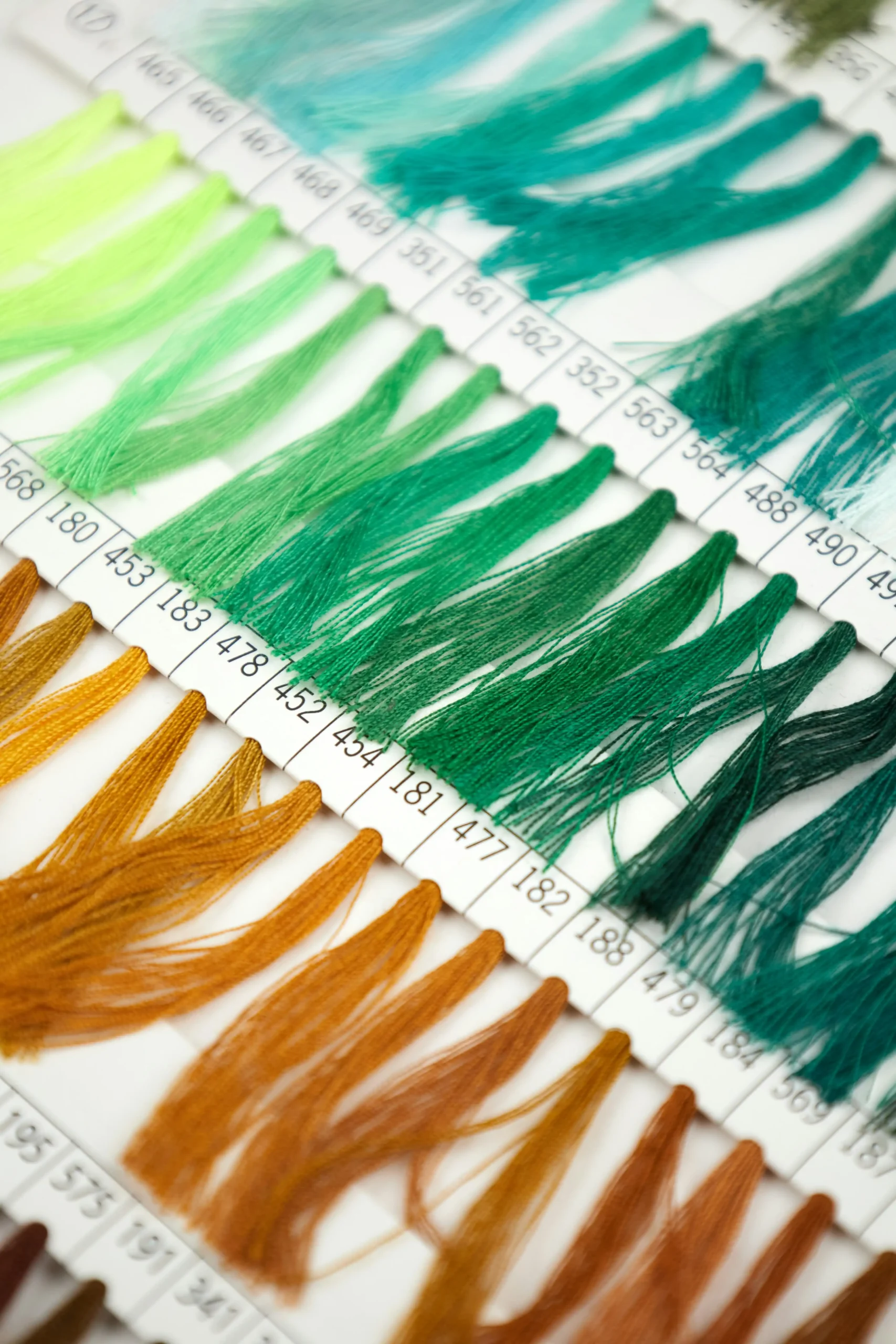
Quality Consistency: How to Ensure Sample Matches Bulk
The sample you approved means nothing if the yarn lot wasn’t reserved.
Here’s a question worth asking your supplier before they cut a single meter of bulk: “Give me the dye lot reservation number tied to my approved sample.” If the mill hesitates, you’re about to learn an expensive lesson in textile physics. Yarn absorbs dye differently across lots — same Pantone reference, different depth, different hand-feel. I watched a New York RTW brand lose a substantial amount on 800 meters of bouclé because the pre-production sample came from a trial lot and bulk was dyed six weeks later from fresh stock. Same specification sheet. Different fabric.
Consistency between sample approval and bulk delivery isn’t a trust exercise. It’s a paper trail problem. Four protocols separate mills that understand this from mills that hope you won’t notice.
First, demand that the exact yarn lot used for your sample gets tagged, sealed, and physically reserved for your bulk order. Not a “similar” lot. Not the “same blend from the same supplier.” The exact cones. Without this, every other quality control step is theater. When we spin a custom bouclé or slub yarn for sampling, the leftover from that production run goes into sealed storage with a lot number cross-referenced to your PO. If the mill can’t do this — and many can’t because they buy spot yarn — your quality tolerance is already blown before bulk production starts.
Second, insist on a digital spectrophotometer report with every sample shipment. The industry benchmark is CIELAB ΔE ≤ 1.0 — that’s the threshold where the human eye struggles to detect a difference under D65 lighting. A verbal assurance of “it matches the Pantone” is worthless. The report should show Lb* values for your sample against the reference standard, dated and tied to the dye lot. This single document eliminates the “looks different under showroom lights” argument before it starts.
Third, before the sample leaves the mill, a 1-meter reference cut gets sealed in a light-blocking bag and filed under your brand name. This isn’t for you — it’s for the QC inspector standing at the end of the finishing line eight weeks later, comparing bulk output against the physical standard you approved. Color cabinets and lightboxes are useful, but nothing replaces a side-by-side visual under the same conditions. If your supplier doesn’t maintain a reference library, ask how exactly they plan to verify the bulk matches anything at all.
Fourth — and this is the one most buyers skip because production timelines are already tight — request a production sample cut from the first 50 meters of your bulk roll before full shipment. This adds 5-7 days to your timeline, and it’s worth every hour. The production sample goes through the exact finishing, scouring, and drying process as the full order. Compare it against your original approval swatch. Check the drape, the weight (tolerance should stay within ±20 g/m²), and the crocking fastness (AATCC 8: dry ≥4, wet ≥3). If the mill pushes back on this, ask yourself what they’re worried you’ll find.
None of this is about adversarial relationships. The mills that welcome these protocols are the ones confident in their dyeing consistency and finishing repeatability. The ones that resist them are betting you won’t check.
- Question 1:: Will you reserve the specific dye lot from my approved sample for my bulk order, and can you provide the lot number in writing today?
- Question 2:: Do you include a spectrophotometer report (CIELAB ΔE ≤ 1.0) with every sample shipment, dated and matched to that lot?
- Question 3:: Will you pull a production sample from the first 50 meters of bulk and ship it for my approval before running the full order?
If you get three yeses without hesitation, you’re talking to a mill that understands quality consistency isn’t a promise — it’s a documented, repeatable process. If you get explanations, workarounds, or “trust me,” keep looking. The cost of finding out the hard way, FOB destination, is always higher than the cost of verifying upfront.
Conclusion
Before you commit to a mill for custom fabric, ask these three questions. One: Will they reserve the exact dye lot used for your sample for the bulk order, and provide a spectrophotometer report (CIELAB ΔE ≤ 1.0) with the swatch? Two: Does their 7-day sample include AATCC 135 shrinkage testing and colorfastness to crocking reports, or are those only available on standard lead times? Three: If the mass production run deviates from the approved sample in weight, hand-feel, or color beyond the agreed quality tolerance, what is their claim resolution process and timeline?
Frequently Asked Questions
How long does it take to make a clothing sample?
A fabric sample takes 7 days from concept to swatch; a full clothing sample adds 2–3 weeks after fabric approval. The 7-day fabric speed relies on in-house yarns and pre-digitized patterns, skipping. Lock your fabric swatch first, then proceed to garment prototyping.
Should you get a sample clothing first before a production?
Yes, always get a fabric swatch before producing a sample garment, because off-spec hand-feel or shrinkage can waste your sewing sample budget. A 7-day fabric sample prevents downstream delays and lets you confirm. Request a fabric swatch before spending on garment samples.
What is the 3-3-3 rule for clothing?
In clothing, the 3-3-3 rule commonly means a capsule wardrobe of 3 tops, 3 bottoms, and 3 shoes. In fabric development, we apply a 3-stage rule: lab dip approval, fabric strike-off. Use our 3-stage fabric sampling to lock quality before full production.
What is the hardest piece of clothing to make?
A tailored jacket is widely considered the hardest due to its structured construction and interlinings. For our mill, the hardest fabrics to sample are multi-yarn bouclé tweeds that demand. Start with a fabric swatch for complex tweeds before committing to garment sampling.
What are the four stages of making fabric?
The four core stages are yarn spinning, weaving or knitting, dyeing and finishing, and final inspection. Our mill executes all in-house, shortening sample lead times by eliminating shipping between suppliers. We combine all four stages to deliver fabric swatches in 7 days.
Authoritative References

Related Insights
Fabric Sourcing Calendar: When to Start for Fall and Spring Lines
Fall delivery windows do not move, but fabric calendars are planned backwards from them, and...

What a Mill Visit Tells You That a Sample Box Cannot
Every mill can produce a beautiful sample. The sample is handled by the best operator,...

Roll Ends and Remnant Stock: Buying Mill Leftovers Without Buying Problems
Every mill has a corner of short rolls: the last fifteen metres of a dye...