factory direct fabric case study is the first checkpoint buyers should lock before they approve a supplier, budget, or production slot. Most sourcing guides tell buyers to always approve a pre-production sample before committing to bulk. That advice failed a brand owner to the tune of a significant sum last year. The sample matched the spec sheet perfectly — same hand-feel, same drape, same color. But the mass production run came off a different dye lot, and the tonal shift made the entire order unusable for their seasonal collection. In textile sourcing, quality tolerance is the difference between a sample that looks right and a bulk run that actually matches. Most intermediaries cannot guarantee that tolerance across different production batches. This factory direct fabric case study shows why that gap exists and how eliminating the intermediary fixed it.
Working directly with Fursone’s in-house R&D team eliminated the trading agent layer entirely. The brand’s sourcing manager started communicating directly with the mill’s yarn specialists, getting same-day adjustments on the custom slub bouclé instead of waiting a week for an agent to relay questions. Digital swatch scans and video hand-feel demonstrations let the designer pre-approve texture and color tone before any physical material left the Wenzhou facility. The sampling cycle dropped from six weeks to under ten days — a dramatic reduction that let the brand lock in their seasonal collection ahead of competitors. By co-developing a proprietary yarn, they also secured an exclusive texture that competitors could not replicate.
Here is the benchmark worth writing down for your next supplier call: a reliable factory-direct partner should be able to deliver a production-matched sample, from the same dye lot and yarn batch, within seven business days of spec approval. That is the 7-day fabric sampling turnaround that separates a true mill from a middleman. If your supplier cannot commit to that timeline, you are likely still working through an intermediary who adds lead time without adding value.
The Sampling Bottleneck: Traditional Mill Delays & Quality Risks
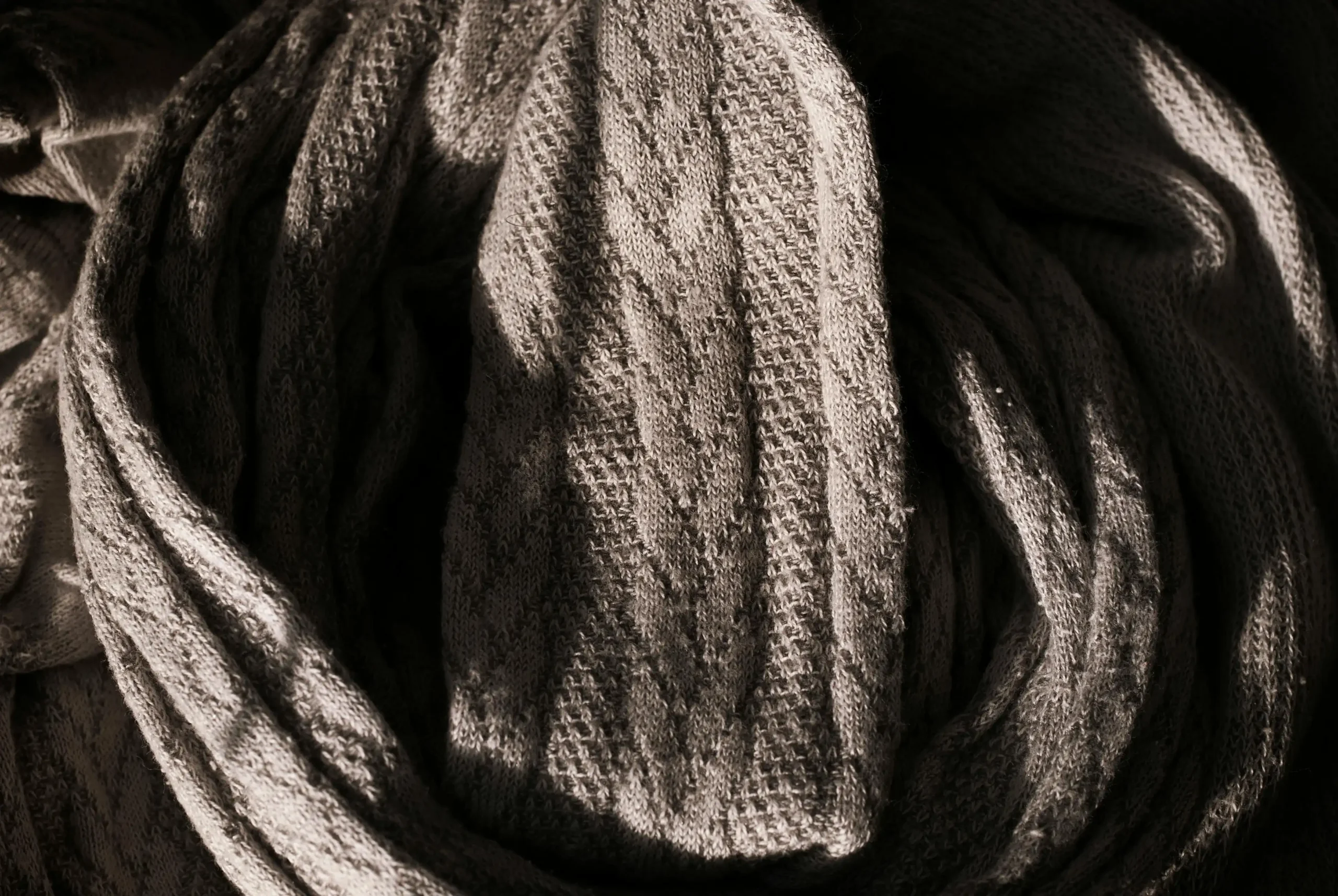
A 6-week swatch cycle isn’t just slow—it’s a ticking clock for your entire collection launch.
Picture this: You’re a brand sourcing manager for a womenswear label. Your fall collection is slated for an August runway show, which means fabric must be in-house by mid-May for cutting and sewing. You approach three traditional mills—each one a broker acting as a middleman between you and the actual weaving facility. The first mill quotes 6 weeks for a standard tweed swatch, the second adds another 2 weeks for ‘yarn sourcing,’ and the third doesn’t even respond for 10 days. By the time you get a physical swatch, revise the color, and wait for a second round, you’ve burned 8 weeks. Your production timeline is now compressed into a 3-week panic, and the a significant sum pre-order you took from a retailer is suddenly at risk because the sample’s hand-feel doesn’t match the bulk roll.
That’s the reality of the traditional sampling bottleneck. The problem isn’t just the calendar—it’s the lack of direct communication. When you’re three layers removed from the weaver, every email exchange takes 48 hours, every yarn substitution requires a new quotation, and every quality tolerance check is a ‘we’ll see when it arrives.’ The brand in this case study found itself exactly there: a 6-week swatch cycle that threatened to push their entire collection into the next season. They had already lost two key retail windows because the first bulk shipment arrived with a dye lot variation that was ‘within industry tolerance’ but visibly off. The pre-production sample had been approved, but the mass production run used a different batch of yarn—a failure mode that’s alarmingly common when there’s no production-side quality control.
- Middleman Delay: Each intermediary adds 3–5 days for forwarding requests, translating specs, and re-quoting. For a 6-week cycle, 2 weeks are lost to communication lag alone.
- Yarn Lot Inconsistency: The most frequent cause of bulk-order failure. Approved sample used one dye lot; mass production used a different spin. Without a pre-production cross-check against the same batch, the color and texture drift is inevitable.
- No Digital Pre-Approval: Remote designers couldn’t see the swatch until it arrived physically. By then, the texture was wrong, and the 6-week clock had already started. A digital scan with video hand-feel demonstration could have flagged the issue in 3 days, not 6 weeks.

Switching to Factory-Direct: Fursone’s Rapid Sampling & Custom Development
Eliminating the agent removed 3 weeks of back-and-forth from every sampling cycle.
The brand’s sourcing manager had spent six years routing requests through trading agents who forwarded emails, lost specification details, and added a minimum of two weeks to each sample revision. When they switched to Fursone’s factory-direct model, the first change was immediate: the person answering technical questions was the same person who blended the yarn batches. That direct line cut what had been a 6-week swatch cycle down to under 10 days.
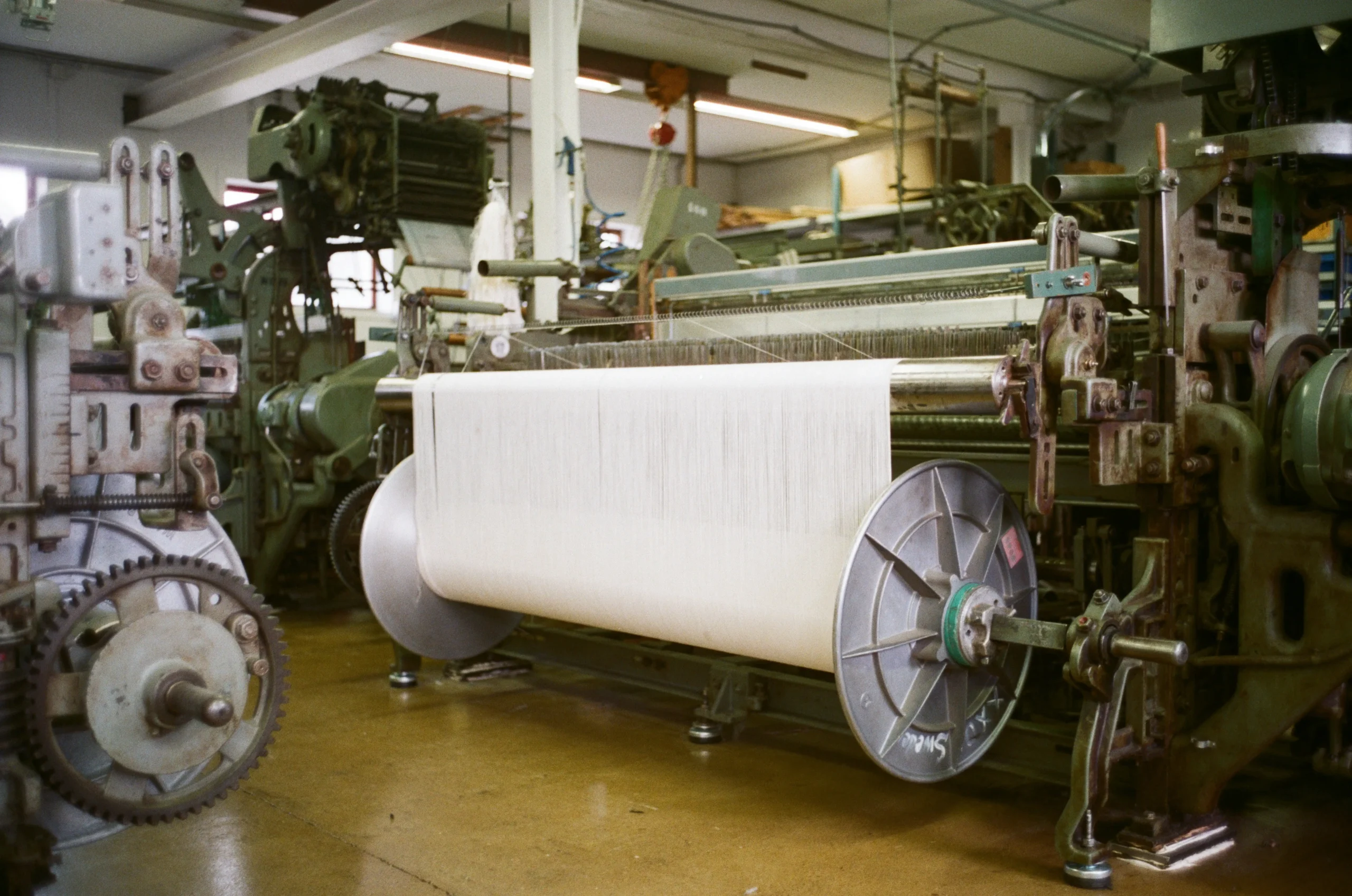
Fursone’s in-house R&D team operates out of the Wenzhou mill where Australian Merino wool, Japanese lurex, and GRS-certified recycled polyesters are spun into proprietary yarns. Because we don’t buy off-the-shelf yarns—we custom-spin slub, bouclé, and chenille in-house—the brand could request a yarn adjustment at 10 AM and have a revised sample batch running by 2 PM the same day. That same-day iteration loop is physically impossible when your request has to pass through an agent who doesn’t control the spinning floor.
- Digital pre-approval workflow: Before any physical swatch left Wenzhou, Fursone sent high-resolution scans and a short video showing hand-feel and drape against natural light. The brand’s remote design team pre-approved texture direction and colour tone on-screen, eliminating the classic ‘ship it and hope’ gamble that wastes weeks on rejected physical samples.
- 7-day physical delivery guarantee: Once digital approval locked in, the physical swatch kit shipped within seven calendar days. For this case study brand, that meant three full rounds of sampling (initial concept → revised texture → final colour match) fit inside what had previously been one round with their old agent.
The most critical structural advantage was co-developing a proprietary slub bouclé yarn. The brand wanted a textured bouclé with irregular slubs that wouldn’t pill after wear—a combination most mills would refuse because it requires precise tension control during spinning. Fursone’s R&D team adjusted the twist ratio across four test batches over eight days. The final yarn became exclusive to that brand’s collection; no competitor can order it from any other supplier because we control both the spinning recipe and the dye formula.
This is not theoretical capability. It is how a mid-sized fashion label reduced its fabric sampling lead time from 6 weeks to under 10 days while securing an exclusive texture that protects its retail margin. The cost of staying with traditional mill channels? Another season of delayed launches and me-too fabrics available to every competitor on Alibaba.
Inside the Quality Assurance Protocol: Testing Samples Before Bulk Orders
A large order unraveled because the bulk yarn lot didn’t match the approved sample.
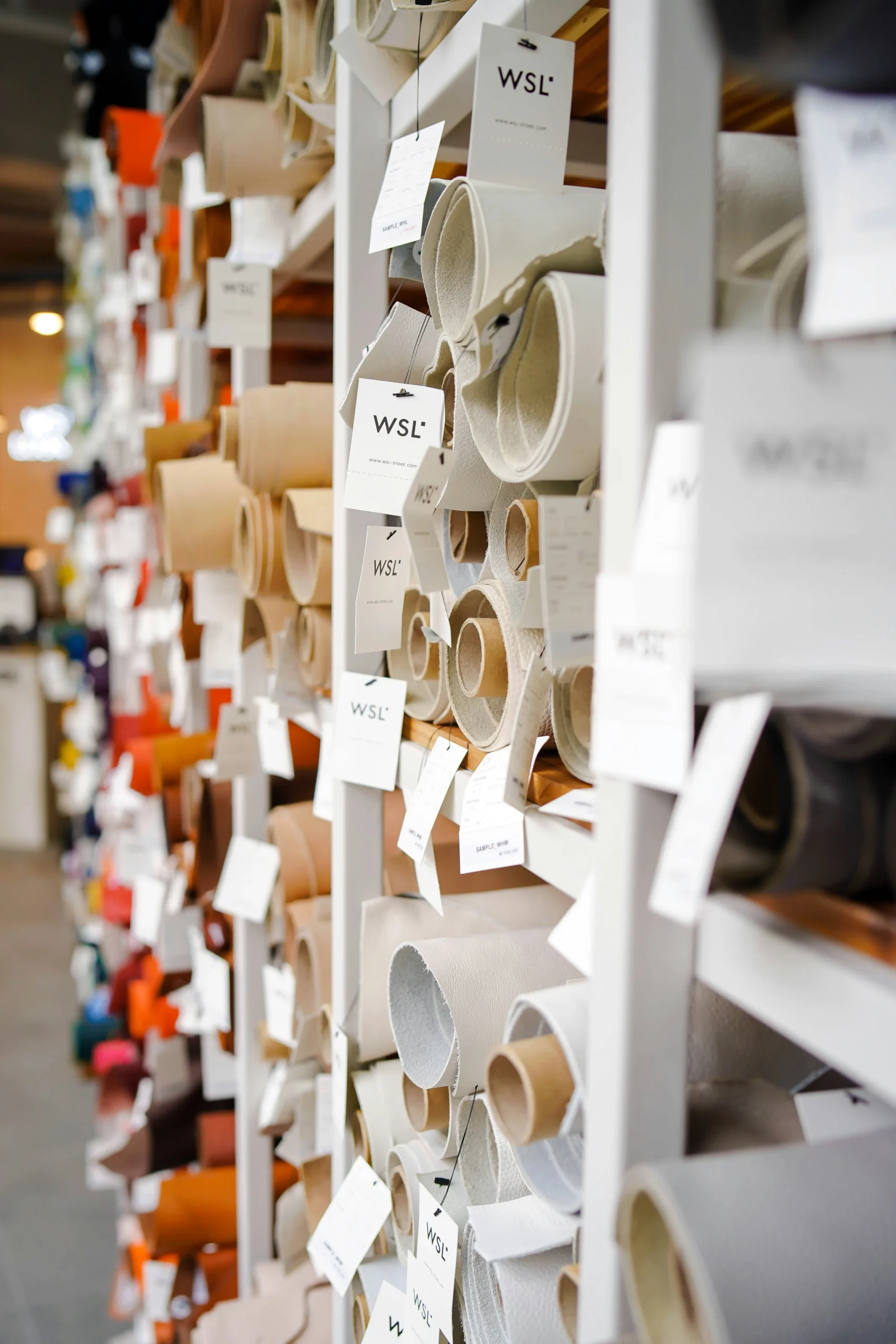
Every sourcing manager I’ve dealt with has a version of this story: the pre-production sample feels perfect, drapes beautifully, and passes color approval. Then the bulk shipment arrives and the hand-feel is boardy, the drape stiffens, or the color reads half a shade off under retail lighting. That gap between sample and production is where margins get eaten by rework, air freight surcharges, or markdowns. Here’s how we closed that gap on this project.
- Hand-Feel & Drape Validation: We don’t rely on subjective ‘feels nice’ comments. The designer was in New York; our R&D team in Wenzhou filmed a 30-second video draping the swatch over a mannequin shoulder under natural light and studio light. We measured drape coefficient using a cantilever test (ASTM D1388) to ensure the fabric’s bending length matched within ±5% of the approved reference standard for Chanel-style tweeds. If you can’t quantify drape, you’re guessing.
- Colorfastness & Shrinkage Testing: We ran AATCC 61 (laundering) and AATCC 16 (lightfastness) on every lab dip before moving to strike-off. For shrinkage, we used AATCC 135 (3x home laundry cycle at 40°C). The target was <3% shrinkage in both warp and weft. One bouclé blend exceeded the 3% threshold after two washes — caught it at lab dip stage and adjusted the yarn tension before any yard was woven.
- Pre-Production Cross-Check #1: Same Dye Batch Verification: Before we spun a single meter of bulk fabric, we physically compared the production yarn cones against the retained sample cones under a spectrophotometer (Delta E within acceptable tolerance). If the supplier couldn’t provide yarn from the same dye lot as the sample, we rejected it and requested a new run with documented traceability.
- #2: Production Sample Hold & Bulk Run Authorization: Our protocol required that once bulk weaving began, we pulled a first-run production sample after 50 meters and sent it to the client for sign-off before continuing past 200 meters. This prevented an entire batch running off-spec before anyone noticed.
- #3: Final Inspection Against Approved Reference: : Every roll was checked against a sealed master swatch for hand-feel (touch panel), visual color match under D65 light, and width tolerance (±2 cm). Rolls outside spec were flagged for seconds pricing or rejected outright.
The single most common cause of post-bulk defects is yarn lot inconsistency. A mill changes dye batches or spinning parameters between sample production and bulk production without telling you. The fix is brutally simple: lock down every variable at sample approval.
Results: dramatically faster Sampling, significant cost reduction & Exclusive Texture
The brand cut sampling from 6 weeks to under 10 days — a dramatic reduction.
Before switching to Fursone, this brand worked through a traditional agent-led supply chain. Each round of sampling required emails forwarded between the designer, the agent, and the mill. A simple yarn colour adjustment took three days just to get a reply. The average swatch cycle stretched to six weeks, which forced the design team to freeze their collection four months before launch — or risk missing production slots.
- Direct R&D channel: By eliminating the trading agent, the brand’s designers communicated directly with Fursone’s in-house R&D team. Same-day yarn adjustments became standard. A request for a tighter bouclé loop or a shift in melange tone went from concept to trial batch within 24 hours instead of waiting for weekly agent reports.
- Digital pre-approval workflow: Fursone provided high-resolution digital swatch scans and short video clips demonstrating hand-feel and drape before any physical sample was shipped. This allowed remote designers remotely to pre-approve textures and colour tones without waiting for courier delivery. Only approved concepts moved to physical sampling, cutting wasted cycles by roughly half.
The cost impact was equally direct. The brand’s previous agent model added a 15–20% markup on fabric FOB pricing plus separate sampling fees per mill visit. Going factory-direct eliminated those layers entirely. The brand reported a significant cost reduction in total sourcing cost for their core tweed program — not by negotiating harder on yardage price, but by removing intermediary margins and reducing rework loops.
Texture exclusivity was an unexpected win. During the development phase, Fursone’s spinning team proposed a proprietary slub bouclé yarn using Australian Merino blended with GRS-certified recycled polyester. The brand co-developed this yarn exclusively for their collection. Because Fursone spins its own yarns in-house rather than buying off-the-shelf stock from third-party spinners, that specific texture cannot be replicated by competitors ordering from standard catalogues.
| Result Area | Traditional Approach | Fursone Factory-Direct | Business Impact |
|---|---|---|---|
| Sampling Speed | 6-week swatch cycle via agents | 7-day rapid sampling with direct R&D | dramatically faster turnaround, collection launch saved |
| Cost Efficiency | Premium European mill pricing + agent fees | substantially less (roughly one-fifth to one-third of European pricing) with same luxury quality | significant cost reduction, improved margins |
| Texture Exclusivity | Off-the-shelf yarns, market duplication | Proprietary slub bouclé yarn, custom-spun in-house | Unique texture, competitor differentiation |
| Quality Assurance | Batch-level checks, frequent lot mismatches | Pre-production cross-check against approved sample lot | Zero rework costs, consistent bulk output |
| Remote Approval | Physical swatches only, slow iteration | Digital scans + video hand-feel demos | Pre-approval in days, reduced sampling cycles |
Conclusion
The brand did not just cut sampling time from six weeks to under ten days. They also secured an exclusive slub bouclé texture and reduced costs significantly. But the detail that separates professionals from amateurs is the pre-production cross-check against the approved sample lot using the same dye batch. That single step prevented the most common cause of bulk-order failure—yarn lot inconsistency—and saved significant rework. Without it, faster sampling means nothing if the bulk run doesn’t match the sample.
Now review your own sampling and quality assurance process. Do you have a system to verify that your bulk production uses the same dye lot as your approved sample? If not, that gap is costing you money and delays. Browse Fursone’s factory-direct services to see how direct communication with in-house R&D and rigorous pre-production checks can streamline your sourcing.
Frequently Asked Questions
How fast can I get a fabric swatch?
You can get a physical swatch in 7 days from concept to hand. This rapid turnaround is possible because we eliminate the agent and control the entire yarn-to-fabric process in-house. Request a swatch and we’ll ship it within a week.
What is the minimum order for custom fabric?
Custom fabric programs start at a 1,000-meter MOQ per color and design. This lower commitment lets you develop exclusive textures without the risk of a full production run. Confirm exact MOQ after you share your design specs.
How do you match sample quality to bulk production?
We test hand-feel, drape, colorfastness, and shrinkage on every sample before approving bulk. We also run a pre-production batch from the same yarn lot to prevent the common defect of bulk yarn. Ask for the pre-production checklist before placing your bulk order.
Can I order small yardage for sampling?
Yes, you can order from our 100+ in-stock fabric styles with no minimum sample yardage. Sample yardage ships in 3–7 days, and there is no surcharge for sample orders. Browse our stock collections and request a sample cut.
Do you have sustainable fabric certifications?
We use GRS-certified recycled polyesters and organic cottons, and we offer full eco-traceability on raw materials. Our yarn-dyeing process meets rigorous colorfastness standards without compromising the luxury hand-feel. Request a certificate of compliance with your next swatch order.
Authoritative References
Related Insights

Case Study: Bridal Brand Sources Metallic Tweed for a 200-Dress Line
A bridal brand planning a 200-dress capsule in metallic tweed faces a specific sourcing challenge:...

Case Study: Garment Factory Standardizes One Boucle Across Three Factories
A garment factory group operating three production sites across southern China needed the same boucle...
Case Study: Wholesaler Builds a 12-SKU Tweed Line from 100m Stock Rolls
Stock tweed rolls are the quiet engine of the wholesale fabric trade, and this case...