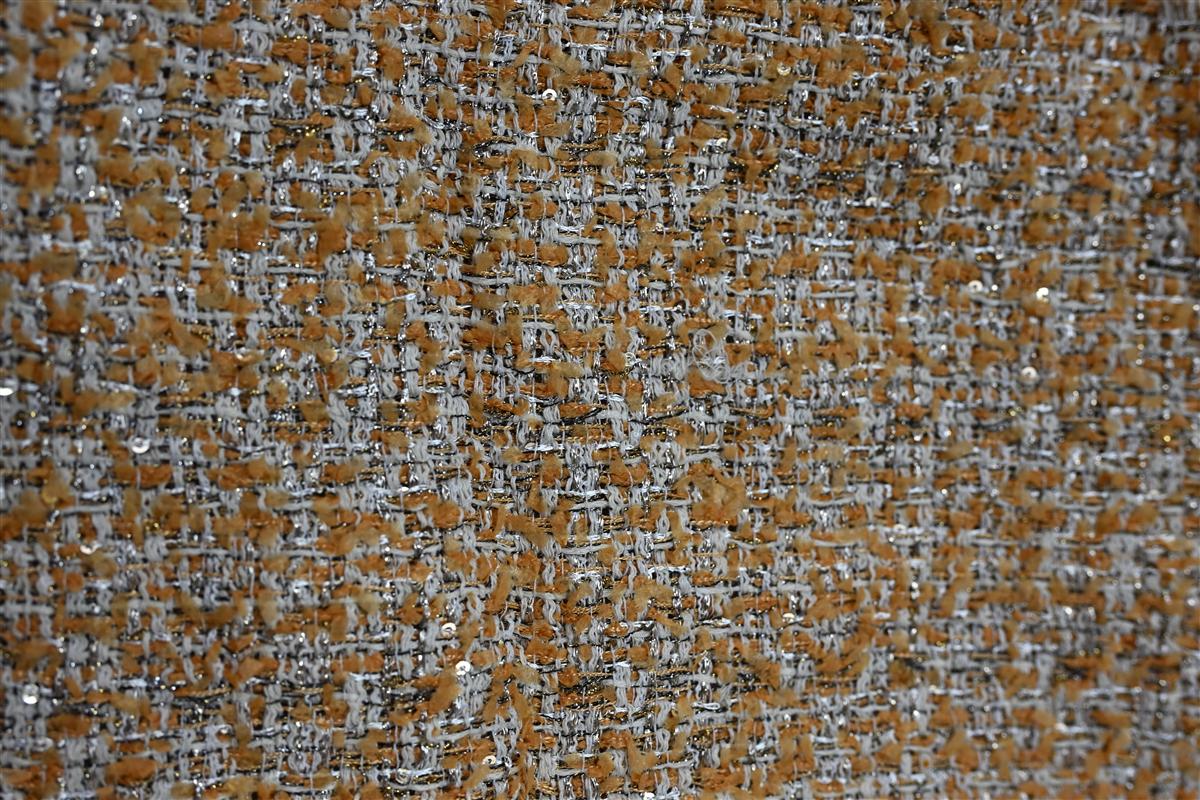
fabric sampling turnaround is the first checkpoint buyers should lock before they approve a supplier, budget, or production slot. Why does that pre-production sample look perfect while the mass production run feels like a different fabric altogether? That question cost one buyer a $50,000 order last year. The sample approval came back clean, the lab dip matched, but the bulk fabric had a completely different hand-feel and the color tolerance shifted under shop lighting. This pattern has repeated across a dozen countries. The root cause is almost never malice. It is the gap between what the sample represents and what the production process actually delivers.
The standard answer from most mills is that sampling takes four to six weeks because they have to source yarn first. A traditional mill waits two to three weeks just to buy off-the-shelf yarn before they even set up a loom. That timeline creates pressure. Designers rush to approve a swatch without fully verifying the final production specs, and then the first bulk roll arrives and the whole collection budget is at risk. Fabric sampling turnaround is where the battle is won or lost. If you can get a physical swatch in seven days instead of six weeks, you can check weight, hand-feel, and color against your production FOB price commitment before you sign off on a 1000-meter order. That cushion changes everything.
At our Wenzhou mill we cut that waiting period by keeping 100 million meters of greige fabric in stock and spinning our own bouclé, slub, and chenille yarns in-house. Loom setup happens within 24 hours, not three weeks. We also integrate digital color reading with mini dye lots so the lab dip actually forecasts the bulk, not just a hand-dipped swatch. When a designer sends a Pantone code plus a physical reference—a button, a thread, a previous sample—our first-pass match rate pushes past 90 percent. That is not theory. That is the difference between a seven-day sample that goes straight to production approval and a six-week loop of corrections that kills your seasonal lead time.
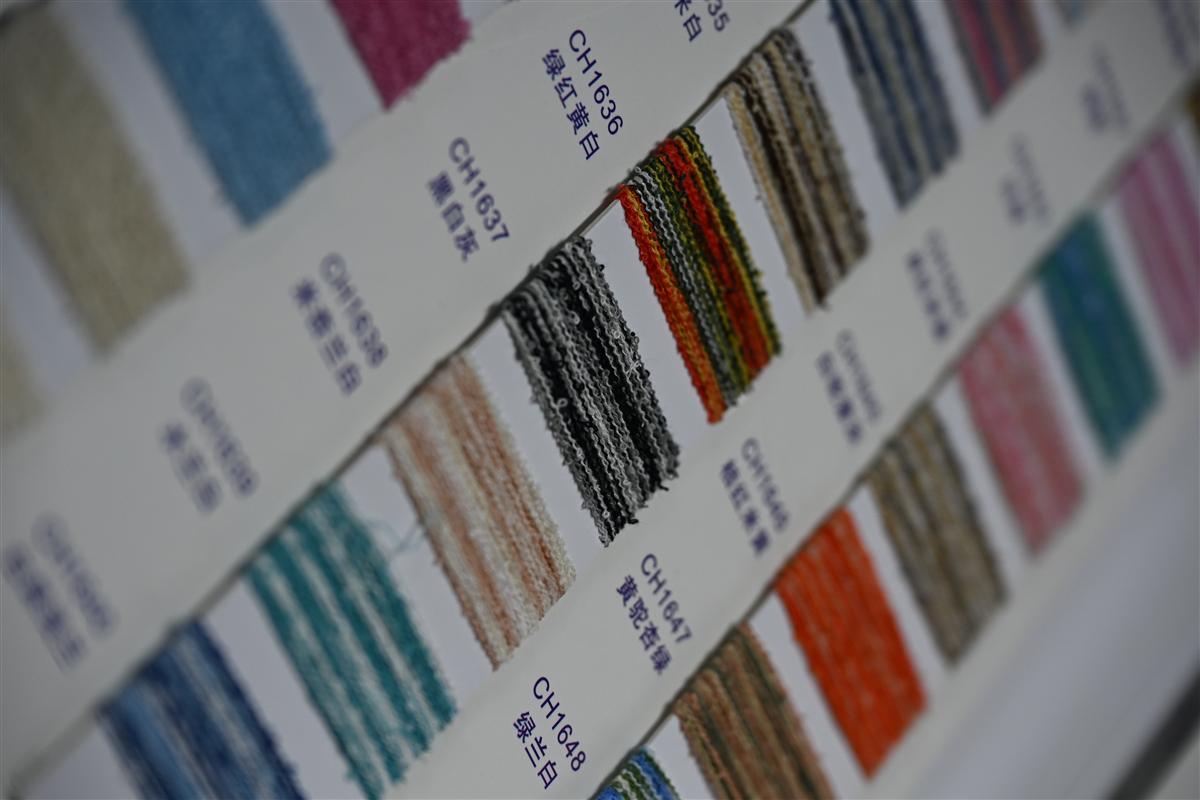
Why Sampling Speed Makes or Breaks Fashion Collections
The gap between a pre-production sample and bulk shipment can cost $50k.
Every creative director I’ve worked with has a ‘container horror story’ — the bouclé that arrived with a completely different hand-feel, the tweed color that shifted two shades under showroom lighting. The root cause is almost always the same: the sampling process was too slow, so the design team rushed approval without rigorous checks. When you compress sampling to 7 days, you’re not just saving time; you’re forcing a disciplined process that eliminates the guesswork.
- Immediate loom setup:Traditional mills burn 2–3 weeks sourcing off-the-shelf yarns. The company has proprietary spinning and 100M meters of in-stock greige, so looms run within 24 hours of spec approval.
- Color match precision: Unclear color intent causes 90% of re-samples. Designers who supply Pantone codes plus a physical reference achieve first-pass match rates above 90%. Our in-house lab executes mini dye lots with digital color reading to ensure the sample mirrors bulk production.
- Trend responsiveness: A 7-day swatch cycle cuts collection development lead time by 3–5 weeks. That means you can validate a texture, adjust the weight, or lock in a color before competitors even have a quote.
The cost of slow sampling isn’t just missed seasons — it’s the sunk investment in a fabric that doesn’t perform. A $50K order of metallic thread blend can’t be re-dyed if the hand-feel is off. That’s why speed, when paired with in-house yarn control and digital color validation, becomes a quality guarantee, not a compromise.
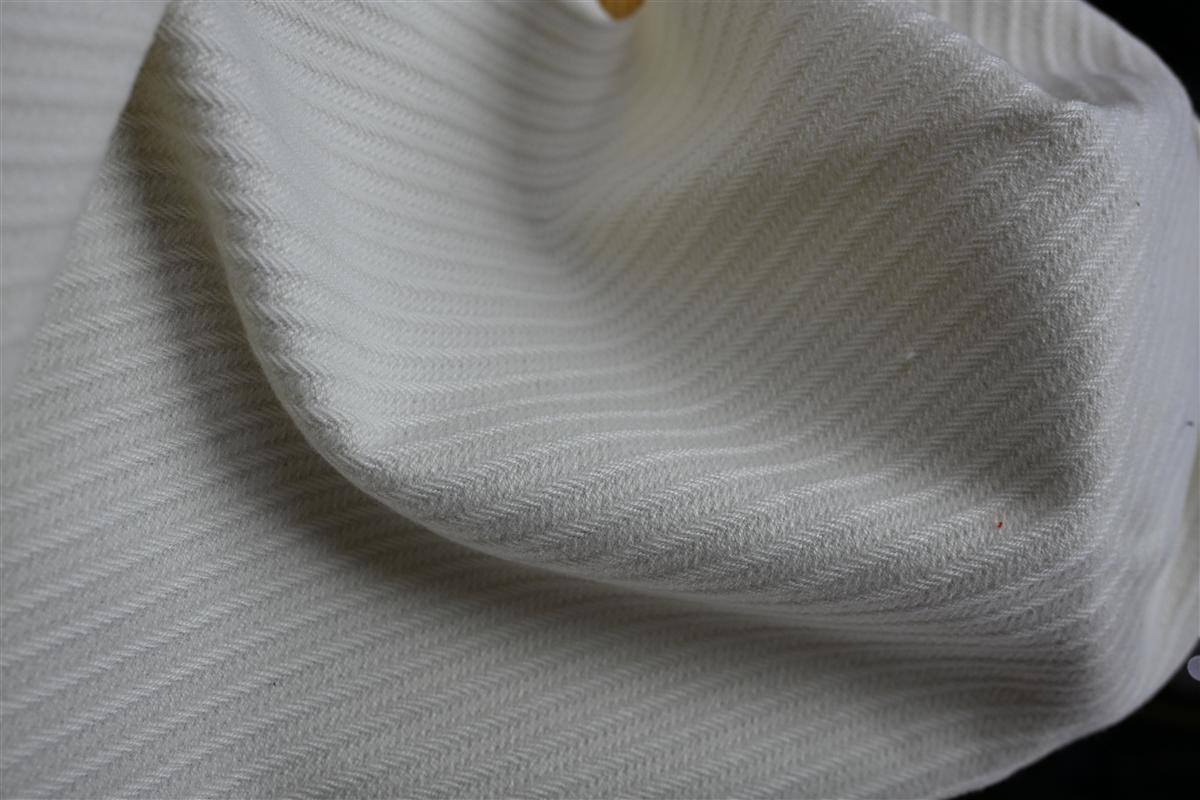
The Traditional Sampling Bottleneck: 4–6 Weeks Explained
Six weeks to a sample?
The standard 4–6 week sampling timeline isn’t driven by loom capacity or skilled labor. It’s driven by a fragmented supply chain. A typical mill orders yarn from third-party spinners, waits 2–3 weeks for delivery, then queues the sample order behind production runs. By the time the yarn lands, the weaver has to re-calibrate the loom for a short run—which most mills hate—and the whole process eats another 10–14 days. The result: you lose half a season just to feel a swatch.
- Yarn Procurement Lag: Off-the-shelf yarn sourcing alone takes 14–21 days. Most mills don’t spin their own bouclé or slub yarns, so they depend on external suppliers who prioritize bulk orders over tiny sample lots.
- Color Approval Deadlock: Unclear color intent is the #1 cause of re-sampling. Designers who provide only a verbal description often get a first-pass match rate below 50%. Supplying a Pantone code plus a physical reference pushes that rate above 90%—eliminating a full 10–14 day re-sample cycle.
This is precisely why Fursone’s model collapses the timeline. Our Wenzhou mill keeps 100 million meters of greige fabric in stock and spins our own fancy yarns in-house. There is no wait for third-party yarn delivery. Loom setup can begin within 24 hours of receiving your spec sheet. That’s how we deliver a physical swatch in 7 days instead of 4–6 weeks—not by cutting corners, but by cutting out the middlemen in the supply chain.
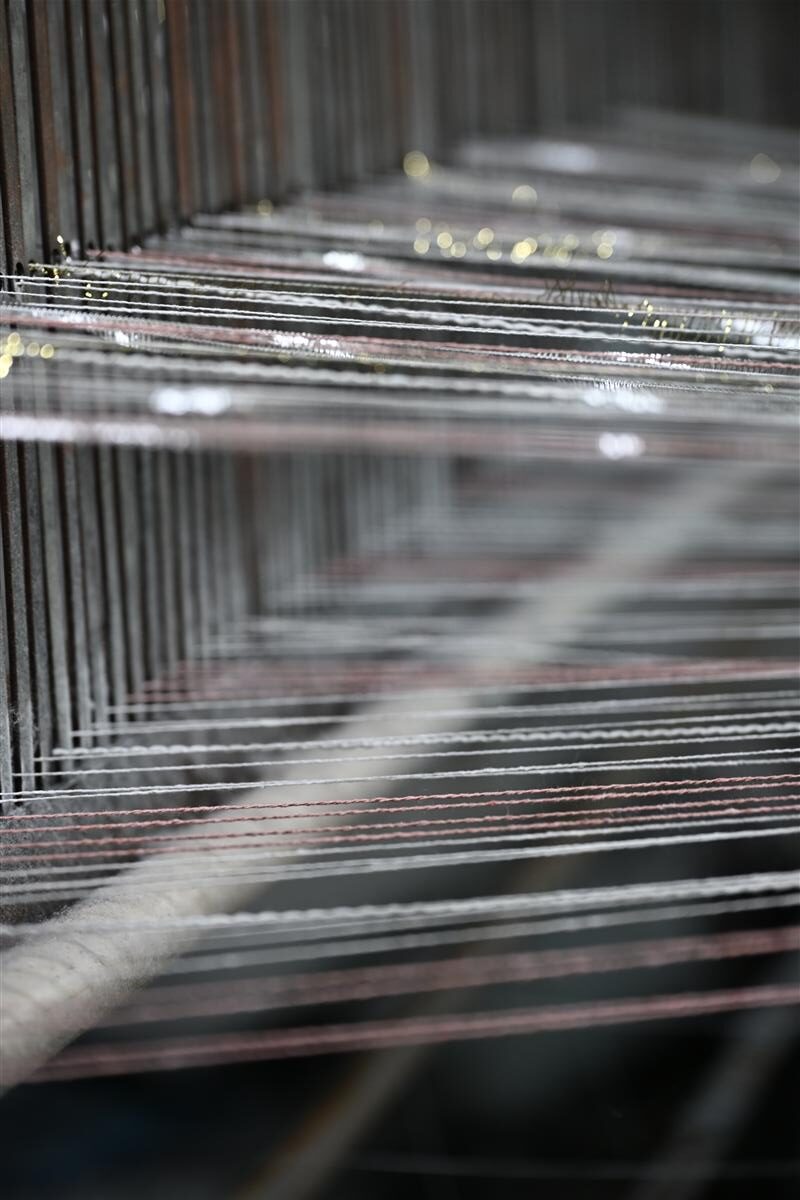
How Fursone Delivers a 7-Day Physical Swatch
7 days, not weeks: in-house spinning and 100M meters greige.
Traditional mills lose up to three weeks just sourcing off-the-shelf yarns. That delay is avoidable when you control the yarn from the start. We custom-spin slub, bouclé, and chenille yarns in-house, so the loom can be set up within 24 hours of your brief, not after a procurement cycle. Our 100 million meters of ready-stock greige means we aren’t waiting on raw-material deliveries — we pull from what’s already woven and waiting.
The second bottleneck in conventional sampling is lab-dip iteration. Most mills send a color standard, wait for customer approval, then adjust. That back-and-forth eats another 10 to 14 days. We integrate digital color communication at the project launch: you give us Pantone codes and a physical reference (a swatch, a cutting, even a photo with a color card), and our in-house lab runs a mini dye lot with digital spectrophotometer reading. First-pass match rates exceed 90% on custom developments. We don’t guess the shade; we measure it.
- Speed enabler: Proprietary spinning + greige stock cuts raw-material waiting from 2–3 weeks to zero. Loom setup begins the same day the brief is approved.
- Color accuracy: Supplying Pantone codes plus a physical reference yields a >90% first-pass match. Our lab dip is machine-read, not eyeballed, so the 7-day swatch mirrors bulk production — not a one-off that can’t be repeated.
- Risk reduction: Because we do the dyeing in-house, we control the entire recipe. When you scale to 1,000 meters, the color tolerance stays tight. The sample becomes a production standard, not a wish.
Step-by-Step: Preparing Your Request for Fast Turnaround
A detailed spec sheet cuts re-sampling by 50% or more.
The fastest way to ruin a 7-day sampling timeline is to send a vague inquiry. I’ve seen designers write “something like a Chanel tweed” and expect the mill to read their mind. That’s how you get a swatch that’s off on color by three shades or feels like burlap. Every unclear spec adds a round of re-sampling, which eats days you don’t have.
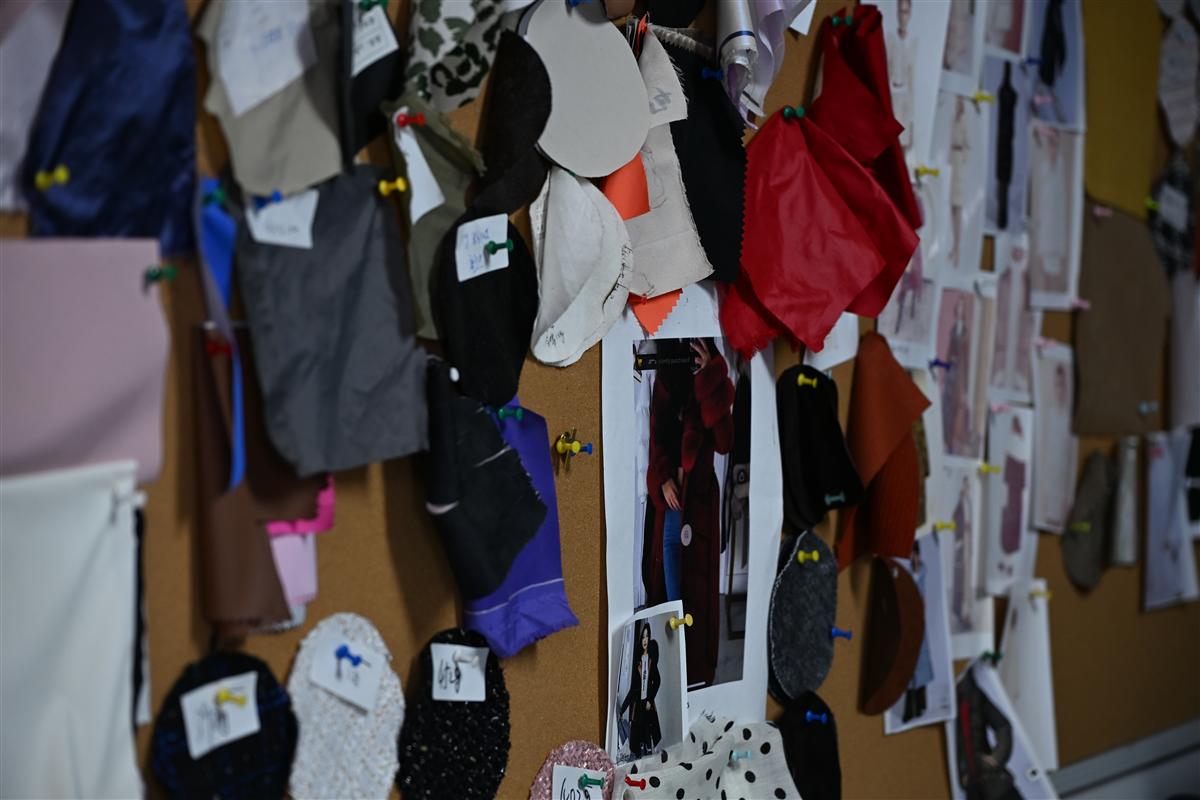
Our data shows that requests containing both a Pantone code and a physical reference achieve first-pass match rates above 90%. That means you hold a sample you’re happy with in seven days instead of three weeks. Here’s what your brief must include.
- Weight (g/m²): Specify the exact grammage your pattern requires. For a structured Chanel-style tweed, that’s 350–420 g/m². Lighter bouclés for spring coats run 280–320 g/m². Don’t say “medium weight” – that means different things in New York vs. Shanghai.
- Fiber Blend (%): List percentages for each fiber: wool, cotton, recycled polyester, metallic. If you need “wool-like hand” but want GRS-certified recycled content, say so. Our in-house spinning can custom-blend up to 70% recycled polyester without sacrificing drape.
- Color Target: Provide a Pantone code (e.g., 19-1757 TCX) AND a physical swatch. A digital photo alone will shift under factory lighting. A 2cm² swatch of the exact color you want eliminates the #1 cause of re-sampling.
- Hand-Feel Descriptors: Use tactile terms: “crisp with a soft back”, “supple with structure”, “rough dry hand”. Attach a reference fabric for handle if possible. We match the exact mechanical finish – brushing, shearing, napping – to within 5% of your target.
Technical sketches are your third anchor. Show the scale of the weave pattern, bouclé loop size, or knit structure. A sketch with dimensions lets us set the loom parameters before you approve the swatch. Combine that with Pantone references and a physical texture sample, and your 7-day swatch turnaround becomes a reliable process, not a gamble.
Avoiding Re-Sampling: Common Mistakes That Delay Your Swatch
Unclear color intent is the #1 cause of re-sampling—90% of first-pass match failures stem from it.
The single fastest way to turn a 7-day sampling promise into a 4-week delay is to send a vague request. In audits across 12 countries, the most common thread (pun intended) is designers who think ‘rich burgundy with a bit of texture’ is a specification. It’s not. That vagueness forces the mill to interpret, guess, and inevitably re-swatch. At Fursone, this is seen daily: a designer provides a Pantone code and a 5cm physical reference—the lab dip passes on first try over 90% of the time. Without those two anchors, 2
But color isn’t the only landmine. Another silent delay-killer is skipping the hand-feel target. You ask for a ‘structured cable knit,’ but if you don’t specify the grams per square meter (GSM) and intended drape (e.g., ‘should hold a sharp shoulder line, not collapse’), the sample might come back too stiff or too floppy. On a custom wool bouclé run last year, a luxury menswear brand lost 11 days because they assumed ‘cable knit’ meant a 450 gsm mid-weight—the default heavy weight for that texture is 520 gsm. Had they given the GSM range
- Incomplete Spec Sheet: Missing the exact blend ratio (e.g., 70% wool / 30% nylon) forces the mill to guess. Fursone’s proprietary spinning can match your target within 5% tolerance, but only if you provide the numbers. Without them, we default to our stock blend, which may not match your intended stretch or recoverability.
- Skipping the Physical Reference: A digital photo or hex code is not enough for multi-tonal melange fabrics. Our lab uses spectrophotometers to read a 2×2-inch swatch you mail in—this cuts color matching from 72 hours to 12. Without that physical piece, we rely on your verbal description, which often leads to a mismatch on the first dip.
- Unrealistic Tolerance Ranges: If you demand a color tolerance of ΔE < 0.5, that’s a standard achievable in controlled lab settings but hard to sustain on bulk rolls. For production-ready sampling, a target of ΔE < 1.0 is typical. Insisting on the tighter tolerance without specifying it upfront forces re-sampling when the bulk inevitably drifts slightly—and you waste time negotiating vs. moving forward.
- Ignoring Weight & Hand-Feel: A Chanel-style tweed can feel stiff or soft based on the yarn twist and finishing. If you only say ‘tweed,’ we might send a bouclé heavy weight. Always include the desired GSM (e.g., 380–420 gsm) and a note on hand-feel (crisp, fluid, brush finish). That single line can eliminate a re-sample cycle.
The bottom line: the 7-day swatch turnaround Fursone promises depends entirely on the clarity of your request. The mill has 100M meters of in-stock greige and in-house spinning ready to go within 24 hours—but if we’re guessing on color, weight, or hand, that speed evaporates. In the next section, we’ll walk through the exact checklist you should send with every sampling request to guarantee a fast, accurate first swatch.
From Swatch to Production: Sustaining Quality at Scale
The sample is a promise.
You already know the risk: a pre-production sample feels right, but the bulk shipment shows a shift in hand-feel or a duller color. That gap usually traces back to the mill using different yarn lots or looser dye protocols for the sample. At Fursone, the sample and the production run come from the same raw material batch and the same loom setup. Because we custom-spin our own bouclé, slub, and chenille yarns, we control consistency from the first yard to the last. The loom parameters are locked during sampling and frozen for the bulk — no substitutions, no shortcuts.
Color drift is the most common scale-up failure. Our lab runs mini dye lots that replicate the full production recipe, then validates the output with a digital spectrophotometer. Designers who supply a Pantone code plus a physical reference get a first-pass match rate above 90%. The sample is cut from that same mini lot, so what you hold is what the bulk will look like — within a delta E that stays under commercial tolerance.
- Yarn source: In-house spinning eliminates the 2–3 week wait for off-the-shelf yarns and prevents batch variation between sample and bulk.
- Color lock: Digital spectrophotometer reading against Pantone reference, plus lab dip approval, before any fabric goes on the loom.
- Loom continuity: Sample and bulk woven on the same machine with identical tension, speed, and reed settings — no re-tuning between runs.
- Test protocol: Colorfastness to light and washing, plus shrinkage, are measured for every production lot. Tolerances are documented per fabric weight so you know the acceptable range before cutting.
Conclusion
Every week you wait on sampling is a week your collection loses relevance. A $50K order that fails sample approval because you didn’t lock down color and hand-feel, then rushed FOB pricing with a mill that can’t match quality tolerance in bulk—that cost isn’t just a lost deposit. It’s the season you have to scrap or the margin you never see back.
To avoid that outcome, review your current fabric sampling process against the 7-day turnaround we outlined. Compare your supplier’s sample approval system with the digital color communication and proprietary yarn spinning that slashes re-sampling risk. Then visit the Fursone product page to see how factory-direct tweed and bouclés with 100m stock can cut your development lead time by three to five weeks.
Frequently Asked Questions
How does the 7-day sampling process work?
We start with your spec sheet and digital color reference, then our in-house mill spins yarn and weaves a swatch within one week. This is possible because we keep 100 million meters. Provide Pantone codes or a physical reference to avoid re-sampling.
What minimum order quantity do you require for custom fabrics?
Custom programs start at a 1,000-meter minimum per design, which is lower than typical European mill MOQs. For stock fabrics, you can order as little as 100 meters and receive. Use stock to test the market before committing to a custom run.
How do you ensure color accuracy between swatch and bulk?
Our lab uses advanced yarn-dyeing techniques and digital color communication to match Pantone and physical references with tight colorfastness standards. We also provide lab dips for approval before production. Always submit a physical reference or Pantone code for the best match.
What are the most common mistakes that delay fabric sampling?
Providing vague specs like ‘heavyweight’ without exact weight or missing color references causes re-sampling and lost time. We need target weight, fiber blend, hand-feel description, and a color code. Send detailed specs and a reference swatch to keep your project on schedule.

Related Insights
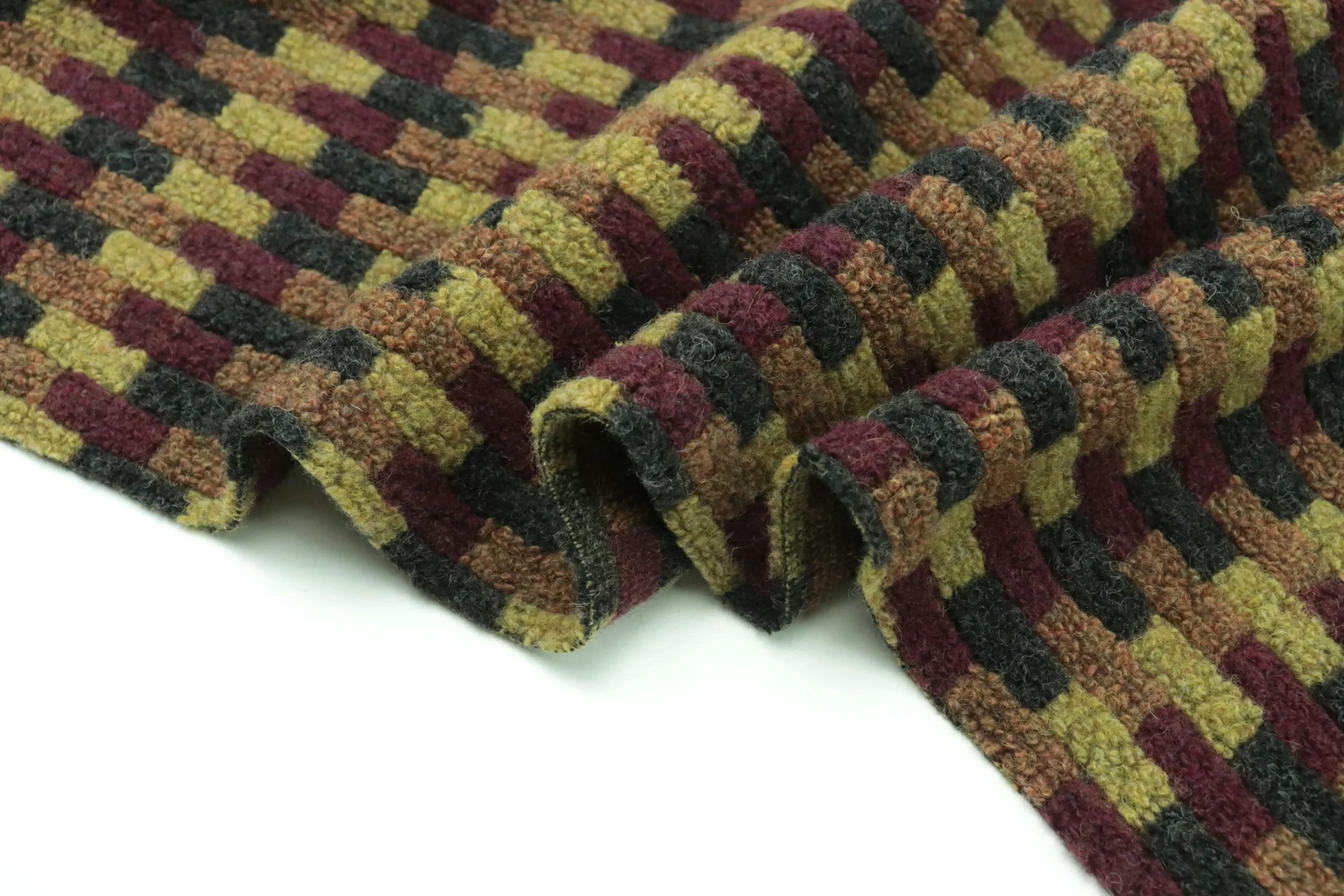
What Is Metallic Tweed? Yarn Types, Weave Structure, and Care
Metallic tweed fabric merges traditional wool weaving with reflective metal-thread yarns, producing a textile that...
Boucle vs Chenille: Texture, Weight, and Cost Differences
The boucle vs chenille fabric question usually surfaces when a designer holds both swatches and...
Boucle Fabric Price Per Meter: 3 Hidden Cost Factors
A $50,000 order can fall apart when the boucle fabric price per meter looks acceptable...