
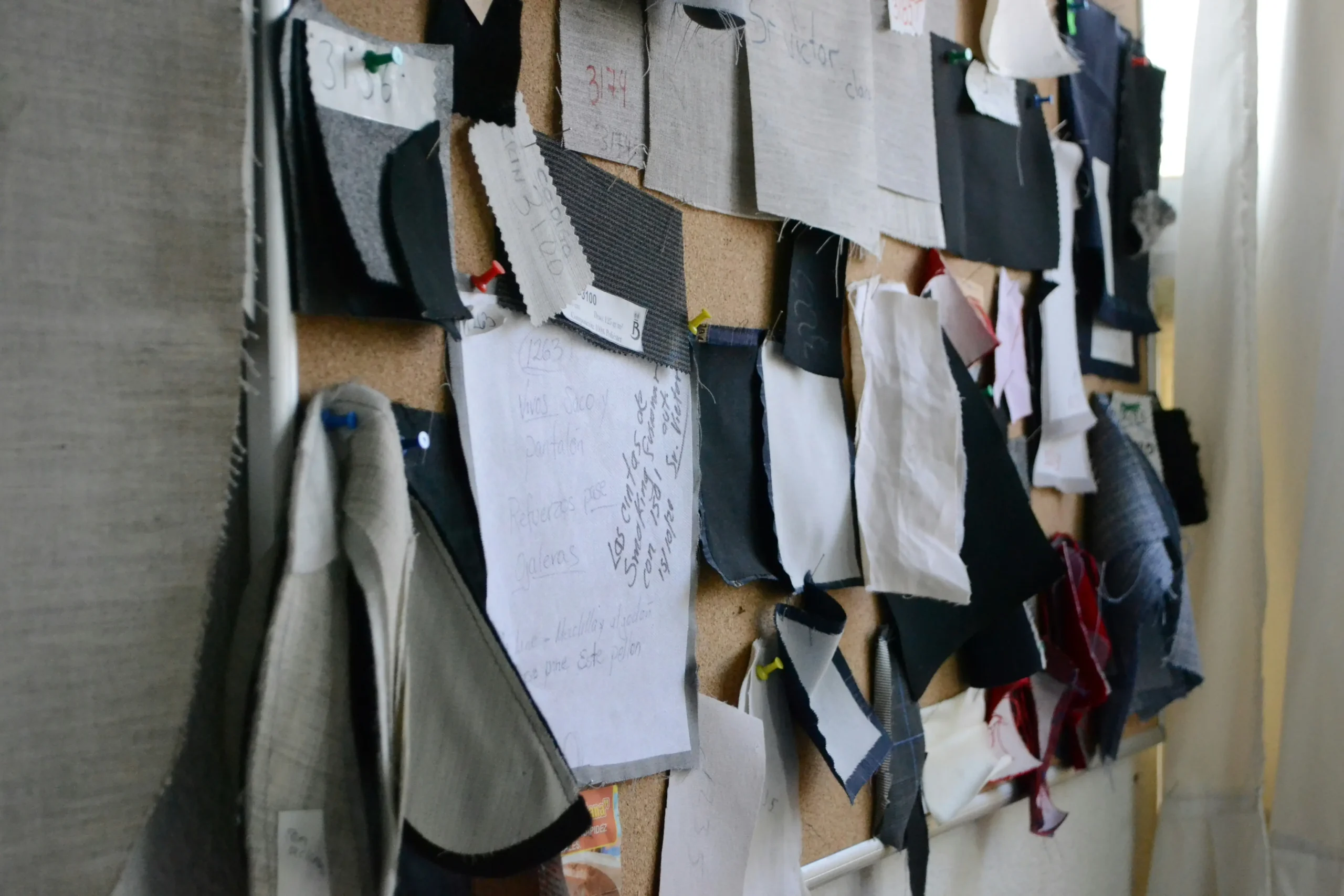
tweed fabric colorfastness test is the first checkpoint buyers should lock before they approve a supplier, budget, or production slot. The operator at a budget mill sees the dye bath turn murky after the first rinse—a sign the color never bonded to the fiber core. That same fabric, when cut into your collection, will bleed onto white linings after one wear in light rain. I’ve walked through enough factories across China and Southeast Asia to know that a tweed fabric colorfastness test isn’t just a checkbox on a spec sheet; it’s the difference between a season you can ship and one you have to explain to your buyers. A sourcing manager I worked with lost a $50K order because the pre-production sample matched perfectly under showroom lights, but the mass production run faded after three washes—the mill had swapped from yarn-dyeing to piece-dyeing without mentioning it.
That scenario is more common than most designers realize. Piece-dyeing lays color on the surface like paint, while yarn-dyeing locks it into each thread before weaving. The result? Yarn-dyed tweeds consistently hit AATCC 4-5 ratings on crocking, wash, and lightfastness tests—standards that budget mills rarely meet because they skip fixation steps to save time and chemical costs. Running a simple dry rub test or a home wash cycle on your swatch can flag these issues before you commit to bulk cutting.
Here is the benchmark worth writing down: any supplier claiming premium quality should deliver an AATCC rating of at least 4-5 on all three tests—crocking (dry rub), wash fastness (shade change), and lightfastness (20-hour exposure). If they hesitate to share lab reports or ask you to trust their word, that’s your signal to run your own checks before cutting.
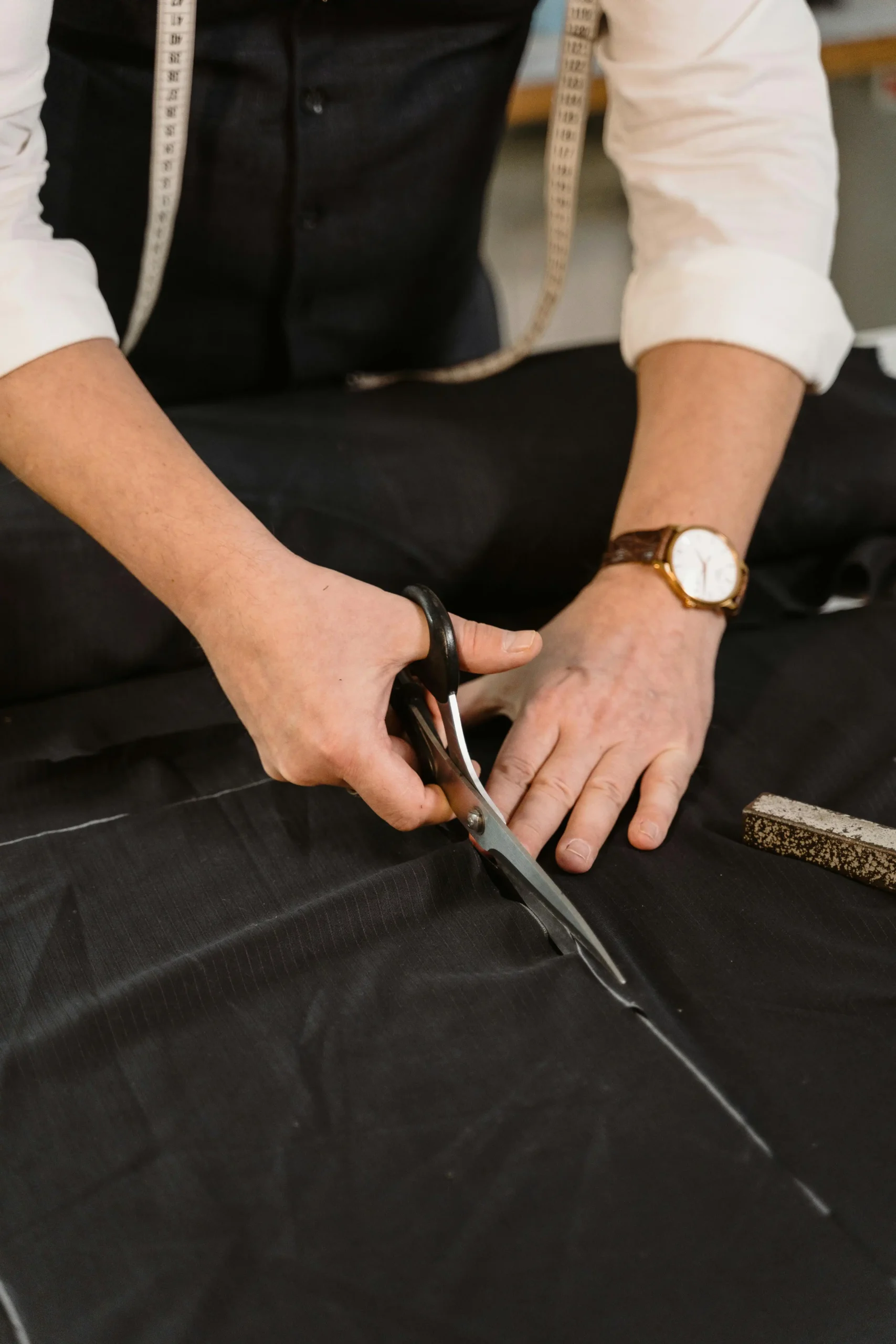
Why Tweed Fabric Color Fades – The Chemical Culprit
Piece-dyeing is the #1 cause of tweed fade — yarn-dyeing penetrates the fiber core.
The Science Behind Dye Penetration: Piece-Dye vs. Yarn-Dye
When you look at a piece-dyed fabric under a microscope, the dye sits on the fiber surface like a coat of paint. Friction, heat, and moisture strip that layer off. That’s why budget mills often achieve only grade 2–3 on AATCC 61 wash fastness — visible fading after one cycle. Yarn-dyeing reverses this entirely. The dye penetrates the fiber core before the yarn is even woven. Each thread is colored through its full cross-section. The result? AATCC 4-5 ratings on wash, crocking, and lightfastness. In plain terms: yarn-dyed tweed can be washed repeatedly without noticeable color loss. Piece-dyed tweed can’t. This is the fundamental difference between yarn-dyed vs piece-dyed tweed fade resistance.
- Piece-Dye: Dye sits on fiber surface; AATCC wash rating 2–3; fades after 1–2 cycles.
- Yarn-Dye: Dye penetrates fiber core; AATCC wash rating 4–5; holds color after 10+ washes.
Why Cost-Cutting Mills Skip Fixation Steps
Fixation is the chemical step that locks dye molecules into the fiber’s active sites. Without it, some dye is only physically trapped, not chemically bonded. That loose dye escapes the moment it contacts water, detergent, or even perspiration. Many low-cost mills in Asia shorten or remove this step entirely to save roughly $0.15–$0.20 per meter. The fabric looks identical out of the roll. The defect is invisible until you run a wet crocking test (AATCC 8). That’s when the white cloth turns the color of your tweed. A wet rub rating below 3 means the fabric will bleed on damp clothing or rain exposure.
The Buyer’s Risk: Invisible Dye Instability Can End Your Season
You’ve placed a $50K order. The fabric passes visual inspection at the warehouse. You cut and sew your collection. Then the first customer complaint comes in: ‘The jacket collar stained my shirt.’ Or the garment loses its vibrancy after a single dry clean. One social media post about color bleeding, and your brand’s reputation takes a hit. Wholesale returns can wipe out your margin on the entire season. The only way to prevent this is to verify the dye process before you cut. Ask your supplier: ‘Do you use yarn-dyeing? Do you perform AATCC 8 and AATCC 61 tests? Can I see the fixation documentation?’ The mill in Wenzhou yarn-dyes all signature tweeds using reactive dyes that penetrate the fiber core. AATCC 4-5 ratings on crocking, wash, and lightfastness are achieved — without the European mill markup. That’s the AATCC 4-5 colorfastness rating tweed buyers expect from premium fabric.
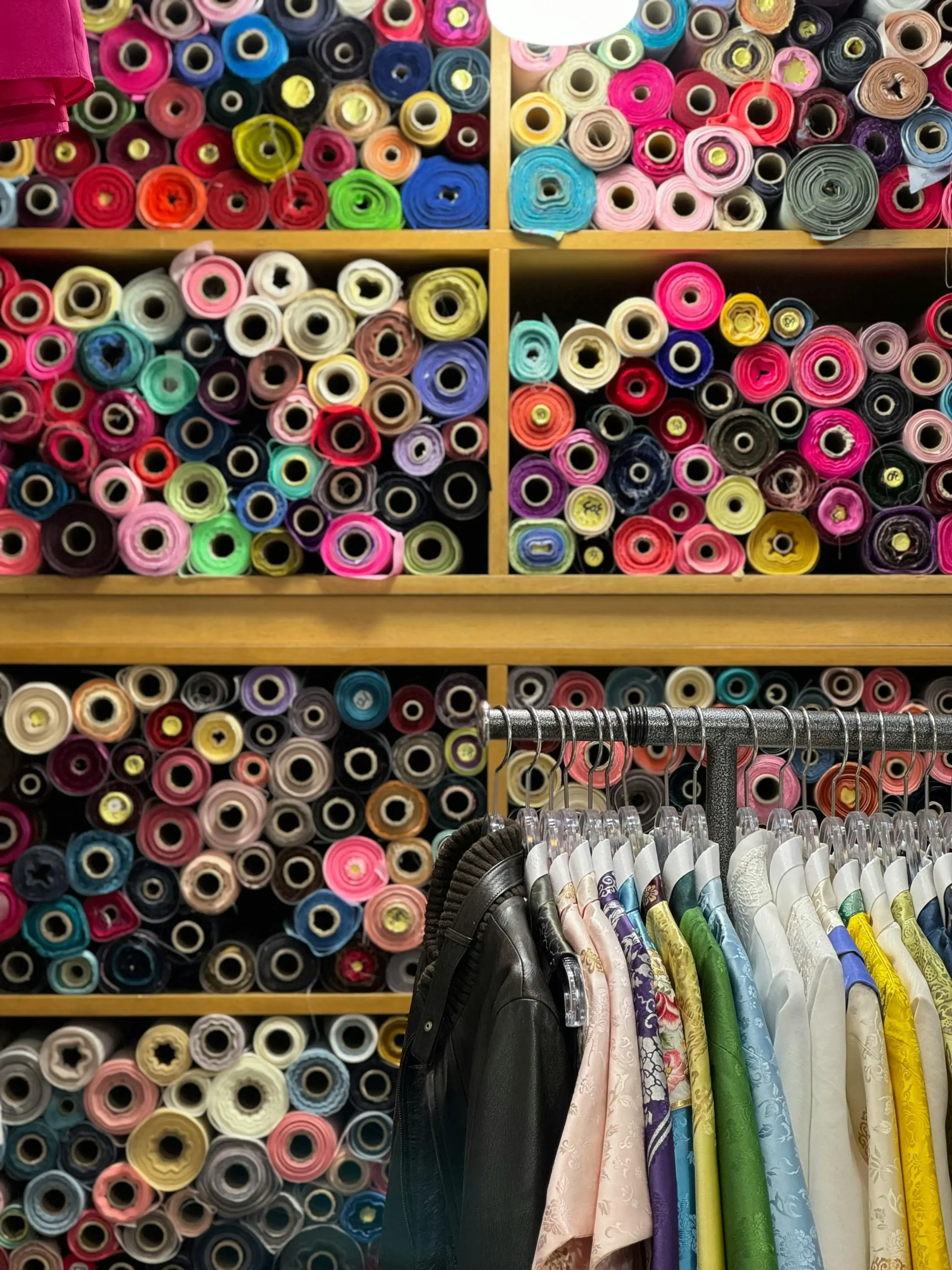
How to Test Tweed for Color Bleeding at Home — No Lab Needed
Yarn-dyed tweeds consistently score AATCC 4-5; piece-dyed fabrics often fail at grade 2-3.
You’ve got a roll of tweed that looks perfect under the showroom lights. But after one production wash, the white lining has turned pink. That’s not a shipping error — that’s a dye chemistry failure. Most color-bleeding problems in tweed come from a single manufacturing shortcut: piece-dyeing instead of yarn-dyeing. Piece-dyeing applies color only to the fabric surface after weaving, like a thin paint layer that rubs off or leaches out in the first hot wash. Yarn-dyeing penetrates the fiber core before weaving, locking the dye into the thread itself. The difference is measurable: yarn-dyed tweeds typically hold an AATCC 4-5 shade-change rating, while piece-dyed fabrics often score grade 2-3 — visible fading after one cycle.
Test #1: Crocking Rub Test (Dry & Wet)
This is the fastest way to catch surface dye that isn’t chemically bonded. Take a dry white cotton cloth — AATCC standard crocking cloth is ideal, but a plain white cotton handkerchief works — and rub it firmly against your tweed swatch for ten strokes. Check for color transfer. No transfer means the fabric passes dry crocking at grade 4-5. Then repeat the test with a white cloth dampened with distilled water. Wet crocking is the tougher measure: if moisture pulls color off the fabric, that tweed will bleed on damp garments or in rain exposure. The industry standard for wet crocking is AATCC 8, with an acceptable rating of 3-4 for dark shades. Anything below that means you’re accepting fabric that will stain collars, cuffs, and linings on first contact with moisture.
Test #2: Color Bleeding Wash Test
Cut a swatch roughly 8×8 cm and sew it onto a white cotton fabric of similar weight. Wash both together at 40°C (104°F) with a mild detergent — one complete cycle in a home machine or a hand-wash basin. After washing, dry flat and compare the original fabric to the washed portion. Use an ISO Grey Scale card to rate the difference under daylight D65 illumination. A rating of 4 or higher means no visible change. A rating of 3 or lower means the fabric is losing dye — and it will continue to fade with each wash. This test aligns with AATCC 61, the standard for accelerated laundering, and directly predicts how your tweed will behave after the first consumer wash. If you’re sourcing for a brand that offers care guarantees, this test is non-negotiable.
Test #3: Lightfastness Exposure Check
Tweed jackets sit on retail racks under fluorescent lights for weeks before they’re sold. That exposure degrades fabric that wasn’t dyed with lightfast pigments. To test at home, mask half of a swatch with opaque tape — leaving a sharp demarcation line between exposed and unexposed zones. Place the swatch on a south-facing windowsill where average daily light exceeds 20,000 lux. Leave it for a period equivalent to three summer weeks of daylight exposure. Remove the tape and check for color change. The standard for this is AATCC 16, which uses a 20-hour xenon-arc exposure as the benchmark. If you see visible fading on the exposed side, your fabric will show color shift after a single season in a store window. And that’s the kind of defect that generates chargebacks, not reorders.
These three tests — crocking, wash, and lightfastness — cost you nothing to run at home. Compare that to the $50-$150 per test you’d pay a commercial lab. They give you a reliable go/no-go filter before you commit to a bulk order. If a fabric sample fails any of these tests, do not cut it. The cost of returns, rework, and brand damage from a single faded garment run far exceeds the premium you’d pay for yarn-dyed tweed from a mill that prioritizes dye chemistry. At our partner mills in Wenzhou, we yarn-dye every signature tweed using reactive dyes that penetrate the fiber core, and we routinely score AATCC 4-5 on all three tests — without the European mill markup.
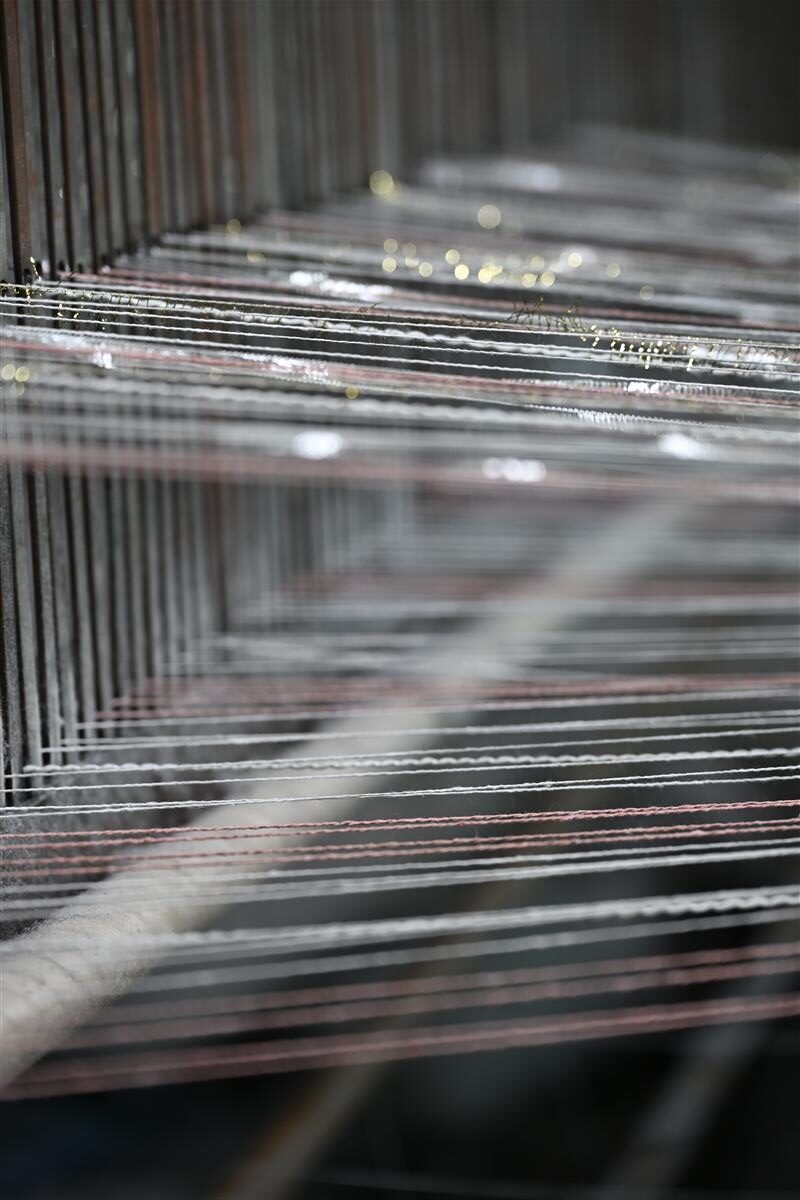
Conclusion
Three tests—crocking, wash, and lightfastness—separate a reliable supplier from one who cuts corners on dye fixation. A $50 lab test can save you from a $50K batch failure. The difference between piece-dyed and yarn-dyed tweed isn’t just chemistry; it’s the difference between a collection that holds its value and one that bleeds out in the first rain.
- Run a dry crock test before cutting any new tweed roll.
- AATCC wash fastness grade 4-5 is the minimum for garment production.
- Yarn-dyed construction eliminates most color bleeding complaints.
The industry benchmark you need to write down for your next supplier call is this: demand an AATCC crocking rating of dry rub grade 4-5 and wet rub grade 3-4 on every FOB pricing quote. If the mill hesitates or offers excuses, you know exactly where the dye process falls short. Compare those numbers against our partner mills in Wenzhou’s standard yarn-dye specs—we hit those ratings on every signature tweed without charging European mill premiums. Request a free colorfastness test swatch or schedule a color-matching consultation with our lab to validate your next run before you cut.
Frequently Asked Questions
Why does tweed fabric color fade?
Color fading in tweed is usually caused by piece-dyeing, where dye only coats the surface and wears off quickly. Yarn-dyed tweeds, where dye penetrates the fiber core, hold color 3x. Always verify whether your tweed is yarn-dyed before approving a large cut.
How can I test tweed colorfastness without a lab?
Run a dry rub test with a white cloth, a hot water soak test, and a UV exposure test in direct sunlight. These three tests reveal bleeding and fading before you cut. If any test shows significant color transfer, reject the fabric.
What’s the difference between piece-dyed and yarn-dyed tweed?
Piece-dyed tweed has color applied to the finished fabric surface and fades quickly, while yarn-dyed tweed has color locked into each thread before weaving. Yarn-dyed tweed consistently scores AATCC 4-5 on wash fastness; piece-dyed often. For long-lasting color, always choose yarn-dyed tweed.
What are the standard colorfastness tests for tweed?
The three standard tests are crocking (dry rub), wash fastness, and lightfastness, each rated on a 1-5 grey scale. Professional AATCC or ISO tests cost $50 to $150 per standard. A $50 lab test can save you from a $50K batch failure.
Related Insights

Fabric Width and Selvedge Lines: Planning Cutting Efficiency Before You Order Tweed
Buyers compare tweed by weight, color and price, and then discover at the cutting table...
Reading Fabric Selvedge: Markings, Width and Quality Signals
The selvedge, the finished edge running along both sides of a fabric roll, is the...

Yarn Counts in Tweed: What 2/8 NM Means for Hand, Weight and Cost
Ask three suppliers to quote “a 400 gsm tweed for overcoats” and you will often...