

Fabric roll grading into A, B, and C qualities is a commercial convention mills use to sort first-quality cloth from rolls with visual or structural deviations. Grade A meets the full spec and ships at list price; Grade B carries minor, often hidden defects and sells at a discount; Grade C has visible or repeated defects and moves into non-apparel uses.
The labels are not one universal standard, though, so the grading language only protects you once it is tied to written defect criteria. This guide explains what each grade typically contains, how grading connects to formal inspection systems, and what buyers should pin down in writing before accepting a discounted lot.

What A, B, and C actually separate
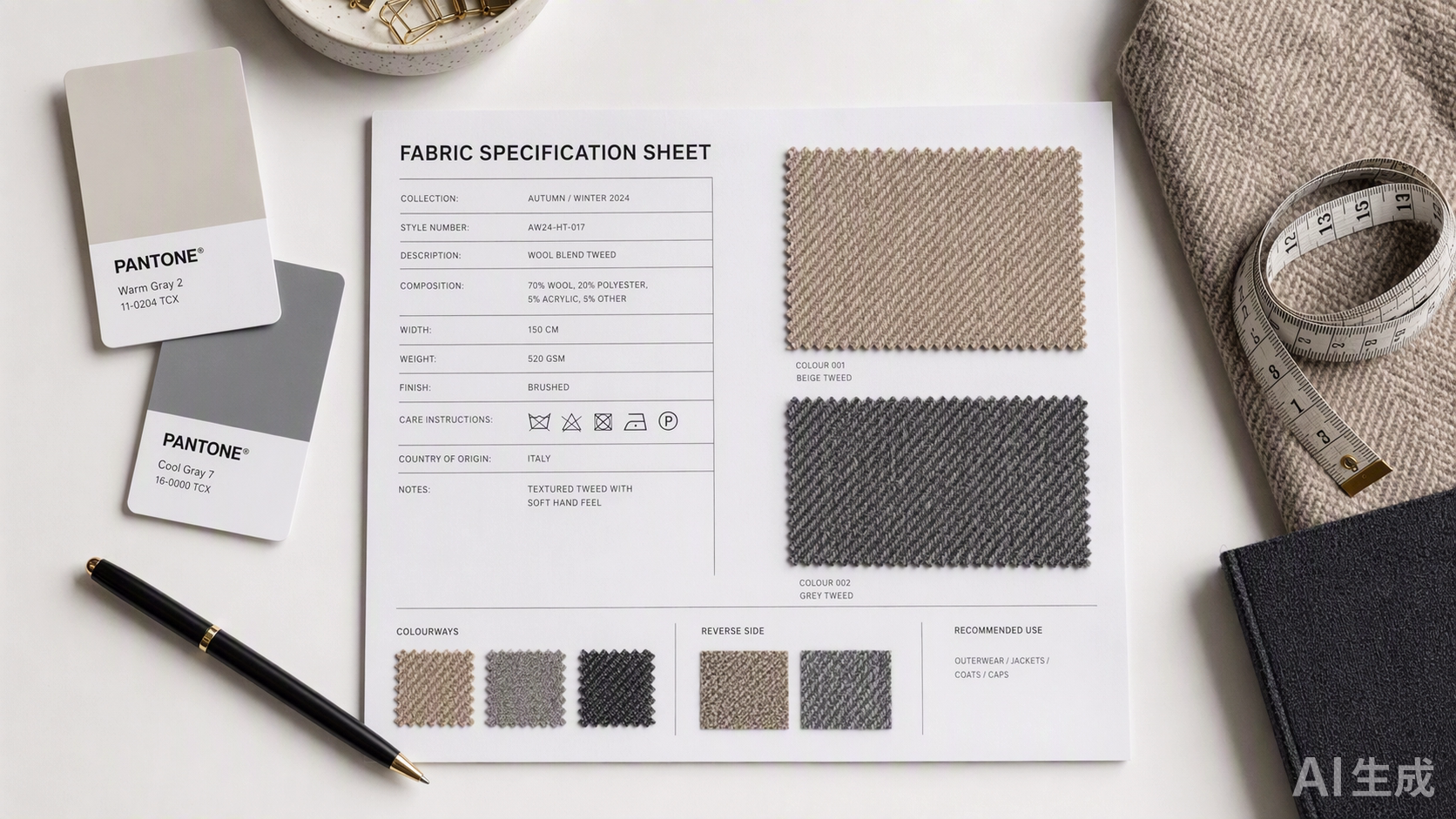
Grade A is first quality: the roll meets every clause of the agreed spec, composition, weight, shade, width, and defect limits, and it is what your purchase contract describes. Grade B usually means the fabric is structurally sound but carries cosmetic deviations: a shade band slightly off the approved lab dip, minor slubs outside the agreed tolerance, a narrow selvedge stain, or short sections of weaving irregularity. Mills sell B grade at a discount precisely because the defects are survivable for many end uses, especially when they fall in cutting waste or hidden garment zones. Grade C collects the rolls where defects are frequent or severe enough to cut usable yield sharply: repeating weaving faults, dye streaks across the width, holes, or contamination. The honest way to think about the ladder is risk placement, A places no risk on you, B places judgment risk, C places yield risk.
Grading is convention; inspection is standard
Here is the caution that saves money: A, B, and C are not defined by a single international standard, and the boundary between them varies mill by mill. One mill’s B is another mill’s C. The professional fix is to anchor grading to a recognized inspection framework so the letters carry measurable meaning. The textile industry’s workhorse is the 4-point system, which scores defects by size and sums penalty points per linear meter; buyers set an acceptance ceiling and any roll above it is rejected or re-graded. The method is maintained under ASTM International standards, and we broke down how the scoring works in practice in our 4-point inspection guide for buyers. Pair it with a statistical sampling plan for the lot, the AQL approach we covered in our AQL sampling guide, and the grade letters stop being a supplier opinion and become an inspection outcome.
Where Grade B makes sense, and where it quietly costs more
Discounted B-grade rolls genuinely earn their place in some programs. If you cut small pattern pieces, run a sampling line, or produce items where the fabric’s reverse or interior faces outward wear, a documented B lot can cut material cost without touching quality perception. The trap is buying B for applications that expose the whole cloth surface, full-width shirting panels, large coat fronts, upholstery faces, because the discount rarely compensates for the yield loss and the sorting labor at the cutting table. Run the math on usable meters, not invoice meters: a B lot at 70 percent of price but 80 percent usable yield is more expensive per good meter than A grade at full price. Shade-sensitive programs add a second risk, since off-lot dyeing behaves differently under light and next to approved trims; if shade consistency across bulk matters to you, our dye lot consistency guide explains how mills control it and what the limits are.
How mills like ours run the sort
At our mill, grading happens at two gates. The first is during inspection on the inspection frame after finishing, where trained staff log defects against the 4-point scoring and the customer’s spec sheet; rolls over the agreed ceiling are pulled from first quality automatically rather than by negotiation. The second gate is the pre-shipment audit on packed lots, which is where statistical sampling lives. Across 300+ looms, defect patterns are also fed back to the weaving floor, tension, beat-up, and speed parameters are the usual levers, and the relationship between those settings and cloth quality is documented in our weaving parameters article. Buyers visiting or auditing should ask to see both records: the per-roll inspection logs and the lot-level sampling report. A mill that can produce both is grading by system; a mill that only produces the word “A” is grading by opinion. Our woolen overcoat fabric line runs the same two-gate structure, with the acceptance ceiling written into the order confirmation.
What to write into the purchase order
- The inspection method and acceptance ceiling: name the 4-point method and the maximum points per linear meter, or per 100 square meters, explicitly.
- The sampling plan: sample size and AQL level for lot acceptance, not just roll-by-roll sorting.
- What happens to failed rolls: replacement, credit, or re-grade pricing, decided before the dispute exists.
- Shade reference: the approved lab dip or blanket sample ID that Grade A shade is measured against.
- Defect marking: whether defects are flagged with stickers or selvedge marks so your cutters can work around them.
Five lines, all of them cheap to add and expensive to be missing. If a supplier resists putting grading criteria in writing, that resistance is itself the grading information you needed.
Frequently asked questions
What is Grade A fabric?
First quality: the roll meets every clause of the agreed specification including defect limits, and ships at contract price. The definition only has teeth when the spec and inspection method are written down.
Is Grade B fabric safe to buy?
For small-piece cutting, sampling, and hidden-zone applications, documented B lots can reduce cost sensibly. For large visible panels, the yield loss and sorting labor usually erase the discount.
Who decides where A ends and B begins?
By convention the mill sorts, but the boundary should be anchored to an inspection framework such as the 4-point system with an agreed acceptance ceiling, so the grade reflects measurement rather than opinion.
What documents should accompany a graded shipment?
Per-roll inspection logs, a lot-level sampling report against the agreed AQL, and the shade reference ID used for acceptance.
For how the order side connects to the numbers on your invoice, see the payment terms guide for Chinese fabric mills.
For the full agenda of a mill pre-production meeting, from seal sample to escalation path, see what a fabric pre-production meeting should cover.
For a step-by-step guide: How to Source Fabric from China for Small Brands. Need samples first? Request free fabric swatches.

Related Insights
Shrinkage Control in Knit Manufacturing: Pre-Shrinking and Relaxation
Shrinkage complaints on knitwear rarely come from bad fiber; they come from unrelaxed fabric cut...

Raising and Brushing: How Nap Is Built in Wool Finishing
Two wool fabrics can leave the loom identical and arrive as different products. One is...

Steaming and Mending Before Packing: The Mill’s Final Pass on a Tweed Roll
Between the loom and the bale there is a department most buyers never see. In...