
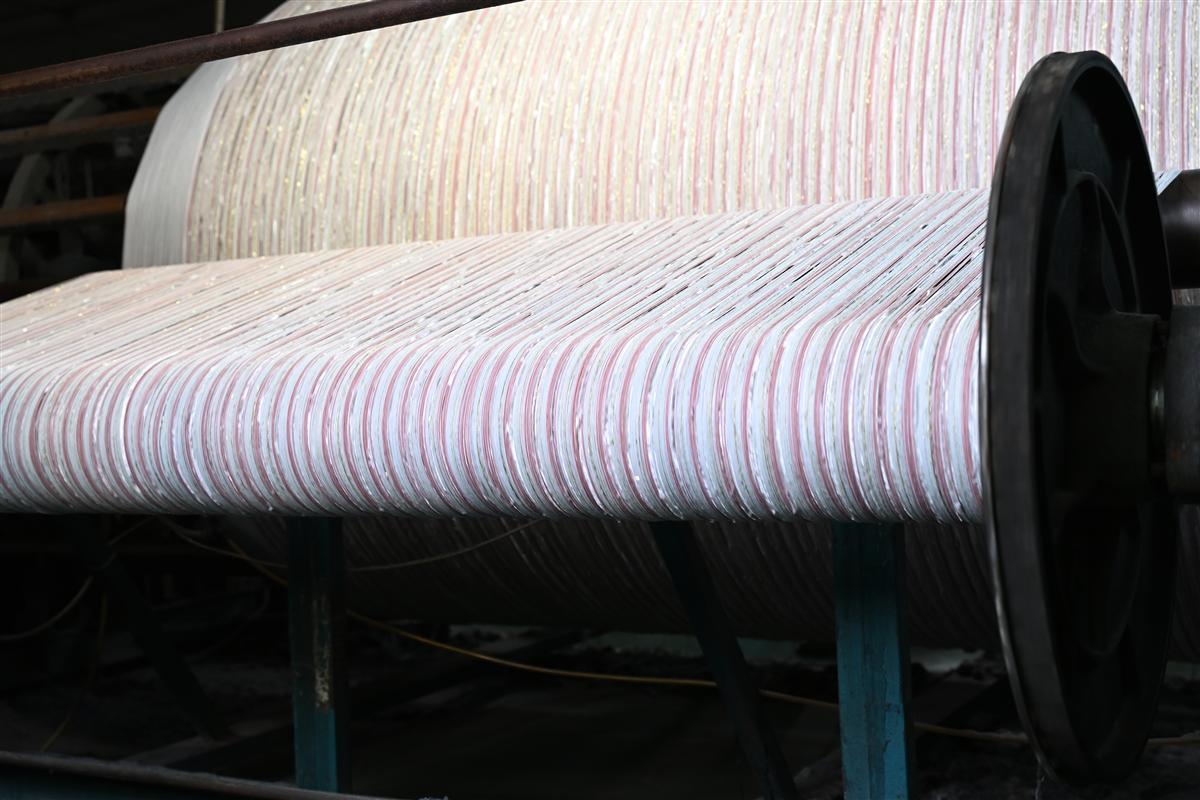
Cotton Boucle vs Wool Boucle: Drape, Weight, and Seasonality
Bouclé is one of those fabrics that reads instantly by texture, but the fibre underneath changes everything about how it behaves. A cotton bouclé and a wool bouclé both have that looped, curly face, yet they drape differently, weigh differently, and belong in different seasons and different garments. This guide compares the two on the dimensions that actually matter to a buyer: drape, weight, seasonality, care, and where each one earns its place in a collection.
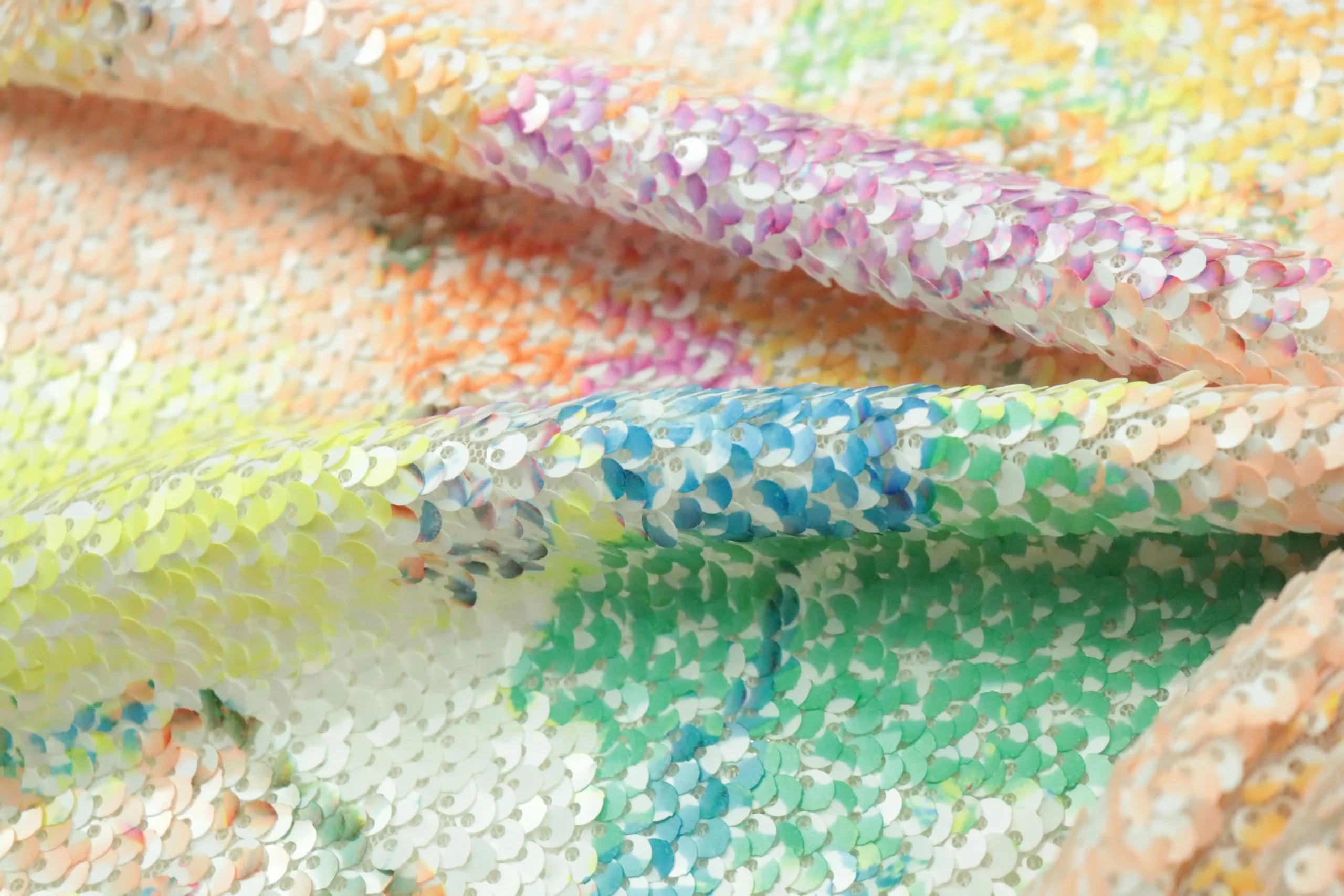
The texture is the same, the fibre is not
Bouclé is a construction, not a fibre. The looped, curled yarn that gives bouclé its nubby surface can be spun from different fibres, and the fibre determines how the fabric behaves. Cotton bouclé is a plant fibre, so it is lightweight, breathable and matte, but it has less bounce and less warmth. Wool bouclé is animal, so it holds loft, has more structure and warmth, and takes a better hand over a form. Same look, different garment.
This is why a buyer should specify the fibre when ordering a bouclé, not just say “bouclé.” A sample that feels soft could be a cotton bouclé, and if the design needs structure and warmth, that sample will not hold up in the finished garment.
Drape: cotton hangs, wool shapes
Drape is where the two diverge most. Cotton bouclé is softer and less structured, so it hangs with a gentler fall and works well in a soft, relaxed silhouette — a summer knit, a cardigan, a light jacket. Wool bouclé has more body, so it takes a shape, holds a shoulder line and suits a structured coat or a tailored jacket. Because wool bouclé is heavier and more structured, it will hold form, while cotton bouclé will move and fall with the wearer.
That means a designer who wants a sculpted coat should reach for wool, and a designer who wants an easy, drapey piece should reach for cotton.

{window.__ytFacadeInit=true;}
Weight and warmth: the seasonality driver
Cotton bouclé sits at a lighter weight and offers little insulation, so it is a spring-summer and transitional fabric. Wool bouclé is heavier and warmer, making it an autumn-winter fabric. The difference is driven by the fibre’s loft: wool traps air and insulates, cotton does not. So a winter coat needs wool bouclé, while a spring knit can take cotton. This is the single most useful rule for season planning.
Getting the fibre wrong for the season is a common buyer mistake — a “bouclé” that was specified for a winter coat but sewn from cotton, which then reads light and cold.
Care, feel and price
Cotton bouclé is generally easier to care for, more breathable, and cheaper per metre. It resists pilling better because cotton is a shorter, less fuzzy fibre on the surface. Wool bouclé is more prone to surface fuzz and can pill more easily, and it needs more careful washing and storage, but it has a richer hand and greater durability of shape. Price-wise, cotton is usually the lower-cost option, while wool carries a premium that reflects the fibre and the loft.
Because wool is also a fibre with content-labelling implications that a buyer should verify, it pays to check how the fabric is described. Fibre-content labelling for textiles is enforced by the US Federal Trade Commission, which requires that the fibre composition be labelled accurately — a useful reminder that a “wool” bouclé should actually be wool when it is labelled that way.
Which one to brief
Brief cotton bouclé when you want a lighter, breathable, affordable piece for spring and summer, or a relaxed silhouette that hangs without structure. Brief wool bouclé when you need warmth, loft and a structured shape for autumn and winter. If you are not sure, produce the sampling against the season and the garment, not against the word “bouclé” on its own. Fursone’s sample line can produce a custom swatch in 7 days instead of a 6-week cycle, which makes testing both fibres against a toille quick and low-risk.
For more on how fabric construction drives behaviour, see our guides to tweed vs flannel, herringbone vs houndstooth, and how bouclé snagging vs pilling affects care.
FAQ
Is cotton boucle and wool boucle the same fabric?
No. They share the same looped boucle construction, but the fibre differs. Cotton boucle is lighter, breathable and matte with less structure, while wool boucle has more loft, warmth and body, so it takes a structured shape.
Which boucle is better for a winter coat?
Wool boucle. It is heavier, warmer and holds a shape, so it suits a structured autumn-winter coat. Cotton boucle is too light and lacking in insulation for a winter outerwear piece.
Which boucle pills more?
Wool boucle is more prone to surface fuzz and can pill more easily because of the fibre. Cotton boucle generally resists pilling better and is also easier to care for and cheaper per metre.
How do I choose between cotton and wool boucle?
Choose by season and garment. For a lighter, breathable spring-summer piece, use cotton. For warmth, loft and a structured shape in autumn-winter, use wool. Always specify the fibre when ordering, not just “boucle.”
For a closer look, see our guide on how birds-eye and dogtooth patterns differ.
Learn more: Tweed Fabric Guide · Explore Chanel-Style Tweed. Need samples? Request free swatches.

Related Insights

The ISPM 15 Mark on Your Crate: What to Check?
The forwarder’s message asks whether the crate holding 120 metres of wool tweed carries the...

A Name in the Selvedge: What the Edge Can Hold?
A woven name is a construction decision before it is a design decision. On a...

Oil and Mothball Smell in the Bale: What to Do First
An oil or mothball smell on opening a bale is a chemical question before it...