

Key Takeaway
How a fabric wholesaler turns a Pantone reference into a repeatable custom colour: light source, dE tolerance, physical standard, and batch-to-batch consistency.
Case Study: A Wholesaler’s First Custom Color, From Pantone to Production
For a fabric wholesaler, the first custom colour is the moment the relationship with a mill becomes real. It is also where the most mistakes happen: the Pantone on screen, the shade in hand, and the lot that comes back can be three different colours. This case study walks through how a wholesaler turns a single Pantone reference into a repeatable, production-ready custom colour — and the checks that stop a five-figure order from shipping the wrong shade.
Fursone, a Wenzhou mill with 300+ looms producing since 2020, has developed custom colours for wholesale and designer clients, and its yarn dyeing and finishing are where colour accuracy is actually decided.
The Problem: Screen Colour vs Physical Colour
The wholesaler picked a Pantone reference, approved it on a screen, and expected the mill to hit it. Screens are not calibrated the same way a dyer reads a batch, so the first sample came back wrong. Colour is a physical interaction of dye, yarn and light; you cannot approve it on a monitor and walk away.
Building a Colour Batching Process
What fixed it was a defined process. First, agree the light source: D65 daylight is the retail standard, and both sides measure under the same light. Second, set a tolerance: a dE (delta-E) value that defines “acceptable”. Third, keep a physical physical standard — the approved swatch — as the reference, not a digital file. This is the difference between “we tried” and “we verified”, and it is covered in how Fursone dyes custom tweed yarn.
Cost and MOQ for a First Custom Colour
A custom colour is a production commitment. The mill needs a minimum yarn lot to make the dye bath worthwhile, and the wholesaler needs enough units to justify the development. Fursone runs custom work from 300M, while stock is available from 100M with no minimum — which is why a first custom colour usually starts as a small paid development sample before the full yardage. The math matters, and it is laid out in the custom fabric cost breakdown.
Colour Consistency Across a Run
The bigger risk is not the first batch matching the swatch — it is batch five matching batch one. Colour drift between lots comes from dyestuff variability, water and temperature. Ask the mill for batch-to-batch tolerance and dye lots records. And when you display the colour on a website, remember digital colour has its own limits; the W3C Web Accessibility Initiative sets guidance on conveying information beyond colour alone, which matters if colour is your key selling point.
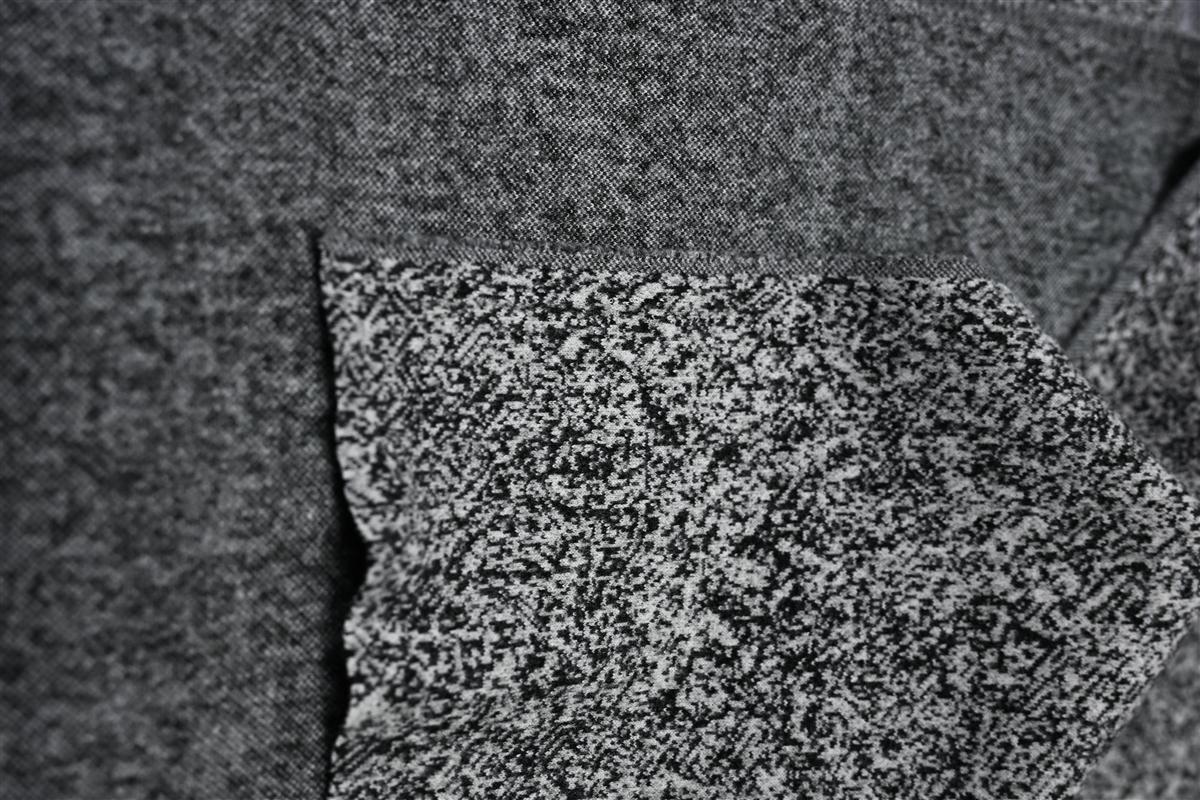
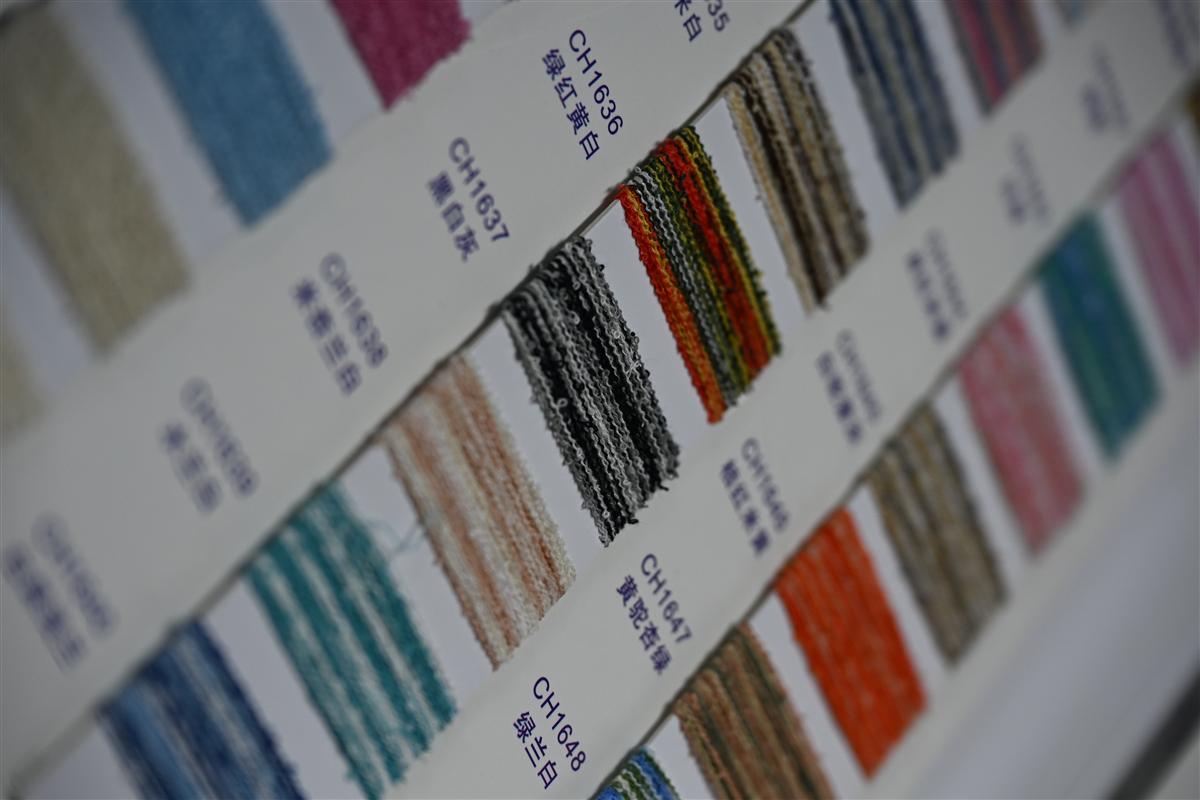
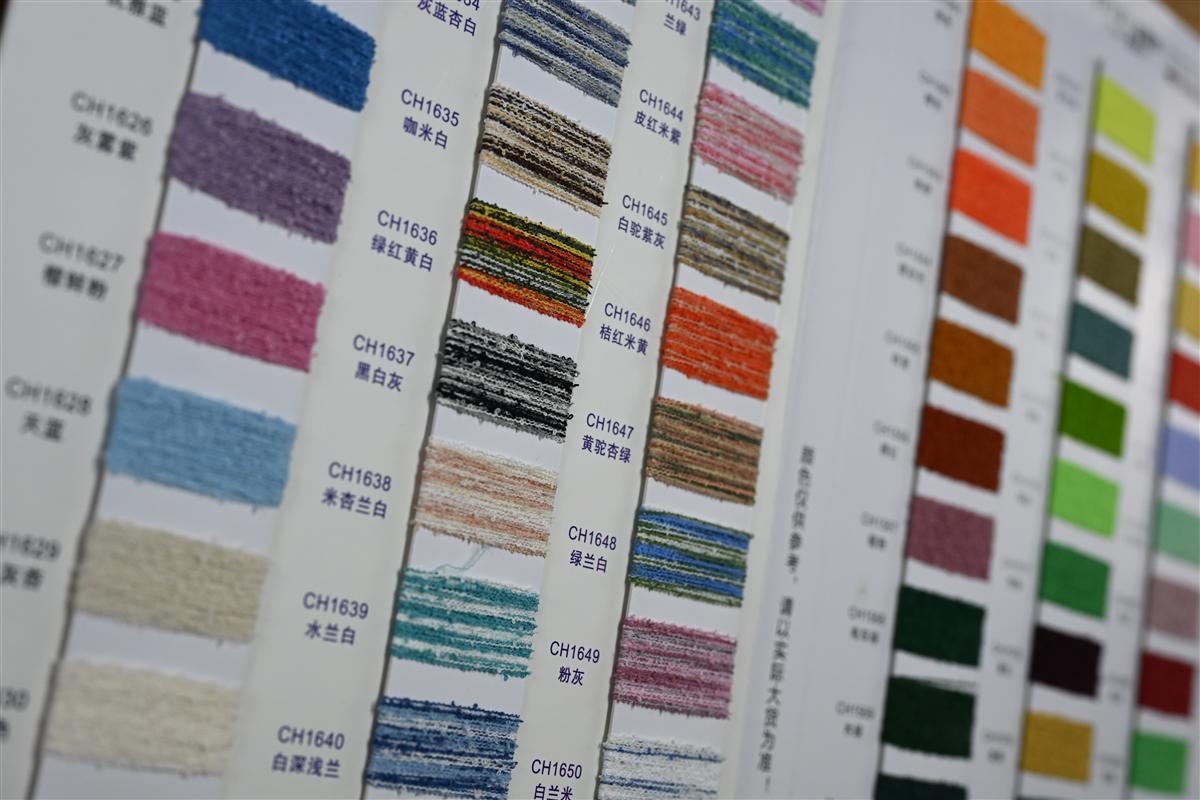
If you are sourcing these fabrics for a collection, start with the chanel-style tweed fabric range and request a sample to match your spec.
See also: yarn dyeing techniques for tweed.
See also: custom tweed fabric cost.
See also: what defines chanel-style tweed.
Common Questions
How close to Pantone do I need to be?
Set an explicit dE tolerance rather than an instruction to “match”. A dE of 1-2 is tight and costs more; 3-4 is usually acceptable for apparel. Agree the tolerance and the light source before production so “close enough” is defined and not argued later.
Is a custom colour worth the MOQ?
Only if you can sell the volume. A custom colour needs a minimum production lot, which is why Fursone sets custom runs at 300M while stock is available from 100M with no minimum. For a first order, start with a small paid development sample, confirm the shade, then commit.

Related Insights
Case Study: Startup Brand’s Two-Phase MOQ Strategy: Stock First, Custom Later
The most expensive mistake a startup fabric buyer makes is ordering custom fabric for a...
Case Study: Home Textile Brand Trials Tweed for Cushion Covers
When a home textile brand thinks about tweed, outdoor coats usually come to mind first....

Case Study: Winter Coat Brand Switches to Woolen Tweed for Lighter Weight
Case Study: Winter Coat Brand Switches to Woolen Tweed for Lighter Weight Winter coat buys...