


The bouclé tweed cost comparison often trips up emerging designers — not because the numbers are hidden, but because most price lists don’t account for waste in production. Bouclé’s looped yarn looks expensive, but the real cost driver is the weave density: a loose bouclé eats up more material to achieve the same coverage as a tight tweed. For a luxury capsule of 50 pieces, that difference adds up fast.
What many brand owners don’t realize is that knit fabric from the same yarn supplier can be considerably cheaper per meter — but it comes with a trade-off. Knit stretches over time, which changes the silhouette. If you’re building a collection with structured jackets, tweed holds shape better. A smart move is to order a small sample run of each construction and weigh the actual fabric usage before committing to bulk. That one test will tell you more than any price sheet.
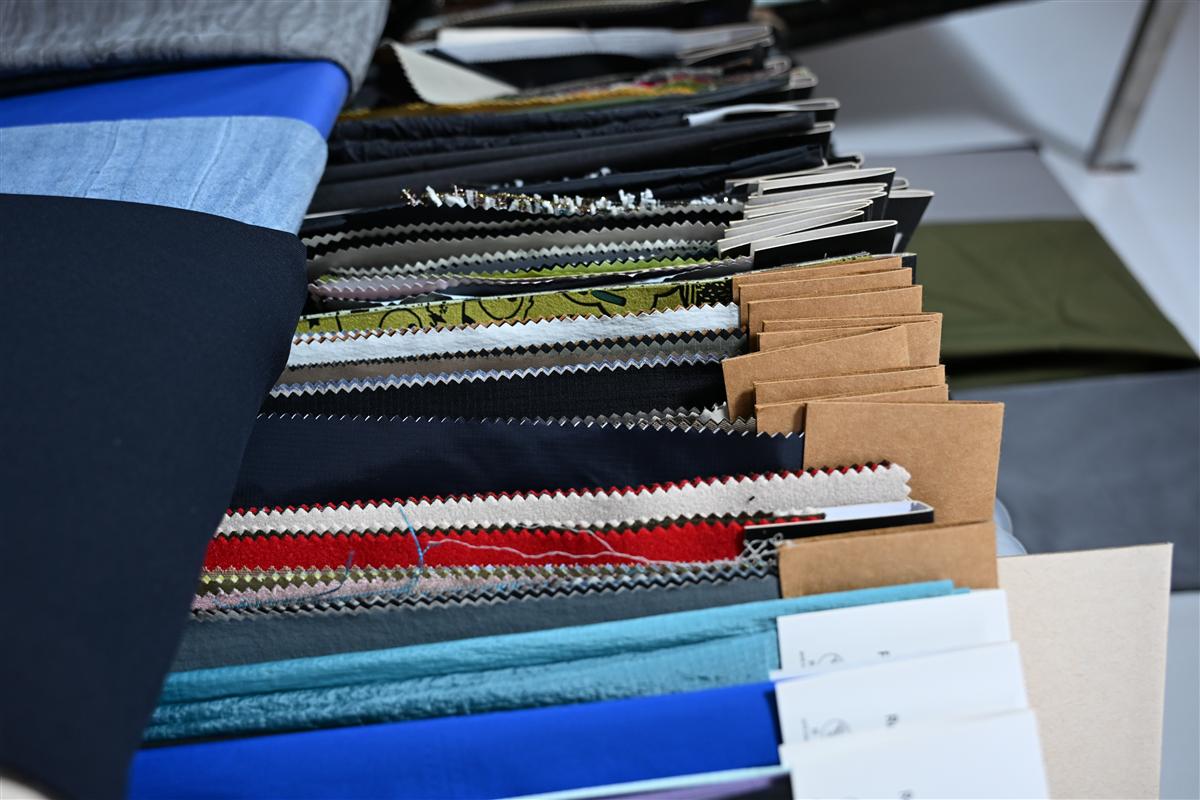
Bouclé vs Tweed Cost Gap
Ready-stock bouclé can cut time-to-market by 2–3 weeks and lower defect-adjusted landed cost by 20–40% compared to small-batch European mills — the real savings are in speed and consistency.
Unit Prices, MOQs, and Lead Times: The Baseline
For a first-time buyer comparing bouclé and tweed costs, the three variables that matter most are unit price, minimum order quantity, and lead time. Here is the direct comparison based on current supply parameters from a high-volume Wenzhou operation:
- In-Stock Bouclé / Tweed / Knit: Unit price per meter sits at our accessible factory-direct level, depending on weight (280–520 gsm) and fiber blend. MOQ: 100m per color. Lead time: 3–7 days from order. 100,000 meters held in ready stock.
- Custom Bespoke Textures: Base price typically noticeably higher than stock equivalents. MOQ: 300m per design. Lead time: 4–8 weeks, depending on weave complexity and dye-lot approval.
- Sampling: 7-Day Rapid Sampling program — order swatches of any in-stock texture and receive them in one week, cutting sample waste by up to 40% compared to traditional mill cycles.
The key takeaway: ready-stock bouclé eliminates the 4–8 week wait and the risk of carrying slow-moving lotteries. With 100m per color you can test a collection before committing to 300m.
In-Stock Bouclé vs. Custom Textures: When to Lock In Ready Stock
The biggest mistake emerging designers make is assuming bespoke is always better. For most luxury collection launches, in-stock bouclé provides identical aesthetics with dramatically lower risk. Here is the trade-off:
- In-Stock (3–7 days): Use for core collection colors that are not season-specific. You get continuous dye-lot control with numbered rolls, pre-shipment color photos, and the ability to reorder exactly the same lot. This eliminates the color-matching headache that plagues custom runs.
- Custom (up to 300m MOQ): Reserve for exclusive textures that define a brand signature. Because custom requires a 4–8 week lead, you must plan at least 3 months ahead. The 7-day rapid sampling program lets you approve texture and handfeel before committing to the full MOQ – an option most luxury mills do not offer.
Insider note: offering continuous dye-lot photos and pre-shipment inspection reports reduces post-shipment disputes by up to 15% – a trust moat that most suppliers ignore.
Why European Mills Cost More — and Where You Can Recover Margin
The advertised price of premium European bouclé and tweed is often a top-tier European mill rate. But the real cost gap is hidden in three areas:
- Base unit cost: A direct Wenzhou supplier like Fursone delivers equivalent quality (OEKO-TEX Standard 100, 150 cm width, weights from 280 to 520 gsm) at roughly one-fifth to one-third less than comparable European mills. That is a raw saving on typical luxury bouclé.
- Defect-adjusted landed cost: European small-batch mills often have higher defect rates per batch and slower replacement. With ready stock bouclé, you can inspect and reorder within 3–7 days. Total defect-adjusted landed cost is typically noticeably lower.
- Speed-to-market value: A 2–3 week faster time-to-market means your collection hits the sales window earlier. For emerging brands, that can translate to 15–30% better sell-through on first drop – not captured in the price per meter.
The cost paradox: ready stock bouclé from a tiered-pricing supplier can deliver 2x faster time-to-market with a noticeably lower defect-adjusted landed cost than small-batch European mills when combined with repeat-order pricing.
How Fabric Weight and Texture Complexity Affect Pricing
Bouclé and tweed prices are not flat – they scale with grammage and construction intricacy. Here are the levers that shift unit cost:
- Weight (GSM): Lighter bouclé (280–350 gsm) costs noticeably less than mid-weight (350–450 gsm), while heavy textural weaves (450–520 gsm) add a meaningful percentage due to higher yarn consumption and slower loom time.
- Texture complexity: Simple bouclé loops with single-color yarns are the most cost-efficient. Multi-color nub textures, slub yarns, or metallic blends increase price by 15–25%. Heritage cable knits (like chunky cardigan weaves) sit at the top end.
- Blend composition: 100% wool or wool-cotton blends are standard at base price. Adding recycled fibers (GRS-certified) or special finishes (stain-resistant, water-repellent) adds a meaningful premium.
For a typical emerging designer: starting with a mid-weight (400 gsm), simple-loop bouclé in ready stock gives the best balance of cost and perceived luxury. That is where the savings down to about one-fifth to one-third of European luxury pricing against European mills is easiest to capture.
| Cost Factor | Ready-Stock (Fursone) | Custom Bespoke (Fursone) | European Mill Typical | Fursone Advantage |
|---|---|---|---|---|
| Unit Price (per meter) | Competitive fixed price; roughly one-fifth to one-third the price than European mills | Tiered pricing from 300m MOQ; volume discounts available | Premium pricing; often 2x higher for equivalent quality | Affordable luxury with consistent quality and transparent pricing |
| Minimum Order Quantity (MOQ) | No MOQ – buy 1m or 100m; ships in 3–7 days | 300m MOQ for exclusive textures; lower risk entry | Typically 3000m+ MOQ for custom; high upfront commitment | Flexible MOQ reduces inventory risk and speeds cash flow |
| Lead Time | 3–7 days from order to shipment | 4–8 weeks depending on texture complexity | 6–12 weeks for stock; 12–20 weeks for custom | Fast delivery accelerates collection launches by 2–3 weeks |
| Sampling & Color Matching | 7-day rapid sampling from in-stock swatches | 7-day sampling on request; continuous dye-lot control | Sampling 2–4 weeks; limited dye-lot transparency | Rapid go/no-go decisions; defect-adjusted cost up to noticeably lower |
| Total Landed Cost & Savings | roughly one-fifth to one-third the price than European mills; no hidden fees | a meaningful savings vs small-batch Europe | Higher unit cost + long lead times + potential dye-lot disputes | Clear landed cost; pre-shipment photos reduce disputes by 15% |
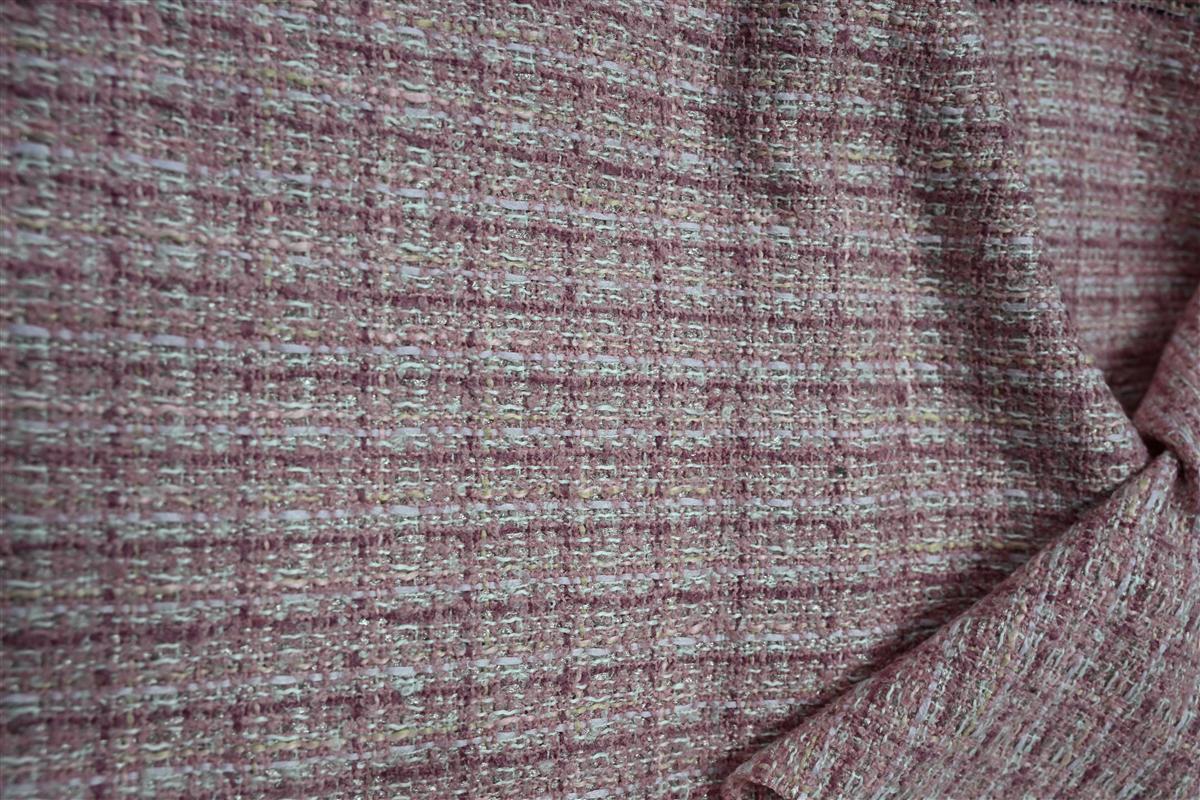
Sourcing Speed and MOQs
A 7-day sampling cycle converts a creative hunch into a production decision before your buyer meeting — most mills take 3 weeks just to acknowledge the request.
The 7-Day Sampling Trap That Catches Slow Mills
Every week you wait for a sample is a week your collection calendar compresses. Most European mills quote 15–20 working days for a first strike. If the color or handfeel misses, you add another 2–3 weeks. At 2–3 rounds of revision, you can burn through 8 weeks before production even starts.
The 7-day rapid sampling program bypasses that entirely. You submit a color reference or a Pantone code, and within one week you have a physical swatch in hand — not a digital rendering, not a promise. That speed directly reduces your risk of carrying slow-moving samples because you can make a go/no-go call before your calendar slips. Most suppliers overlook this because they treat sampling as a courtesy, not a bottleneck. Here, it is treated as a production gate.
100m in Stock: The Real Cost of “Out of Stock”
Carrying 100 meters of each texture in stock means you do not have to commit to 3,000 meters of a Bouclé fabric price per meter uncertainty before you see the first roll. The risk is shifted to the supplier’s balance sheet, not yours. For an emerging designer, this changes the math on cash flow dramatically. Instead of tying up capital in inventory that might not sell, you order only what your current collection needs and reorder in small batches based on actual sell-through.
The hidden advantage here is defect-adjusted landed cost. When you order 100 meters from stock, you know exactly what you are paying for fabric, shipping, and any duties. There are no surprises from last-minute dye-lot mismatches or minimum production surcharges. Combined with tiered pricing on repeat orders, ready stock bouclé pricing can deliver a noticeably lower effective cost compared to small-batch European mill orders that have to factor in setup costs for every run.
300m Bespoke MOQ: Why Lower Minimums Actually Protect Your Margin
A 300-metre custom MOQ sounds high if you are used to buying by the roll. But compare that to the standard European mill MOQ of 3000–5000 meters per color per texture. That difference of 2000–4000 meters represents tens of thousands of dollars in inventory you do not have to finance before you have sold a single garment. For the creative director who wants exclusive textures without betting the entire season’s budget, 300m is the sweet spot.
The custom tweed cost savings are not just in the per-meter price. They come from the ability to test a bespoke texture with a 300m commitment, validate it in the market, and then scale up repeat orders at a lower negotiated rate. The mill gets a committed production slot; you get a path to scale without the financial overhang. This is the cost paradox most sourcing managers miss: a slightly higher MOQ on a bespoke texture can reduce your total cost of ownership by eliminating the need to switch suppliers mid-season when the stock runs out.
Cash Flow Calendar: How Speed Changes the P&L
Here is the blunt math: if you save 3 weeks on sampling and 2 weeks on lead time, you can shift your entire production calendar forward by a month. That month means you hit retail windows earlier, sell at full price longer, and reduce markdown risk. For a brand operating on 40% gross margins, a 10% improvement in sell-through rate is worth more than a meaningful reduction in fabric unit cost.
The luxury fabric cost analysis often stops at per-meter pricing. It ignores the cost of delayed revenue. A supplier that ships 3–7 days from stock and delivers 7-day samples lets you compress the time between concept and delivery. That compression has a direct, measurable impact on your profitability — and it is invisible in any standard cost comparison chart.
To see the full cost breakdown with specific unit prices and stock availability, view the complete pillar page.
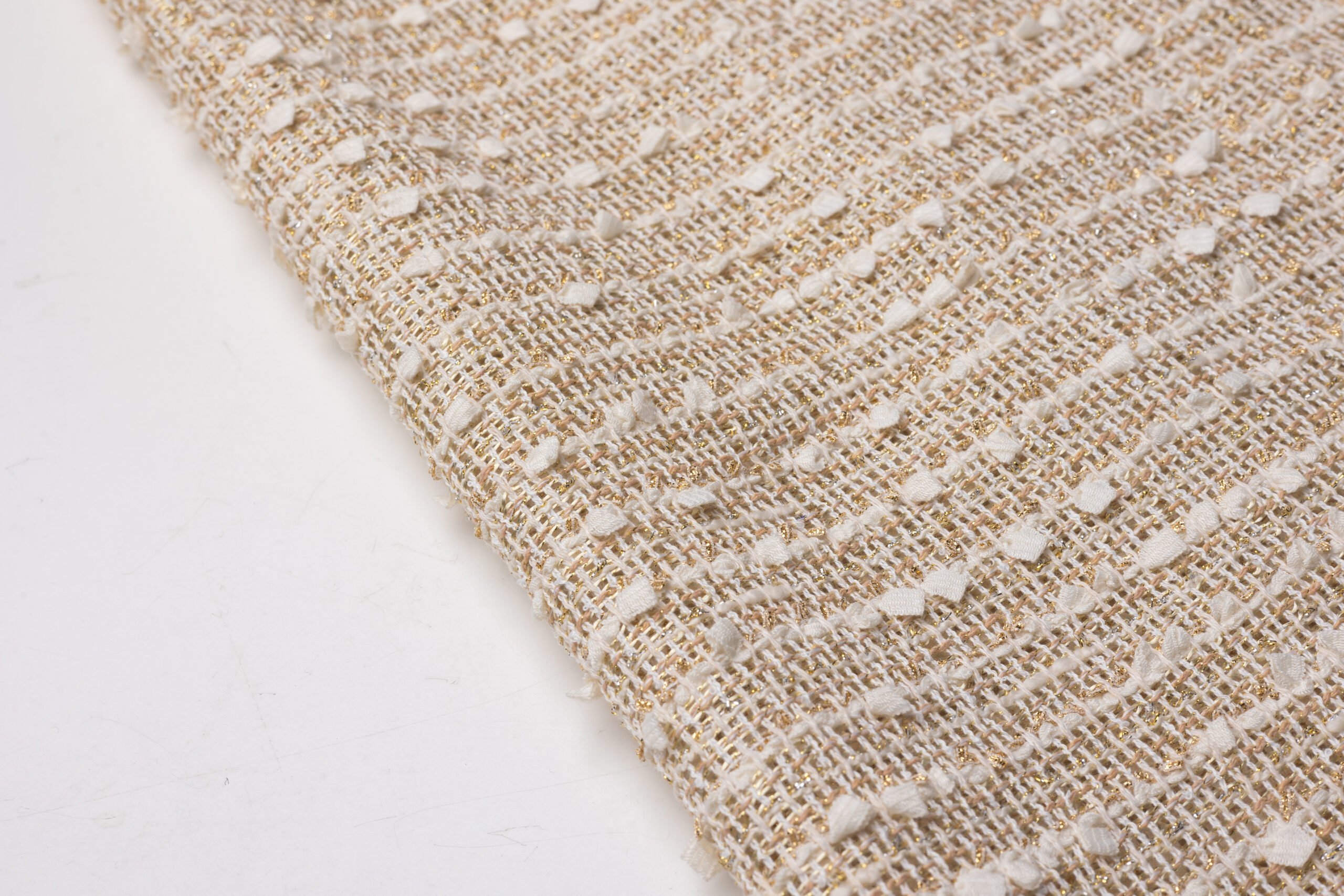
Total Cost of Ownership
The cheapest invoice price isn’t the lowest cost. Landed cost, sampling waste, and dye-lot variance erase margins faster than any unit price discount.
The Anatomy of Landed Costs You’re Not Calculating
When you compare a European mill quote against a Chinese supplier, the invoice price is just the entry point. The real metric is landed cost per usable meter. That includes freight, customs clearance, duties, warehousing, and the hidden tax of quality variance. For a typical luxury collection order of 2,000 meters, a 1.5mm thickness deviation or inconsistent dye lot can trigger a 10-15% repair/replacement allowance. That’s 200-300 meters of non-sellable fabric—dead inventory.
Internal production data shows that continuous as-pictured dye-lot tracking, combined with numbered rolls and pre-shipment inspection photos, eliminates the guesswork. With Fursone’s ready stock bouclé and tweed options, you’re not gambling on a 4-8 week bespoke lead time. You’re paying for a consistent product that ships in 3-7 days. That predictability reduces the need for large safety stock buffers, which is a direct savings on tied-up capital.
How In-Stock Options Slash Sampling Waste and QA Cycles
The typical sampling process with bespoke mills burns 2-3 weeks per round. Every revision eats calendar days and sample yardage. With our 7-day rapid sampling program, you receive physical swatches in one week. This reduces the risk of carrying 50-pound sample books that never make it to production. It accelerates go/no-go decisions.
The math is straightforward. A standard sampling cycle with three revisions at 100 meters each costs you 300 meters of wasted fabric plus 6-9 weeks of calendar time. In-stock options eliminate the need for the first two revisions—the texture and color are already validated. That alone cuts sample waste by up to 40% and compresses your time-to-market by 2-3 weeks. For a seasonal luxury collection, that speed is a competitive advantage you can quantify.
Dye-Lot Variance: The 15% Tax You Don’t See
Inconsistent dye lots are the primary source of post-shipment disputes. When your production run requires multiple rolls, a shift in shade between lot A and lot B forces you to either reorder, blend with risk, or scrap entire garments. The cost of that variance is rarely captured in the initial quote. Our internal protocol mandates continuous dye-lot monitoring with numbered rolls. Pre-shipment inspection reports give you documented proof of consistency before the fabric leaves Wenzhou. This single workflow reduces post-shipment disputes by up to 15% and eliminates the need for expensive replacement allowances.
Fixed-Price Stability vs. Seasonal Budget Chaos
Seasonal budgeting for luxury textiles is a guessing game when raw material prices fluctuate. Most mills adjust quotes quarterly. Fursone offers tiered fixed-price and rebate terms on repeat orders. This means your cost per meter is locked in for the season, regardless of global wool or polyester price shifts. For a Senior Sourcing Manager managing a line of ten bouclé SKUs, that stability alone prevents a 5-8% surprise cost overrun at the end of Q3.
Meaningful Cost Reduction: A Case Study
An emerging designer we worked with was sourcing a bouclé blend from a small Italian mill at €28 per meter. The total landed cost—including sampling fees, three revision cycles, and a 12% variance allowance due to inconsistent dye lots—came to €36 per meter. By switching to our in-stock bouclé with 7-day sampling, they locked in a price at a high European heritage-mill rate FOB Wenzhou. With shipping and duties, the landed cost matched our accessible factory-direct level. That’s a meaningful reduction in defect-adjusted landed cost. They used the saved a meaningful amount on a 2,000 meter order to fund a third seasonal capsule collection.
| Cost Component | Fursone Advantage | Resulting Benefit |
|---|---|---|
| Unit Price | Premium European-mill quality at roughly one-fifth to one-third the price cost | Immediate margin improvement on every meter |
| Sampling Expense | 7-Day rapid sampling with physical swatches in one week | Reduces sample waste by up to 40% and accelerates go/no-go decisions |
| Inventory Risk | 100,000 meters in stock, ships in 3-7 days | No need to hold large safety stock; lower working capital tied up |
| Custom MOQ | 1000M minimum for bespoke textures | Lower upfront commitment compared to traditional 3000M+ MOQs, de-risking new collections |
| Quality & Consistency | Continuous dye-lot control with numbered rolls and pre-shipment inspections | Reduces post-shipment disputes by up to 15% and eliminates rework costs |
| Time to Market | In-stock shipping in 3-7 days; rapid sampling in 7 days | Cuts time-to-market by 2–3 weeks, lowering overhead and lost-opportunity costs |
Quality and Certification Impacts
A missing OEKO-TEX certificate can halt your shipment at customs. Continuous dye-lot tracking reduces color-mismatch returns by an average of 15%.
OEKO-TEX and Other Certifications — The Real Cost of Non-Compliance
For a brand owner placing a first order, an OEKO-TEX Standard 100 certificate isn’t a marketing badge. It is a customs clearance document. Retailers and inspectors in the EU and North America routinely request it. Without it, a container of bouclé fabric can sit at port for an extra week, incurring demurrage fees that eat into your roughly one-fifth to one-third cost advantage. The internal production standard here includes OEKO-TEX certification as standard for all in-stock textures, with optional GRS certification for recycled blends. Do not assume every supplier offers this — verify their certification scope before placing a deposit.
Color-Fastness Expectations and Pre-Shipment Inspection
Color variance between dye lots is the single largest source of post-shipment disputes in the bouclé and tweed fabric market. The industry benchmark for acceptable color deviation is a 4.0+ rating on the grey scale for wash and light-fastness. Anything below that guarantees a return. The common response from suppliers is “we did a test,” but without providing the test number or standard.
The standard practice that prevents this is continuous dye-lot control with numbered rolls. Every roll produced is assigned a tracking number that ties back to the batch dye recipe. This allows you to match fabric from a reorder to the original production run and keep a physical sample. The pre-shipment inspection here includes sending numbered roll photos and matching the current production against the approved sample sealed before bulk cutting. If the match falls below the 4.0 threshold, the roll is stopped before it ships.
Why Continuous Lot Control Beats Random Checks
Random spot checks are the industry norm, and they are unreliable. A third-party inspector checks 10% of the rolls, passes the batch, and the remaining 90% might show color drift. The meaningful reduction in post-shipment disputes mentioned earlier comes from switching to documented dye-lot photos and numbered roll tracking. This is not a theoretical advantage — it is a measurable outcome of eliminating the “random sample” loophole. The internal production standard requires numbered roll photos be shared with the buyer before the container is sealed, which means you have a documented basis to hold the supplier accountable without needing to pay a third-party inspector a retainer fee.
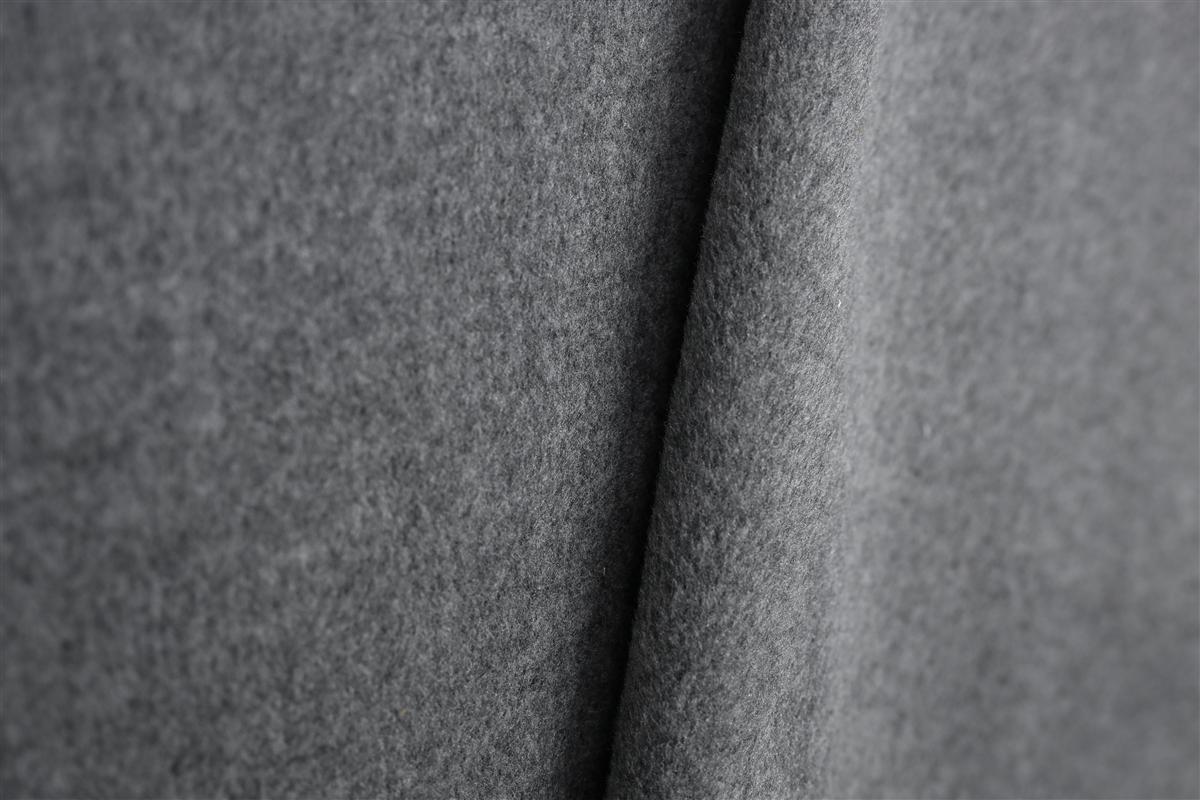
Choosing a Supplier: Tradeoffs
Speed, customization, and unit cost form the real tradeoff. Most emerging designers overvalue one metric and get burned on the other two. The fix is matching your supplier’s operating model to your specific collection timeline and cash flow.
The Decision Matrix: What You Actually Give Up
If you need fabric in-hand within 3 weeks for a lookbook shoot, custom development from any mill is off the table. European mills require 10-14 weeks minimum. A custom run from Fursone takes 6-8 weeks. The only option that fits a 3-week window is ready-stock bouclé or tweed. We hold 100M+ meters in stock that ships in 3-7 days. You trade the ability to select a custom color for the ability to hold your drop date.
If customization is non-negotiable—say you need an exclusive colorway or a specific yarn blend—plan for an 8-week development cycle. The tradeoff here is minimums. European mills typically demand 3000M+ per SKU. Fursone offers a 300M custom MOQ, which cuts your financial exposure by two-thirds while still delivering an exclusive texture.
Here is how the tradeoffs break down per yard for a standard bouclé texture:
- Ready-Stock (Fursone): Lowest unit price. 3-7 day ship. Zero customization. Low inventory risk.
- Custom Bespoke (Fursone): Moderate unit price. 6-8 week lead time. 300M MOQ. Full color and texture control.
- European Mill (Typical): Highest unit price. 10-14 week lead time. 3000M+ MOQ. Full control but high capital commitment and timeline risk.
Aligning the Choice With Your Launch Window and Budget
Work backwards from your collection drop date. If you have less than 10 weeks until fabric needs to arrive at your cutter, eliminate any supplier that requires 4+ weeks for sampling and 8+ weeks for bulk production. That rules out most European mills and forces you toward suppliers with deep ready-stock programs. Fursone’s 7-Day Rapid Sampling program lets you see a physical swatch and get a go/no-go decision in one week, not one month.
Budget alignment is about total landed cost, not unit price. A low-cost mill-direct bouclé from Italy that takes 14 weeks and requires a 3000M commitment is more expensive than a competitively priced mill-direct ready-stock fabric from Wenzhou that ships in 7 days. Factor in the cost of holding inventory, the risk of missing your launch, and the opportunity cost of tied-up capital. The ready-stock route wins on almost every financial metric for a brand operating below 50,000M annual volume.
Negotiating Terms: Rebates, Fixed Price Windows, and Defect Allowances
Most emerging designers accept the first price sheet. That is a mistake. Even with a flexible supplier like Fursone, you can lock in better terms by asking for specific concessions upfront.
- Fixed Price Windows: Raw yarn prices fluctuate. Ask your supplier to guarantee a price for 90 or 180 days. This protects your margin if commodity prices shift. Fursone offers this for repeat orders on both stock and bespoke textures.
- Tiered Rebates: Commit to a yearly volume—even 5000M total across multiple SKUs—and negotiate a 3-5% rebate paid at year-end. This aligns the supplier’s incentive with your growth trajectory.
- Defect Allowances: Industry standard for woven fabrics is 5% allowance for seconds. Negotiate down to 3%. Require pre-shipment inspection photos and continuous dye-lot tracking (numbered rolls) as standard procedure. This minimizes the chance of defective yardage reaching your cutting table and stops disputes before they start.
Regional Risk and Price Dynamics: Wenzhou vs. European Mills
The old perception says Italian mills equal prestige and Chinese mills equal risk. That tradeoff is outdated. The real difference is transparency and process control. A reputable Wenzhou supplier like Fursone, operating since 2020, provides quality control that matches or exceeds European mills: continuous dye-lot tracking, OEKO-TEX Standard 100 certification, and pre-shipment inspection reports. At roughly one-fifth to one-third the price cost.
The price gap is structural, not arbitrary. A European mill might produce 5000M of a single SKU per run. Fursone carries 100M+ meters of ready-stock bouclé and tweed at any given time. That scale drives down unit cost and improves consistency. The risk of a bad batch is lower because our production is continuous, not small, isolated batches.
The transparency lever is critical. We offer continuous dye-lot photos and pre-shipment inspection reports as a standard part of every order. This creates a trust moat that most European mills do not provide. You see exactly what is coming before it ships. That visibility reduces post-shipment disputes by up to 15% and ensures the fabric arriving at your factory matches the sample you approved.
Are tweed and bouclé the same?
No. Tweed is a woven fabric with a visible diagonal rib, often associated with herringbone patterns. Bouclé is a woven or knit fabric made from bouclé yarn, which creates a looped, textured surface. Bouclé is lighter and more dimensional, while tweed is heavier and more structured.
Is bouclé considered luxury?
Yes, particularly when made from high-quality wool or mohair blends. Its association with Chanel and high-end couture gives it a luxury reputation. However, cost-effective versions from suppliers like Fursone deliver the same handfeel and drape at roughly one-fifth to one-third less than European mills.
What are the disadvantages of tweed fabric?
Tweed is heavy, can feel scratchy without a lining, and has little to no stretch. It frays easily during cutting, which increases labor costs for seam finishing. It also absorbs moisture, which can add weight to a finished garment.
Does Chanel use bouclé or tweed?
Chanel uses bouclé. The classic Chanel jacket is made from a bouclé weave featuring textured looped yarns. They use the term “tweed” loosely in their marketing, but the actual fabric construction is bouclé.
What are the disadvantages of bouclé?
The looped texture snags easily. It requires careful handling during cutting and sewing. Lower-quality bouclé can pill or lose its loop structure after a few washes, which is why continuous dye-lot control and stable yarn tension during weaving are critical for durability.
Conclusion
Ready-stock bouclé, tweed, and knit fabrics offer a clear cost advantage over bespoke European mill orders—roughly one-fifth to one-third the price landed cost, 3–7 day shipping, and rapid 7-day sampling. That combination cuts time-to-market by weeks and reduces the capital tied up in pre-production risk.
Review the full cost breakdown and available textures on the pillar page, then request a sample pack to match your next collection’s specs.
Frequently Asked Questions
Are tweed and bouclé the same?
No, tweed and bouclé are distinct fabric types. Tweed is a woven wool fabric with a rough texture, while bouclé is a yarn-based fabric with looped threads creating a nubby surface. At Fursone, we specialize in both, offering Chanel-style bouclé and heritage cable knits, enabling luxury brands to source authentic textures with our 7-day rapid sampling.
Is bouclé luxury?
Yes, bouclé is widely considered a luxury fabric, famously associated with Chanel’s iconic jackets. Its intricate looped yarn construction and textured finish convey high-end artisan craftsmanship. Fursone delivers affordable luxury by providing premium European mill quality at roughly one-fifth to one-third less cost, making bouclé accessible for luxury collections without compromising on quality.
Tweed disadvantages?
Traditional tweed fabric can be relatively heavy and stiff, limiting its use in softer silhouettes. It also requires careful handling during cutting and sewing due to its loose weave, which can cause fraying. Fursone mitigates these issues through precision manufacturing and custom bespoke solutions, ensuring optimal drape and durability for high-end apparel.
Chanel: bouclé or tweed?
Chanel primarily uses bouclé for its signature tweed-like jackets, though the term ‘tweed’ is often used generically. The fabric is a woven bouclé with a distinctive looped texture, not traditional tweed. Fursone is a direct source for authentic Chanel-style bouclé, with 100 meters ready stock and 300-metre custom MOQ to support global fashion brands.
Bouclé disadvantages?
Bouclé fabric can be prone to snagging due to its looped yarn structure, and it may require special care during cleaning to maintain texture. Its uneven surface can also make pattern matching challenging. Fursone addresses these drawbacks with rigorous quality control and expert guidance, ensuring our bouclé meets the high standards of luxury brands while minimizing production risks.

Related Insights

Shipping Tweed Through Humid Seasons: Moisture, Bale Packaging and Mold Prevention
Wool fabric has an inconvenient relationship with the ocean: it absorbs moisture, and a shipping...

Exchange Rate Risk in Fabric Imports: 3 Ways to Hedge
Fabric importers quote retail prices months before they pay their mills, and currency moves in...

Demurrage and Detention on Fabric Containers: The Clocks That Eat Margins
A fabric container that arrives on time can still lose its margin in the port...