
Color is the first thing a fabric buyer notices and the hardest variable to control across a bulk order. A sample approved under showroom lighting may look different when dyed in a 500-kilogram production bath. Rolls from the beginning of a run can shade slightly darker than rolls from the end. Without systematic controls, these variations reach the cutting table — and then the buyer discovers that jacket panels from different rolls do not match.
What a Dye Lot Actually Is
A dye lot is a batch of fabric dyed together in a single machine load. Everything in that load shares the same water, the same dye chemistry, the same temperature curve, and the same duration. Fabric dyed in the next load — even with the identical recipe — constitutes a different dye lot. The two lots will be close, but they will not be identical at the level a spectrophotometer can detect.
This matters because garment manufacturers cut multiple panels from multiple rolls. If those rolls come from different dye lots, the finished garment may show visible shade variation between the front panel and the sleeve, or between left and right trouser legs. The cost of this error falls on the brand, not the mill, once the fabric has been accepted and cut.
The Spectrophotometer: First Line of Defense
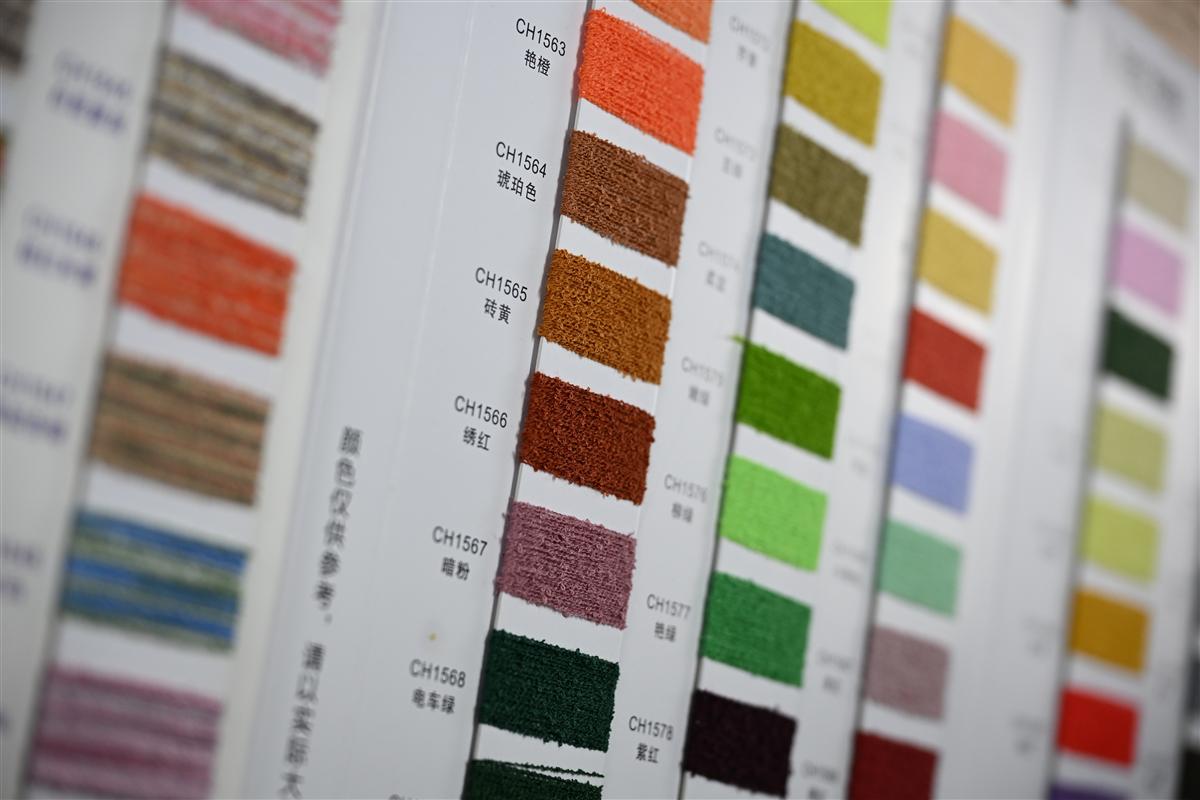
Every production dye lot starts with a spectrophotometer reading. This instrument measures the reflectance of light from a fabric sample across the visible spectrum (380-700 nanometers) and converts it into numerical color coordinates — typically CIE L*a*b* values. The L value measures lightness (0 = black, 100 = white), a measures red-green, and b measures yellow-blue.
When a buyer approves a lab dip, the mill records its L*a*b* values as the standard. Every subsequent production dye lot is measured against this standard. The acceptable tolerance is typically expressed as Delta-E (ΔE), the total color difference between the standard and the production sample. For fashion tweed and knit fabric, a ΔE of 1.0 or less is acceptable for bulk. A ΔE above 1.5 becomes visible to the naked eye under controlled lighting. Most premium brands specify ΔE ≤ 0.8.
At our partner mills in Wenzhou, we measure every dye lot within 24 hours of dyeing and record the ΔE against the approved standard. Lots that exceed the tolerance are flagged before they enter the finishing line. This prevents shade variation from propagating downstream, where it becomes far more expensive to separate.
Shade Sorting: Grouping Rolls Within Tolerance
Even within a single dye lot, rolls can show slight shade variation from edge to center or from the beginning to the end of the roll. Shade sorting is the process of measuring every roll and grouping them into shade bands — typically labeled A, B, C, D — where all rolls within a band fall within a tight ΔE range (usually 0.4 or less from the band center).
This is critical for garment manufacturers who cut multiple panels from a single roll. If a roll has a measurable shade gradient from one end to the other, the cutter needs to know which end produces which shade. Shade sorting maps this variation and groups rolls so that a garment factory receives rolls that are internally consistent.
For a detailed technical explanation of how shade sorting works on the dye house floor, textilelearner.net’s shade sorting guide walks through the process step by step.
Process Controls That Keep Dye Lots Consistent
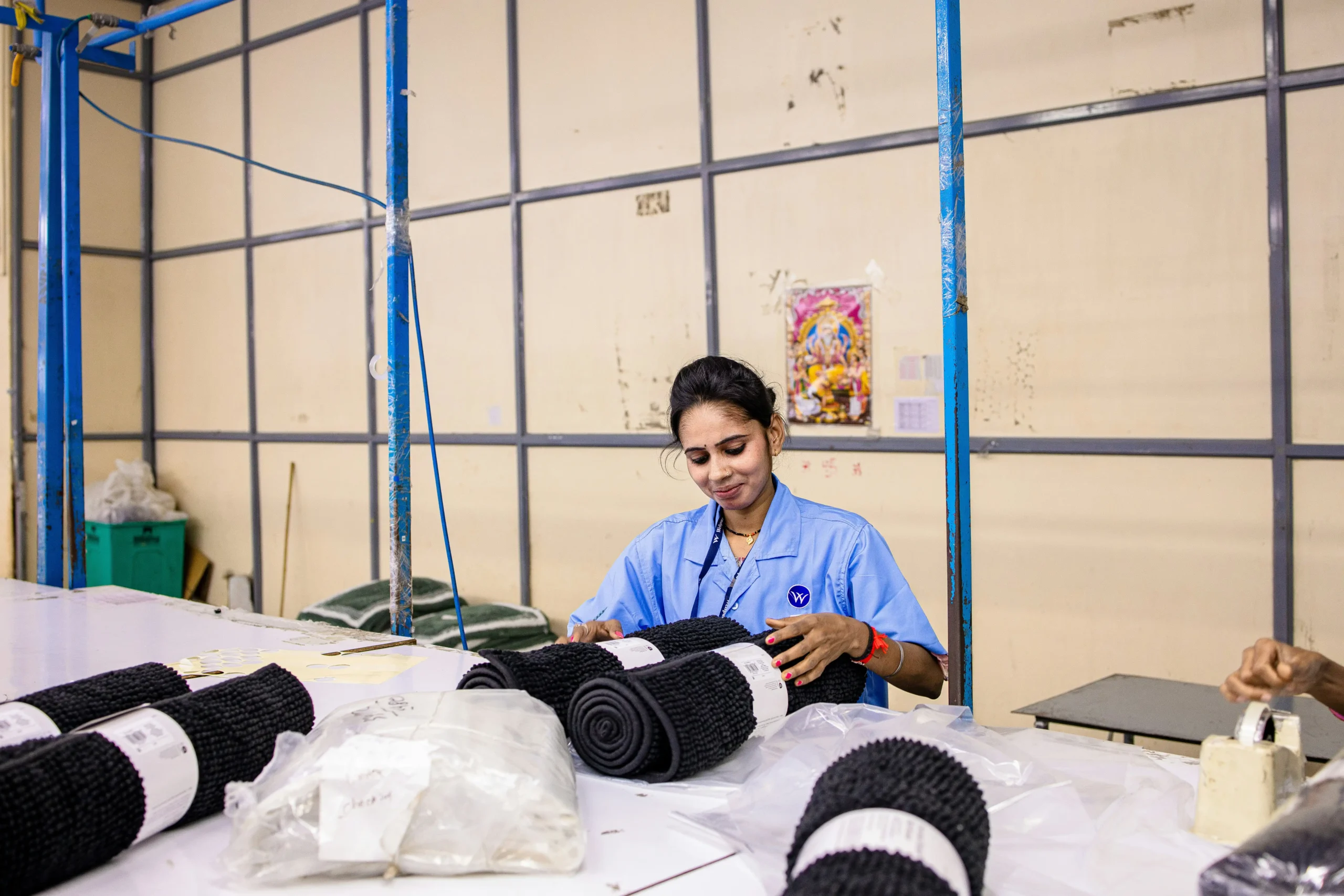
Beyond measurement, consistency depends on controlling the variables that cause shade drift. The five most impactful parameters in production dyeing are: water-to-fabric ratio (typically 8:1 to 10:1 for piece dyeing), dye bath temperature ramp rate (1-2°C per minute for wool to prevent uneven strike), holding time at target temperature (usually 45-60 minutes for full exhaustion), pH of the dye bath (controlled within ±0.2 using buffer agents), and the water quality itself (hardness, iron content, and residual chlorine all affect shade).
At a 300-loom mill producing hundreds of dye lots per month, these parameters are logged automatically. Every dye machine has sensors that record temperature, pH, and time continuously. If a run deviates from the recipe — even by 1°C — the system flags it for manual review before the fabric moves to finishing.
What Buyers Should Specify
When ordering custom-dyed tweed or knit fabric, include these dye lot requirements in your purchase order: the ΔE tolerance (0.8 for premium, 1.0 for standard), the lighting standard for visual assessment (D65 daylight is the industry default), the number of shade bands acceptable per order (ideally one, maximum two for orders over 3,000 meters), and the requirement that all rolls within a shade band be shipped together on the same pallet.
These specifications cost the mill nothing extra to honor — they are already measuring and sorting this way — but they give you contractual recourse if a shipment arrives outside tolerance. Our custom manufacturing team includes all of these parameters in the standard bulk order confirmation, so there is no ambiguity between what was approved and what ships.
For more on common dyeing defects and how mills prevent them, textilelearner.net’s fabric dyeing defects guide covers the full range of issues and their root causes.
Common Questions About Dye Lot Consistency
Can two dye lots ever be an exact color match?
No two dye lots are spectrophotometrically identical, but they can fall within a ΔE of 0.5, which is below the threshold of human visual perception under controlled lighting. The goal is not a perfect match but a match that is indistinguishable in the final garment.
How should garment factories handle fabric from multiple dye lots?
Cut all panels for a single garment from the same dye lot roll whenever possible. If panels must span rolls, use rolls from the same shade band. Never mix shade bands A and C in the same production run — the ΔE gap between non-adjacent bands exceeds visual tolerance.
Does fabric washing or finishing change the dye lot shade?
Yes. Washing, enzyme treatment, and heat-setting can shift shade by 0.2-0.5 ΔE. Mills account for this by dyeing to the “after-finishing” standard, not the raw dyed shade. Always approve the lab dip after it has gone through the same finishing process as the bulk order.
Consistent dye lots are not a matter of luck — they are the output of systematic measurement and process control. When you specify ΔE tolerances and shade band requirements in your order, you convert an invisible quality variable into a contractually enforceable standard. Start a custom dye order with clear shade specifications and receive production samples within 7 days.
For how those grades are sorted at the mill, see how A, B, and C fabric grades work.
On seam slippage and the wider QC toolkit for fabric rolls, seam slippage testing for tweed suiting covers the testing side.
For the full agenda of a mill pre-production meeting, from seal sample to escalation path, see what a fabric pre-production meeting should cover.
For a step-by-step guide: How to Source Fabric from China for Small Brands. Need samples first? Request free fabric swatches.
Related Insights
Shrinkage Control in Knit Manufacturing: Pre-Shrinking and Relaxation
Shrinkage complaints on knitwear rarely come from bad fiber; they come from unrelaxed fabric cut...

Raising and Brushing: How Nap Is Built in Wool Finishing
Two wool fabrics can leave the loom identical and arrive as different products. One is...

Steaming and Mending Before Packing: The Mill’s Final Pass on a Tweed Roll
Between the loom and the bale there is a department most buyers never see. In...