
eu fabric import regulations is the first checkpoint buyers should lock before they approve a supplier, budget, or production slot. You’re standing in a dimly lit warehouse in Milan, ripping open a box that just landed from Wenzhou. The invoice says 300 meters of Chanel-style tweed. The fabric looks right—same weight, same herringbone weave. But the lab report from your Italian finishing partner flags the fiber composition: 62% wool, 38% nylon. Your pre-production sample stated 70% wool. That discrepancy can move the fabric between wool subheadings (for example, carded-wool 5111 versus combed-wool 5112, or out of the wool chapter entirely), changing the applicable duty rate and prompting EU customs to ask for a revised customs declaration. I’ve seen this exact scenario burn through a large order margin—not because the fabric was bad, but because the HS code classification didn’t match the declared fiber blend.
In my 12 years auditing mills across China, Bangladesh, and Turkey, I’ve learned that the difference between a smooth EU customs clearance and a costly delay often comes down to one thing: getting the EU fabric import regulations right at the sampling stage. Most guides will tell you to worry about tariffs and paperwork. I’m going to show you how to use the classification itself as a lever to lower your landed cost. For example, if your mill can custom-spin a wool-recycled blend that lands under the most favorable correct subheading (say 5111 rather than 5112), the applicable duty rate can be lower. That’s real money when your margins are tight (confirm the exact rate against the live EU TARIC database). At Fursone, we do this daily—our in-house yarn R&D team can adjust the fiber ratio to target the lower-duty bracket, then ship you a physical swatch with the complete fiber composition data in seven days. You verify the HS code before the bulk order ever leaves our floor.
The key is to treat the sample approval not as a design checkpoint, but as a regulatory proof-of-concept. When that 150-meter stock roll arrives at your EU warehouse, the customs officer checks three things: the HS code, the declared value, and the supporting documents. If any of those mismatch the physical goods, your shipment gets flagged. And I’ll be blunt—customs clearance for small fashion designers is brutal when it goes wrong. One undervalued invoice triggers an investigation that holds your entire next collection for weeks. That’s why we issue a transparent commercial invoice with our actual mill price. You declare the real number, backed by our production records. No guesswork, no second-guessing from customs.
So, before you sign off on that next FOB pricing quote, ask your supplier three yes/no questions. First: Can you provide a fiber composition report from an accredited lab—not your in-house machine—within 48 hours of yarn completion? Second: Is your production lot traceable back to the specific batch of wool or recycled polyester? Third: Can you supply the full origin and compliance documentation (certificate of origin, fiber composition report, and any preference paperwork your destination actually allows) so nothing is left to chance at clearance? If the answer to any of these is no, you’re carrying unnecessary risk. If yes, you’ve just turned your sourcing into a compliance advantage. (Note: GRS is a recycled-content sustainability standard, not a basis for tariff preference — and China is generally not an EU GSP beneficiary, so confirm current EU preference rules for your specific origin with a broker.)
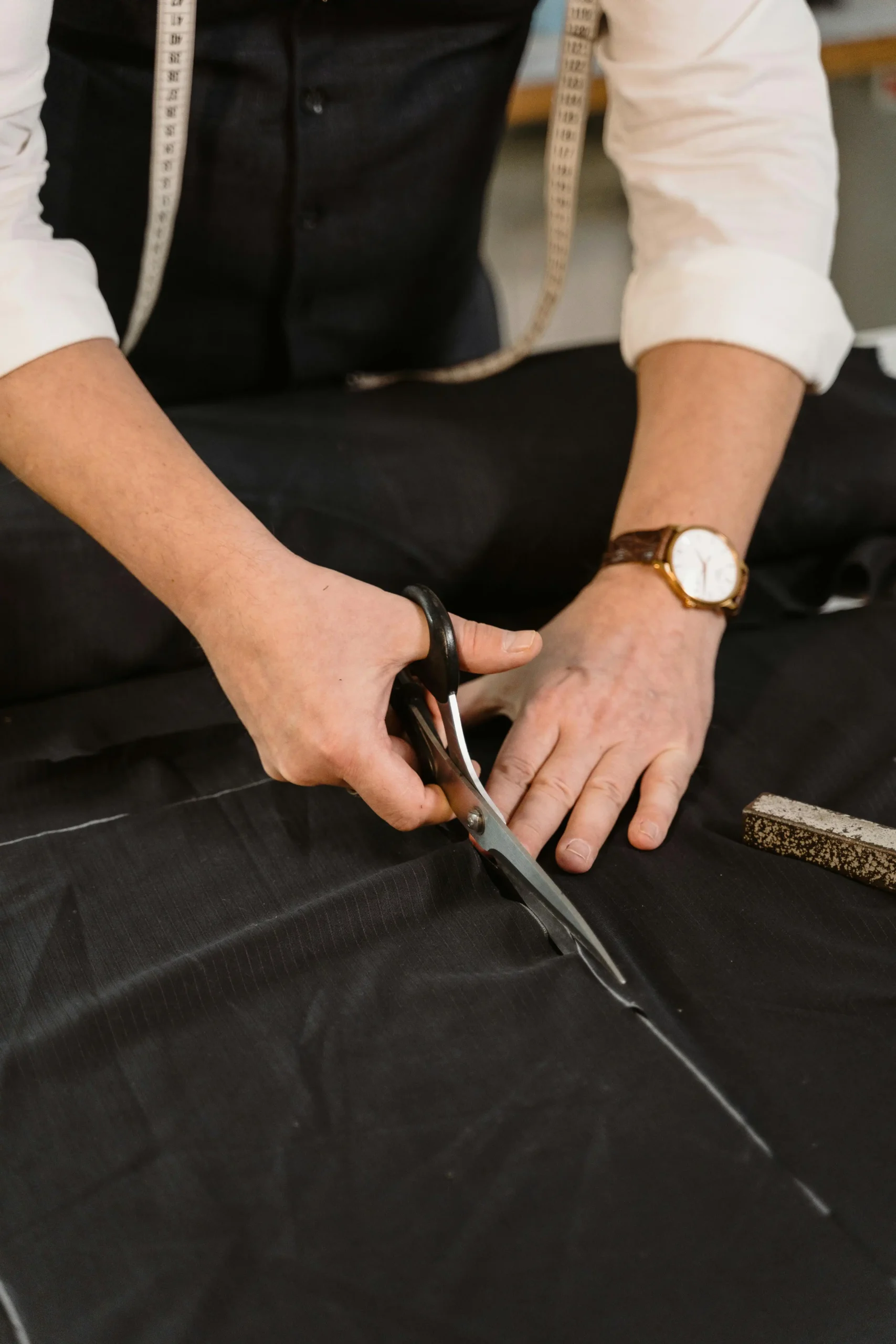
Chapter 51 vs 58: Correct HS Code Classification for Tweed
Classifying wool tweed under the correct subheading (e.g., 5111 carded vs 5112 combed) can lower the applicable EU duty rate.
Most emerging designers assume all fancy tweeds fall under Chapter 58 (special woven fabrics). That’s a costly mistake. The correct HS code depends on fiber composition and construction. If your tweed contains 85% or more wool by weight, it belongs in Chapter 51. Only when metallic threads or decorative yarns dominate the fabric’s essential character does it move to Chapter 58 (e.g., 5809 for metal thread fabrics). The majority of Chanel-style tweeds — even those with a recycled polyester blend — still qualify for Chapter 51.
- Fiber Composition: ≥85% wool (by weight) → Chapter 51. Less than 85% → check Chapter 58. Specialist spinning at our partner mills can adjust wool-recycled blends to stay above 85% wool, keeping you in the lower-duty bracket.
- Carded vs Combed: Within Chapter 51, HS 5111 (carded wool) and HS 5112 (combed wool) can carry different EU duty rates. Our custom-spun yarns let us engineer the construction to fit the most favorable correct subheading (confirm the current rate against the live EU TARIC database).
- Metallic & Fancy Yarns: If metallic threads or metallized yarns give the fabric its essential character, the code can shift to Chapter 58 (e.g., 5809 for woven fabrics of metallized yarn). For most bouclé and tweed collections, this is avoidable with proper yarn design.
Verifying the correct code before shipping is simple. Request a physical swatch with a full fiber composition report from Fursone’s 7-day rapid sampling program. That document becomes your primary evidence for customs. Equally important: many EU customs investigations target undervaluation. Fursone provides a mill-direct commercial invoice with the genuine factory price — no middleman markup, no inflated declaration risk. Get the swatch, check the fiber breakdown, confirm the code, then place your bulk order with confidence.
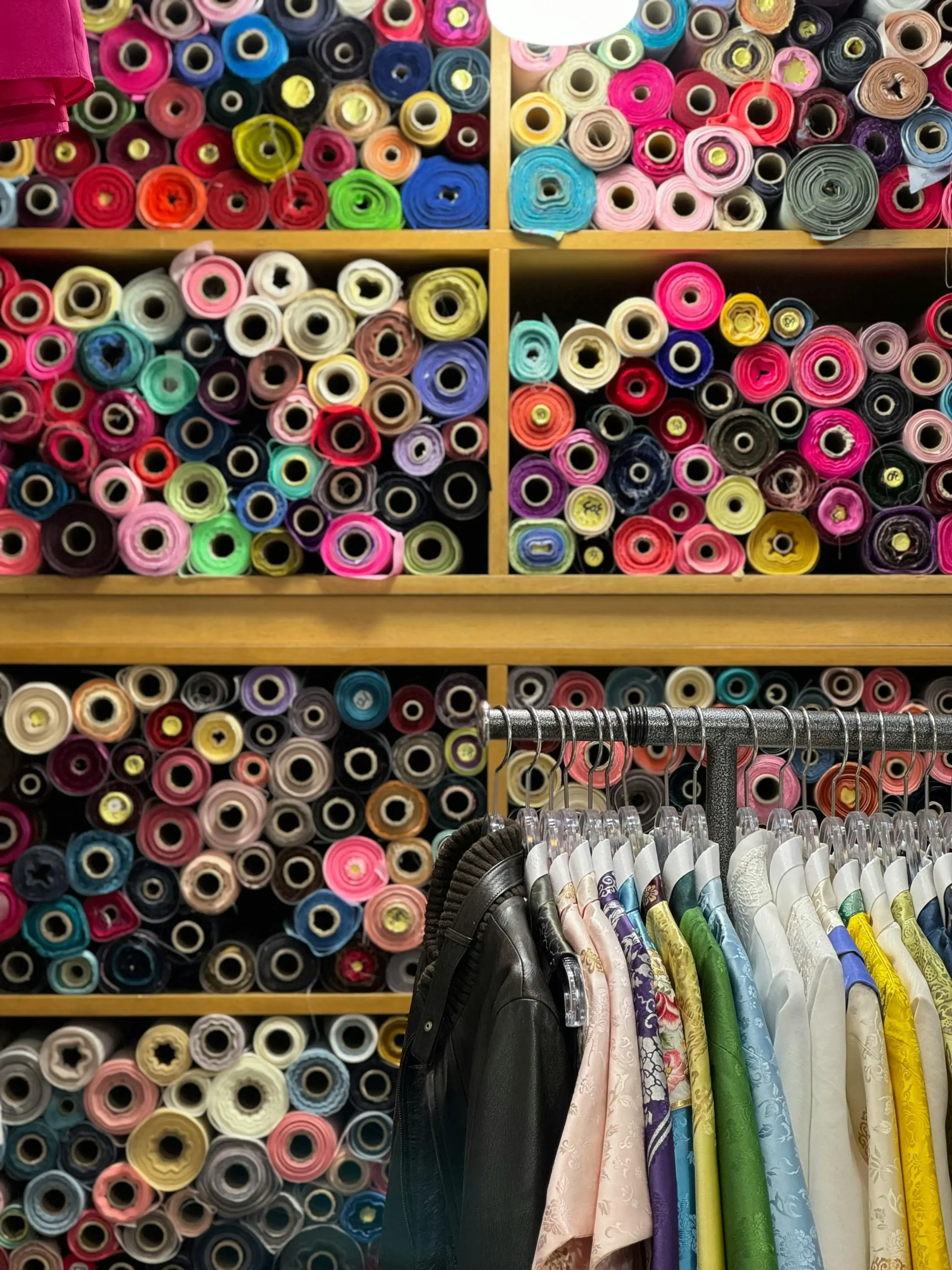
Mandatory EU Import Documents for Tweed Fabric Shipments
Missing or mismatched origin paperwork can mean paying the full MFN duty instead of any preferential rate you may qualify for.
You’ve just selected a Chanel-style tweed from our partner mills in Wenzhou. The sample approval is signed off, the bulk is ready, and your courier booking is confirmed. But when your 500-meter roll lands at Rotterdam, customs flags it. No commercial invoice. No certificate of origin. Your shipment sits in a bonded warehouse for days while you scramble for paperwork — and the storage fees eat your margin. This is not a hypothetical. I’ve seen emerging designers lose their entire launch window because they assumed ‘send fabric to EU’ meant just paying for shipping.
- Commercial Invoice: Must state the exact unit price, total value, HS code (Chapter 51 for wool tweeds, Chapter 58 for woven fancy fabrics), and terms of delivery (usually FOB Wenzhou or CIF EU port). This is your primary proof of transaction value. Under-declare here and you trigger an undervaluation investigation that can delay clearance for weeks.
- Packing List: Specifies roll weight, length, number of rolls, and carton dimensions. Customs cross-checks this against the invoice. Material discrepancies invite physical inspection.
- Certificate of Origin: A non-preferential certificate issued by the China Chamber of Commerce. Confirms the fabric is of Chinese origin. Required for all EU imports to determine duty rates and quota eligibility.
- Preferential Certificate of Origin (e.g., Form A / movement certificate): Where a shipment qualifies under an applicable EU trade arrangement, the correct preference document can reduce or eliminate duty. Important: preference is based on rules of origin, not on GRS or other sustainability certification, and China is generally not an EU GSP/GSP+ beneficiary — so for Chinese-origin tweed the MFN rate usually applies. Confirm current eligibility and rates against the live EU Access2Markets database before relying on any preference claim.
- OEKO-TEX Standard 100 Certificate: Not mandatory for clearance, but increasingly demanded by EU retailers for textile imports. OEKO-TEX, GRS, and SGS certification can be coordinated on request (lead time applies). Provide the certificate with the shipment to support smoother post-clearance review.
- Supplier Declaration of Conformity (REACH): A signed statement that your fabric complies with EU REACH regulations on restricted chemicals. Buyers or customs may request this; we can provide a declaration of conformity for the relevant dyes and finishes on request.
- The Undervaluation Trap: Customs compares your declared unit price against their reference data for similar tweeds from China. If yours is well below the norm, they flag it. Our commercial invoice reflects actual mill-direct pricing — not an artificially low figure — so your declared value is defensible. We also include a price breakdown showing FOB costs to support your valuation.
- HS Code Misclassification Penalty: If you declare a wool-rich tweed under the wrong chapter to chase a lower rate (for example, misclassifying a wool fabric under Chapter 58 special woven fabrics instead of Chapter 51), and customs reclassifies it, you face back-duty, a penalty, and interest. We provide a fiber composition certificate with every swatch — use it to lock your HS code before the bulk order ships.
The area that trips up most first-time importers is preferential origin paperwork such as the GSP Form A. Be careful: the Global Recycled Standard (GRS) verifies recycled content — it does not by itself grant duty preference, and China is generally not an EU GSP beneficiary, so recycled or organic fibers do not automatically qualify Chinese-origin tweed for zero EU duty. Always confirm the current EU preference rules for your specific origin against the live Access2Markets/TARIC data, and request the correct origin documents from the mill before the goods leave China.
What happens if you skip any of these documents? Your goods get ‘held for inspection’. EU clearance for textiles with incomplete docs can stretch to several weeks, and storage fees at ports like Rotterdam accrue daily per pallet — often more than any duty you might have tried to save. More critically, your collection launch date slips. Spring/summer seasonal windows are unforgiving. Missing a March drop means sitting on inventory until the next year.
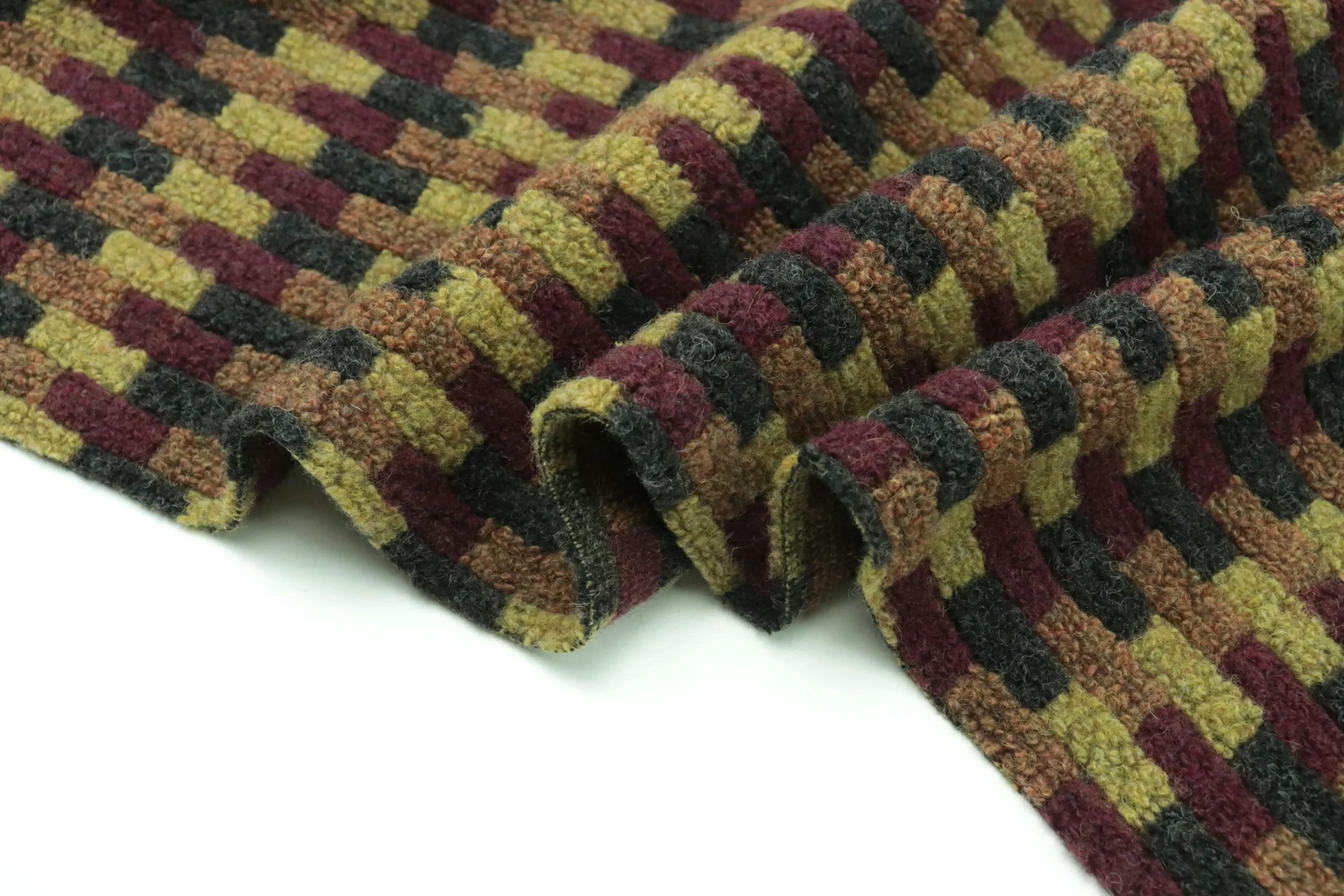
Customs Clearance Flow: From Chinese Mill to EU Warehouse
Get the HS code wrong and your shipment sits in customs for weeks.
Most emerging designers assume customs clearance is just paperwork. It’s not. I’ve seen shipments held for weeks because the HS code on the invoice didn’t match the fiber composition in the packing list. For tweed fabric, landing under the correct wool chapter (Chapter 51 woven wool fabrics) rather than a higher-duty heading can reduce the rate applied on every yard (confirm the exact rates against live EU data). Here’s the flow that works.
Step one happens before the fabric leaves the mill. You need the exact fiber composition — down to the percentage of wool, recycled polyester, and any metallics — to assign the correct HS code. That’s where Fursone’s 7-day rapid sampling program becomes your clearance insurance. You receive a physical swatch with a complete fiber breakdown in a week, not a month. Use that report to confirm classification long before you book a container.
Step two is the commercial invoice. The biggest mistake I see is undervaluation. A designer buys fabric at mill-direct pricing of $12/m, but asks the supplier to invoice at $8/m to save duty. That’s a customs red flag in the EU. Once flagged, your entire shipment gets held, you pay a fine equal to the duty shortfall, and you go on a watchlist. Fursone provides a transparent invoice with genuine FOB pricing from the Wenzhou mill. That document supports your declared value and keeps you compliant.
Step three: shipping documents. You need a commercial invoice, packing list, bill of lading, and depending on your fabric type, a certificate of origin. Here’s a clarification many guides get wrong: recycled fibers and GRS certification support a sustainability claim — they do not by themselves grant duty-free entry. EU preference depends on rules of origin under an applicable trade arrangement, and China is generally not an EU GSP beneficiary, so plan on the MFN rate unless a broker confirms otherwise for your specific origin.
- Origin & Preference Documents: Provide the correct certificate of origin (and any preference or movement certificate your destination actually allows) at the time of clearance. Because China is generally not an EU GSP beneficiary, preference is the exception rather than the rule for Chinese-origin knits — confirm eligibility before assuming a reduced rate.
- Sample vs. Bulk Discrepancies: If your bulk shipment differs from the sample (e.g., a different fiber blend), customs may reclassify the goods. Avoid this by using the same yarn spec and HS code for both orders. Fursone locks in your custom-spun yarn before bulk production.
One final insider note: many mills buy yarns off the shelf, meaning your fabric’s fiber composition can vary between runs. Fursone spins its own bouclé, slub, and chenille yarns in-house. That means the fiber composition is fixed and traceable, so your HS code stays consistent across orders. That consistency alone can save you from a customs audit.

Avoiding Common Clearance Pitfalls for Emerging Designers
A large order stalled because the mass production run didn’t match the pre-production sample.
Emerging designers have lost entire seasons over one mistake: assuming the sample swatch you approved in your studio will be the exact fabric that arrives in bulk. In reality, mills can shift fiber sourcing, twist levels, or dye lots between sample and production. When that happens, your declared HS code — which determines duty rate — may no longer match the actual composition. If customs inspects and finds 60% wool instead of the declared 70%, you face reclassification, back duties, and detention.
- Fiber composition mismatch: A sample might be spun from a specific wool lot, but the bulk run uses a slightly different blend to manage cost or availability. The EU binds duty rates to fiber percentages (e.g., Chapter 51 vs 58). Even a small deviation in wool content can shift your tariff line and trigger penalties.
- Weight variation: Sample yardage may be 350 g/m², but bulk production can settle at 330 g/m² due to tension differences during weaving. Customs officers in Rotterdam or Hamburg weigh random rolls. If the average weight drops below the declared minimum, they can flag it as misdeclaration.
- Yarn twist and hand feel: Bouclé and slub yarns are difficult to replicate exactly at scale. A supplier might substitute a different fancy yarn to meet MOQ pressure. The resulting fabric may feel similar but has different structural properties, affecting both quality and the HS classification for ‘woven fabrics of coarse animal hair’ vs ‘other woven fabrics’.
The fix starts before you place the bulk order. When you request a sample from a direct mill like Fursone, ask for a full fiber composition certificate with the swatch. The 7-day rapid sampling program includes that data because European customs requires it. The program also keeps a sealed reference sample of the exact production run — not a pre-production piece — that matches the bulk. If your supplier cannot provide a sealed reference from the same dye lot and weaving shift, you are flying blind.
Another common pitfall is undervaluation on the customs invoice. Emerging designers often ask the mill to lower the declared value to reduce duties. That is a red flag for EU customs. They cross-check freight costs, insurance, and market prices. If your $12/m fabric is declared at $6, you get an investigation that holds your container for weeks. A direct mill with transparent FOB pricing — like ours — issues a commercial invoice that matches the actual mill-direct cost. That invoice protects you because the declared value is defensible with upstream raw material receipts.
Industry benchmark: Always request a quality tolerance clause in your purchase contract — typically 3% deviation in fiber composition and 5% in weight per roll. If the bulk stays within those tolerances, you avoid a re-inspection. For GRS-certified sustainable knits, the tolerance is even stricter because the recycled content percentage must be verified. Mills that spin their own yarns, as we do, can hold tighter tolerances because they control the raw material from the bale.
Conclusion
Getting tweed into the EU comes down to three yes/no questions you ask your supplier before you place a sample order. First: does the sample approval include a full fiber breakdown that matches the HS code you intend to declare? Second: is the commercial invoice value based on actual FOB pricing, not an adjusted number that could trigger an undervaluation flag? Third: do they define the quality tolerance for shade and hand-feel in writing, so the bulk run matches your approved sample? If any answer is no, you’re at risk of a customs delay or a rejected lot.
Run through this checklist during your next sample approval round. If you want a supplier that answers yes to all three—and provides complete fiber data in 7 days with direct mill invoices—contact us or visit our yardage collection page to see how factory-direct sourcing simplifies compliance.
Frequently Asked Questions
What is the correct HS code for tweed fabric into the EU?
It depends on fiber content and construction. Woven wool tweed where wool is the dominant fiber falls under Chapter 51 (e.g., 5111 for carded wool, 5112 for combed wool); fabrics given their essential character by metallized yarn may fall under Chapter 58. Confirm the exact subheading against the fiber report and the live EU TARIC database before shipping.
Does GRS certification give my tweed duty-free entry to the EU?
No. GRS verifies recycled content for sustainability claims; it does not confer tariff preference. EU preferential (reduced or zero) duty depends on rules of origin under an applicable trade arrangement, and China is generally not an EU GSP/GSP+ beneficiary — so Chinese-origin tweed usually pays the MFN rate. Confirm current rules with a customs broker.
What documents are mandatory for EU tweed imports?
At minimum: a commercial invoice stating unit price, total value, HS code, and Incoterm; a packing list; a bill of lading; and a certificate of origin. Add fiber-composition labels and a REACH declaration of conformity where requested. Preference paperwork (e.g., Form A) applies only where the origin actually qualifies.
How can I avoid customs clearance delays for tweed fabric?
Get the HS code and paperwork right before the goods ship. Make the commercial invoice, packing list, and certificate of origin match the declared code and the physical fiber composition, declare a truthful transaction value, and pre-clear with a customs broker. Fursone supplies a fiber composition report and consistent documentation with every order.
For a step-by-step guide: How to Source Fabric from China for Small Brands. Need samples first? Request free fabric swatches.

Related Insights

Shipping Tweed Through Humid Seasons: Moisture, Bale Packaging and Mold Prevention
Wool fabric has an inconvenient relationship with the ocean: it absorbs moisture, and a shipping...
Exchange Rate Risk in Fabric Imports: 3 Ways to Hedge
Fabric importers quote retail prices months before they pay their mills, and currency moves in...

Demurrage and Detention on Fabric Containers: The Clocks That Eat Margins
A fabric container that arrives on time can still lose its margin in the port...