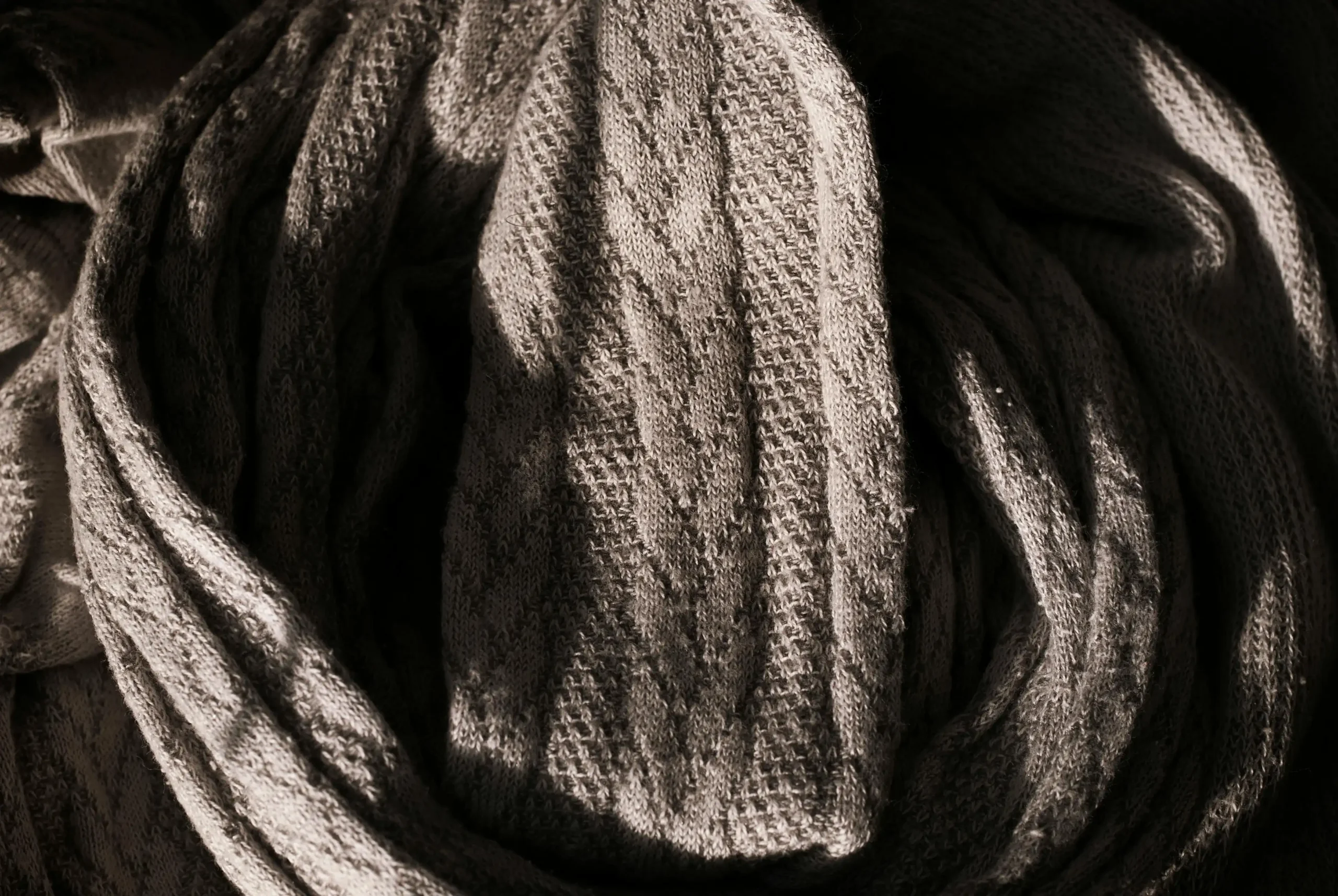
fabric certifications luxury knits is the first checkpoint buyers should lock before they approve a supplier, budget, or production slot. You’ve just signed off on a $50,000 order of bouclé tweed for your upcoming collection. The pre-production sample felt perfect—that signature Chanel-style hand, the right weight, a deep melange of color. Then the bulk shipment lands at your warehouse, and something is off. The hand-feel is stiffer. The color has a chemical bite you didn’t notice in the swatch. You check the paperwork and find no OEKO-TEX Standard 100 number, no GRS transaction certificate for the recycled polyester they promised. That’s not a supply chain hiccup—it’s a $50,000 lesson in why fabric certifications for luxury knits are the only thing standing between your brand story and a greenwashing disaster.
I’ve walked through mills from Prato to Wenzhou, and I can tell you that counterfeit certification claims are common enough to keep you up at night if you don’t know what to look for. A supplier will flash a scope certificate that expired last year or hand you a PDF that never existed on the issuing body’s database. For sustainable fashion founders and sourcing managers who need real traceability without delaying an eco-collection launch, this isn’t academic—it’s about whether your garment label holds up in court or on Instagram. Textile Exchange reported in 2026 that 78% of major retailers now require at least one certification like OEKO-TEX, GRS, or GOTS before they even consider listing your product.
So let me walk you through what each of these certifications actually validates for luxury knits and tweeds—not the marketing version, but what happens inside the dye lab and on the spinning floor. Because when a supplier says their fabric is certified, it is necessary to know exactly which standard applies and how to verify it before the next quality tolerance check.

Why Certifications Are Non-Negotiable for Luxury Fabric Sourcing
78% of retailers now require at least one fabric certification.
Most sourcing guides tell you to ‘look for certifications’ without explaining which ones actually protect your collection. That vagueness is dangerous. A $50K order of Chanel-style tweed was held at customs because the supplier’s GRS scope certificate didn’t match the shipment’s recycled content percentage. The brand lost their launch window.
Three certifications matter for luxury knits and tweeds: OEKO-TEX Standard 100, GRS, and GOTS. Each covers a different risk. OEKO-TEX tests for over 100 harmful substances—formaldehyde, heavy metals, allergenic dyes—and is mandatory if your fabric touches skin directly. A luxury bouclé jacket worn against the neck without OEKO-TEX Class II certification is a liability.
- OEKO-TEX Standard 100: Validates chemical safety for direct skin contact (Class II). Our lab dyeing meets this standard at 30-50% less than European mill costs.
- GRS (Global Recycled Standard): Requires minimum 20% recycled content per Textile Exchange. A scope certificate alone is insufficient; every shipment must include a Transaction Certificate to legally label your garment as GRS-certified.
- GOTS (Global Organic Textile Standard): Covers organic fiber integrity plus social criteria like living wage (Version 7.0, 2023). Essential for natural fiber tweeds using organic wool or cotton.
The hard truth: counterfeit certification documents are common among Asian mills. Always validate the certificate number on the issuing body’s public database—OEKO-TEX, Textile Exchange, or GOTS—before approving a pre-production sample. One brand manager I worked with caught a fake GOTS cert by cross-referencing the mill’s address against the database; it saved them from a six-figure greenwashing lawsuit.
For sustainable fashion founders and brand managers, this is your benchmark: every certified fabric order should arrive with three documents—a valid scope certificate (current within 12 months), a transaction certificate matching the invoice quantity, and a test report showing compliance with OEKO-TEX limits for restricted substances. If any piece is missing, do not cut into that roll.
OEKO-TEX Standard 100: Guaranteeing Skin-Safe Chemistry
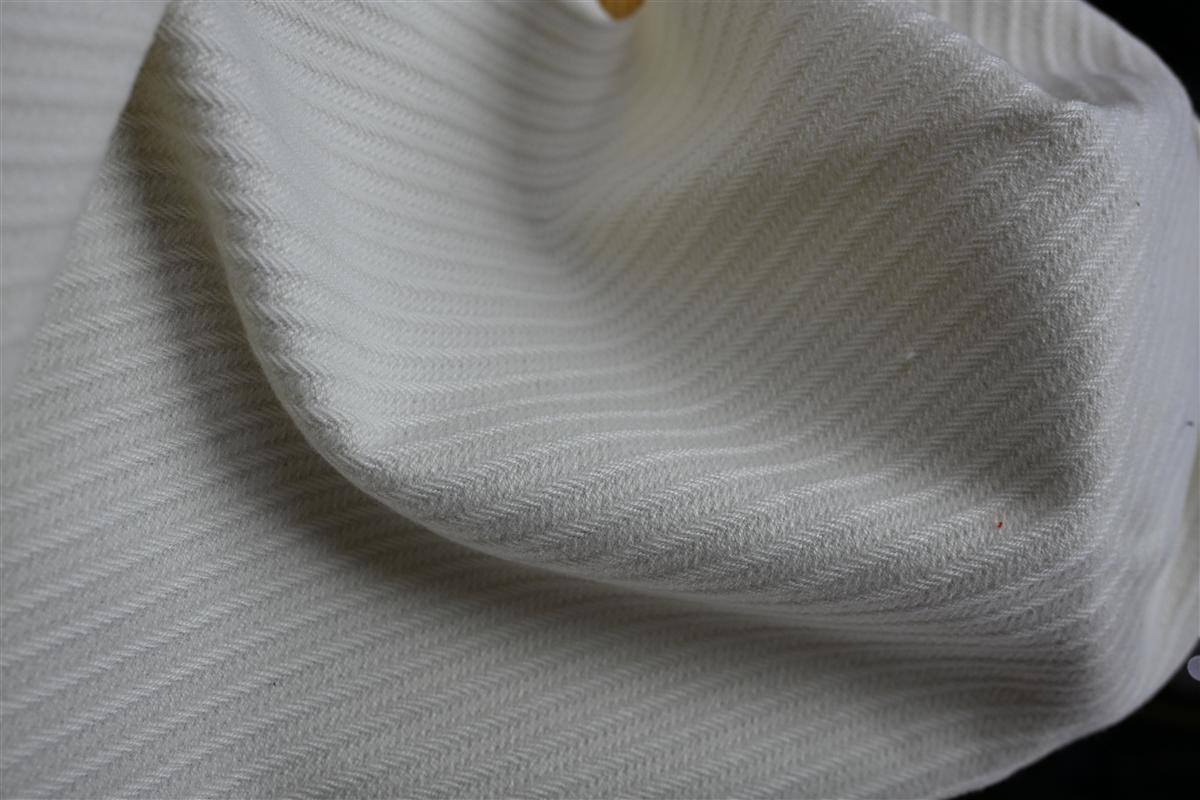
OEKO-TEX Standard 100 tests for over 100 harmful substances — critical for luxury tweeds worn directly against skin.
The real pain point for any designer or brand manager sourcing luxury tweeds or knits isn’t just aesthetics — it’s what you can’t see. Metallic threads, enzyme washes, and multi-tonal yarn-dyeing can introduce formaldehyde, heavy metals, or allergenic disperse dyes that cause contact dermatitis. A single failed spot check on a 5,000-meter order can halt production, trigger retailer chargebacks, and damage your brand’s reputation. OEKO-TEX Standard 100 is the globally recognized benchmark that screens for over 100 regulated and unregulated substances, including pesticides, phthalates, and nickel release. It’s not an optional badge — it’s a non-negotiable gatekeeper for the European and North American markets.
- Test Scope: OEKO-TEX Standard 100 tests for more than 100 harmful substances, including formaldehyde, heavy metals, and allergenic dyes, as per the OEKO-TEX Association. This is especially critical for bouclé tweeds and cable knits that sit directly against the neck and décolletage.
- Class II Certification: Our Wenzhou mill’s dyeing lab holds OEKO-TEX Class II certification, meaning every yard of fabric is verified for direct skin contact. This certification covers all our Chanel-style tweeds, metallic blends, and structured cable knits — and it costs 30–50% less than equivalent European mill pricing.
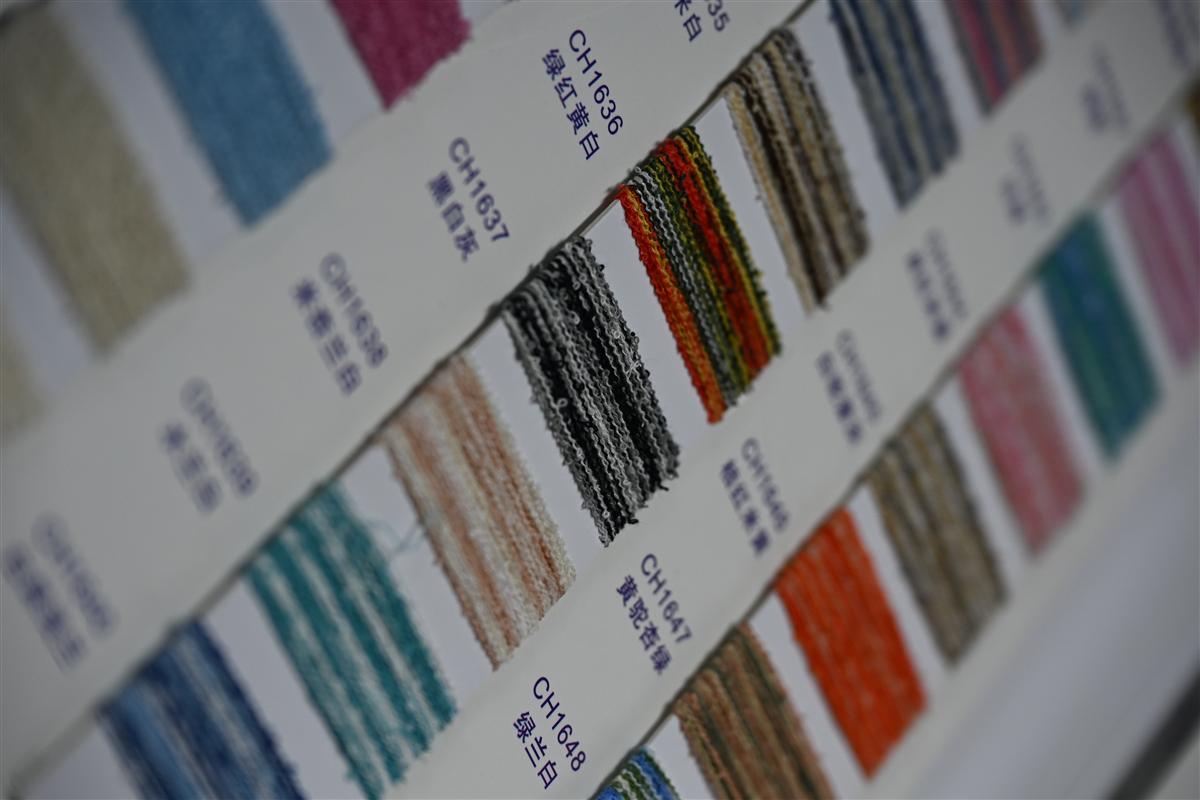
- Sampling & Documentation: Our 7-day rapid sampling includes the OEKO-TEX certificate number alongside the physical swatch. You don’t need to chase paperwork after the fact. The certificate number is printed on the sample card, ready for your compliance team to validate.
One hard truth most buyers overlook: counterfeit OEKO-TEX certificates are common among Asian mills. A supplier may show a buyer a PDF that looks legitimate, but the certificate number was never issued. Always take the 30 seconds to cross-check the certificate number on the OEKO-TEX public database (oeko-tex.com) before placing a single meter of fabric. The team includes the direct verification link on every invoice and shipment document — because trust is earned, not assumed.
GRS: Verifying Recycled Content in Premium Textures
A GRS scope certificate alone is not enough for garment labeling.
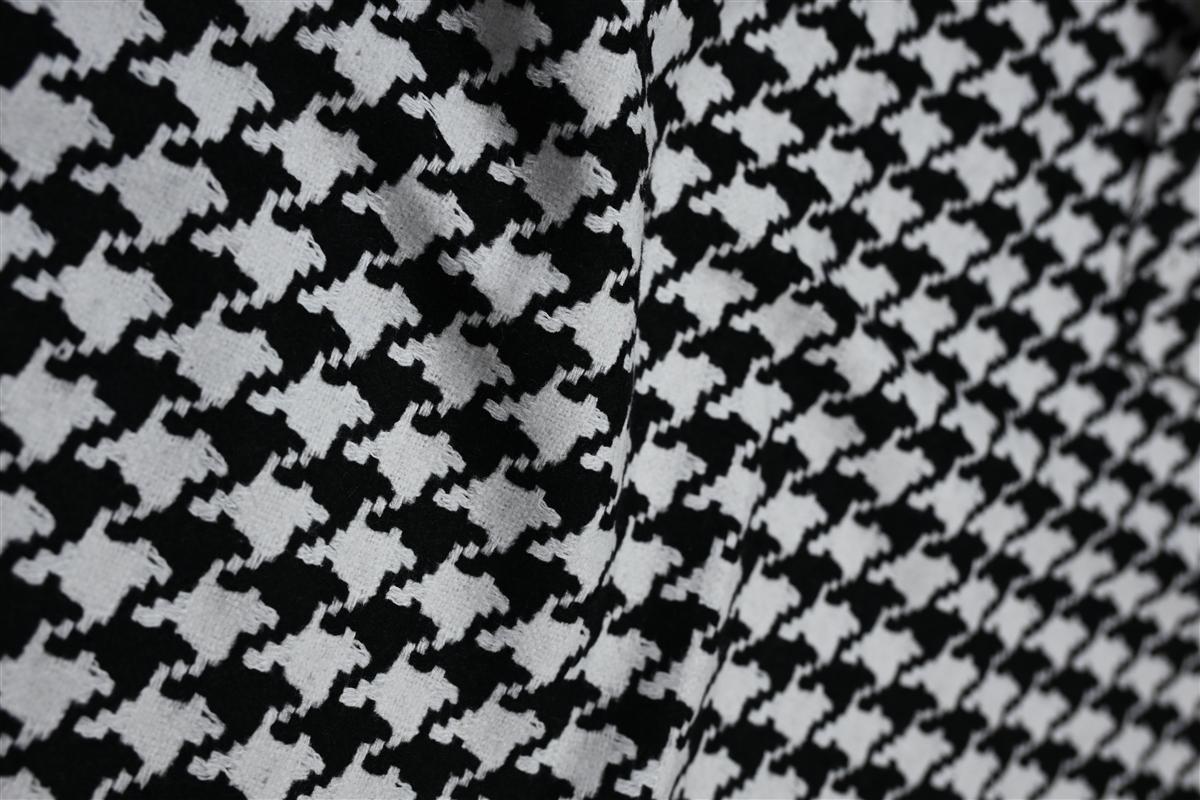
The Global Recycled Standard (GRS) is the benchmark for verifying recycled content in luxury tweeds and knits. But here’s where most buyers get burned: a supplier’s GRS scope certificate only proves the mill is audited and capable of handling recycled materials. It does NOT certify that any specific fabric roll contains recycled fibers.
- The Critical Document: Every shipment must come with a GRS Transaction Certificate (TC). The TC states the exact percentage of recycled content in that specific lot — pre-consumer or post-consumer — as verified by an independent third party. Without a TC, you cannot legally label your garments as GRS-certified.
- Minimum Threshold: GRS requires a minimum of 20% recycled content for a product to carry the label. Most premium mills target 30–50% to maintain hand-feel and drape. Fursone integrates GRS-certified recycled polyester into bouclé and cable knits without sacrificing the softness expected from a Chanel-style tweed.
Counterfeit certificates are common across Asian mills. Always validate the certificate number on Textile Exchange’s public database before approving a sample. A genuine TC will show the issuing body, certificant name, product type, and certified weight in kilograms. If the numbers don’t match, reject the lot.
GOTS: Organic Integrity in Natural Fiber Knits and Tweeds
GOTS v7.0 mandates living wages and fire safety — not just organic fiber content.
If you are sourcing natural fibers — wool, cotton, linen — for luxury knits or tweeds, GOTS (Global Organic Textile Standard) is the only certification that guarantees organic integrity from field to finished fabric. Unlike OEKO-TEX, which tests for harmful substances but says nothing about fiber origin, GOTS verifies that at least 70% of the fibers are certified organic AND that every processing stage meets strict environmental and social criteria.
Here is what changed in 2023 with GOTS Version 7.0: mandatory living wage compliance and fire safety protocols for all certified facilities. This means a mill cannot simply swap in organic cotton and call it a day. They must prove their dyehouse treats wastewater to local potable standards, their workers earn a living wage, and their chemical management system excludes toxic inputs like heavy metals and formaldehyde. For a luxury menswear designer asking about skin-safe chemistry on a wool tweed jacket worn against the collar — this matters.
- Fiber threshold: ‘Organic’ label requires ≥95% organic fibers; ‘Made with X% organic materials’ requires ≥70%. Anything below cannot carry the GOTS logo.
- Dyeing restriction: GOTS prohibits all heavy metals (lead, cadmium, mercury), aromatic solvents, and chlorinated bleaching agents — common shortcuts in non-certified mills.
- Audit frequency: Certified facilities undergo annual on-site audits by independent bodies (Control Union, Ecocert). No certificate is valid beyond 12 months without renewal.
How to Audit a Supplier’s Certification Claims
A GRS scope certificate alone is not enough — demand the transaction certificate for every shipment.
You’ve seen the PDF. A supplier sends you a crisp GRS scope certificate, and it looks official. But here’s what most buyers miss: that scope certificate only proves the mill is set up to handle recycled materials. It does NOT prove the specific roll of fabric you’re buying contains recycled content. For that, you need the GRS Transaction Certificate (TC). Every shipment must come with its own TC, issued by the certifying body, that states the exact percentage of pre- or post-consumer recycled material in that lot. Without it, you cannot legally label your garment as GRS-certified.
The same logic applies to OEKO-TEX Standard 100 and GOTS. Counterfeit certificates are common enough that I make it a rule: before I even request a sample, I take the certificate number and validate it on the issuing body’s public database. OEKO-TEX lets you search by certificate number directly on their website. GOTS has a public list of certified operators. If the number doesn’t show up, or if it shows up under a different company name, walk away.
- Scope vs. Transaction Certificate: A scope certificate says ‘this mill is capable.’ A transaction certificate says ‘this specific yardage is certified.’ Always request both for GRS claims.
- OEKO-TEX Class II Check: For luxury tweeds worn against skin (jackets, dresses), verify the OEKO-TEX class matches your use. Class II covers direct skin contact; Class I is for babywear.
- GOTS Version Compliance: GOTS Version 7.0 (2023) added mandatory living wage criteria and fire safety compliance. If your supplier still references an older version without updates, their audit is outdated.
How Fursone Combines Certification with Artisan Quality
A GRS scope certificate alone is not enough.
When you order 1,000 meters of certified recycled tweed, the last thing you want is a customs hold or a greenwashing accusation. That’s why Fursone’s approach isn’t just about holding certificates—it’s about making every claim legally traceable per shipment.
- OEKO-TEX Class II Dyeing: Our in-house lab meets direct skin contact standards (tested for over 100 substances including formaldehyde and heavy metals) at 30–50% less cost than European mills.
- GRS Transaction Certificate: Provided with every shipment, not just a scope certificate. Verifies the exact recycled content percentage so your garment label holds up to audit.
- GOTS Organic Integration: We blend GOTS-certified organic cotton into luxury tweeds without compromising hand-feel. The certification covers the entire supply chain, from fiber to finished fabric.
- 7-Day Sampling with Docs: Physical swatch arrives with OEKO-TEX, GRS, and GOTS documentation—no waiting weeks for paperwork. Available for stock lots (100m) and custom programs (1,000m MOQ).
The critical difference: we custom-spin our yarns in-house—slub, bouclé, chenille—so the certification traceability starts at the raw fiber, not just the finished roll. Counterfeit certs are common in Asian mills; we publish our certificate numbers on the issuing bodies’ databases and invite you to verify before sampling.
Conclusion
The final 10% that separates professionals from amateurs isn’t knowing which certifications exist—it’s knowing how to validate them. A supplier who hands you a GRS scope certificate but can’t produce a transaction certificate for your specific shipment is selling you recycled content on paper only. The same applies to OEKO-TEX claims that don’t match the database entry on oeko-tex.com.
Frequently Asked Questions
Does OEKO-TEX Standard 100 guarantee a fabric is organic or recycled?
The exact answer depends on the product specification, quantity, and order setup. The safest approach is to confirm the commercial terms only after the final requirement sheet is locked. Always verify compliance against the exact model and the target market requirement.
Can I use a GRS scope certificate alone to label my garments as GRS-certified?
The exact answer depends on the product specification, quantity, and order setup. The safest approach is to confirm the commercial terms only after the final requirement sheet is locked. Always verify compliance against the exact model and the target market requirement.

Related Insights

How Boucle Loops Are Formed: Yarn Twist and Loop Engineering
A buyer opens a fabric swatch, runs a thumb across the surface, and feels those...
Inside a 300-Loom Wenzhou Tweed Factory: How Orders Flow
Every order that enters a wenzhou tweed factory with 300 looms follows the same spine:...

Chanel-Style Boucle Fabric: Stop Pilling & Fading Now
chanel style boucle fabric is the first checkpoint buyers should lock before they approve a...