

Key Takeaway
How mills assign fabric grades, what A, B and C mean per garment context, when seconds are a smart buy, and the contract lines that prevent disputes.
Two rolls of the same tweed can sit in a warehouse with a price gap, and the difference is written in the grade: A, B or C. Buyers who understand what those letters actually measure save money and avoid disputes, because the grade tells you which defects to expect, not whether the fabric is good or bad in the abstract. This guide explains how mills grade fabric, what each grade means in practice, and when a lower grade is a smart buy.
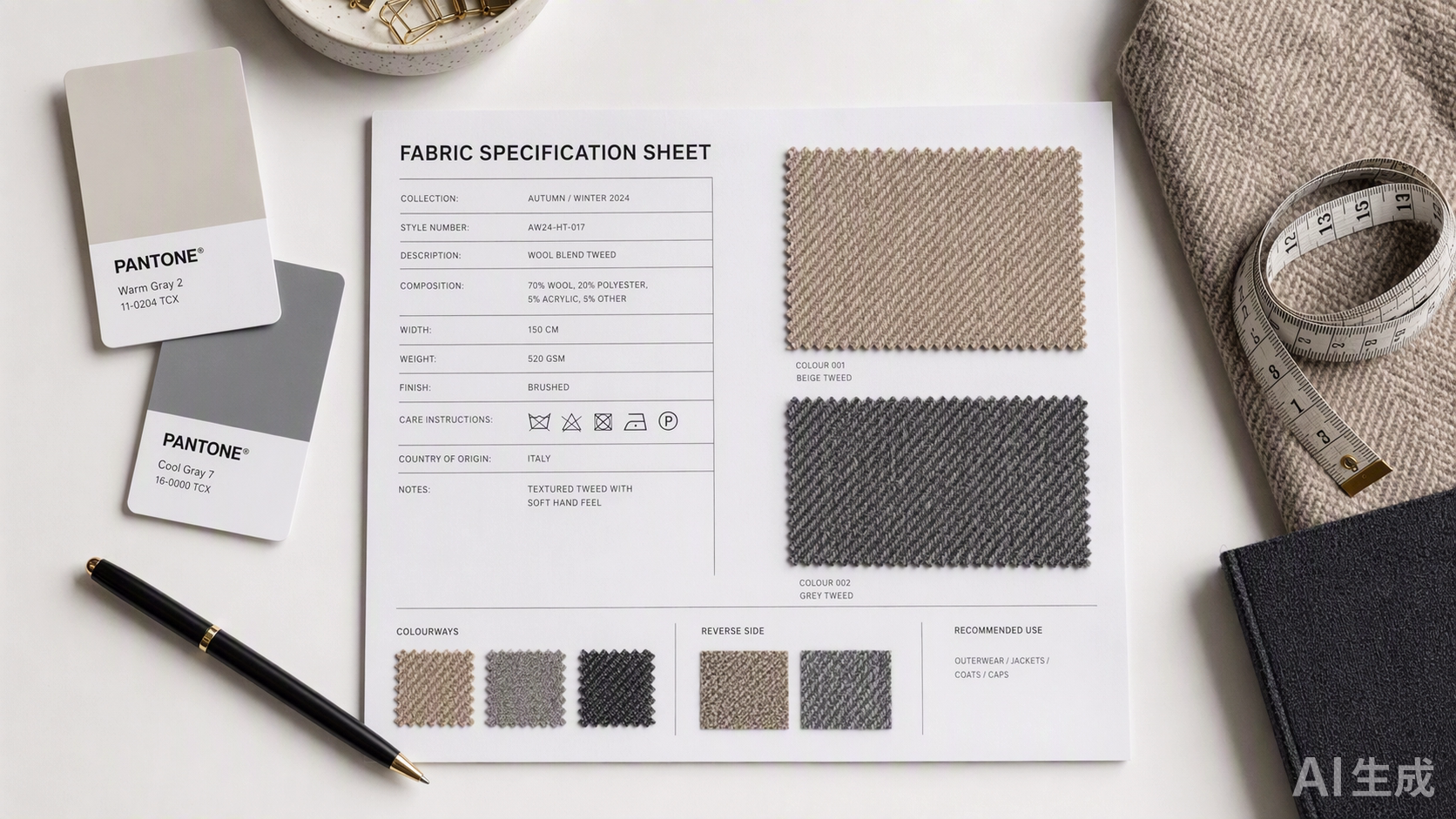
How mills actually assign the grade
Grading happens on an inspection table or machine that unrolls the fabric under proper light while an inspector marks defects: slubs, knots, broken picks, colour variance, stains, width variation. Most mills use a points-based system in the family of the four-point method, where each defect scores points by length and the total decides the grade. The text of these methods sits behind the ASTM textile test standards and similar bodies, so when a mill says the roll passed inspection, ask which method and what score. A grade without a method behind it is an opinion, not a measurement.
What A, B and C mean in practice
A-grade, often called first quality, means defects are rare and small enough that a garment cutter can work around them without losing pieces. B-grade carries visible but limited defects: occasional slubs, minor shading between rolls, small flaws that land in the cut loss. C-grade, or seconds, carries defects that interrupt the roll often enough to force awkward cutting, or shading visible in the garment. The same construction of fabric can exist in all three grades, which is why the price gap can be steep and why the grade, not the sample, decides what bulk will look like.

The defect types behind the letters
Not all defects matter equally for every garment. A slub in a tweed designed with slubs is character, not a defect. Shading between rolls is invisible in solid dark colours and glaring in pale boucle. A broken pick matters for curtain fabric and barely registers in a padded coat. When you negotiate a grade, translate it into your own context: ask where the defects fall, how frequent they are, and whether they land on the face or the back. Grading reports that list defect types and positions let your cutting room plan instead of discovering problems at the sewing line.
When buying a lower grade makes sense
Seconds are not automatically a trap. For linings, interior panels, test garments, tote bags and cushion backs, B or C grade delivers the same fibre and construction at a lower price, and the defects land where nobody looks. Brands doing made-to-order or small-batch runs often cut test samples from seconds and reserve first quality for the sellable run. The trap is using seconds for a showpiece garment, where a visible slub or shade change reads as a flaw to the customer. Match the grade to the visibility of the cut, and the discount becomes real savings instead of a complaint.
Writing the grade into the purchase
Three lines in a purchase contract prevent most grading disputes. State the inspection method and pass threshold, so both sides measure the same way. State the tolerance for roll-to-roll shade variation, with a reference sample sealed by both parties. State the claim window and remedy, whether replacement roll or price adjustment, for defects found before cutting. Our checklist for fabric quality benchmarks covers the broader inspection routine, and what to check before cutting is described in our guide to the fabric swatch check; both feed directly into how you source fabric through our fabric sourcing guide.
Video: high-quality fabrics, the journey
Fabric grading is a language, and like any language it rewards precision. Ask for the method behind the grade, translate defects into your garment context, and write the agreement into the purchase contract. Buyers who do this pay for the quality they need and stop paying twice for the quality they did not specify.
See also our 4-Point System fabric inspection guide.

Related Insights

Reading a Swatch Book Like a Strategy: Layering Stock and Custom Tweed
A fabric wholesaler’s swatch book is not a catalog, it is a sourcing strategy printed...
How Long Does a Custom Fabric Order Take? The 5-Stage Timeline Buyers Can Negotiate
A custom fabric order takes 30 to 60 days from confirmed spec to ex-factory, and...

What Certifications to Ask a Fabric Supplier For
Asking a fabric supplier for certificates is not paperwork ritual; it is how a brand...