
Asking a fabric supplier for certificates is not paperwork ritual; it is how a brand moves quality risk off its own balance sheet. The problem is that “send me your certificates” invites a folder of PDFs that may be expired, scoped to a different product, or issued to a mill the supplier no longer works with. This page lists the certificates that matter, what each one actually proves, and the three checks that separate a live document from a decorative one, from the perspective of a mill-side team that issues them every month.
The checklist below is ordered by what buyers of fabric sourcing from China actually encounter at the vetting stage, and pairs with the remote audit method described in our remote mill audit guide.
The four certificates to ask for first
Start with four documents. OEKO-TEX Standard 100 covers harmful substances in the finished fabric and is the fastest trust signal for European and North American retail programs; the scope of each standard class is published on the official OEKO-TEX standards page. ISO 9001 proves the mill runs a documented quality management system, which predicts consistency more than any single lab result. For wool programs, an RWS or equivalent wool-welfare certificate documents the fiber origin chain. And for any recycled claim, GRS or RCS from an accredited certification body covers the recycled content through the chain, with the verification mechanics explained in our GRS certificate guide.
| Certificate | What it proves | Typical scope trap |
|---|---|---|
| OEKO-TEX Standard 100 | Tested for harmful substances | Issued for an article number, not the whole mill |
| ISO 9001 | Quality management system | Certifies the legal entity, check the name matches |
| RWS | Wool welfare and chain of custody | Covers the fiber stage only, not dyeing |
| GRS / RCS | Recycled content, transaction tracked | Percentage applies to the certified input, not the trim |
The three checks that catch a dead certificate
First, check the dates: every scheme certificate carries an issue and expiry date, and a PDF older than its validity window is worse than no PDF because it signals the supplier does not track its own compliance. Second, check the scope: match the certificate’s product description, article number or composition to what you are actually buying, because a certificate for a knit cotton article says nothing about a woven wool tweed. Third, verify with the issuing body where possible, or ask the supplier to state the certificate number in writing on the quote so it becomes a contractual reference. These three checks take ten minutes and eliminate most of the certificate theater buyers meet in the field.

Matching certificates to the program, not the folder
The right certificate set depends on the destination market and the claim the garment will carry. A childrenswear program in Europe leans hardest on OEKO-TEX class and REACH-relevant testing. A sustainability-marketed wool coat needs the fiber-stage certificate plus the mill’s transaction certificates so the hangtag claim survives scrutiny. A basic commercial program may only need ISO 9001 and the dye-house’s compliance declaration. Asking for everything wastes vetting time; asking for less than the claim requires moves risk to the brand. The supplier scorecard method in our 8-dimension vendor scorecard weights certificates as one dimension among delivery, quality and communication, which keeps the paper in proportion.
What a mill-side team adds beyond the PDF
Certificates describe systems; programs are still run by people. When we issue documentation with an order we attach the dye lot, the inspection report against the approved sample, and the fiber composition statement, so the buyer’s file reads as one continuous story from yarn to shipment. A certificate folder that appears only at the vetting stage and never again usually means the production floor and the compliance folder are disconnected, which is precisely what the audit conversation in our remote audit guide is designed to expose. Buyers who ask to see the inspection standard during sampling, as covered in our 4-point inspection explainer, learn more about a mill in one question than from any PDF stack.
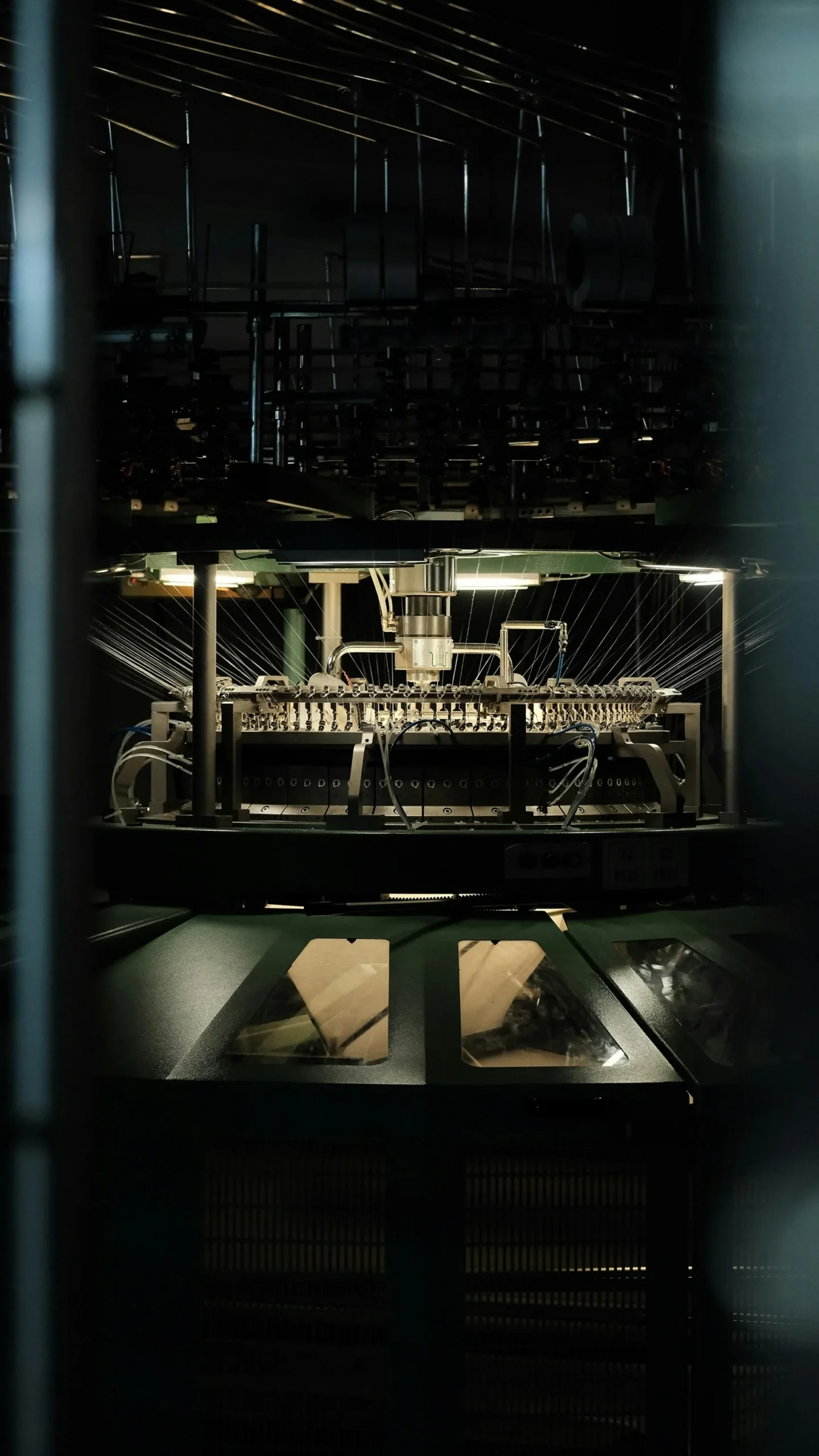
Video: how we document a fabric program
The video follows a designer fabric program from sampling to documentation, the same chain the certificates describe on paper.
Frequently asked questions
Is a certificate older than one year still valid?
Check the expiry date on the document itself, not the calendar. ISO 9001 runs on multi-year cycles with annual surveillance; OEKO-TEX and transaction-based schemes carry their own windows printed on the certificate.
Does OEKO-TEX cover the whole mill output?
No. It applies to the articles tested and listed in the certificate. Always match the article or composition to your order.
Who pays for testing if the buyer needs a scheme the mill lacks?
It is negotiated. Mills add new articles to existing certificates at moderate cost; entirely new scheme participation is a larger investment and usually shared or led by the brand when the program justifies it.
Should the certificate number appear on documents?
Yes. Writing the certificate number into the quote and proforma makes it a contractual reference and simplifies customs and retail compliance checks downstream.

Related Insights
Three Seasons Same Cloth: Yarn Shade Finish Locks
Running the same cloth for three seasons like a larger brand means locking yarn, shade,...
Free Swatches, Paid Yardage: What Sampling Should Cost
A free A4 swatch is the mill’s marketing. Paid sample yardage is a small production...
A 40 Metre Sample From the Same Beamed Warp: What to Ask the Mill
The 40 m is not something you take out of the lot; it is a...