

The short answer: a remote audit is how you vet a certified mill without travelling. It works best when you combine the mill’s certification with video, document review and a structured checklist, rather than trusting a certificate alone. The goal is to verify that the certified process is actually running, not just that a certificate exists.
Why audit a certified mill remotely
A certificate shows a mill passed an audit at some point. It does not prove the mill is running that process today, or that it applies the standard to your specific order. A remote audit closes that gap by checking the current state: is the yarn being traced, is the dyeing process recorded, are the documents current. It is a practical way to vet a supplier across a distance before you commit a run.
What to check in a remote audit
| Check | What to verify | How to do it remotely |
|---|---|---|
| Certification | Is the certificate current and in scope? | Request the certificate and check the scope |
| Traceability | Can they trace fibre to source? | Ask for records and a live screen share |
| Production line | Is the process you pay for running? | Request a video walkthrough |
| Documentation | Are dye and chemical records kept? | Ask for the batch records |
| Team | Do the people you speak to run the line? | Confirm roles on a call |
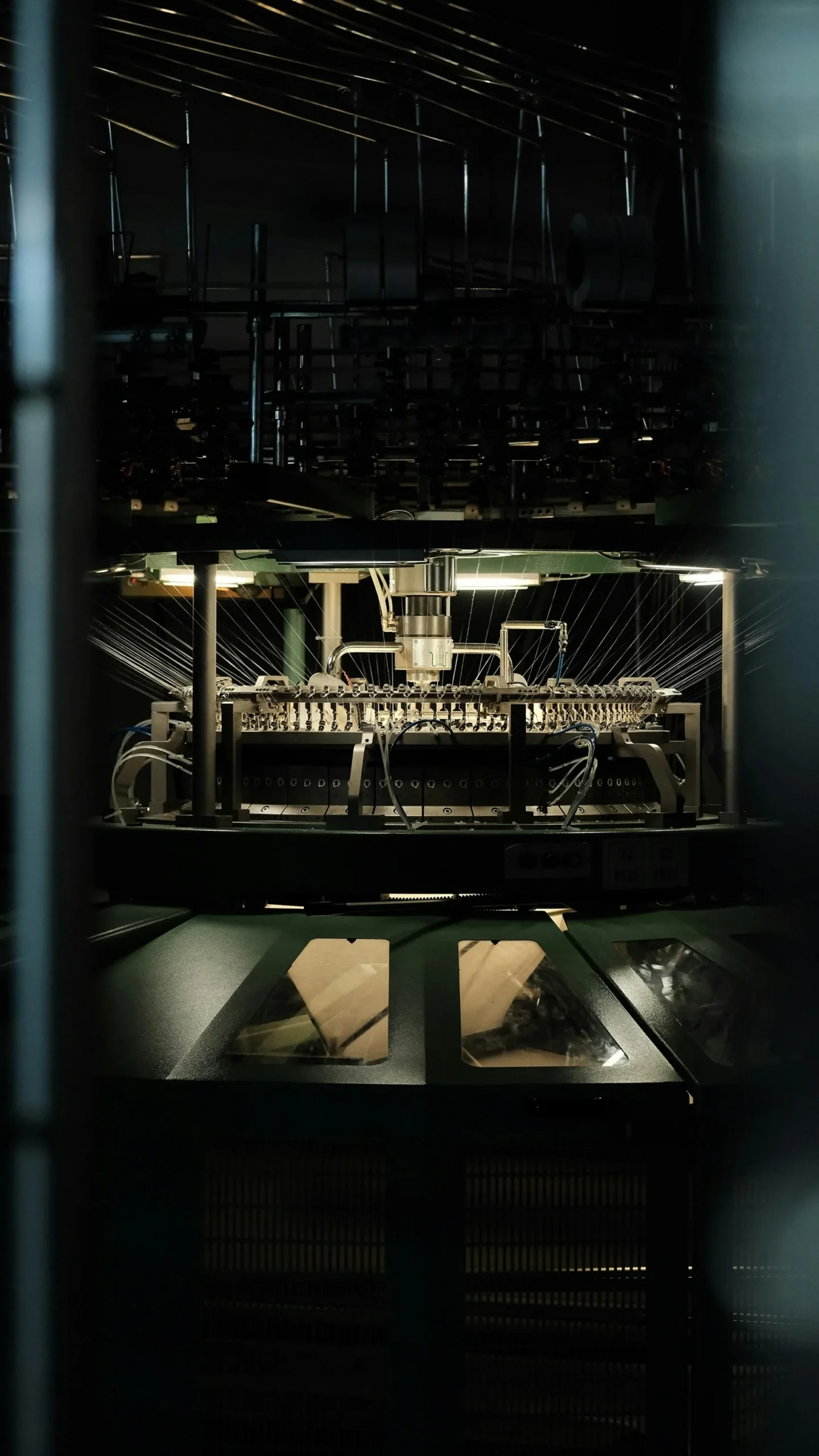
A remote audit is most convincing when it is live. A video walkthrough of the production line, combined with a screen share of the traceability records, is stronger than a stack of PDF certificates. If a mill will not show a live line, that is a signal, because a certified mill with nothing to hide will usually agree to a short video walkthrough.
Use a checklist so you are consistent
A remote audit should be run against a fixed checklist, so you compare one mill to another on the same terms. Score each item and record the evidence, so you have a document you can file and refer to later. The checklist is the same whether you audit a wool mill or a knit mill, which is what makes the result comparable. Without a checklist, a remote audit drifts into a conversation that is hard to act on.
Document the evidence, not the promises
Vet a mill on evidence, not on what it says. Ask for the certificate number, the batch records, the dye records, and the traceability documents. If a claim cannot be backed by a document, it is a risk rather than a resource. The depth of a mill’s documentation is the clearest sign of how seriously it takes a certification, whether or not you travel to its site.
Use a factory audit checklist of 15 points to keep a remote audit structured and consistent across suppliers.
Remote audit limits
A remote audit is a good first filter but it is not a substitute for a physical visit. It cannot verify machine maintenance, working conditions or the actual quality of a batch you have not seen. Use it to shortlist mills, then confirm the final one with a sample and, where it matters, a physical visit. Treat the remote audit as the first pass, not the last word.
Remote audit and the standard behind a claim
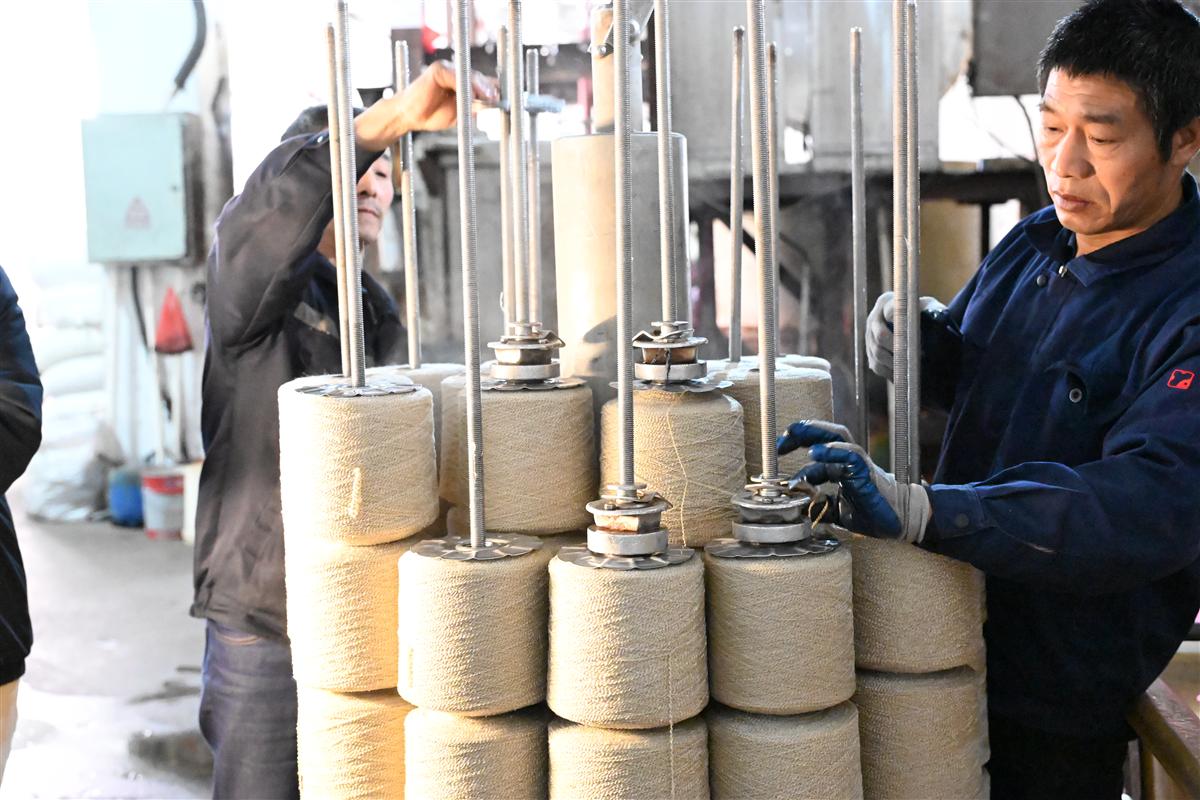
When a mill claims a certified process, the relevant standard is what defines what must be true. The Global Recycled Standard, for example, audits the recycled percentage and the chain of custody, and that is what the remote audit should verify. Checking a mill against the actual standard, rather than against a vague “certified” claim, is what makes the vetting meaningful.
The Global Recycled Standard defines what a recycled-content claim must prove: use it to set what you verify in a remote audit.
FAQs about remote auditing a certified mill
What is a remote audit?
A way to vet a mill without travelling, using a checklist, document review and a live video walkthrough to verify that a certified process is actually running.
Does a certificate prove a mill is compliant?
No. A certificate shows a pass at a point in time, not that the process is running today or applies to your specific order.
What should a remote audit verify?
The current certification, traceability, the production line, documentation and the team, each backed by evidence rather than promises.
Is a remote audit a substitute for a visit?
No. It is a good first filter, but it cannot verify machine maintenance, working conditions or a batch you have not seen.
How do I keep a remote audit consistent?
Run it against a fixed checklist and score each item, so you compare every mill on the same terms and record the evidence.
Vet the mill on evidence
Run a remote audit against a checklist, verify the certification and the records, and treat it as a first filter before a sample or a visit. If you want a fabric partner you can vet remotely and in person, talk to our fabric team.
Related reading: GRS-Certified Yarn Spinning: How the Chain Actually Works
See also our second-source mill qualification guide.

Related Insights
Same as Sample? Re-Approval When the Original Yarn Lot Is Gone
No mill can honestly promise that bulk will be the same as a sample whose...

Tight Weave or a Finish: Tweed Rain Tests and What the Mill Must Disclose
No single test separates a tightly woven tweed from a finished one, because a dense...
Mill Process Map: What to Ask Before the Order, Not After a Fault
Before the order, the useful question was not whether the mill subcontracts, since many mills...