
Lyocell has moved from a niche fiber to a standard line item on knit buyers’ request lists: soft hand, clean drape, and a cellulose story that supports sustainability claims without the microplastic concerns attached to synthetics. But sourcing lyocell blends for knits is not the same as ordering cotton or polyester knits, because the fiber’s brand ownership, blend ratios and finishing behavior all change what lands in your inspection report. This guide covers what lyocell actually contributes to a knit construction, how blend ratios change cost and performance, and what to verify before committing bulk.
What Lyocell Brings to a Knit Construction
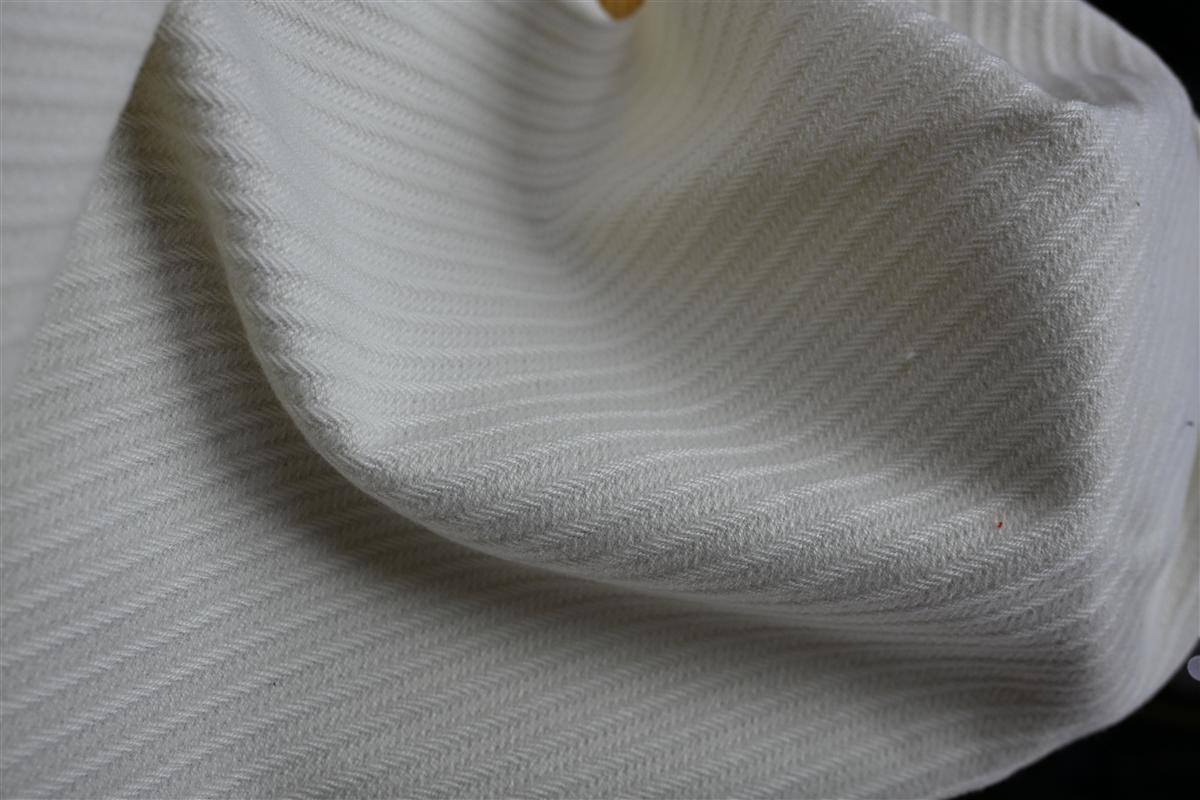
Lyocell is a regenerated cellulose fiber made from wood pulp through a closed-loop solvent process, which is the basis of both its hand-feel reputation and its environmental claims. In knit constructions it contributes three measurable qualities: a smooth, cool hand that reads more premium than polyester at similar gauge; high wet strength compared with other cellulosics, which survives wash cycles better; and strong dye uptake that produces deep, even shades on piece-dyed goods. What it does not do is add stretch or resilience on its own, which is why lyocell knits almost always ship as blends with polyester for shape retention or with elastane where recovery is specified. Fiber-level material standards and certification context are published by Textile Exchange and are worth aligning with before writing claims into your own product copy.
Blend Ratios and What They Change
Common commercial constructions cluster in recognizable bands. Lyocell-heavy blends, roughly two-thirds or more, maximize the drape and hand story and suit fashion knits where the fabric hangs; the tradeoffs are higher yarn cost and more careful washing guidance. Balanced blends around half lyocell with polyester or cotton are the volume workhorses, keeping much of the hand while controlling cost and stabilizing shrinkage. Low-percentage lyocell blends, under a third, exist mainly to put the fiber name on the label while the polyester does the structural work, and buyers should price-check whether that label story justifies its delta. Each step also changes drying behavior: higher lyocell content means the fabric holds more water and needs longer tumble cycles, which matters for care-label accuracy and for your customers’ returns experience.
Sourcing and Certification Checks
Two verification layers protect a lyocell program. The first is fiber provenance: the regenerated cellulose market includes branded fiber with chain-of-custody documentation and generic viscose-type fiber without it, and the price difference should track the documentation, not just the name. Ask the mill to name the fiber source and provide the supporting certificate, then check the certificate scope matches the actual yarn lots, following the same scope-check discipline used for recycled content claims. The second layer is test data: shrinkage, pilling and colorfastness results on the actual knit construction, not on a similar fabric from the mill’s archive. Our verification workflow for recycled content in RCS versus GRS certification applies the same logic to cellulose fiber claims, and the construction-level tradeoffs are comparable to those in biodegradable knit fabrics.
Sampling and Bulk Commitment Points
Lyocell knits justify one extra sampling step that cotton programs often skip: a wash-and-wear trial on lab-dip-approved yardage, because the hand-feel difference between fresh-off-the-mill and post-wash is larger for this fiber family than for synthetics. Bulk commitments should reference the washed state, not the greige or fresh-dyed state, in both the specification sheet and the golden sample sign-off. For a program quote against a stated blend ratio, gauge and finish, our yarn provenance guide and the sustainable and certified fabrics hub are the right starting points, and current loom capacity for lyocell blends can be confirmed against the sampling calendar.
Video: Sustainable Fiber Programs at the Mill
FAQ
Is lyocell the same as viscose or modal?
They are all regenerated cellulose fibers but differ in process and performance. Lyocell uses a closed-loop solvent process and has higher wet strength; modal is a softer modified viscose; generic viscose is the most common and least expensive. Price and durability should track those differences.
What blend ratio should a fashion knit start with?
Balanced blends around half lyocell with polyester or cotton are the usual starting point: they retain most of the hand and drape story while stabilizing cost and shrinkage. Push the ratio higher only when the drape story is the selling point.
Does lyocell shrink more than cotton?
Relaxation shrinkage is comparable to other cellulosics and is controlled by finishing; the bigger practical difference is water retention, which lengthens tumble drying. Verify shrinkage on the actual knit construction and write care labels against the washed state.
How do I verify a lyocell claim on a quote?
Ask the mill to name the fiber source, provide the certificate, and check the certificate scope against the actual yarn lots. Generic cellulose sold at branded-fiber prices is the most common sourcing failure in this category.
Related Insights

Fiber Content Labels for Tweed and Knit: Reading Composition Percentages Right
A composition label is a legal document, a marketing claim and a care instruction all...
Fabric Waste in Cutting: How Much Your Collection Throws Away
Every collection throws away fabric twice: once in the cutting room, where markers never fit...
How to Verify a Sustainable Fabric Claim: Four Checks That Catch Greenwashing
A fabric supplier hands you a certificate PDF and a sustainability claim that sounds too...