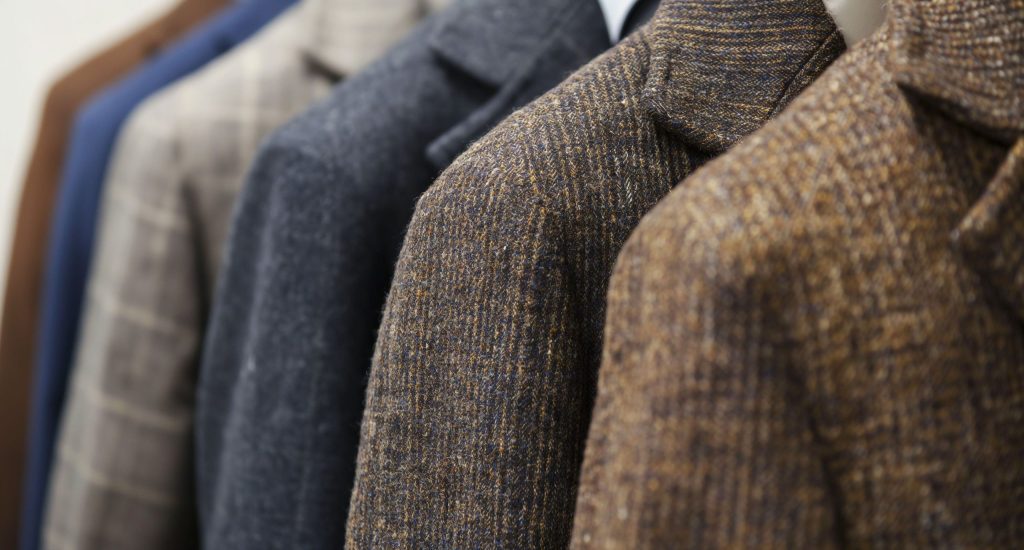
For designers and buyers seeking bold contrast, red and black tweed offers immediate visual impact but requires close assessment of dye stability and fiber composition. This guide shows how contrast dynamics, fiber balance, and sourcing controls affect durability and production consistency—giving you the clarity to specify tweed that maintains its definition from sample to final garment.
The Drama of Contrast: Red and Black in Tweed
Red and black tweed stands out for its bold contrast, offering designers a palette that communicates confidence and structural clarity. This combination delivers both visual energy and technical reliability to premium garments, allowing fashion houses and accessory brands to merge artistry with lasting performance. Below, we examine how its visual strength, material behavior, and sourcing dynamics work together to drive creative yet commercially viable collections.Visual Impact and Design Appeal
Red and black tweed creates striking visual tension that captures attention instantly. The interplay between the hues generates sophistication and depth, appealing to brands seeking distinctive surface interest for gowns, outerwear, and statement accessories. This contrast adds character without losing elegance, positioning it perfectly for runway and evening applications. The woven interaction between the two threads enhances tactility, giving the fabric a crafted, dimensional quality that distinguishes it from printed alternatives. Designers can use this depth to reinterpret classic silhouettes into modern forms that balance heritage texture with refined tailoring, expressing brand identity through both material and tone.Fabric Properties and Performance Benefits
For structured evening pieces, performance equals aesthetics. Red and black tweed’s durability, elasticity, and wrinkle resistance maintain garment integrity through multiple fittings and events. Designers under tight development deadlines value this stability—it minimizes rework and preserves silhouette consistency across production runs. Fiber composition, whether pure wool, cotton blend, or synthetic mix, determines texture, weight, and cost. Dense weaves add structure, and verified colorfastness keeps tones vivid after wear and cleaning. At Fursone, we see brands balance natural and synthetic fibers to achieve both luxurious hand-feel and industrial efficiency suited to tailored or embellished designs.B2B Sourcing Considerations and Market Positioning
Procurement teams sourcing red and black tweed should assess fiber blend uniformity, weave density, and dye stability. Requesting lab dips or small-batch samples confirms how the contrast performs under varied lighting and handling, ensuring alignment between creative intent and production quality before large-scale orders. Strategically positioned, this fabric elevates brand perception—luxury labels often define it as a signature texture of exclusivity, while emerging brands use it to strike a confident visual differentiator. Choosing a high-contrast tweed communicates precision and intent, reinforcing narratives built around craftsmanship and design authority.Color Stability: Vetting Dye Quality for Non-Crocking Red
Achieving a durable, non-crocking red in tweed fabrics requires more than choosing a strong pigment. Apparel and accessory brands need to confirm that every stage—fiber preparation, dye formulation, and fixation—is tightly controlled. Consistent red tones define brand identity and support product longevity. The following sections outline practical methods to verify and secure colorfast performance when sourcing red and black tweeds.Understanding Fiber-Stage Dyeing for Stable Reds
Premium mills rely on fiber-stage dyeing to achieve deep, saturated reds that resist friction and wear. Dyeing wool fibers before spinning allows pigment to penetrate each strand, improving color uniformity and durability while preserving tweed’s blended texture. Rubbing and washing tests consistently validate this approach, making it essential for designers seeking high-contrast tweeds with stable, even coloration.Dye Chemistry and Compatibility with Fibers
Matching dye type to fiber composition is critical. Acid dyes deliver optimal performance on wool when temperature and pH are precisely managed. Synthetic blends incorporating polyester or nylon require specialized dye systems that retain color intensity without compromising the fiber matrix. Mills should confirm dye compatibility through lab dips or production trials before weaving to prevent migration—the primary cause of crocking.B2B Vetting Criteria for Non-Crocking Red Dye Quality
Buyers should request detailed documentation covering dye batches, application parameters, and quality checks. Transparent records demonstrate process stability and allow quick identification of variables affecting shade consistency. Verify that suppliers provide colorfastness data aligned with ISO or AATCC standards. Strong rub and wash fastness scores indicate reds that can endure handling and cleaning, protecting both brand equity and production budgets.Pre-treatment and Dye Application Controls to Prevent Crocking
Effective pre-treatment ensures uniform dye uptake. Mills that thoroughly scour and neutralize fibers remove surface contaminants that inhibit dye penetration, stabilizing surface tension for even color distribution. During dyeing, consistent liquor ratios, agitation, and timing prevent pigment buildup and surface migration. Precision at these stages keeps color locked within the fiber and minimizes transfer issues after production.Balancing Natural versus Synthetic Red Dyes
Natural dyes such as cochineal deliver warm tones and align with sustainability narratives but offer limited resistance to light and moisture. They suit small-batch or heritage collections where rarity matters more than durability. Synthetic reds deliver cleaner consistency and superior fastness, though they must meet evolving environmental and compliance standards. Progressive mills are adopting low-impact synthetics that balance intensity, longevity, and eco-performance.Prioritizing Suppliers with Proven Dye Expertise and Traceability
Partnering with mills skilled in dye formulation minimizes risk. Experienced dyers can fine-tune pH, temperature, and batching cycles to maintain tonal accuracy across fabrics. Supplier transparency is equally important—access to data on dye origin, auxiliaries, and waste handling supports sustainability compliance. At Fursone, collaboration with technically advanced dye houses consistently yields stable reds and reliable shade control, ensuring confidence in every production run.Blend Analysis: Achieving Texture and Definition with Specialty Fibers
For designers aiming to elevate red and black tweed into statement pieces, strategic fiber blending determines both visual impact and production viability. Fiber combinations control tactile depth, weave clarity, and color response under light—factors that shape how a collection performs and endures. In our textile development work, precise balance between natural and synthetic components consistently delivers texture complexity without compromising efficiency or repeatability.Role of Wool and Natural Fibers in Tweed Texture
Wool provides the structural backbone of premium tweed. Its resilient crimp regulates temperature and supports tailored form while maintaining drape integrity. This base allows intricate patterns like herringbone or overcheck to remain sharply defined in red and black colorways. When partnered with other natural fibers, wool retains warmth but gains surface softness—blends that translate into tactile luxury buyers recognize as both heritage-rich and commercially distinctive.Benefits of Synthetic and Blended Fibers
Synthetics such as polyester and nylon enhance the tweed’s durability, minimizing sag and abrasion over extended wear. For procurement teams, this ensures consistent quality and simplifies reordering. Blending natural and manmade fibers also improves drape, reduces wrinkling, and stabilizes shrinkage—outcomes that streamline production and lower maintenance claims. Well-calibrated blends directly support leaner manufacturing and stronger brand reliability.Achieving Color Definition Through Fiber Dyeing and Blending
The red and black depth of high-grade tweed depends on pre-spinning fiber dyeing. Coloring each fiber individually produces precise tonal contrast when twisted together, delivering a richer effect than post-weave dyeing methods. As these fibers interlace through a dense weave, they create subtle dimensionality and light-responsive texture that signals quality from distance and detail up close—attributes that influence sourcing decisions for premium evening collections.Key Considerations for Blend Composition and Sourcing
Define fiber origin, ratio, and consistency early in the specification process. Align density with intended garment structure—higher density reinforces body and pattern clarity in red-and-black schemes. Validate colorfastness and stretch stability through supplier data or internal testing before scaling. Addressing these parameters upfront protects lead times and prevents costly adjustments once fabrics advance to finishing and QC stages.Reliable Global Textile Supply, Tailored for Your Needs
Fursone offers flexible ordering, precise manufacturing, transparent quality checks, and fast delivery to support designers, wholesalers, manufacturers, and fashion buyers worldwide. Start with low minimum orders or explore custom blends backed by stable supply and verified standards.
Top 10 Suppliers for Premium Red & Black Tweed
Finding reliable and cost-efficient manufacturers is essential for balancing price, quality, and delivery timelines. The following suppliers combine advanced production, creative design support, and consistent performance for global fashion brands.Fursone
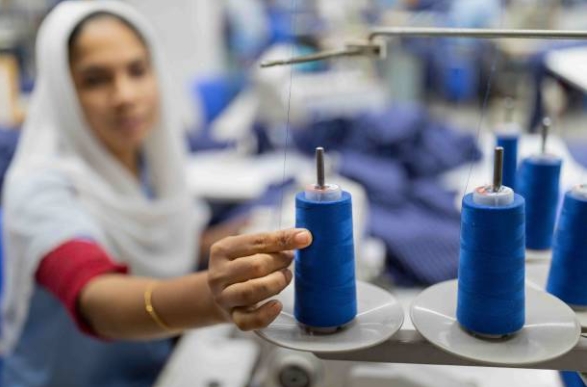
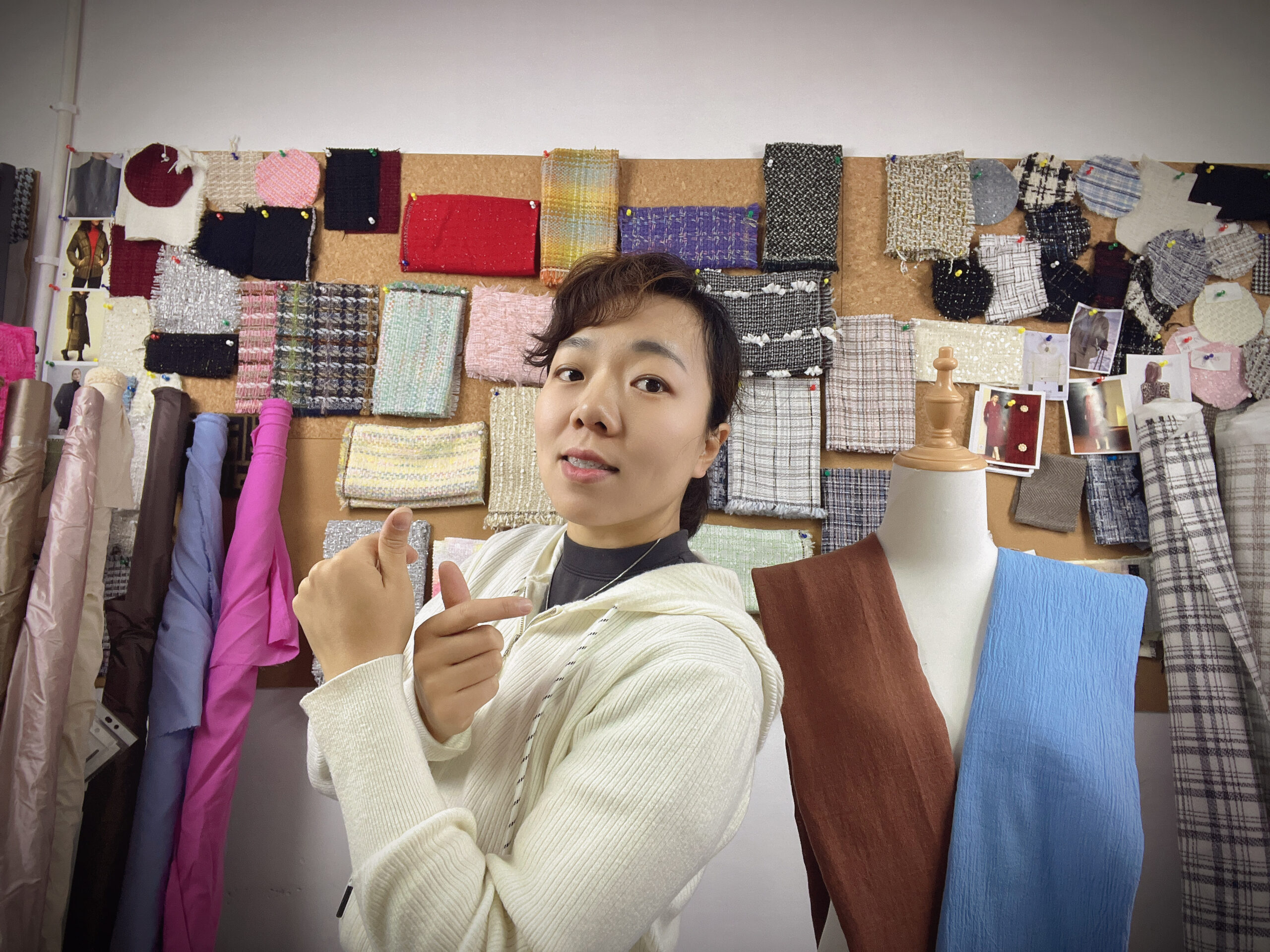
Fursone believes fabric should embody each brand’s narrative. Since 2020, the company has delivered premium, customizable woven women’s fabrics for international labels. Its fully integrated supply chain features a Brand & Design Center in Wenzhou, China, dedicated to trend analysis and client collaboration, and a production hub in Jiangxi with advanced looms and rigorous quality control. Fursone offers reliable, fashion‑driven textile solutions that empower commercial success.Key Information:
- Location: Wenzhou & Jiangxi, China
- Main Products: Customizable woven women’s fabrics, premium red and black tweed
- Main Markets: Global fashion and accessory brands
Pros & Cons:
| What We Love | Things to Consider |
|---|---|
|
|
Application: Tweed for Statement Jackets and Evening Coats
Red and black tweed does more than define a fabric—it establishes a collection’s tone by merging visual intensity with enduring refinement. For designers developing statement jackets and evening coats, it delivers structure, dimension, and creative range. Procurement teams evaluating outerwear fabrics should note how its tactile depth, strength, and visual richness convert into commercial value and long-term differentiation.Design Advantages of Tweed in Statement Outerwear
Tweed’s textured surface and firm hand naturally support tailored silhouettes, maintaining a jacket’s crisp form or an evening coat’s fluid precision through wear and repeated fittings. This inherent stability shortens production time, as lines hold after pressing and remain consistent during finishing. Designers can amplify creative impact by reworking heritage patterns—houndstooth or check—through cropped cuts, asymmetric closures, or pronounced shoulders. Adding metallic yarns, sequins, or understated embroidery infuses red and black tweed with modern tension and depth, ideal for after-dark pieces where reflected light enhances richness.Key Considerations for B2B Buyers and Sourcing Managers
When sourcing tweed for high-end outerwear, start by articulating the product story. Authentic Harris Tweed provides heritage credibility and a distinctive handfeel that strengthens brand storytelling, while bouclé or metallic tweeds introduce a modern tone suited to contemporary cuts. Each variant targets different customer tiers and price positions. Competitive advantage grows through customization—fine-tuning color intensity, weave density, or fiber composition to align with the brand’s aesthetic. Beyond appearance, ensure warmth, comfort, and resilience match wear conditions. For winter or event-driven pieces, a wool-rich tweed holds structure, minimizes creasing, and improves comfort. Distinctive trims or metal details can then elevate the fabric to statement status without sacrificing functionality.Versatility and Market Positioning of Red and Black Tweed Outerwear
Red and black tweed outerwear merges confidence and sophistication, commanding attention on the runway while remaining wearable for clients seeking standout pieces across seasons. Its balanced weight and layering potential allow transition from office to evening. On the market, these garments serve as investment anchors rather than short-term trends. Luxury houses leverage them to reinforce brand craftsmanship and design stability. For sourcing professionals, maintaining consistent quality and dye-lot accuracy is crucial to preserve tone integrity through successive production runs.Interfacing and Lining Techniques for High-Contrast Tweed
High-contrast tweeds such as red and black require tight structural control to maintain their visual clarity and dimensional stability. Designers and buyers should specify support materials that deliver strength without compromising the fabric’s hand feel. Every layer—from interfacing to lining—affects how the tweed performs, drapes, and maintains consistency across production runs. At Fursone, disciplined construction management reduces rework and secures repeatable quality batch after batch.Choosing the Right Interfacing for High-Contrast Tweed
Match the interfacing to the tweed’s weight, texture, and heat tolerance. Excessively strong fusible layers can warp fine blends, while weak adhesion may cause bubbling when pressed. For robust tweeds that tolerate heat, fusible interfacing ensures a clean finish and shortens production time. For softer or heat-sensitive materials, use sew-in interfacings to preserve drape and texture. Woven types hold the grain for structured garments, while non-woven variants add flexibility for accessories or irregular shapes. Specialized options such as weft-insertion and vertical-thread interfacings enhance stability and keep high-contrast patterns sharp throughout production and wear.Effective Lining Techniques for Stability and Finish
Proper lining strengthens construction and improves internal finish. Incorporating cotton or calico interlining adds body and prevents stretching during wear and cleaning, especially in structured jackets and skirts. Manage edge handling with light spray starch or fine interfacing to avoid fraying and distortion through cutting and seaming. Early alignment between design and production teams on lining methods ensures consistency, easier communication, and long-term garment stability across multiple wears and washes.FAQs on Red & Black Tweed Fabric
These FAQs address key technical considerations for designers, buyers, and sourcing teams working with red and black tweed. Each answer draws on production insight to support quality assurance, material compatibility, and supply consistency.How do I stop red dye from crocking?
Crocking occurs when surface dye isn’t fully fixed, causing rub-off during handling. Pre-wash the fabric before sewing to release excess dye, and for bulk production, incorporate a chemical fixative or softener to stabilize color. When sourcing, prioritize mills using reactive or vat dyes; these bind securely with fibers, reduce bleeding, and lower rework costs while preserving consistent color under showroom lighting.
What is the best lining for red/black tweed?
Silk or polyester linings offer a smooth glide and balanced drape under structured tweed. For premium garments, opt for lightweight habotai or satin-backed twill to add movement without bulk. Color selection shapes the overall perception—charcoal, muted red, or nude tones highlight the contrast without overpowering it. Breathable viscose blends also improve comfort during extended wear or layered styling.
Is high-contrast tweed harder to sew?
Yes. Bold red and black tweeds demand precision during cutting and assembly since even slight misalignment stands out. Align patterns carefully across seams and use new, sharp needles to prevent shifting. Maintain steady tension, and assign sewing to operators experienced with textured weaves to avoid puckering and maintain clean stitch depth—essential for high-end tailoring and outerwear.
How do I verify the fiber blend?
Begin with a quick burn or microscope test to identify main fibers, then use accredited lab testing such as FTIR spectroscopy to confirm blend ratios before committing to bulk orders. Always verify mill certifications and conduct random lot sampling to prevent mislabeling and ensure consistent quality across shipments.
What is the best application for this color combination?
Red and black tweed delivers striking contrast ideal for statement jackets, evening suits, and accent pieces like skirts or vests. For brand collections, this palette sets a bold signature that photographs well and anchors lookbooks. It also works in structured handbags or coats where the fabric’s body and texture add commercial value and seasonal definition.
Strategic Takeaways for Choosing Red and Black Tweed
Red and black tweed fabric delivers bold visual contrast with proven performance durability, making it a decisive choice for evening wear and statement outerwear. Reliable sourcing starts with verified dye stability and well-calibrated fiber blends to preserve tone and shape integrity. Designers should vet fiber‑stage dyeing methods and review lab performance results before committing to scale. For sustained quality, align wool‑rich or blended tweeds with structured interfacing and linings that preserve texture while enhancing form. Brands that test colorfastness, optimize weave density, and collaborate with traceable mills position red and black tweed as a signature material with both design authority and commercial strength.Authoritative References
Related Insights
Heat-Set Pleats in Wool Tweed: What Must Be True?
Three conditions must hold before a pleater can set a pleat in wool tweed, and...
Sealed, Singed or Cracked: A Laser Edge on Wool Tweed
A laser edge on wool tweed is a burned edge, not a sheared one, and...

Garment-Washing Bouclé Coats: What to Test Before Bulk
A garment wash on finished bouclé coats is a wet process applied after the cloth...