
Key Takeaway
Build a sustainable fabric line on a supplier scorecard: traceability, certification scope, batch testing and consistency.
How to Build a Sustainable Fabric Line: A Supplier Scorecard
Building a sustainable fabric line is not a marketing exercise. It is a supplier-selection exercise. The fabric that carries your eco claim has to be backed by a certifiable process, traceable inputs, and documented testing. This guide lays out the supplier scorecard that separates a real sustainable line from a greenwashed one.
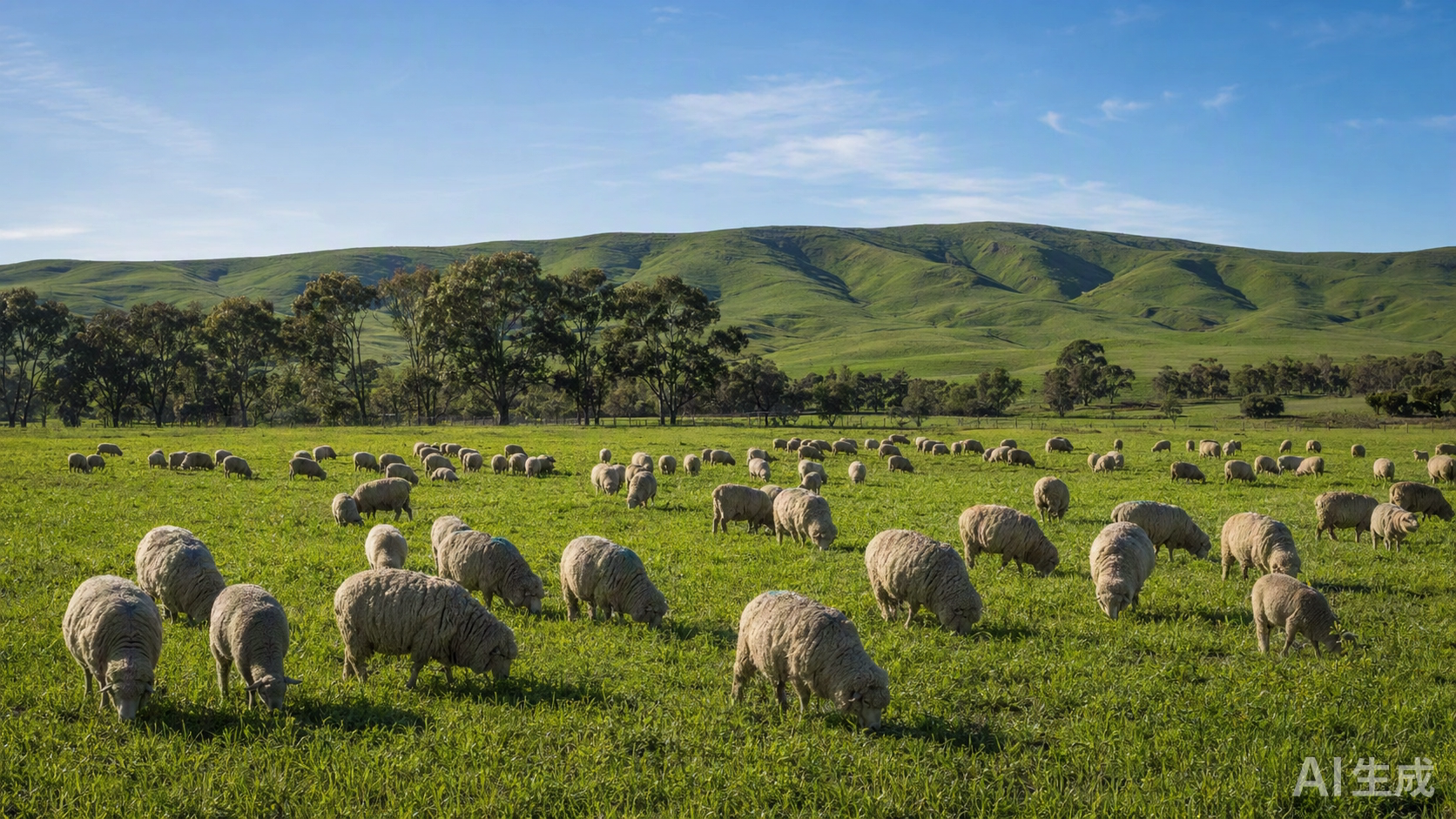
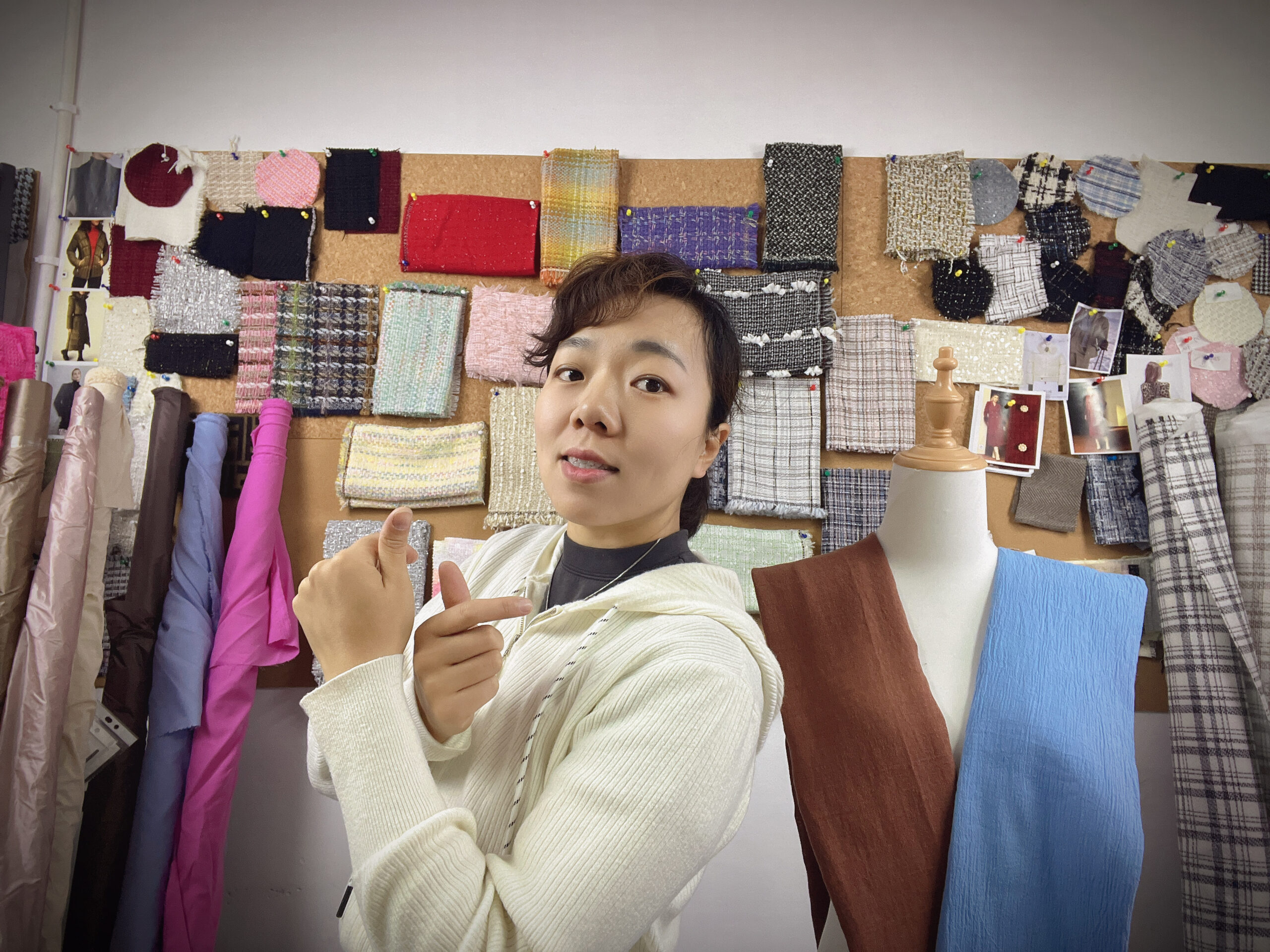
A verifiable eco line needs a mill that can prove the process; see Fursone’s sustainable fabric design capabilities for how a certified range is delivered.
Start with the standard you will stand behind
Choose the certification you are actually prepared to prove before you source. Recycled content usually means the Global Recycled Standard (GRS), which verifies recycled fibre content and chain of custody. Health and safety means OEKO-TEX Standard 100, which screens a long list of substances. A scorecard starts with the standard, because it determines the documentation a supplier has to provide.
The scorecard: four weighted asks
Score a potential mill on four things. Traceability: can they show the recycled or responsibly sourced fibre back up the chain, not just assert it? Certification scope: is the certificate real, current, and issued for the specific fabric, not a generic company claim? Testing: is there a batch test report for pilling, colour fastness and shrinkage? Consistency: will the eco line hold colour and hand across reorders, or is it a one-off sample? Weight each ask by what your market actually checks.
What to verify on the certificate
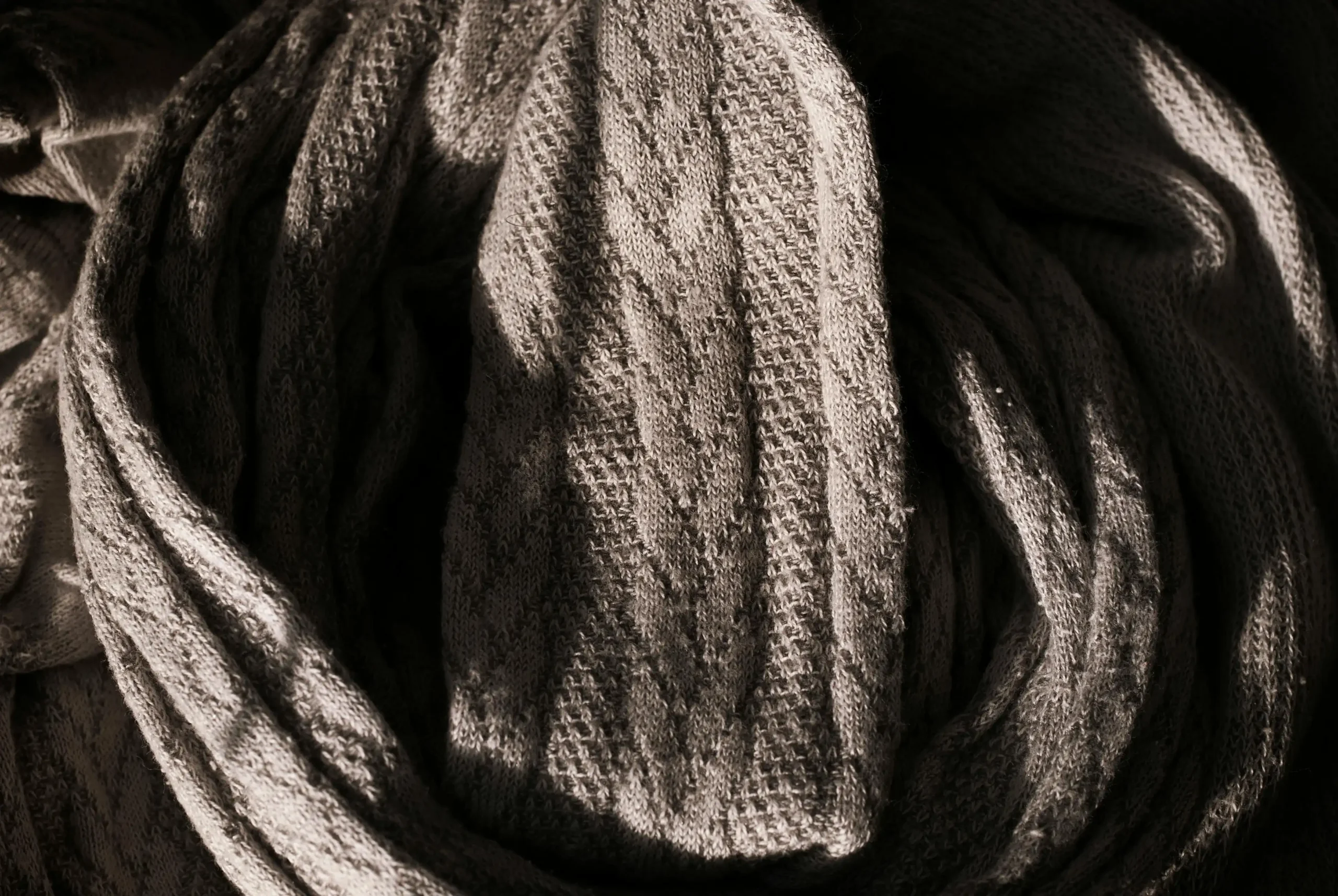
A sustainability claim lives or dies on the certificate scope. Ask for the scope sheet, not the logo. OEKO-TEX Standard 100, for example, certifies at a product-class level, and you can read how the standard works on the OEKO-TEX Standard 100 page. Confirm the certificate covers the specific item code you are buying, that it is in date, and that the certificate number matches the supplier.
Finding a mill that can prove it
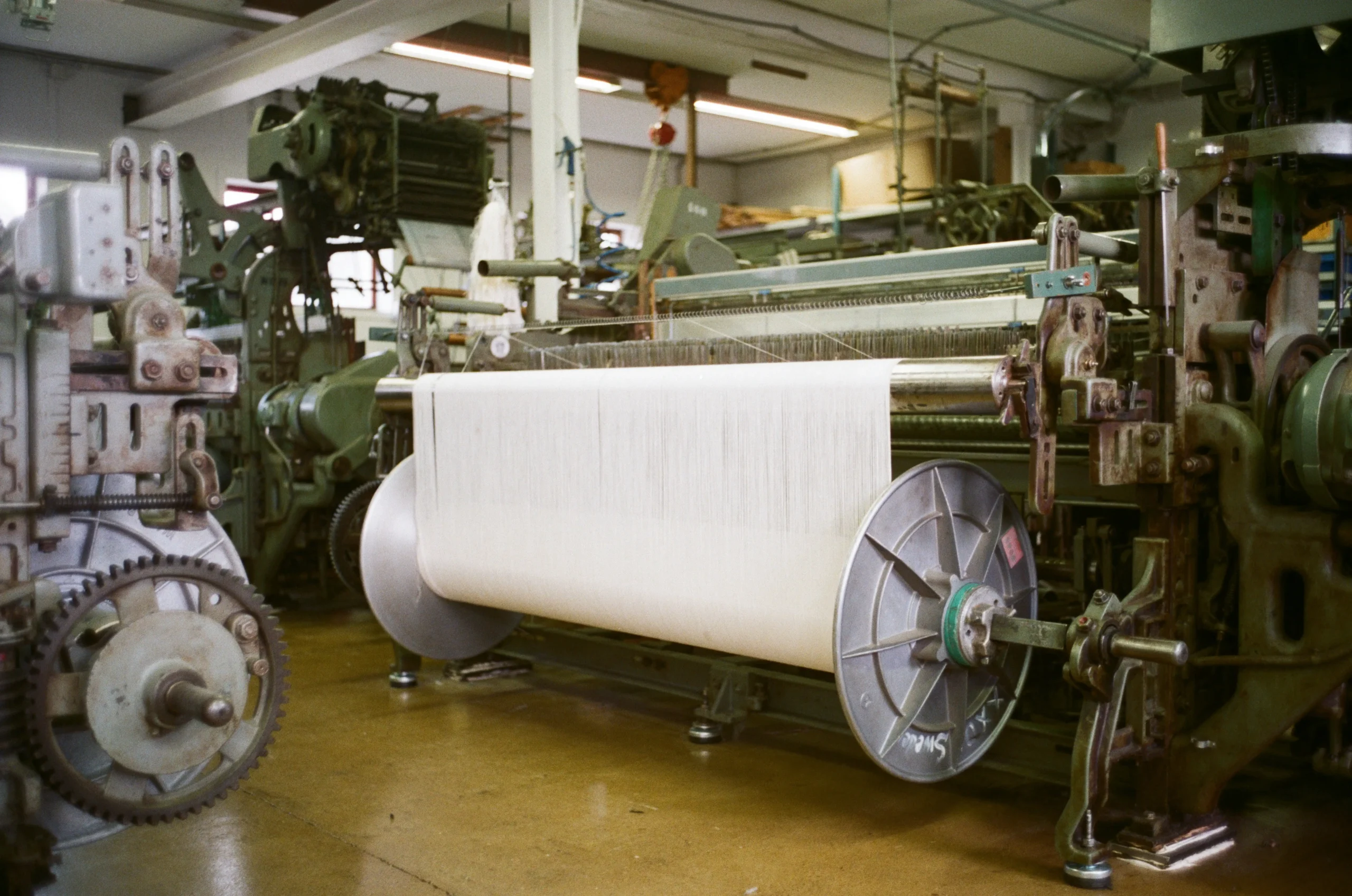
Not every mill can build a verifiable eco line. At a vertically integrated mill the sustainability story is easier to prove because the process runs in one place. Fursone, operating since 2020 with 300+ partner-mill looms in Wenzhou, coordinates GRS for recycled blends and runs batch testing against ISO 12945-2, ISO 105-C06 and ISO 6330, with OEKO-TEX Standard 100 offered where a brand needs it.
Cost and practical guardrails
Sustainable lines cost more, so budget it. From Fursone, knit fabric runs at a custom MOQ of 300 m with 100 m ready stock and 7–10 day sampling. A certified eco line often sits at a higher price point and may carry a higher MOQ. That is the honest trade-off: you pay more per metre to be able to stand behind the claim. Plan the line around that, not around a price target.
Want to build a line you can actually certify? Send Fursone your target standard and recycled-content spec for a scope-sheet-backed sample and quote.
Related reading
Score the mill’s wider routes on the wool fabric manufacturer page and see sampling terms on get a quote.
FAQ
What certifications matter for a sustainable fabric line?
Recycled content usually means the Global Recycled Standard, and safety and health means OEKO-TEX Standard 100. The one you choose determines the documentation a supplier has to provide.
How do I verify a supplier’s eco certificate?
Ask for the scope sheet rather than the logo, confirm the certificate covers the specific item code, that it is in date, and that the certificate number matches the supplier.
Is a sustainable knit line more expensive?
Generally yes. A certified eco line may sit at a higher price and a higher MOQ, so plan the line around the certification cost rather than a price target.
For a closer look, see our guide on how to design a repairable garment.
Related Insights

Fiber Content Labels for Tweed and Knit: Reading Composition Percentages Right
A composition label is a legal document, a marketing claim and a care instruction all...
Fabric Waste in Cutting: How Much Your Collection Throws Away
Every collection throws away fabric twice: once in the cutting room, where markers never fit...

Lyocell Knit Blends: Sourcing, Blend Ratios and Verification for Buyers
Lyocell has moved from a niche fiber to a standard line item on knit buyers’...