

Key Takeaway
Design garments that last by choosing repairable fabric: seam strength, pilling resistance and colour stability. How repairability extends garment life and lowers cost.
Designing for Longer Garment Life: Repairability and Fabric Choice
The most sustainable garment is the one you do not replace. Sustainability is usually framed around materials — recycled yarn, low-impact dyeing — but the single biggest lever is how long a garment stays in use, and that is decided partly at the drawing board. Designing for repairability means choosing fabric and construction that can be mended, and that is a fabric-sourcing decision long before it is a pattern one.
This is where a fabric supplier’s choices matter. Fursone has produced woven and knit fabric in Wenzhou since 2020 and sells boucle and tweed in stocks from 100M with custom runs from 300M, so a designer can pick a fabric that will age into repairs rather than shred on first wash.
What Makes a Garment Repairable
Repairability is partly construction and partly fabric. On the construction side, a garment is repairable when seams are accessible, when there is enough seam allowance to let out or let in, and when buttons and zips are replaceable. On the fabric side, the fabric needs enough strength at the stitch line to survive being resewn, and a surface that does not self-destruct when a needle goes back through it.
Fabric Properties That Support Repair
Three fabric properties matter most. First, resistance to wear at the seam: a tightly woven or stable knit takes a new stitch without tearing. Second, low pilling: a fabric that fuzzes is harder to repair cleanly because pills hide the stitched area. Third, colour and surface stability: a fabric that fades unevenly makes a repair patch obvious, which discourages mending. This is a real argument for testing quality before production rather than discovering it after.
Choosing Fabric for a Repair-Friendly Line
For a line designed to be mended, choose fabric that reads durable from the outset. A mid-weight tweed or a stable boucle holds a stitch better than a floaty, over-twisted knit, and a denser weave hides a repair better. Look for a supplier who can tell you the fabric’s abrasion and pilling behaviour up front, not after you have already cut a thousand metres.
The Full Weave of Sustainability
Repairability sits alongside the material story. A recycled or sustainable tweed that lasts twenty wear-repairs cycles works far harder than a virgin fabric that fails after three washes. When you calculate total cost of ownership, a repairable fabric often wins even at a higher unit price. The U.S. Environmental Protection Agency frames this well: the EPA promotes sustainable materials management and waste prevention, where extending product life ranks above simply choosing a “greener” material.
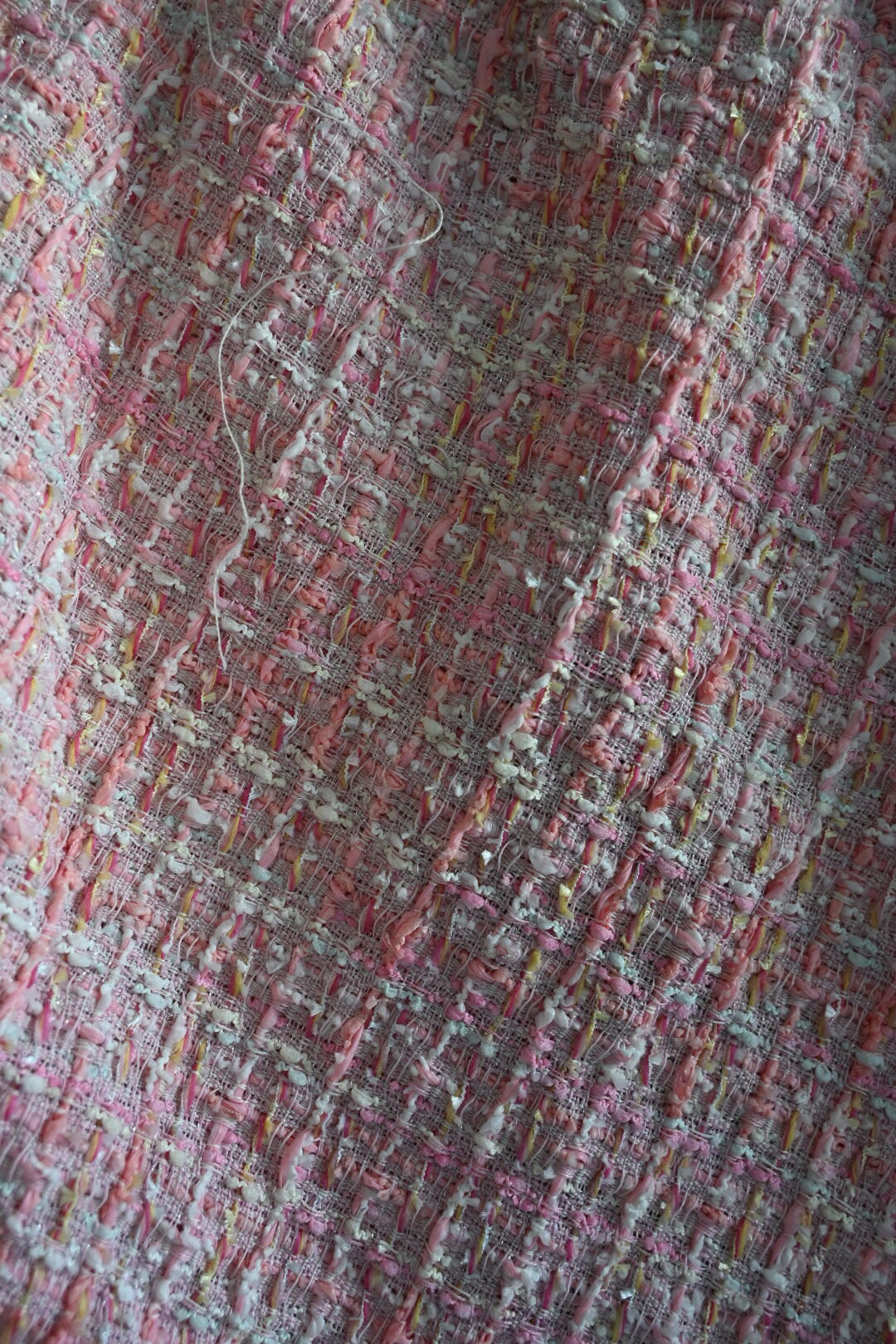
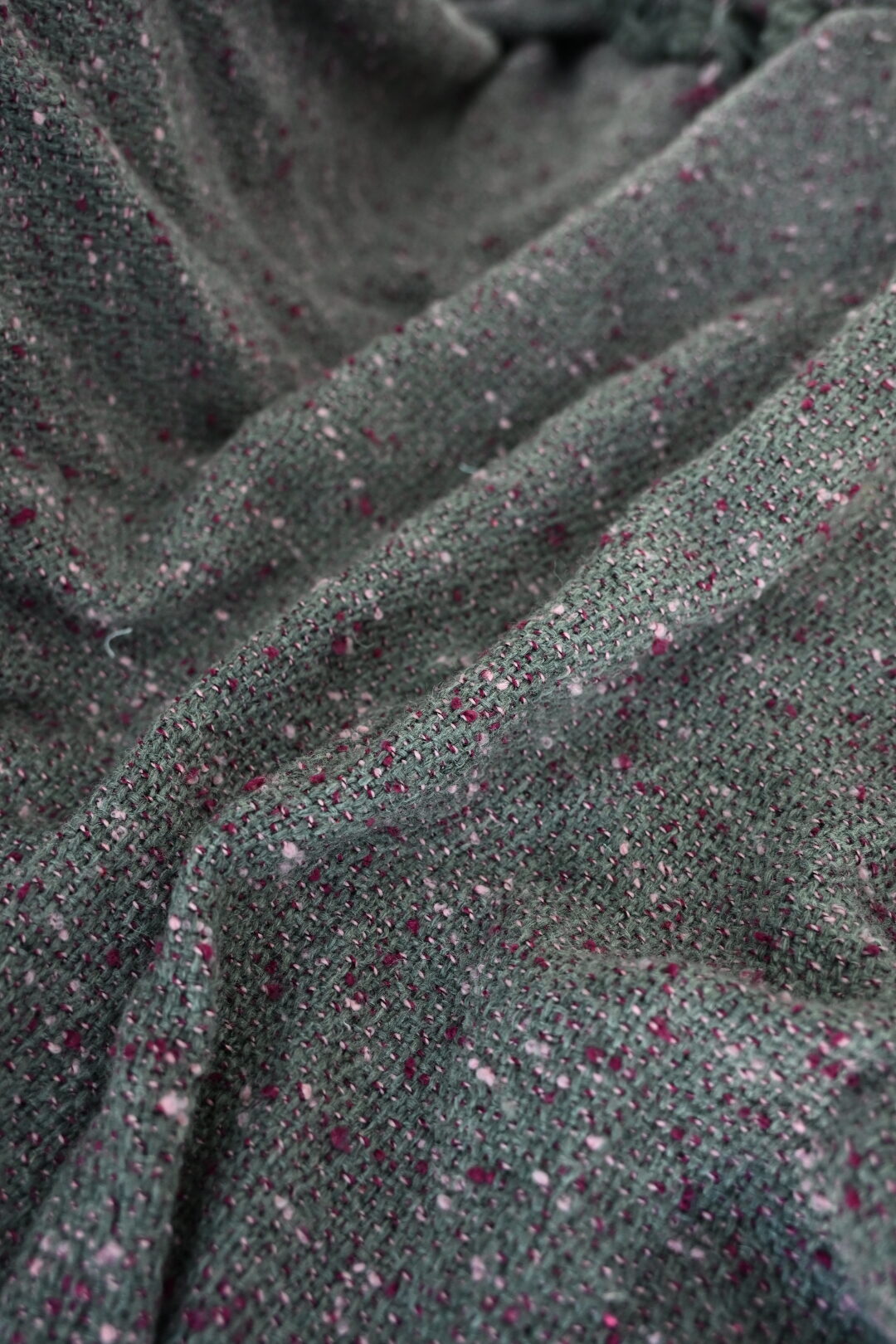

If you are sourcing these fabrics for a collection, start with the chanel-style tweed fabric range and request a sample to match your spec.
See also: sustainable tweed production.
See also: fabric total cost of ownership.
See also: fabric quality inspection.
Common Questions
What fabric is best for a repairable garment?
A stable, mid-weight weave or a densely knit fabric that holds a stitch, resists pilling, and does not fade unevenly is best. Woven tweed and stable boucle take a repair cleaner than a floaty or over-twisted knit. Ask the supplier for the pilling and abrasion data before you commit.
Is a repairable garment more expensive to produce?
Not necessarily in fabric, but it can cost more in construction if you add seam allowance and accessible closures. The fabric itself can be the same price; the saving comes over the garment’s life, since repairs replace replacements.

Related Insights
Same as Sample? Re-Approval When the Original Yarn Lot Is Gone
No mill can honestly promise that bulk will be the same as a sample whose...
Tight Weave or a Finish: Tweed Rain Tests and What the Mill Must Disclose
No single test separates a tightly woven tweed from a finished one, because a dense...
Mill Process Map: What to Ask Before the Order, Not After a Fault
Before the order, the useful question was not whether the mill subcontracts, since many mills...