

Key Takeaway
Fall 2026 runway tweed trends: lighter weights, jewel tones, metallic daywear, texture over pattern, and relaxed silhouettes. What these signals mean for fabric buyers.
The Fall 2026 runway season sent a clear message: tweed is not a heritage fabric stuck in the past. Designers from Paris to Milan to New York showed tweed in unexpected weights, colors, and constructions that push the fabric into contemporary territory. For fabric buyers and brand owners, the runway shows are an early signal of what retail customers will want 12 to 18 months from now. Here is what the Fall 2026 collections told us about where tweed is heading.
Lighter Weights Dominate the Runway
The most consistent trend across multiple shows was a shift toward lighter-weight tweeds. Where traditional tweed sits at 450–600 GSM for outerwear, several designers showed pieces in 280–380 GSM constructions that work as layering pieces rather than coats. This shift reflects the broader market move toward year-round wearability and the demand for fabrics that transition between seasons.
For buyers, this means sampling lighter constructions than you might typically consider. A 320 GSM tweed blazer layers over a knit without bulk and works in both autumn and early spring. The technical challenge is maintaining the tweed’s characteristic texture at lower weights, which requires careful yarn selection and loom tension control.
Color Moves Beyond Heritage Tones
Traditional tweed palettes — heathered greys, forest greens, navy, and brown — appeared on the runway alongside unexpected colors. Several designers showed tweed in saturated jewel tones: deep burgundy, emerald, and a striking cobalt blue. These are not muted, heathered versions but bold, saturated colors achieved through yarn dyeing with high color-fastness standards.

The color direction matters for buyers because it signals that retail customers are ready for tweed beyond the traditional country aesthetic. If your brand has only offered tweed in neutral tones, the Fall 2026 runways suggest it is time to test a saturated colorway. Start with one or two colors in your core construction rather than overhauling the entire range.
Metallic Threads Appear in Daywear
For pricing and sampling, develop custom tweed for your collection from the Fursone team.
Metallic tweed has appeared in evening wear for several seasons, but Fall 2026 marked the first time metallic threads showed up consistently in daywear pieces. Blazers, skirts, and even trousers featured subtle metallic yarns woven into otherwise classic tweed constructions. The effect is not flashy — the metallic yarn is often the same color as the base fabric, creating texture rather than shine.
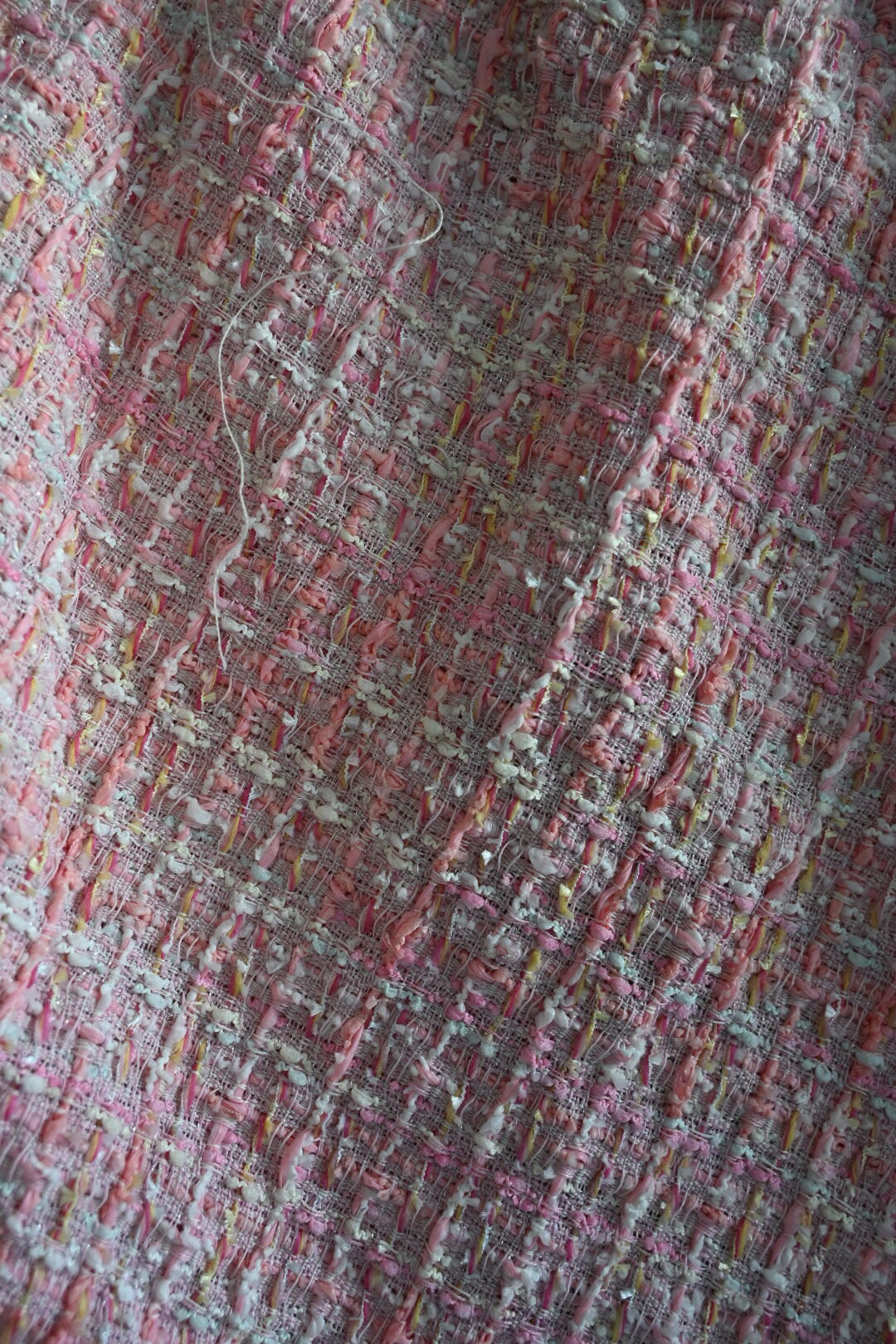
For buyers interested in metallic tweed, the key specification is the yarn type. Lurex yarns give the softest hand and are best for garments worn close to the skin. BoPET films create more visual impact but can feel stiff. Wire-core yarns are the most durable but also the most expensive. Request samples in all three types before committing to a bulk order.
Texture Over Pattern
Several shows emphasized texture over pattern. Instead of the traditional herringbone, houndstooth, and check patterns, designers showed solid-color tweeds where the interest came from the yarn structure: slub yarns, loop yarns, and contrasting warp and weft textures. This direction favors boucle-style constructions where the surface texture is the primary design element.
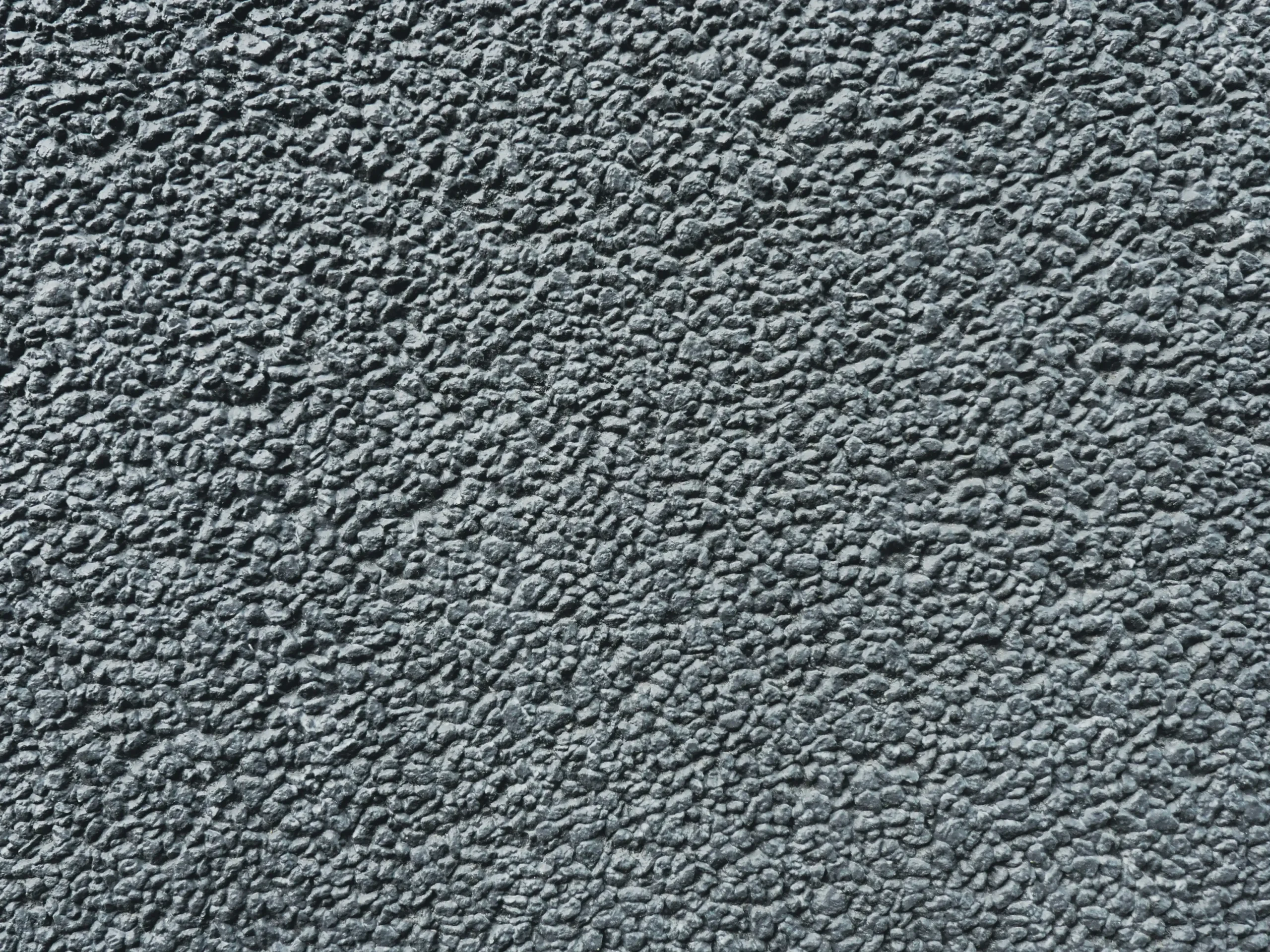
This trend benefits mills with strong boucle capabilities. Boucle fabric, with its distinctive looped surface, fits perfectly into the texture-forward direction. For buyers, it means that a well-made boucle in a contemporary color can compete with traditional patterned tweeds for retail floor space.
Oversized and Relaxed Silhouettes
The silhouette direction also matters for fabric selection. Oversized and relaxed-fit tweed jackets continued from previous seasons, which means buyers need fabric with enough drape to work in unstructured constructions. Stiff, heavily interfaced tweeds designed for structured tailoring are giving way to softer, more fluid constructions.
This favors woolen-spun yarns over worsted-spun, as woolen yarns produce a softer, more pliable fabric. It also means that GSM selection matters: a 350–420 GSM tweed with woolen spinning drapes well in an oversized silhouette while a 500+ GSM worsted tweed would be too rigid.
What This Means for Your Next Buying Season
The Fall 2026 runways suggest five specific actions for fabric buyers. Sample lighter-weight constructions in the 280–380 GSM range. Add one or two saturated colorways alongside your neutral palette. Test metallic yarns in dayweight constructions. Explore boucle and textured surfaces as alternatives to traditional patterns. And consider softer, more drapey constructions for the growing relaxed-fit market.
At Fursone, we have already begun developing fabric directions based on these runway signals. Our design team is sampling 320 GSM tweeds in jewel-tone colorways, metallic daywear constructions, and textured boucles in contemporary colors. Swatches will be available for our wholesale buyers within the next sampling cycle.
For additional technical reference, see the Vogue runway coverage.
Related Articles
Frequently Asked Questions
How far ahead do runway trends affect fabric buying?
Typically 12–18 months from runway to retail. Fall 2026 runway trends translate to fabric buying decisions starting mid-2026 for brands targeting Fall/Winter 2027 retail delivery.
Should I change my entire range based on runway trends?
No. Runway trends signal direction, not immediate replacement. Introduce one or two trend-informed options alongside your core range. Test them with a small production run before committing to full-scale adoption.
What GSM range is trending for tweed?
The Fall 2026 runways favored 280–380 GSM for layering pieces and 350–450 GSM for outerwear. Traditional 500+ GSM heavy tweeds remain relevant for heritage-positioned brands but are losing share in contemporary markets.
On seasonal color direction and how it lands on tweed, the tweed color forecast conversation adds the 2027 angle.

Related Insights
Performance Knits in Luxury Outerwear: The Athluxury Trend
The jacket that sold luxury knitwear for a century met the fabric technologies of sportswear,...
Tweed and Boucle for Spring 2026: Lighter Weights and Softer Palettes
Tweed’s migration out of the winter wardrobe is now a settled pattern: buyers who once...
Building a Fall Capsule Around One Tweed: The Six-Piece Math
Small fashion brands do not lose money on tweed because they picked the wrong color....