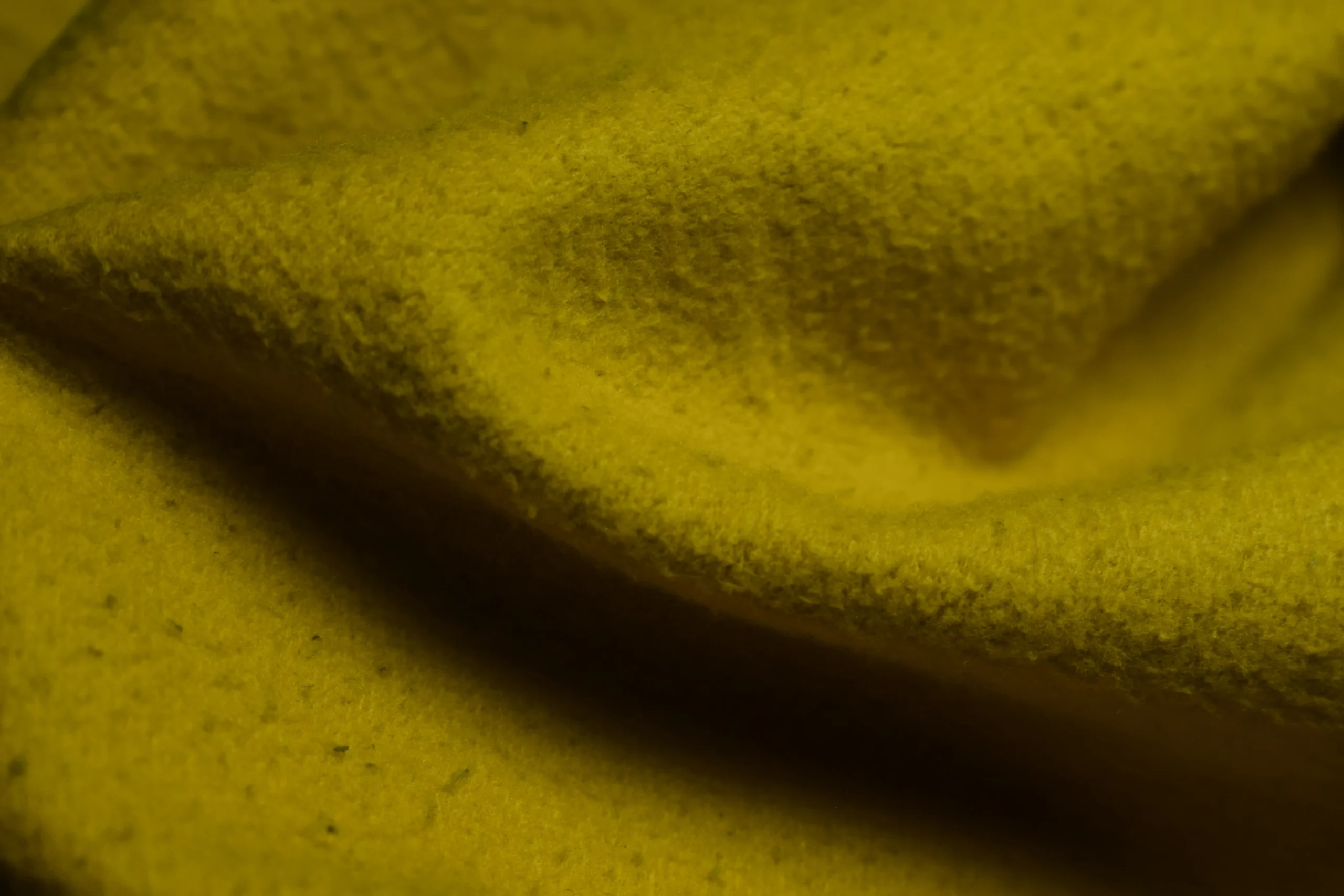
Understanding Custom Bouclé Fabric for Designer Collections
Bouclé fabric, characterized by its looped, nubby texture, has become a cornerstone of high-end fashion collections, particularly in Chanel-style jackets and luxury knitwear. When sourcing custom bouclé for a new line, designers must consider fiber composition, yarn twist, and weave density to achieve the desired drape and durability. A typical custom bouclé blend might combine wool, mohair, and nylon for structure, with polyester or viscose added for sheen and color depth.
Manufacturing custom bouclé begins with selecting the base yarns. For a premium hand feel, wool counts of 2/28 Nm or finer are preferred, while coarser counts of 1/12 Nm create a more pronounced loop effect. The looping yarn itself—often a thicker, slubby thread—is fed through a specialized circular or flat knitting machine. Adjusting the loop length and tension directly alters the fabric’s weight, ranging from 180 gsm for lightweight blazers to 450 gsm for structured outerwear. Color matching is achieved through Pantone or physical swatch reference, with dye lots kept to a strict ΔE ≤ 1.0 tolerance to ensure consistency across production runs.
For a 1000-meter custom order, the typical lead time from yarn procurement to finished fabric is 4 to 6 weeks, including 7 days for rapid sampling. This allows brands to test hand feel and color accuracy before committing to full production. The minimum order quantity (MOQ) of 1000 meters is designed to minimize financial risk while still enabling exclusive texture development—a critical advantage for emerging designers who need differentiation without overstock.
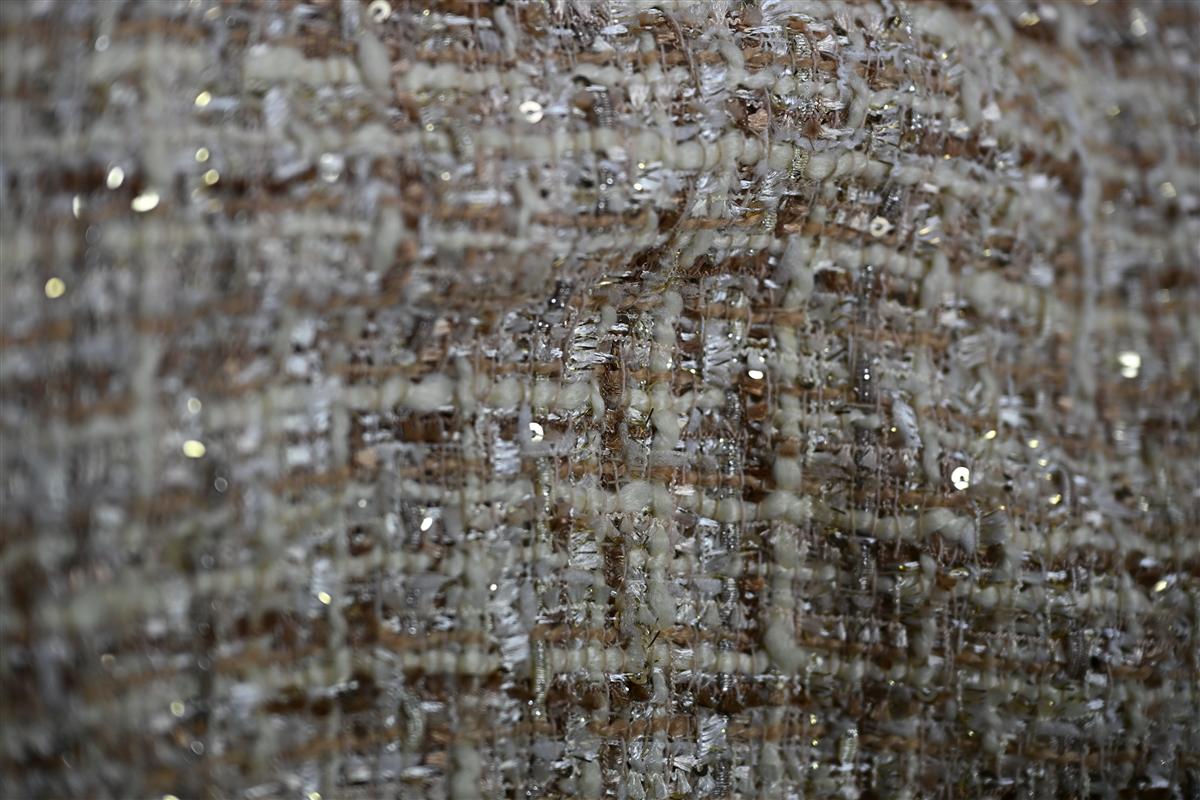
Evaluating Stock vs. Custom Bouclé for Your Timeline
Choosing between ready-stock and custom bouclé depends on collection launch deadlines and design specificity. Stock bouclé fabrics, available in 100-meter rolls, ship within 3 to 7 days and are ideal for capsule collections or immediate sample production. These fabrics are typically produced in standard colorways (e.g., black, cream, navy, and seasonal pastels) with consistent yarn blends that have been pre-tested for shrinkage and pilling resistance.
Custom bouclé, on the other hand, requires a 1000-meter MOQ and offers full control over fiber content, color, and surface texture. For example, a designer seeking a metallic bouclé with Lurex threads or a recycled polyester loop can specify exact yarn specifications. The manufacturing process includes a 7-day rapid sampling phase where a 0.5-meter swatch is produced and shipped for approval. Once approved, bulk production proceeds with a 4-week turnaround, including final inspection for defects per AATCC standards.
For brands with tight production schedules, a hybrid approach works well: order 100 meters of stock bouclé for initial samples while simultaneously developing a custom version for the main collection. This strategy ensures that sample garments are ready for buyer presentations without delaying the custom fabric timeline. Stock fabrics also serve as a reliable backup if custom dye lots require adjustment.
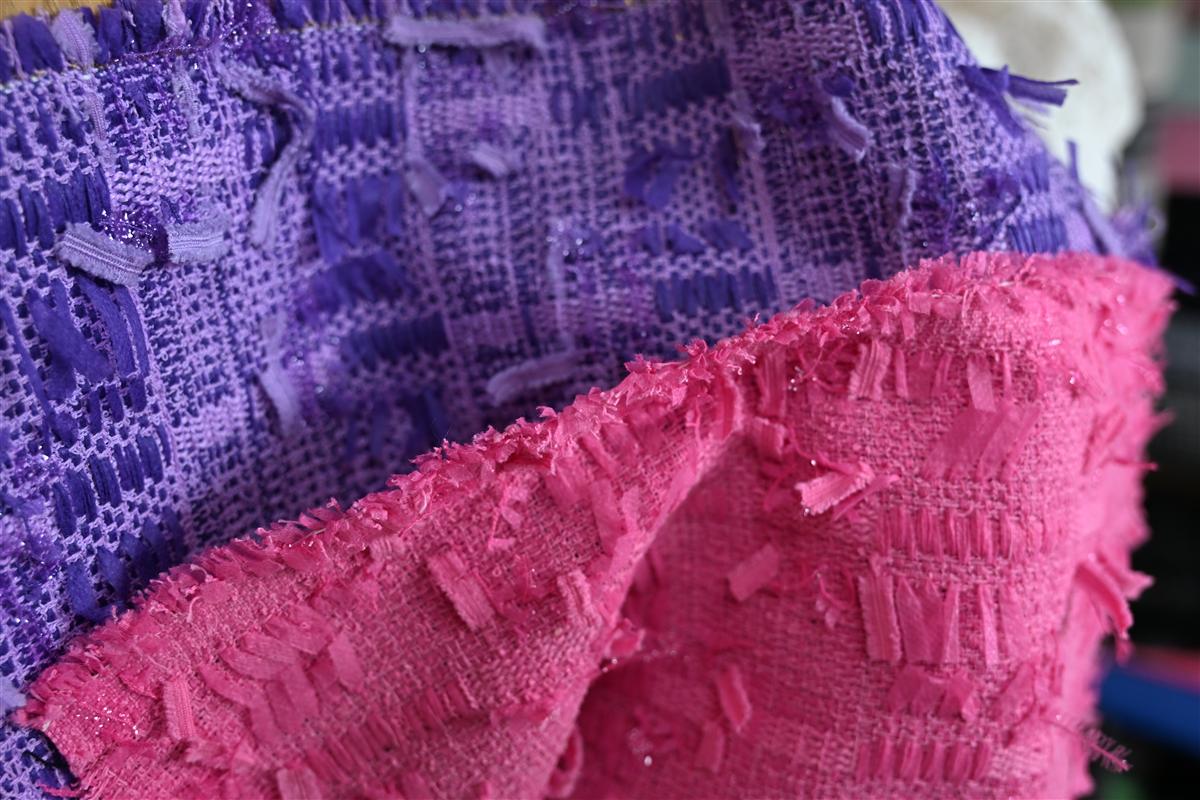
Technical Specifications and Quality Control in Bouclé Manufacturing
Quality control for custom bouclé fabric involves multiple checkpoints from yarn to finished roll. First, incoming yarns are tested for tensile strength and evenness using Uster statistics. A coefficient of variation (CV%) below 12% is standard for premium bouclé. During knitting, loop formation is monitored via high-speed cameras to detect broken loops or uneven tension, which can cause surface defects. After knitting, the fabric undergoes a wet finishing process—scouring, dyeing, and heat-setting—to stabilize dimensions and set the loop structure.
Final inspection includes a 4-point system per ASTM D5430, where defects such as slubs, holes, or color streaks are graded. Acceptable quality level (AQL) is set at 2.5 for major defects and 4.0 for minor defects. Shrinkage testing is performed after three home launderings (40°C, tumble dry low), with acceptable shrinkage limits of ±3% in both warp and weft directions. For bouclé intended for jackets, a Martindale abrasion test of 20,000 cycles minimum is required to ensure durability against wear.
Colorfastness to light (ISO 105-B02) and crocking (ISO 105-X12) are also verified. A lightfastness rating of 4 or higher (on a scale of 1–5) ensures the fabric retains color after prolonged exposure. These technical specifications are documented in a quality report provided with each custom order, giving designers confidence that the fabric meets commercial standards for luxury garments.
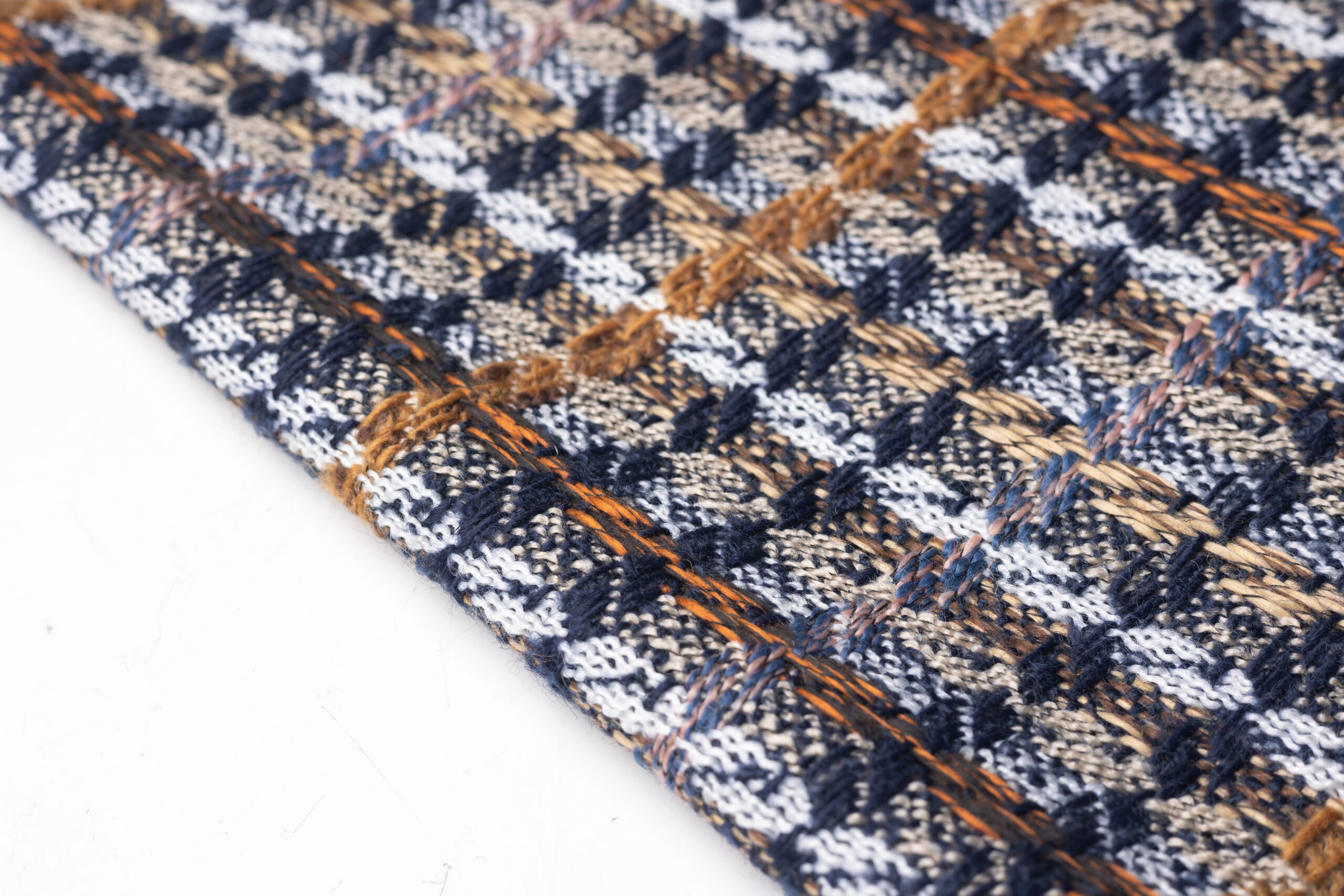
Cost Structure and Value Engineering for Bouclé Orders
The cost of custom bouclé fabric is influenced by fiber selection, yarn count, and finishing complexity. A standard wool-nylon blend bouclé (70% wool, 30% nylon) typically ranges from $18 to $28 per meter for a 1000-meter order, depending on yarn quality and dye method. Adding specialty fibers like silk, cashmere, or metallic threads increases the price by 15–40%. Piece-dyed bouclé is generally more economical than yarn-dyed, though yarn-dyeing allows for more intricate color patterns like tweed effects.
Value engineering opportunities exist in yarn substitution. For example, replacing virgin wool with recycled wool (post-consumer or post-industrial) can reduce cost by 10–15% while maintaining a similar hand feel. Similarly, using a polyester core for the loop yarn instead of nylon can lower material costs without compromising texture. The 1000-meter MOQ itself is a cost-saving measure, as it avoids the premium pricing associated with smaller custom runs (e.g., 500 meters or less).
Shipping and duties add approximately 8–12% to the total landed cost, depending on destination. For buyers in the EU or North America, FOB (Free on Board) pricing from Wenzhou port is standard, with ocean freight taking 20–30 days. Air freight is available for urgent orders at a premium. To optimize total cost, designers can consolidate multiple fabric orders into a single shipment or schedule production to align with off-peak seasons (e.g., avoiding Chinese New Year).
Integrating Custom Bouclé into Collection Planning
Successful integration of custom bouclé into a collection requires alignment between fabric development and garment design timelines. Ideally, fabric sampling begins 12 to 16 weeks before the planned production start. This allows for two rounds of color adjustments and one round of hand-feel refinement. Designers should provide a detailed tech pack including garment sketches, measurement specs, and a clear description of the desired bouclé texture—such as “tight, small loops for a smooth surface” or “large, open loops for a chunky look.”
During the sampling phase, it is advisable to order 2–3 color variations per design to compare how the loop structure interacts with different dyes. Darker colors tend to hide loop irregularities better than pastels, while bright hues may require additional dye baths for saturation. Once the swatch is approved, a 10-meter pre-production sample can be requested to test garment construction—such as seam slippage, buttonhole stability, and pressing behavior. This step prevents costly reworks during bulk production.
For collections featuring multiple bouclé styles, coordinating the yarn base across colors ensures that all fabrics have similar weight and drape, simplifying pattern grading and assembly. A common base—such as a 70/30 wool-nylon blend—can be dyed in 5–8 colors while maintaining identical loop characteristics. This approach reduces sampling time and allows for efficient cutting room operations, as all fabrics behave similarly under the knife.
Conclusion
Ordering custom bouclé fabric for a collection involves a structured process from yarn selection to final quality inspection. By leveraging a 1000-meter MOQ, designers can develop exclusive textures with lower financial risk, while 100-meter stock options provide speed for immediate needs. Technical specifications—including fiber testing, loop stability, and colorfastness—ensure the fabric performs in commercial garments. With a 7-day rapid sampling cycle and 4-week production lead time, custom bouclé can be seamlessly integrated into seasonal planning. The combination of premium European mill quality at 30–50% lower cost makes this sourcing model attractive for brands seeking both artisan aesthetics and supply chain efficiency.
Frequently Asked Questions
What is the minimum order quantity for custom bouclé fabric?
The standard minimum order quantity for custom bouclé is 1000 meters per color and design. This MOQ allows for exclusive texture development while minimizing inventory risk. Smaller quantities may be available for sample swatches or pre-production runs.
How long does it take to receive a custom bouclé sample?
A custom bouclé sample is produced and shipped within 7 days from the time the yarn specifications and color references are approved. The sample is typically 0.5 meters in length and includes the exact yarn blend and loop structure requested.
Can custom bouclé be made with sustainable or recycled fibers?
Yes, custom bouclé can be manufactured using recycled wool, recycled polyester, or organic cotton. These fibers are available as drop-in replacements for conventional materials, and they maintain similar performance characteristics when properly engineered. Cost savings of 10–15% are possible with recycled content.
What testing is performed on custom bouclé before shipment?
Each custom order undergoes shrinkage testing (after three washes), Martindale abrasion testing (20,000 cycles minimum), colorfastness to light (ISO 105-B02, rating 4+), and crocking tests. A 4-point inspection system per ASTM D5430 is used to grade defects, with an AQL of 2.5 for major issues.
How does the cost of custom bouclé compare to stock bouclé?
Custom bouclé typically costs $18–$28 per meter for a 1000-meter order, depending on fiber content and finishing. Stock bouclé is priced lower per meter due to larger production runs, but custom fabrics offer exclusive textures and colors that justify the premium. Both options provide 30–50% cost savings compared to equivalent European mill products.