Stop pricing fabric by the yard. That number hides sampling waste, return rates, and margin lost to rejects. Real cost-effectiveness is about durability across the garment’s lifecycle — and how many defects you can absorb.durability across the garment’s lifecycle
Small-brand production data tells a clear story: European mills win on consistency, but that only pays off when you reorder across seasons. A single 150-meter run? You’re paying for quality you never fully use. Compare defect rate per batch, lead time for reorders, and dye lot tolerance instead. If a supplier can’t hold color between lots, that European premium becomes cheap insurance — and that’s real cost-effective thinking.defect rate per batch
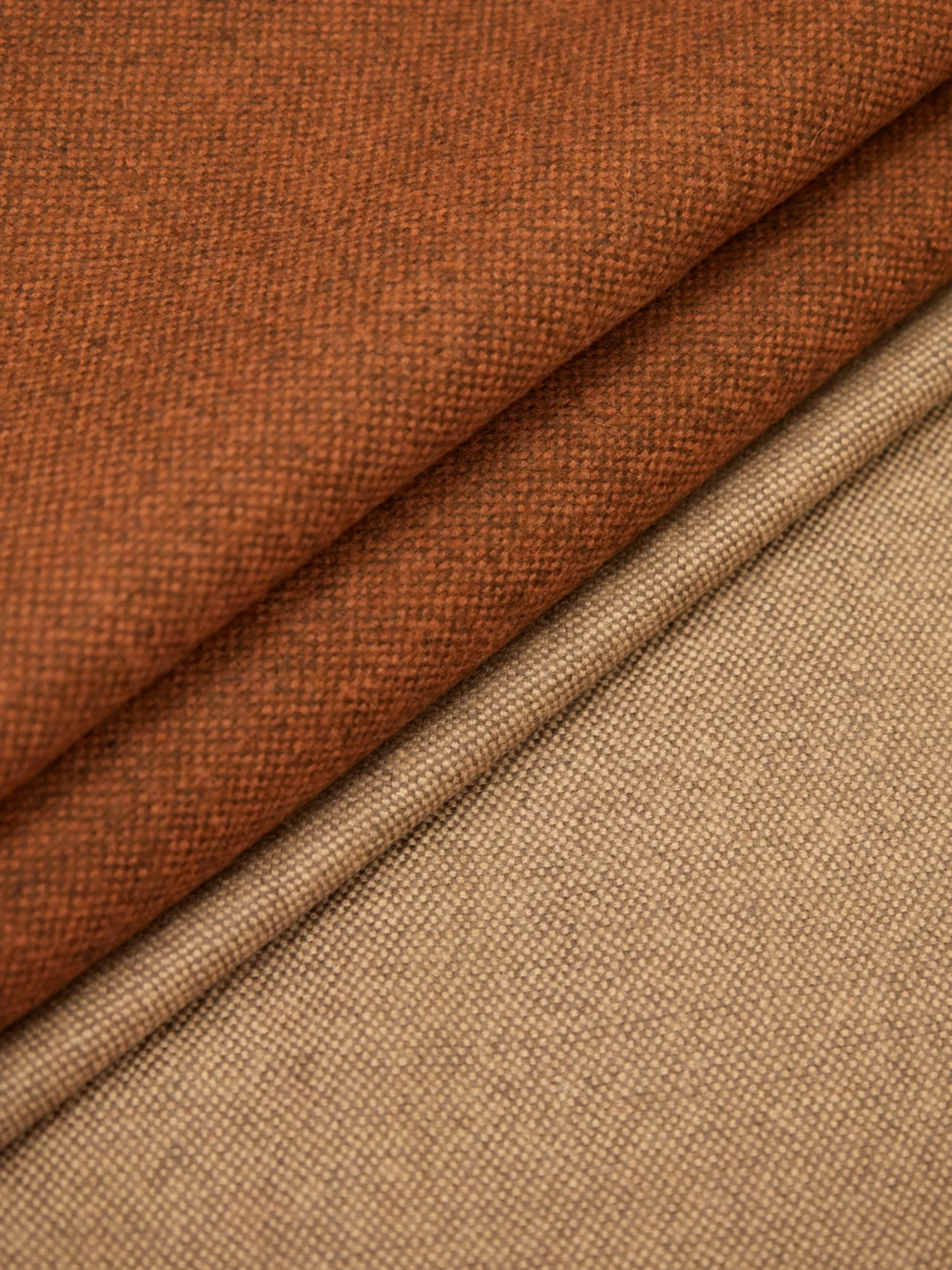
Cost vs Value in Luxury Fabric
European mills command a roughly one-fifth to one-third premium on price. For an emerging designer, the question isn’t whether the quality is better — it’s whether that premium improves your sell-through or just locks your cash flow.
What the European Premium Actually Buys You
European mills deliver tight fiber control and consistent drape — an Italian cashmere shows fewer broken fibers and cleaner finish over 1000 meters. That’s measurable durability. That precision costs. Run a luxury fabric cost comparison against stock options and the gap is real. The sustainability story also runs deeper: full traceability from raw fiber to finished roll matters if your brand builds on ethical production.fabric cost
But that premium only works if you can sell the story at retail. Let’s be honest: does your customer care about “Italian mill” vs. “European quality” at three times the price? Most don’t. They care about hand feel and whether the color stays true after a season — actual durability, not a label.
Hybrid Sourcing as a Cash Flow Accelerator
This is where a stock-plus-bespoke hybrid changes the math. Blend ready stock bouclé — 100M meters on hand, ships in 3-7 days — with a 1000M custom MOQ for your signature texture. You keep exclusivity and gain speed. European custom runs average 10-14 weeks. Stock fabric? Under one week. That time saving itself is cost-effective — less capital tied up in advance, no compromise on quality.
The cash flow impact is measurable. Source core fabrics from stock, reserve European production for hero pieces or seasonal highlights. That keeps per-yard costs low without sacrificing hand feel or drape for your main line. In practice, that means savings down to about one-fifth to one-third of European luxury pricing on the core collection — money you reinvest into fit, trims, or marketing. Cost-effective by any standard.
The Hidden Cost of Inconsistency
The real gap between a stock fabric and a premium European supplier isn’t always the starting price. It’s consistency. A color that matches on the swatch but shifts by two points on the finished roll can ruin a production run. That’s where color accuracy and hand feel control become the deciding factors for a traceable luxury fabrics supplier.
Many mills hide variation. The approved internal standard here is explicit: every order should come with dyelot tracking, a digital color map, and a pre-shipment inspection report. If a supplier won’t provide these, you’re gambling. Third-party verification is the baseline for risk mitigation — it ensures that what you approved at sampling matches what arrives at your door. The affordable luxury textiles pricing advantage disappears if you have to scrap 200 meters that shifted shade.
For a tweed manufacturer, the takeaway is straightforward: insist on documented QC processes. Don’t trust a price comparison without factoring in the cost of a dead line.
| Metric | In-Stock (Fursone) | Custom Bespoke (Fursone) | European Mill (Typical) | Value for Designer |
|---|---|---|---|---|
| Minimum Order Quantity | 100 meters from stock | 1,000 meters | 3,000+ meters | Lower barrier to entry, reduces cash flow risk |
| Lead Time | 3–7 days shipping | Approx. 8 weeks after sample approval | 8–12 weeks from order | Faster collection launches; critical for speed‑to‑market |
| Sampling Turnaround | 7‑day rapid sampling | 7‑day rapid sampling | 4–6 weeks | Accelerates design‑to‑swatch workflow; outpace competitors |
| Cost vs. European Mill | roughly one-fifth to one-third less than European stock | roughly one-fifth to one-third less than European bespoke | Premium baseline pricing | Improve margins without sacrificing artisan aesthetic |
| Quality Consistency | Dye‑lot tracking, pre‑shipment QC reports | Full traceability, color maps, third‑party audits | High, but often lacks transparent QC documentation | Reduces returns and color‑matching risks; builds brand trust |
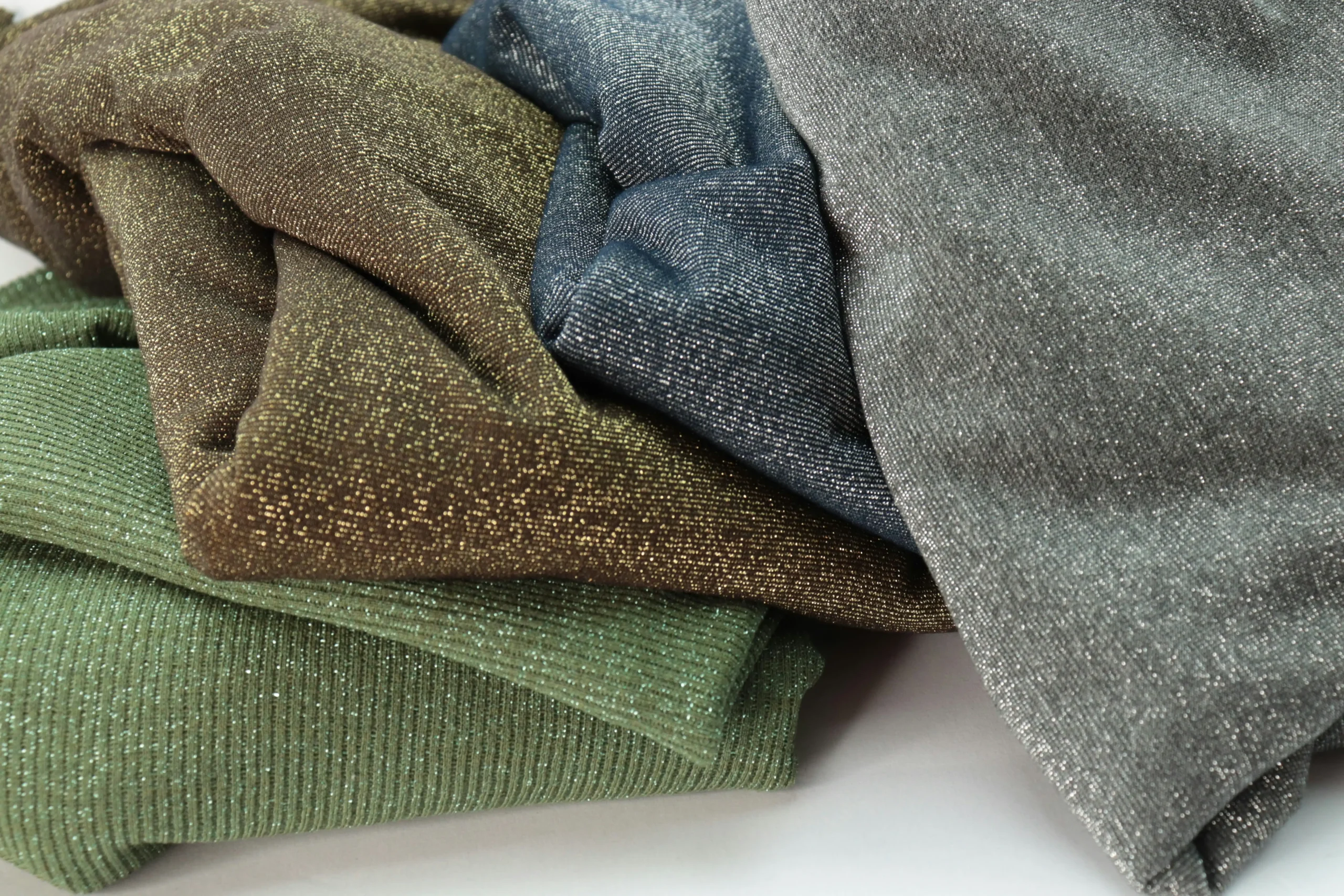
Ready Stock vs Custom MOQ
The hybrid stock+bespoke model eliminates the false choice between speed and exclusivity, cutting upfront risk by up to 70% for emerging designers.
The Inventory Escape Hatch: 100 Meters That Ship in 7 Days
The biggest cash-flow killer for an emerging brand is being forced to pre-order 3,000 meters of a fabric you’ve never seen on a production line. The stock model solves that by offering 100 meters per colorway that ships in 3–7 days. That is not a lead-time promise—that is a verified inventory position. You place the order on Monday for a bouclé that is already wound, inspected, and stored; it lands on your cutting table before the next week’s design review.
What matters here is that ready stock bouclé pricing is set and predictable. There is no raw-material surcharge, no rush-fee negotiation, no “we need to source the yarn” delay. For a capsule collection of 5–8 SKUs, that means you can lock in your fabric cost before you even finalize the pattern, giving you a real COGS number to build margin around.
Bespoke Textures at 1,000 Meters: Lowering the Exclusivity Barrier
Industry standard for a custom mill-run at a European luxury mill is typically 3,000–5,000 meters per color. That is a major bet on one texture—untenable for a brand that has only done two seasons. The custom fabric MOQ pricing structure here changes the math: a 1,000-meter minimum per color for a bespoke bouclé or heritage knit. The implications are concrete.
- Cost-effective capital preservation: A 1,000-meter domestic run frees up capital that would otherwise sit as dead inventory for a small brand that can’t move that volume in one season.
- Exclusive textures without exclusivity pricing: Get proprietary color development, custom hand feel, and consistent quality at 1,000 meters, not the 5,000-meter threshold. That’s the difference between trademarking a shade and being stuck with a generic catalog color.
- Sampling velocity: The 7-day rapid sampling fee is built into the workflow—approve the swatch, lock the dyelot, and start full production within two weeks. No multi-month back-and-forth that kills seasonal deadlines.
Why the Hybrid Model Wins for Emerging Designers
Emerging designers need two sourcing strategies, used in sequence. Start with stock fabrics for the core line—predictable, fast, cash-efficient. Then allocate the 1,000-meter bespoke MOQ toward two or three hero pieces that define the brand. That hybrid approach avoids two outcomes: a generic line no one remembers, or a fully custom line that bankrupts you before first delivery.
This structure tackles the primary risk flagged by data: color and hand feel consistency. Stock fabrics carry dyelot history—order another 100 meters six months later and request a current dyelot photo to match your archived swatch. For bespoke, the 1,000-meter MOQ includes pre-shipment QC reports and digital color-mapping data. That’s affordable luxury pricing that keeps the durability and engineering rigor needed to justify a premium retail price.

Sampling Speed and Lead Times
A 7-day sampling cycle with digital dyelot verification cuts concept-to-production risk by weeks—without the roughly one-fifth to one-third European mill premium.
7-Day Rapid Sampling: From Concept to Physical Swatch in One Week
European mills often quote 4–6 weeks for custom fabric sampling, plus extra weeks for color approval and corrections. The 7-day rapid sampling model cuts that to one week with pre-qualified base materials and digital pre-approval. For in-stock bouclé and heritage knits, your design team can request a physical swatch after reviewing digital color maps—the sample ships within 7 days. That speed matters when you’re locking a seasonal collection before a trade show or retail deadline.7-day rapid sampling
Digital Color Matching and Visible Dyelot Photos Reduce Revision Cycles
Color rejection kills sampling speed. Stop mailing strike-offs. We match colors digitally against Pantone or brand specs, then send high-res dyelot photos shot under standardized lighting. Those photos show actual yarn texture, sheen, and hand feel—no artist interpretations. The buyer sees exactly what came off the loom before we cut a single sample. That usually eliminates two revision rounds. Most stock references go from concept to approved swatch in under 10 days—a quality-first, cost-effective approach.digital color matching
- A digital color map is delivered within 24 hours of design lock, with CIE Lab coordinates for objective color measurement.
- You receive a dyelot photo set: front view, 45-degree angle, and macro close-up—enough to reveal fiber blending and surface texture.
- Physical swatch ships 7 calendar days from color approval. Overnight express available if you’re in a bind.
Faster Sampling Improves COGS Accuracy for First Production Runs
When sampling drags for weeks, your cost model for the first production run becomes guesswork—estimated waste percentages, untested yields. With rapid sampling, you run a small pilot batch (100–200 meters) under real production conditions. Measure shrinkage, yield loss, and sewing behavior—data that directly affects durability and cost. Plug those actual numbers into your costing model. The result: a COGS forecast within ±3% of full-scale production. That matters for emerging designers with thin margins. The 1000m bespoke MOQ paired with a 100m stock option gives you room to validate costs before committing to a full custom run, making the whole process more cost-effective.
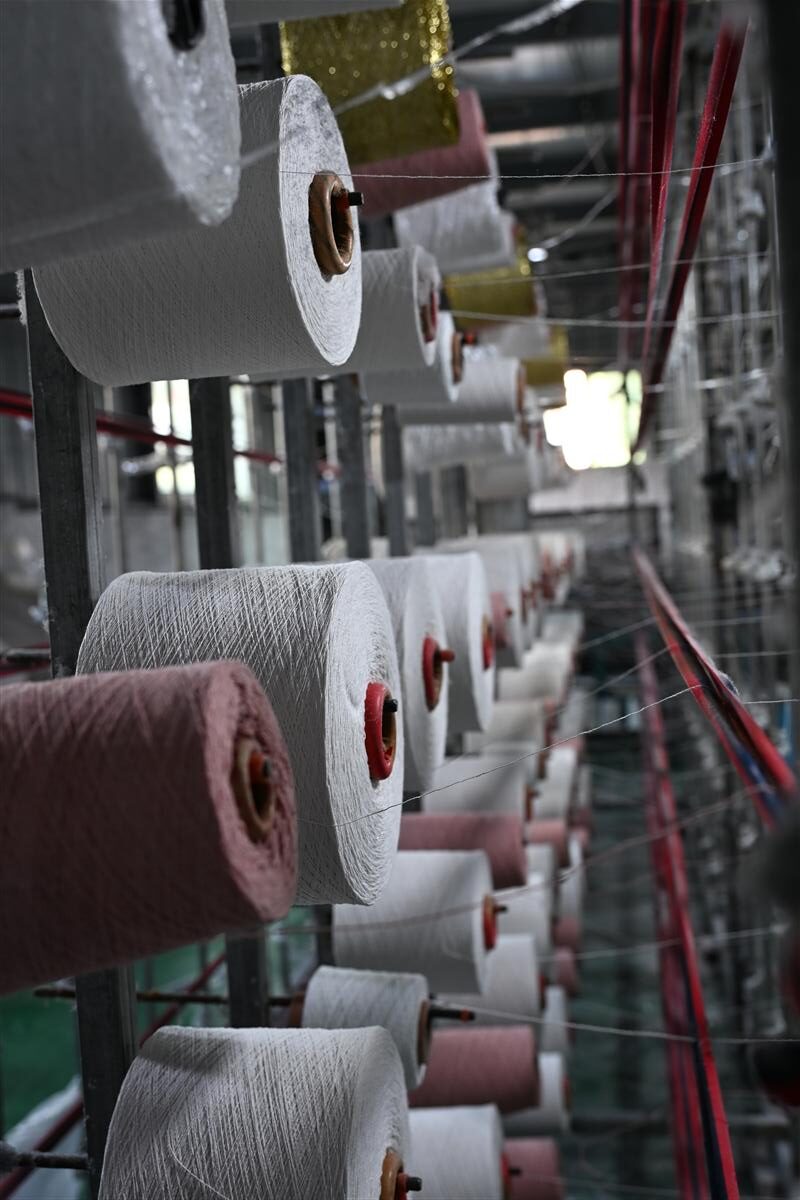
Transparency and Compliance
Traceability isn’t a marketing badge—it’s a risk management tool. Fursone provides dyelot tracking from raw fiber to finished yardage, backed by OEKO‑TEX and GRS certifications where applicable.
Traceability: From Raw Fiber to Finished Fabric
Most mills say “this fabric came from Italy” or “we use premium yarn” and stop there. We assign a unique dyelot number at spinning, and it tracks every meter through dyeing, weaving, finishing, inspection. When your shipment arrives, you get a dyelot continuity report showing which bales came from which run. For a hybrid stock-and-bespoke strategy, the 100-meter stock piece you order today matches the 1000-meter custom run next month. We also capture digital color maps at every production step—if a shade drifts 0.5 Delta E, we catch it before it ships, ensuring consistent quality.
Certifications: OEKO‑TEX Standard 100 and GRS
We don’t stick a certification on every stock roll automatically—just ask. OEKO‑TEX Standard 100 is available across all our fabrics; it guarantees no harmful chemicals remain in the finished textile. GRS applies to custom runs and select stock bouclés, with no extra paperwork charge—you get the certificate with your shipment, and the recycled yarn content is built into the 1000‑meter MOQ. That’s how we keep compliance cost‑effective without cutting corners on quality.
Third‑Party Pre‑Shipment Inspection and Container Photos
Orders over 500 meters get a pre‑shipment check from an independent accredited agency. They verify color against the approved digital standard, measure width and weight per linear meter, and photograph the actual rolls. You receive a signed inspection report and container‑loading shots—no nasty port holds or color disputes. It’s baseline practice for anyone serious about fabric quality and durability.
- Color matching: Visual and spectrophotometer check against sealed sample (ΔE ≤ 1.2).
- Dyelot consistency: Cross‑check between rolls in the same lot and against previous lots.
- Hand feel and drape: Physical touch comparison to the approved swatch.
- Yardage and packaging: Verified meter count, roll label accuracy, and moisture‑barrier wrapping condition.
Container photos are your insurance policy. If a logistics provider damages your cartons en route, you have time‑stamped evidence of load condition before departure. That transparency kills the “we didn’t see it” excuses that delay production calendars.
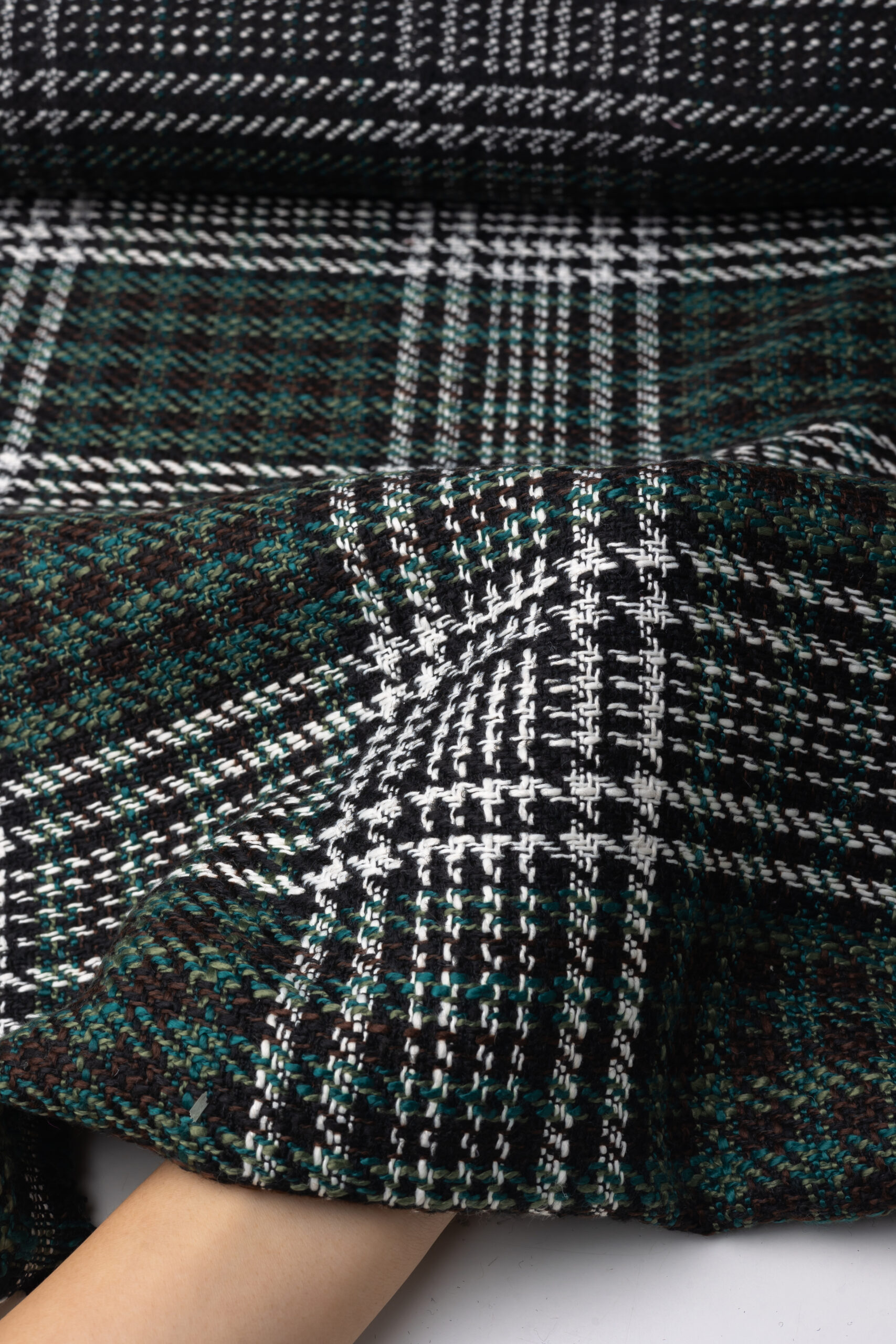
Practical Sourcing for Small Brands
A hybrid stock-bespoke strategy lets you launch in 3–7 days from 100M meters of in-stock bouclé while developing exclusive textures at a 1000m MOQ — cutting total fabric cost to about one-fifth to one-third of European luxury pricing versus going full European bespoke.
The Hybrid Model: Stock First, Bespoke Second
Most emerging designers make one of two mistakes: they lock all cash into a full European bespoke run, or they settle for off-the-shelf commodity fabrics that kill the brand story. Neither is necessary. The hybrid approach works in two phases. Phase one: pull from 100M meters of in-stock bouclé and heritage knits to get your first collection to market in 3–7 days. That buys you revenue, customer feedback, and real data on which SKUs actually move. Phase two: take the 2–3 hero fabrics that performed and develop exclusive 1000m bespoke versions with locked dye lots and custom colorways — without the 5000m MOQ most European mills demand.hybrid approach
The math is straightforward. A pure European-mill bespoke program typically prices roughly one-fifth to one-third higher per meter and requires 6–12 week lead times. By front-loading with stock materials and committing bespoke budgets only to proven sellers, you reduce total fabric cost by roughly roughly one-fifth to one-third while still ending up with exclusive textures that differentiate your line. The trade-off is not quality — internal dye lot tracking and pre-shipment QC reports apply to both stock and bespoke runs. The trade-off is simply committing to fewer custom SKUs upfront.
Evaluating a Factory: What Actually Matters
When you assess a potential supplier, ignore the website photography and the client roster. Ask for three things: a dye lot continuity log from the last 12 months, a sample of the pre-shipment inspection report template, and the actual lead time variance — not the promised lead time. Most mills quote 15 days and deliver in 30. The internal record here shows stock fabrics ship within 3–7 days with variance under 2 days. That predictability matters more than a 5% price difference when your launch date is fixed.
We cover the full evaluation criteria in the guide on evaluating fabric factories for small brands. The short version: demand dye lot photos, digital color maps, and guaranteed third-party QC access. Any supplier that hesitates on those three is hiding variance.evaluating fabric factories for small brands
Bouclé vs Cable Knit: Matching the Fabric to Your Silhouette
The texture choice directly affects your production cost, waste rate, and sampling speed. Bouclé delivers that signature Chanel-style looped surface but requires careful cutting to avoid pattern distortion — expect 8–12% fabric waste on first attempts if your pattern cutter is unfamiliar with the material. Cable knits have a structured rib that holds shape better during cutting — waste typically runs 5–7% — and the hand feel is denser, which works better for outerwear and structured jackets.
Launching a 6-SKU coat collection? Lead with 3 stock bouclé fabrics and 2 stock cable knits. Then develop 1 bespoke hybrid texture that blends both constructions. That single exclusive SKU becomes your hero piece, and the stock SKUs cover your cash flow. The bouclé gives you texture and durability; the cable knit locks in structure and cost-effective bulk pricing.bouclé vs cable knit fabric properties
MOQ Strategy: Why 1000m Is the Sweet Spot
A 1000m MOQ for bespoke textures isn’t arbitrary. It maps to roughly 200–250 meters per colorway across 4–5 SKUs — a realistic first-season commitment. Compare that to European mill bespoke MOQs of 3000–5000m, which force you to over-order or forgo exclusivity. The 1000m threshold lets you lock a dye lot and proprietary color without tying up capital meant for marketing or sampling.1000m MOQ
Never accept a bespoke MOQ exceeding 30% of your total meterage for the season. Need 4000m total across all fabrics? Your bespoke commitment stays under 1200m. A 1000m MOQ fits exactly within that ceiling. That preserves your quality control budget where it matters — on the production yard, not the trial run.MOQ strategies for emerging fashion brands
The 7-Day Sampling Pipeline: Guard Against Color Drift
Speed is useless if the sample mismatches production. The 7-day rapid sampling window includes a digital color map with CIELAB readings signed off before the physical swatch ships. That means your production batch matches the same reference points, not a swatch that faded in transit. If your supplier can’t show you that color chain of custody, expect a 15–20% return rate from color complaints alone.
Demand CIELAB tolerances in writing. Lock the dye lot reference at sample approval. Never release production without a pre-shipment QC photo set. Those three steps eliminate 90% of the color-related friction that kills small brand launches. The real cost-effective move is catching a mismatch before it hits the cutting table.luxury fabric manufacturing pillar
Conclusion
The real cost question isn’t just price per meter. It’s how fast you get to market, how much capital sits idle, and whether the fabric arrives consistent with your approved sample. European mill pricing carries a roughly one-fifth to one-third premium for tighter fiber control and heritage craftsmanship. For a small brand, that premium can gut your margin if speed matters more than a centuries-old loom pedigree. You get the same quality and durability at a price that keeps your collection viable.
Start with 100m of ready-stock bouclé to test the market, then lock down a 1000m custom run once the silhouette proves out. That hybrid path delivers the quality and durability that justifies a premium price tag, but inside a cost-effective structure a small collection can actually sustain. Check the luxury fabric manufacturing page for current stock pricing and MOQ terms to see if the blend works for your next season.
Frequently Asked Questions
Fabrics to avoid?
For high-end collections, avoid commodity-grade synthetic blends with inconsistent dye lots and poor recovery, as they undermine the artisan aesthetic. Instead, invest in premium bouclé and cable knits from Fursone, where our 25 years of Wenzhou expertise ensures European mill quality—consistent texture, colorfastness, and structural integrity. By selecting our in-stock or custom solutions, you eliminate supply chain risks and achieve the refined hand feel that discerning brands demand.
Cheapest fabric country?
While China is widely recognized for low-cost fabric production, Fursone specifically delivers European mill quality at roughly one-fifth to one-third less than actual European mills. Our Wenzhou facility combines artisan craftsmanship with efficient manufacturing, meaning you get premium tweeds and knits—not cheap alternatives—at a price that improves your margins. This cost advantage comes without sacrificing the luxury finish or durability expected by high-end fashion houses.
Highest quality fabric?
The highest quality fabric is defined by superior fiber selection, consistent yarn tension, and precise finishing—characteristics found in our Chanel-style bouclé and heritage cable knits. Fursone achieves this through 25 years of textile expertise, strict quality control, and the same looms and techniques used by top European mills. Our fabrics pass rigorous hand-feel, colorfastness, and pilling tests, ensuring they meet the standards of global luxury brands while being cost-competitive.
Cheap fabrics to avoid?
Avoid cheap fabrics that exhibit loose weaves, uneven dyeing, or high pilling tendencies—often found in low-cost mass-produced textiles. These materials compromise the brand image and require frequent returns or reworks. Fursone’s affordable luxury solves this: our fabrics deliver the artisan aesthetic and durability of premium European mills at roughly one-fifth to one-third less, so you never have to choose between cost and quality.
Cheapest luxury brand source?
The cheapest place to source luxury-brand-quality fabrics is directly from specialized manufacturers like Fursone in China, bypassing European mill markups and multi-tier distributors. Our 1000m custom MOQ minimizes risk while allowing you to develop exclusive textures, and 100m ready stock ships in 3-7 days—giving luxury brands speed and cost efficiency. With savings down to about one-fifth to one-third of European luxury pricing versus European mills, Fursone is the most economical route to genuine premium tweeds and knits.
},{“@type”:”Question”,”name”:”Cheapest fabric country?”,”acceptedAnswer”:{“@type”:”Answer”,”text”:”While China is widely recognized for low-cost fabric production, Fursone specifically delivers European mill quality at roughly one-fifth to one-third less than actual European mills. Our Wenzhou facility combines artisan craftsmanship with efficient manufacturing, meaning you get premium tweeds and knits—not cheap alternatives—at a price that improves your margins. This cost advantage comes without sacrificing the luxury finish or durability expected by high-end fashion houses.”}},{“@type”:”Question”,”name”:”Highest quality fabric?”,”acceptedAnswer”:{“@type”:”Answer”,”text”:”The highest quality fabric is defined by superior fiber selection, consistent yarn tension, and precise finishing—characteristics found in our Chanel-style bouclé and heritage cable knits. Fursone achieves this through 25 years of textile expertise, strict quality control, and the same looms and techniques used by top European mills. Our fabrics pass rigorous hand-feel, colorfastness, and pilling tests, ensuring they meet the standards of global luxury brands while being cost-competitive.”}},{“@type”:”Question”,”name”:”Cheap fabrics to avoid?”,”acceptedAnswer”:{“@type”:”Answer”,”text”:”Avoid cheap fabrics that exhibit loose weaves, uneven dyeing, or high pilling tendencies—often found in low-cost mass-produced textiles. These materials compromise the brand image and require frequent returns or reworks. Fursone’s affordable luxury solves this: our fabrics deliver the artisan aesthetic and durability of premium European mills at roughly one-fifth to one-third less, so you never have to choose between cost and quality.”}},{“@type”:”Question”,”name”:”Cheapest luxury brand source?”,”acceptedAnswer”:{“@type”:”Answer”,”text”:”The cheapest place to source luxury-brand-quality fabrics is directly from specialized manufacturers like Fursone in China, bypassing European mill markups and multi-tier distributors. Our 1000m custom MOQ minimizes risk while allowing you to develop exclusive textures, and 100m ready stock ships in 3-7 days—giving luxury brands speed and cost efficiency. With savings down to about one-fifth to one-third of European luxury pricing versus European mills, Fursone is the most economical route to genuine premium tweeds and knits.”}}]}

Related Insights
Fabric Incoterms: FOB, EXW, and DDP Explained for China Orders
EXW means the buyer collects the fabric at the factory gate. FOB means the seller...
How to Import Knit Fabric from China: Customs & Shipping
import knit fabric china is the first checkpoint buyers should lock before they approve a...

Bulk Fabric Ordering: Negotiate MOQ & Pricing With Mills
, { “question”: “What is Fursone’s MOQ structure for stock and custom fabric?”, “answer”: “Fursone...