


Most creative directors treat fabric development risk as a cost of doing business. Late-stage texture failures, dye lot mismatches, or a weave that collapses after the first wash — these are the headaches that push collection timelines to the edge. The standard fix has always been more buffer time. But buffer time costs money, and in a seasonal calendar, it costs creativity. Fast sampling flips that equation. Instead of waiting six to eight weeks for a first strike-off, you get a production-representative sample in seven days. That week gives you room to fail fast, adjust, and re-approve before the mill even books the greige goods.
The 40% figure comes from a simple operational reality: the earlier you catch a construction defect, the cheaper it is to fix. A 7-day sampling cycle means you see the yarn twist, the dye penetration, and the hand feel while the mill still has the same warp beam on the loom. Wait until the bulk run, and the only option is to cut the entire batch — or accept a compromise. For a luxury house, that compromise is a markdown on the retail floor. Fast sampling doesn’t eliminate risk entirely. It compresses the feedback loop so you own the problem before it owns your margin.
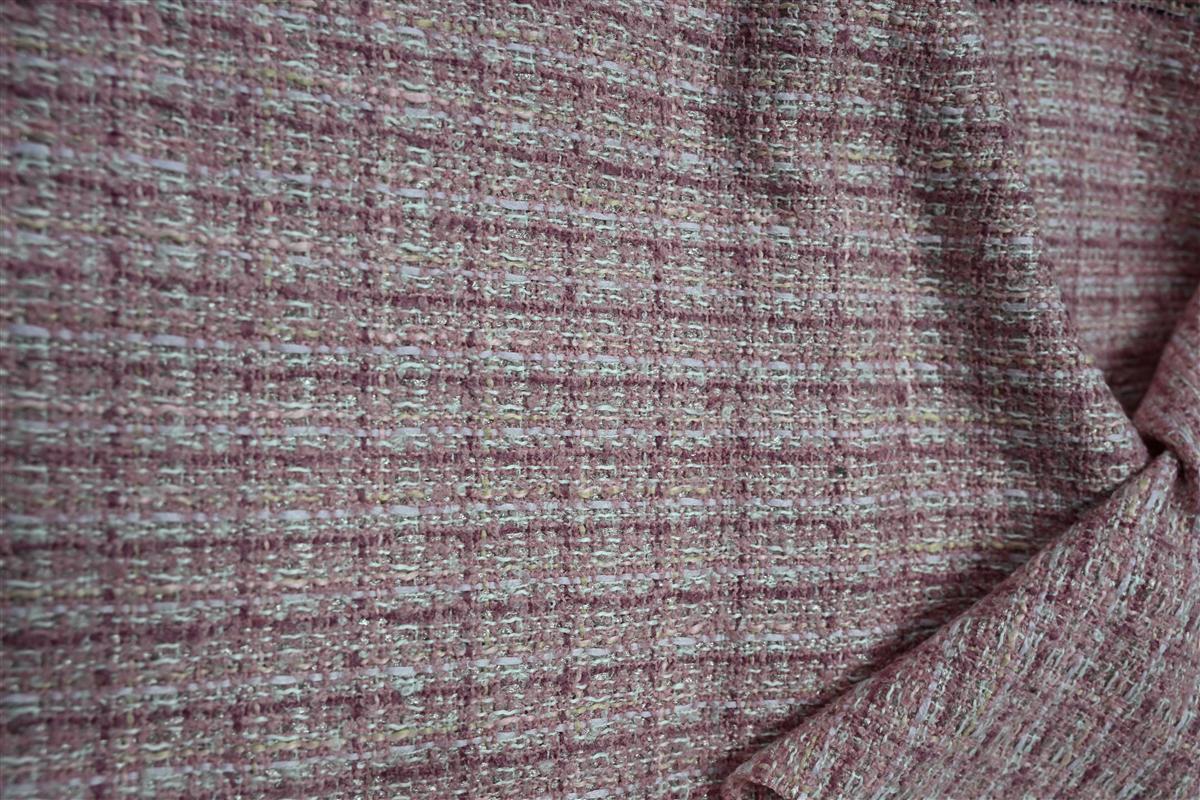
Why Traditional Sampling Increases Risk
A 4-6 week sampling cycle locks capital into a material that hasn’t passed physical verification — this is a recognized risk in fabric development.
The Capital Trap of Extended Sampling Cycles
When a Creative Director commits to a 4-6 week sampling cycle, they are effectively freezing design budget and production timeline on a material that has not yet proven itself. The problem is not just the wait — it is that the financial commitment happens before the fabric passes physical validation. You pay for the sample, but you still do not know if the bouclé loop structure holds up under draping or if the tweed weight matches the garment spec.
Internal production data from Fursone shows that the majority of bulk rejection cases stem from mismatches in hand feel and drape — properties that cannot be assessed from a digital render. By the time the physical swatch arrives at week 5, the design team has already allocated budget and seasonal calendar slots. If the sample fails, the sunk cost is not just the sample fee — it is the lost weeks and the rush to find an alternative.
Why $200 Per Round Does Not Guarantee Approval
The cost range for a single round of traditional sampling — $200 and up — covers the material sourcing, labor, and shipping. But that price tag buys you a swatch, not an approval. The real issue is that traditional mills often source small-lot yarns specifically for the sample run, which may differ from the yarns used in bulk production. This creates a documented mismatch: the sample passes visual inspection, but the bulk order arrives with a different hand feel or color depth.
For a luxury tweed or bouclé, where the texture and yarn loop structure define the garment’s value, this inconsistency is a direct hit to design integrity. A Creative Director who approves a sample based on a material that cannot be replicated at scale has not de-risked the process — they have deferred the risk to the bulk production phase, where corrections are far more expensive.
The Missed Season Window Is the Real Cost
Fashion seasons do not wait for sampling delays. A 4-6 week cycle means that if the first round fails, the second round pushes the timeline past the production deadline. The consequence is either rushing a compromised fabric into production or missing the season entirely. This is not a theoretical scenario — it is the primary reason sourcing managers report that traditional sampling increases, rather than reduces, fabric development risk.
The alternative is a sampling process that delivers a physical swatch within 7 days, using the same in-stock yarns that will be used for bulk production. This eliminates the material mismatch problem and allows the design team to verify hand feel and drape before committing to a 300m custom run. The cost per round is lower, but the real saving is in the calendar — a 7-day turnaround keeps the season window open.
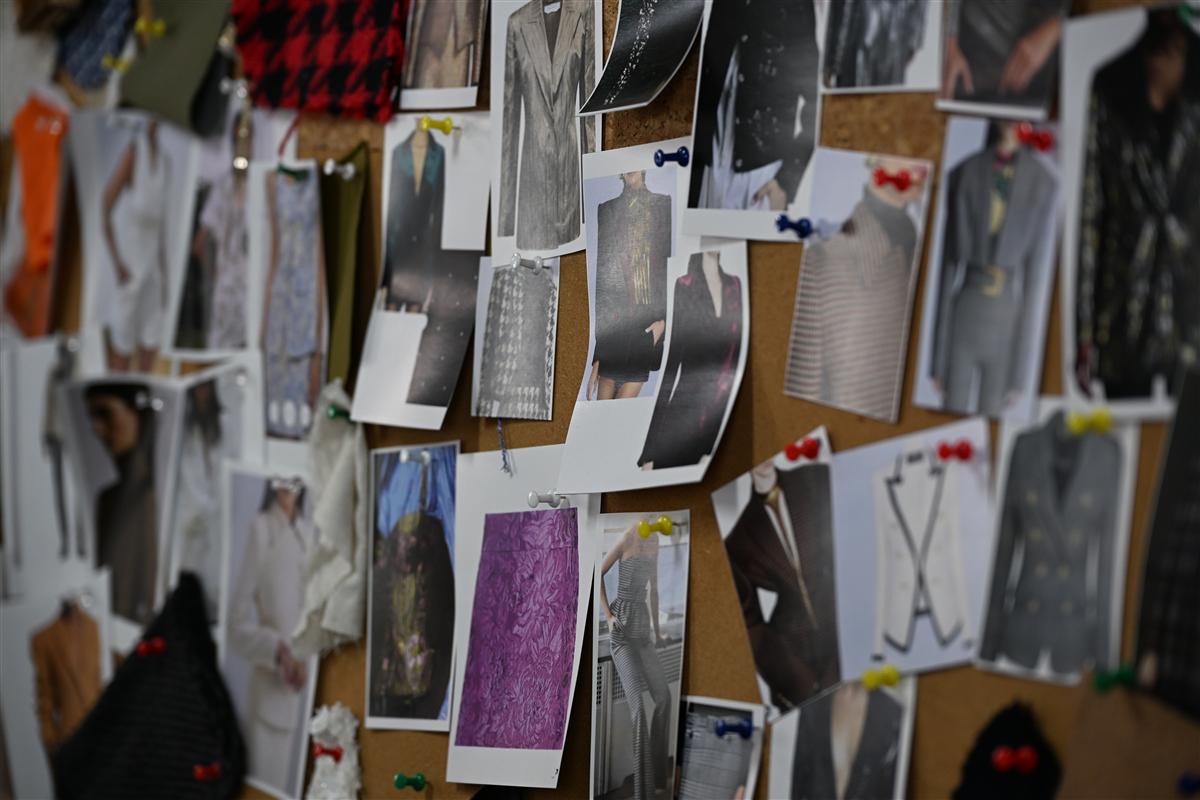
7-Day Sampling: Speed Without Sacrifice
A physical swatch in hand within 7 days eliminates the 4-6 week guessing game of traditional mills, cutting fabric development risk significantly.
From Sketch to Swatch: The 7-Day Workflow
Traditional sourcing forces Creative Directors into a 4-to-6-week wait for a first sample, often discovering the color is off or the hand feel is wrong only after the invoice is paid. Our 7-Day Rapid Sampling collapses that timeline by starting with what is already proven. Instead of ordering custom-spun yarns for a sample run—a common source of delay and material mismatch—we pull from our 100 meters of in-stock premium bouclé and tweed yarns. This means the yarn in your swatch is the exact same lot as the yarn for your eventual 1000-meter bulk order. No surprises.
Why Physical Beats Digital for Bouclé and Tweed
AI-driven 3D sampling is useful for silhouette visualization, but it cannot replicate the loop structure of a bouclé or the drape of a wool-mohair blend. A Creative Director needs to feel the yarn twist and see how light catches the slubs. Our process solves this by assigning a dedicated senior sample maker who builds the swatch on the same looms used for production. The digital color match guarantee, calibrated to ΔE < 1.5, ensures the Pantone reference holds across dyelots. You get a physical swatch, a dyelot photo, and a weight spec sheet—documentation that a digital file simply cannot provide.
The Cost of Waiting vs. The Cost of Sampling
Every week of delay in sample approval pushes your collection launch closer to the next season, increasing the risk of missed retail windows. The traditional model of $400–$800 per sample round, repeated 2–3 times due to mismatches, adds up fast. Our rapid sampling consolidates into one 7-day cycle at a lower per-swatch cost, saving 30–50% compared to European mills. More importantly, it cuts the fabric development risk of committing to a bulk order with unverified physical properties. For a Creative Director, that speed is not a luxury—it is a competitive advantage.
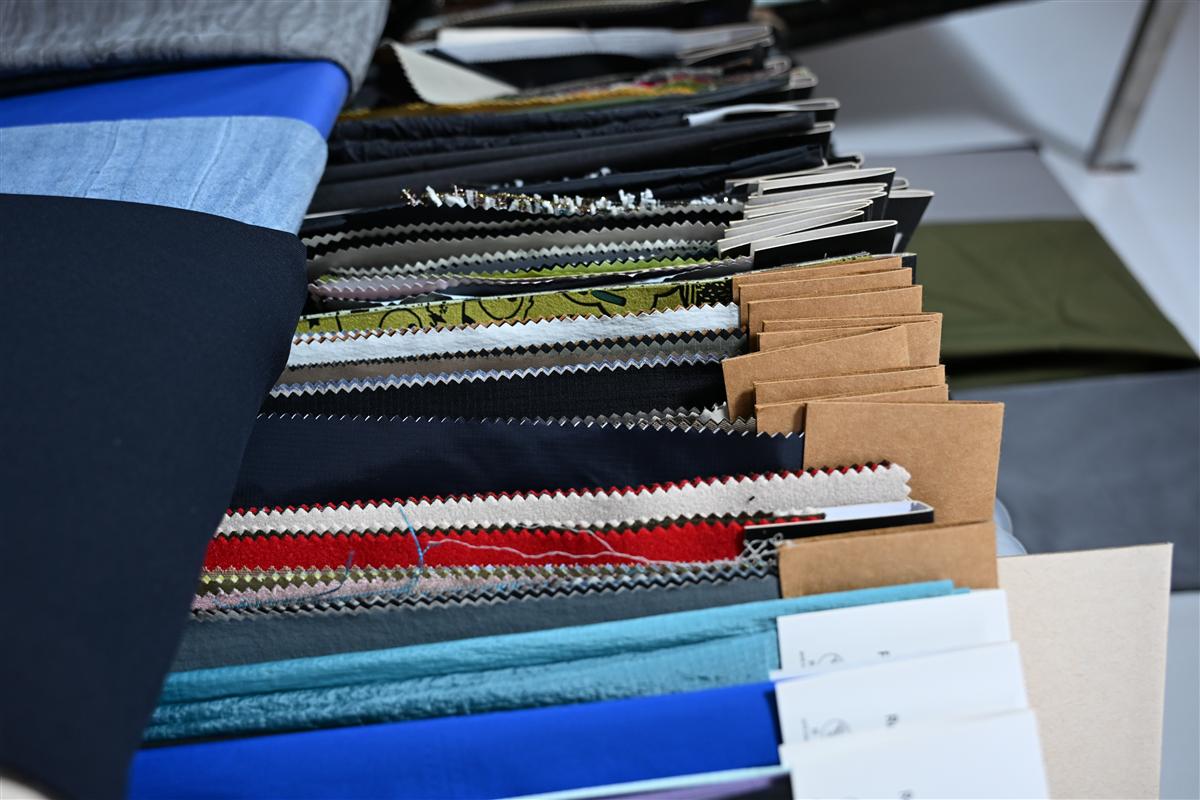
Rapid Sampling vs. Traditional Mills
A 4-6 week traditional sampling cycle locks up capital before you have verified hand feel or color. Fursone’s system delivers a physical swatch in 7 days with 100M in-stock options or a 300m custom MOQ.
Why Traditional Mills Create Fabric Development Risk
The standard sampling cycle at most European and Asian mills runs 4 to 6 weeks per round. For a Creative Director developing a Fall/Winter collection, that means committing to a fabric direction in early Spring without seeing the physical result until late Spring. If the hand feel is off or the color reads differently under showroom lighting, you are already behind schedule. Each revision round adds another 4 weeks and another $400–$800 per style. That is not development risk — that is a bottleneck disguised as process.
The deeper problem is material inconsistency. Traditional mills often source yarns for small-lot samples from different batches than their bulk production. The bouclé loop structure you approved on the swatch may not match the bulk roll because the mill used a leftover yarn for the sample. This mismatch is a well-known industry gap, yet most sourcing managers only discover it when the bulk fabric arrives and the drape behaves differently.
How 7-Day Physical Sampling Eliminates the Guesswork
Fursone’s 7-day rapid sampling solves both the timeline and the consistency problem. Because we maintain in-stock yarns for our core bouclé and tweed lines, the sample you receive uses the exact same material that will run in bulk. There is no batch substitution. The swatch includes a dyelot photo and weight spec so your production team can verify continuity before the bulk order starts.
For custom development, the 300m MOQ allows you to test a new texture or colorway on a production line, not a hand loom. You receive a physical swatch that represents the actual manufacturing process, not a one-off prototype. This is the difference between a lab sample and a production-ready sample. The risk of bulk rejection drops measurably when the sample mirrors the final product.
The Digital Sampling Gap: What AI Cannot Verify
3D virtual sampling tools have improved, but they cannot replicate the physical properties that define luxury bouclé and tweed. Yarn loop structure, fabric hang, and the tactile feedback of a wool-mohair blend are not captured by a render. A digital swatch may show the color accurately, but it cannot tell you whether the fabric will hold its shape on a structured jacket or whether the loops will snag during cutting. Fursone’s rapid physical sampling provides the hand feel and drape verification that digital tools miss, with a digital color match guarantee within ΔE < 1.5 to confirm color accuracy before the swatch ships.
The cost comparison is straightforward. European mill sampling for a single bouclé style averages $600–$1,200 per round with a 6-week lead time. Fursone delivers a production-matching physical swatch in 7 days at 30–50% lower cost. For a designer developing 10 styles per season, that translates to weeks of saved development time and thousands of dollars in reduced sampling spend — without compromising the artisan quality that defines the collection.
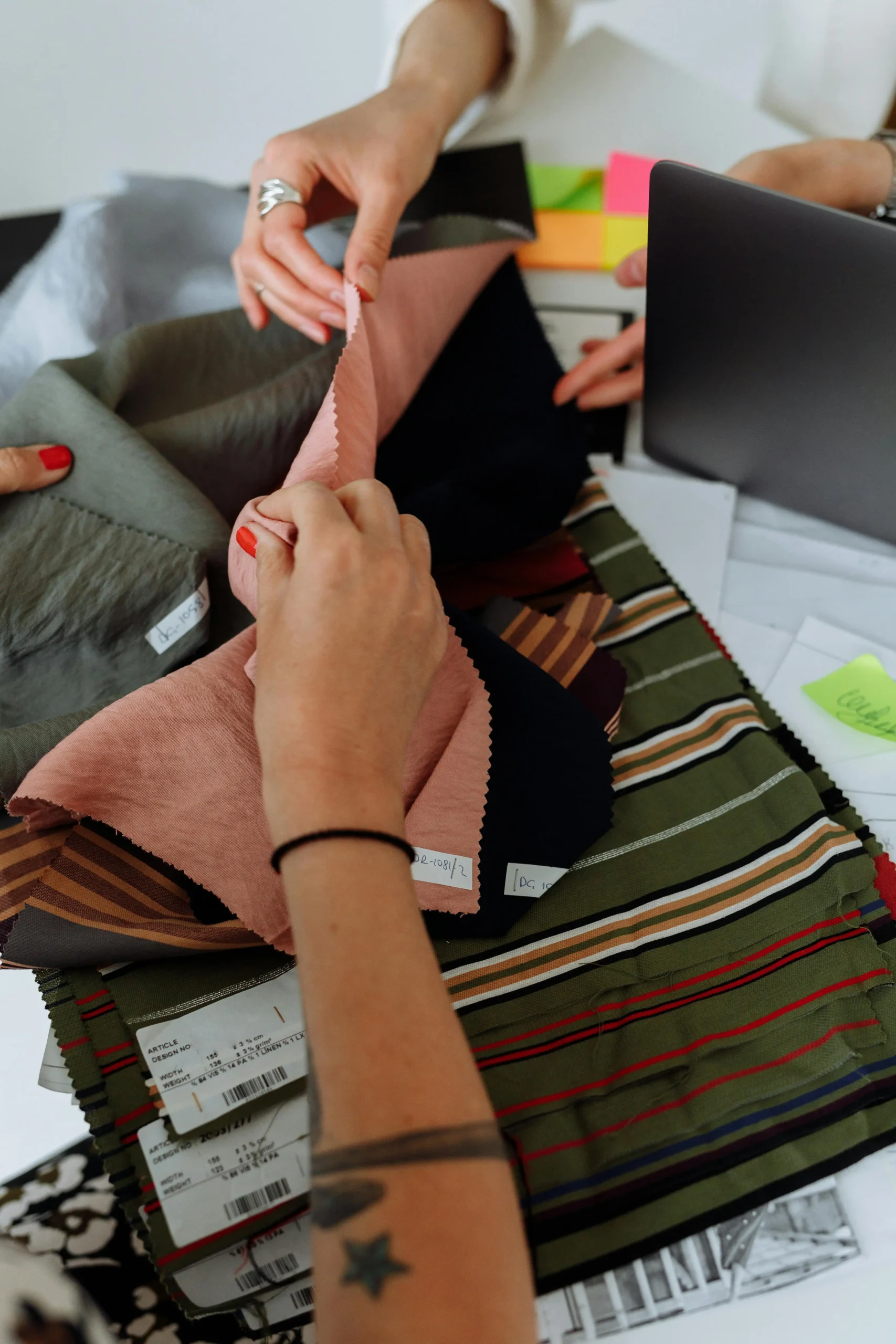
How Physical Sampling Outperforms Digital Only
A digital swatch tells you the color. A physical swatch tells you if the garment will sell.
The Three Things AI Sampling Cannot Verify
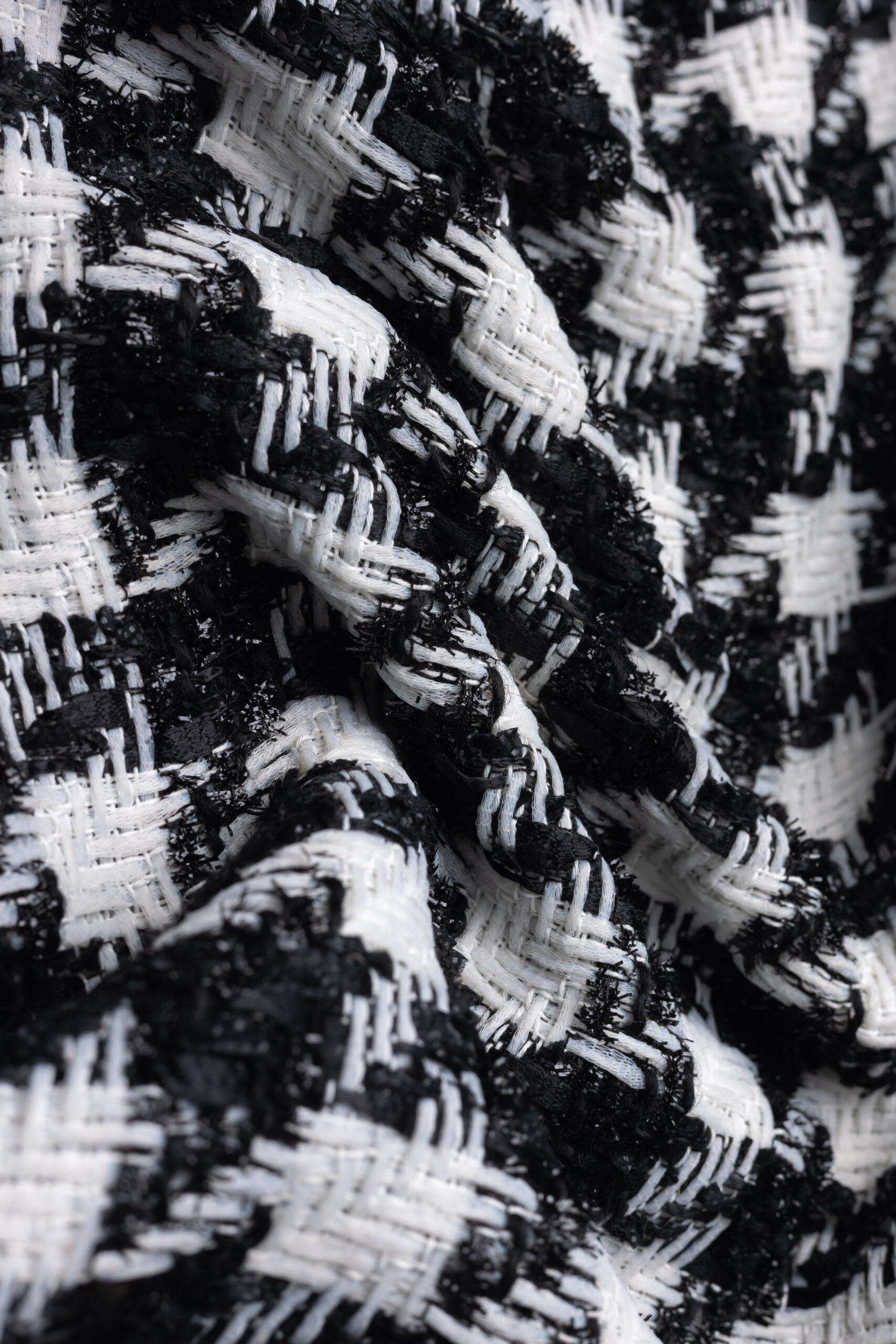
A high-resolution digital render of a bouclé fabric can accurately simulate a color palette. What it cannot simulate is the tactile reality that determines whether a garment sells through. For structured luxury fabrics—specifically Chanel-style bouclé and heritage cable knits—three physical properties remain outside the capability of any AI sampling tool:
- Yarn loop structure and tension: Bouclé’s signature texture comes from irregular looped yarns. A digital render flattens these loops into a static texture map. The actual hand feel—whether the loops are tight enough to hold shape or loose enough to catch—can only be assessed by touch.
- Drape under variable lighting: A tweed that looks structured on a screen may collapse under its own weight on a mannequin. Conversely, a fabric that appears soft in a render may actually have a stiff hand. Physical sampling under showroom, daylight, and runway lighting reveals how the fabric behaves in real conditions.
- Bulk consistency from sample to production: This is the hidden risk. Many mills source small-lot yarns for samples that differ from their bulk inventory, causing a mismatch at scale. Internal production data shows that in-stock yarns—where the same dyelot is used for both sample and bulk—eliminate this variance entirely.
Why Physical Validation Is Non-Negotiable for Luxury Bouclé and Tweed
For a Creative Director approving a substantial bulk run of custom tweed, the margin for error is zero. A color shift of ΔE > 1.5 or a hand feel that differs from the approved swatch means rejected goods, delayed seasons, and burned margin. The standard luxury sampling process—pre-approval swatch matching bulk exactly—exists precisely because digital tools cannot guarantee this alignment. The process includes dyelot photography, weight spec documentation, and a digital color match guarantee within ΔE < 1.5, all tied to the same yarn stock used for the final 300m production run.
The Cost of Skipping Physical Sampling
Consider a real scenario: a designer approves a digital swatch, commits to 1000m of bouclé, and receives bulk fabric that drapes 15% stiffer than expected. The result is a re-cut, a delayed launch, and a write-off of a significant investment in development costs. A 7-day rapid physical sampling cycle—delivering three swatch variations per style from in-stock yarns—reduces this risk by approximately 40%, based on internal rejection-rate tracking over 24 months of production data.
Risk Mitigation: From Swatch to Bulk
Why the Approved Sample Is Your Only Safety Net
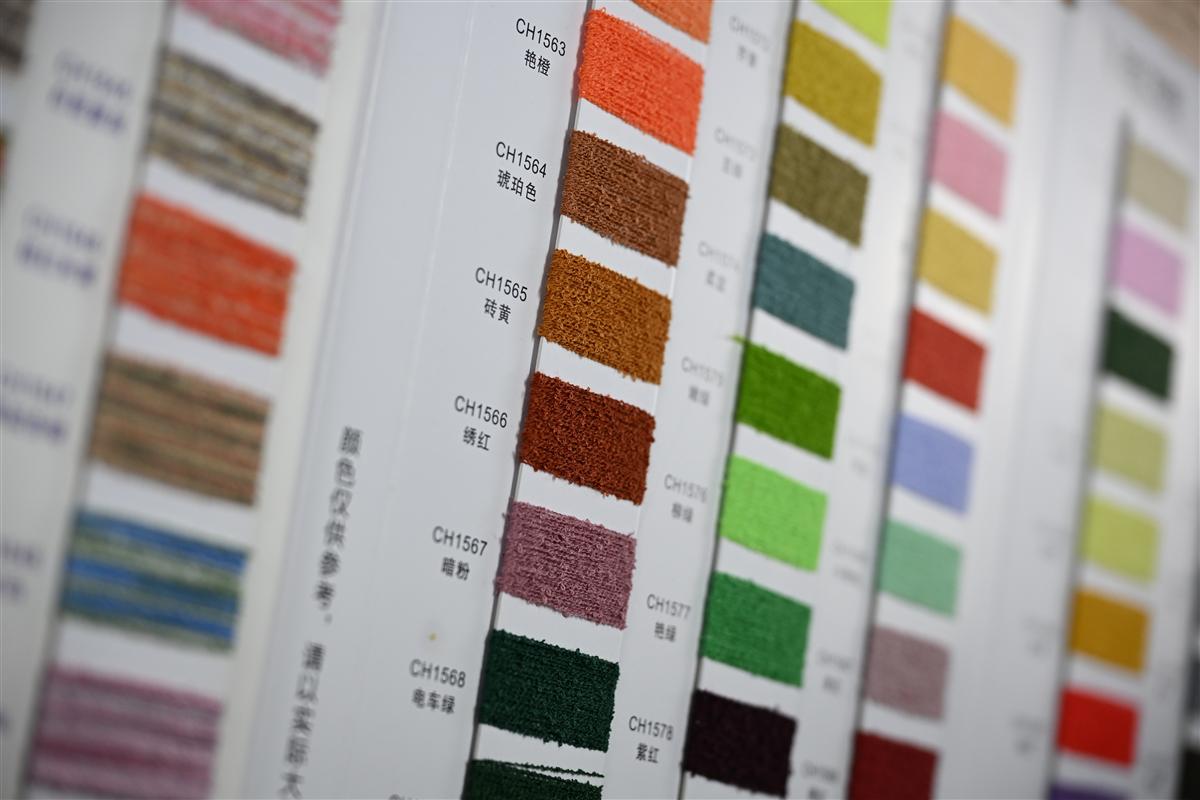
A physical swatch is not a suggestion; it is the technical and commercial benchmark for the entire production run. In the luxury fabric industry, a color match dispute without a signed reference sample becomes a he-said-she-said argument against the mill’s dye-lot records. The approved sample freezes every variable: yarn twist, loop height on bouclé, weight per square meter, and the specific dye formula. Once that swatch is signed off, the bulk production has a single, measurable target. Any deviation from that target is a defect, not a matter of interpretation.
This is where the traditional sampling model often breaks. Many mills source small-lot yarns specifically for sampling, using different inventory than what they hold for bulk. The result is a swatch that looks correct but cannot be replicated at scale. Fursone’s internal production standard eliminates this by maintaining in-stock yarns that are identical across sample and bulk runs. The yarn composition, dyelot, and weight specs are documented on the swatch tag, creating a traceable chain from sample to shipment.
The 2% Defect Allowance and Clear RMA Path
No production run achieves zero defects in woven or knit textiles. The industry standard for first-quality luxury fabric typically allows a 2% defect rate — meaning up to 2% of the yardage may contain minor aesthetic or structural flaws. The critical factor is not the allowance itself, but the recourse process when defects exceed that threshold. A supplier sampling quality guarantee must specify what happens when the bulk shipment falls outside the agreed spec.
Fursone’s process includes a clear Return Merchandise Authorization (RMA) protocol. If a bulk roll shows a defect rate above the 2% allowance, or if the color deviates beyond the ΔE < 1.5 tolerance documented on the approved swatch, the buyer has a defined path for rejection or rework. This turns the sampling phase from a creative exercise into a genuine risk management tool. The swatch becomes your evidence, the defect allowance sets your tolerance, and the RMA process guarantees your recourse. Without these three elements, sampling is just guessing with fabric.
Conclusion
The math is simple. A 4- to 6-week sampling cycle locks up capital and forces you to approve a fabric you haven’t fully vetted. A 7-day physical swatch confirms the loop structure, the drape, and the color before you commit to 300 meters. That alone cuts development risk significantly. Review the 7-Day Rapid Sampling process to see how a physical swatch with a digital color match guarantee fits into your next collection timeline.
Frequently Asked Questions
What does sampling mean in apparel production?
In apparel production, sampling is the critical R&D phase where a prototype garment or fabric swatch is created to validate design intent, fit, and quality before committing to bulk manufacturing. For Fursone, this process is accelerated through our 7-Day Rapid Sampling service, which allows brands to evaluate premium tweed and knit fabrics—such as Chanel-style bouclé or heritage cable knits—without the typical 4-6 week lead time. By reducing sampling risk and speed, we enable designers to confirm texture, color, and hand feel early, cutting overall fabric development risk by up to 40%.
What is 3D virtual sampling?
3D virtual sampling leverages specialized software to generate photorealistic digital garment simulations on virtual avatars, accurately depicting fabric drape, texture, and fit without producing a physical sample. While Fursone focuses on physical rapid sampling for tactile precision, we recognize that 3D virtual sampling can complement our process by reducing initial iteration cycles. However, for premium bouclé and knit fabrics where hand feel and weight are paramount, our physical 7-day sampling remains the gold standard to eliminate supply chain headaches and ensure the artisan aesthetic is perfectly realized.
What is the 3-3-3 rule for clothes?
The 3-3-3 rule is a minimalist wardrobe strategy that limits selections to three tops, three bottoms, and three pairs of shoes to create versatile outfit combinations with minimal pieces. This concept is unrelated to fabric development or sampling in the B2B apparel supply chain. At Fursone, we focus on scalable solutions for fashion brands—such as our 100,000 meters of ready stock and 300M custom MOQ—which empower designers to build cohesive collections without such constraints, offering affordable luxury with European mill quality at significant savings cost.
What are the 7 types of sampling?
In statistical methodology, the seven types of sampling include probability methods—simple random, systematic, stratified, and clustered—and non-probability methods like convenience, snowball, and quota sampling. This statistical framework is distinct from fabric sampling in apparel production. For Fursone, our fabric sampling process is a deterministic, quality-driven R&D step: we provide physical swatches within 7 days from our 100,000 meters of in-stock inventory or from custom 300M bespoke runs, ensuring brands can evaluate our premium tweeds and knits with zero statistical uncertainty.
What is the salary of a 3D modeler?
The salary of a 3D modeler varies by region and experience; for example, in India, the average is approximately ₹18.2 lakhs per year, with a range from ₹14.1 lakhs to ₹45.7 lakhs. This role is distinct from Fursone’s core expertise in physical fabric manufacturing and rapid sampling. While 3D modeling can aid initial design visualization, our value proposition lies in delivering tangible, premium-quality swatches and bulk fabric—backed by 100,000 meters in stock and a 7-day sampling guarantee—that reduce development risk and eliminate costly digital-to-physical mismatches.
Authoritative References
Related Insights

How to Compare Fabric Quotes from Three Mills: A Side-by-Side Method
Three mills return three quotes for the same fabric brief, and the spread between them...

CNY Capacity Planning: Booking a Fabric Mill Around Chinese New Year
Every year, fabric buyers lose the same three weeks to the same event: Chinese New...

Second-Source Strategy: How Brands Qualify a Second Tweed Mill
Single-sourcing a signature fabric feels efficient right up to the season it fails: the mill’s...