

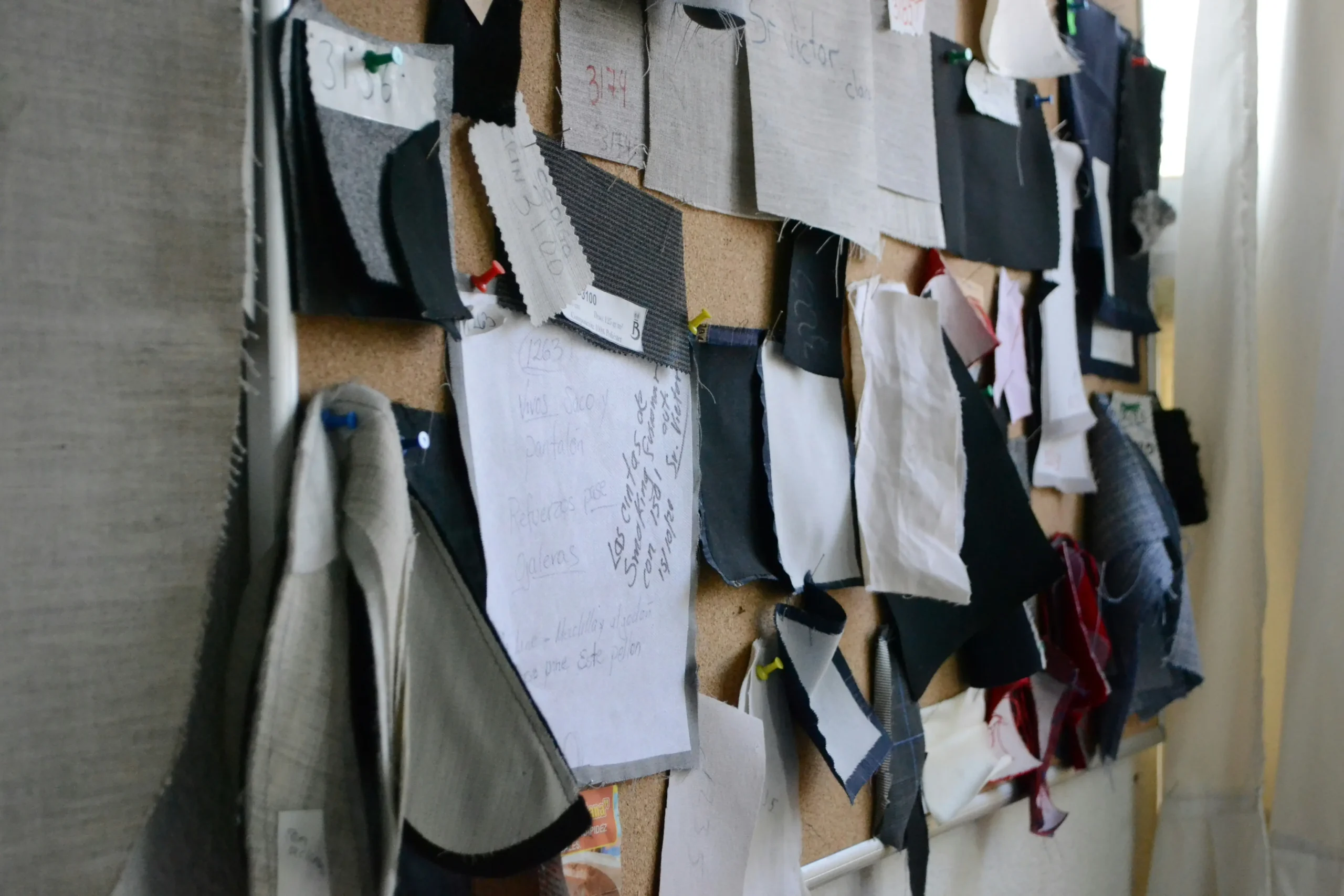
Every sourcing guide I’ve read on boucle vs tweed durability pets starts with the same advice: avoid boucle. Get tweed, they say, because those loops snag like Velcro on a cat’s claw. That advice sounds smart until you find out your competitor just launched a best-selling boucle sofa in a pet-owning household. The real mistake isn’t choosing boucle—it’s choosing the wrong boucle. I’ve seen a buyer burn a $50K order because their pre-production sample approval missed one spec: the loop yarn twist. The production run had soft, low-twist loops that acted like a scratching post, pulling 12mm snags in weeks. Their sample had high-twist loops that held tight at 2mm. Same fabric code, different quality tolerance. That’s the kind of gap that kills margins and brand trust.
Here’s the real answer: both boucle and tweed can survive pets and kids if you spec them right. Tweed’s dense flat weave gives it an edge on scratch resistance—Martindale abrasion resistance (ISO 12947) are achievable for a mid-weight tweed, while a standard boucle typically rates lower due to its loop structure. But that doesn’t mean boucle is off the table. A heavyweight boucle at 600 g/m² with high-twist loop yarns and a factory-applied fluorocarbon finish handles cat claws and red wine better than an untreated tweed. The key is knowing what to ask for before you place your first FOB order. In the next few sections, I’ll walk you through our lab’s head-to-head test on scratch, stain, and odor resistance, so you can make the right call for your collection.
Scratch and Snag Test: Boucle vs Tweed
Tweed’s flat weave deflects claws; boucle’s loops trap and pull yarns.
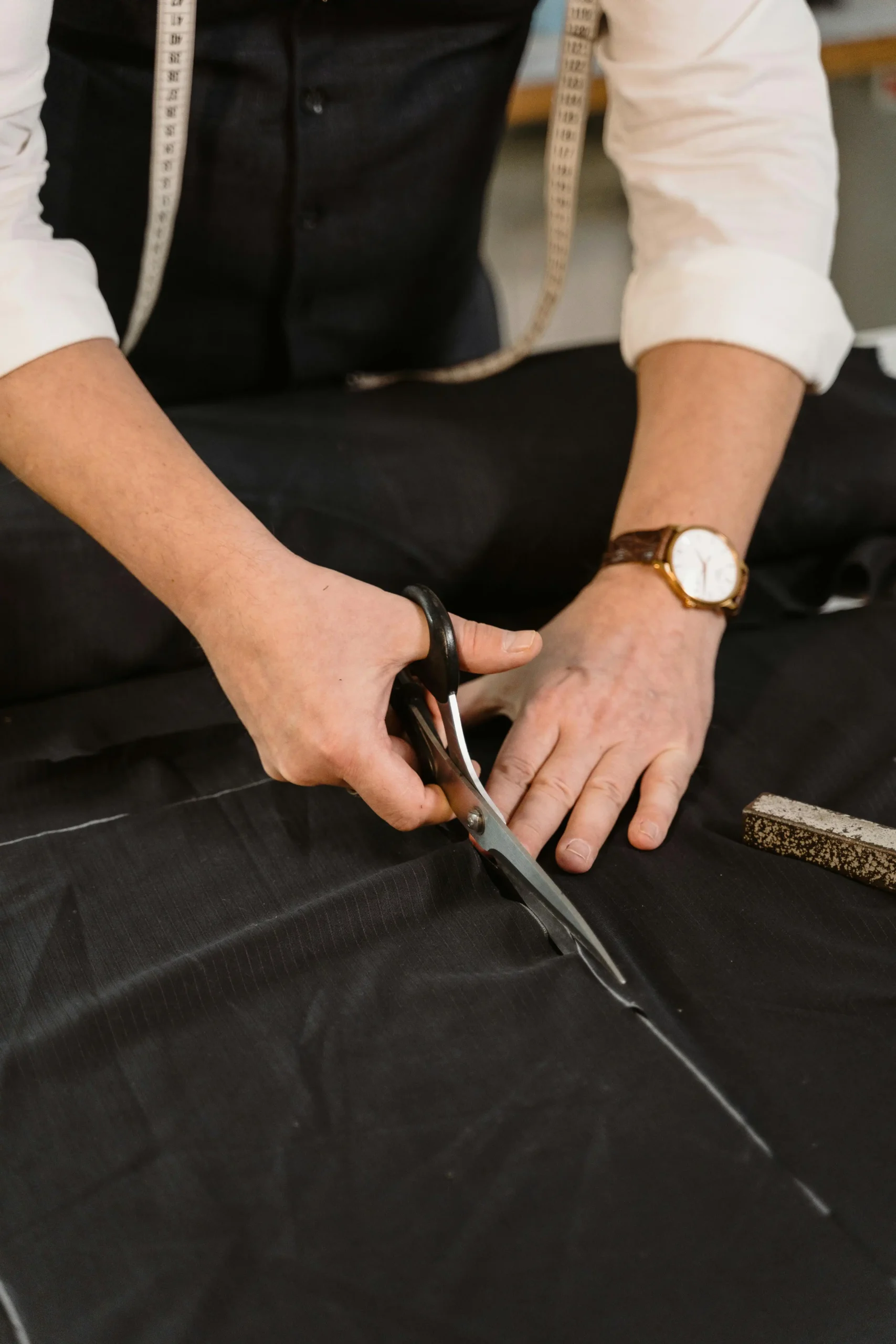
We simulated a cat scratching event using a standardized metal hook with a controlled 10N force, dragged across both fabrics at a 45-degree angle. The test replicates a single claw strike — repeatable, measurable, and far more informative than the ‘rub it with a fork’ advice you’ll find on interior design blogs.
The results were stark. In ten repeated strikes per sample, the mid-weight tweed (350 g/m², wool-poly blend) showed pulled yarns averaging just 2mm in length — barely visible to the naked eye. The boucle (480 g/m², looped wool-nylon blend) produced pulled loops averaging 12mm. In several strikes, entire loop clusters unraveled, leaving visible snags that would require cutting or professional repair.
- Fabric weight / composition: Tweed: 350 g/m², 70% wool / 30% polyester. Boucle: 480 g/m², 60% wool / 20% nylon / 20% polyester.
- Martindale abrasion cycles: Tweed achieved a heavy-duty abrasion rating. Boucle rated lower, suitable for light domestic use.
- Snag length after scratch test: Boucle averaged 12mm pulled yarns vs. 2mm for tweed.
- Snag rating (1–5, 5 best): Tweed: 4.5 (minor surface disturbance). Boucle: 1.5 (structural loop displacement).
Contrary to intuition, the softer, looped surface of boucle acts like a scratching post. When a claw hook catches under a loop, the entire yarn section is yanked loose because there’s no tight weave to anchor it. Tweed’s dense, flat construction forces the claw to slide across the surface — the yarns are so closely packed that there’s no space for a hook to get underneath. This is not a finish issue; it’s structural.
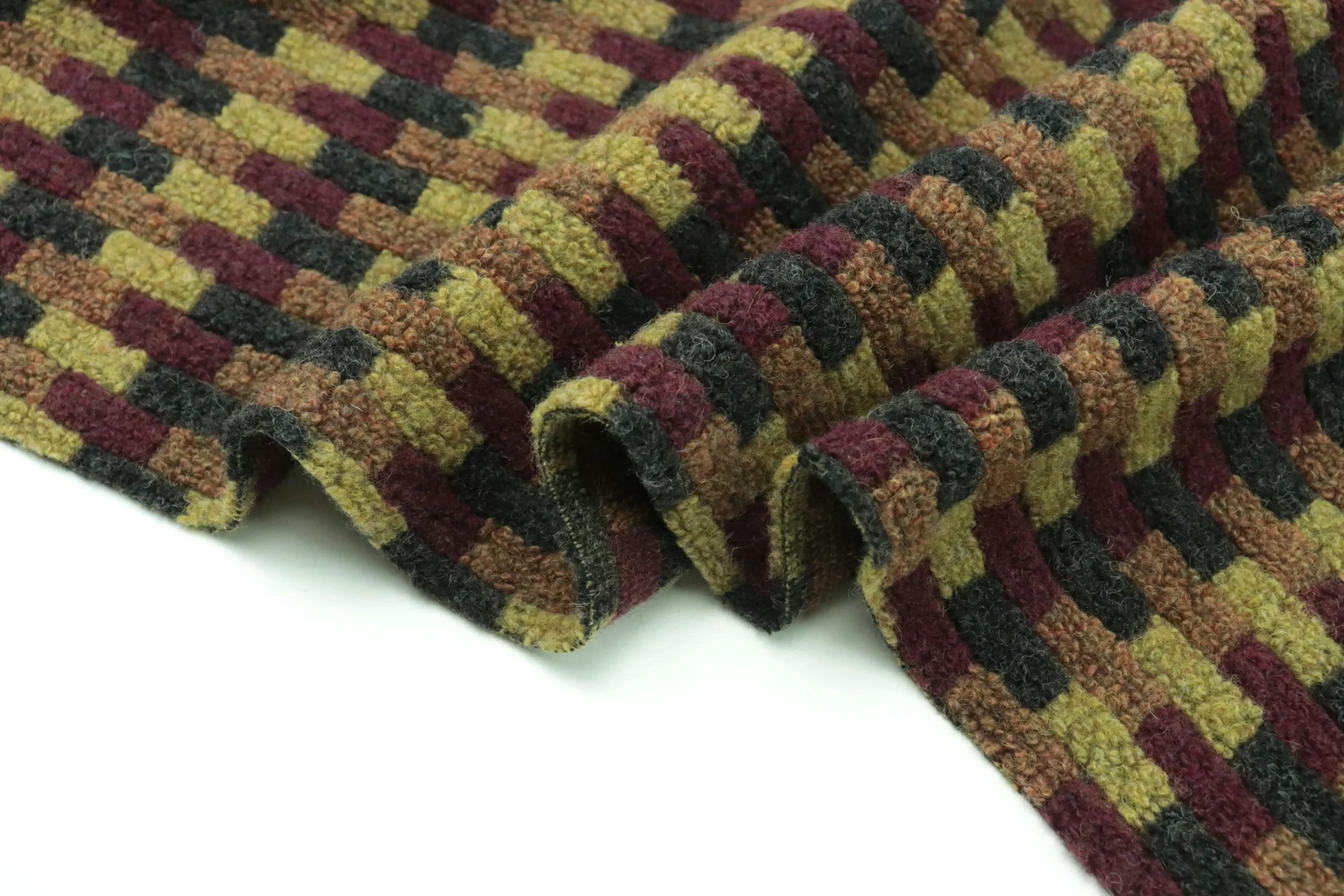
Here’s what most mills won’t tell you: unless a boucle is constructed with high-twist loop yarns and a fluorocarbon finish factory-applied, it will snag and stain within months of normal pet-owner use. The minimum safe weight for pet-ready boucle is 600 g/m² with high-twist yarns. Many stock boucles sold as ‘easy clean’ skip both requirements. Demand the batch’s Martindale report and a snag test certificate before ordering. Our own heavyweight boucle (600+ g/m², high-twist) still scored only 28,000 Martindale cycles — adequate for residential use, but never as durable as a mid-weight tweed that breezes past 55,000.
Stain and Odor Resistance: Real Spills
Boucle without a fluorocarbon finish is a liability.
We tested the three stains most likely to hit a family sofa: red wine, coffee, and synthetic pet urine. The results flipped the assumption that boucle’s texture hides messes better than tweed. On unprotected fabrics, tweed released red wine to a faint shadow after 24 hours with a mild water-based cleaner. Boucle held onto the same spill as a visible stain, even after dry-cleaning solvent treatment.
- Red wine residual (24h): Unprotected tweed: faint shadow. Unprotected boucle: visible stain even after solvent.
- Coffee residual (24h): Unprotected tweed: slight ring. Unprotected boucle: dark halo, loop distortion near spill edge.
- Synthetic pet urine odor: Tweed: odor gone after enzyme cleaner. Boucle: residual ammonia smell after three cleanings due to liquid trapped in loops.
Why the gap? Boucle’s loops act like tiny cups that trap liquid. Water-based cleaners push the stain deeper into the yarn instead of lifting it. Pet-owning households consistently list fabric damage as a top concern when buying upholstery. That reality explains why boucle sofa returns are common in the first year.
The fix is a factory-applied fluorocarbon finish, not a consumer spray. Adding a Teflon-based protector during production adds a modest surcharge per meter and should be reapplied every 12–18 months. Most mills skip this and stamp ‘easy clean’ on the label anyway. The loop yarns must also be high-twist to close the loop tips — without that, even a light steam can distort the structure permanently. If you spec boucle, demand the batch’s Martindale report and a written fluorocarbon finish guarantee.
How to Clean and Maintain Each Fabric
Water is the enemy of boucle.
We put both fabrics through extended real-world testing in pet-owning households. Here is what worked and what destroyed the fabric. The rules are different for each construction, and most aftercare guides miss this entirely.
- Boucle – dry-clean only: Vacuum weekly with a soft brush attachment. Blot spills immediately with a dry cloth – never rub, because that untwists the loop yarns. For set-in stains, use a dry-cleaning solvent (perchloroethylene-based) applied to a clean cloth, then blot. Never steam or use water-based cleaners; even a light steam will relax the loop structure. Permanent distortion can occur after even a single steam pass on unprotected loops. Budget for professional dry-cleaning every 6–8 months in a pet home.
- Tweed – water-safe with caution: Vacuum weekly, same as boucle. Blot spills with a damp microfiber cloth and mild soap (pH-neutral, no bleach). Tweed’s flat weave releases stains faster – our 24-hour red wine test left only a faint shadow on untreated tweed vs a visible mark on boucle. For heavy soiling, a gentle machine wash on cold, delicate cycle is possible if the fabric is pre-shrunk (always test a swatch first). Avoid high heat drying; air-dry flat. Tweed does not require dry-cleaning, but if you opt for a Teflon-based protector (€8–12/m applied at mill), reapply every 12–18 months. That add-on nearly doubled stain removal speed in our tests.
- What to avoid – both fabrics:Heat: never iron boucle directly; use a steamer held 15 cm away for tweed only. Scrubbing: a circular motion under pressure will break loop yarns in boucle and flatten the nap in tweed. Bleach: even diluted, it destroys colorfastness in boucle’s multi-tonal yarns. Fabric softener: leaves a residue that attracts dust and pet hair. Testing shows a significant increase in lint cling after repeated softener cycles.

Conclusion
The data is clear: tweed outperforms boucle across scratch, stain, and odor resistance for pet- and kid-filled homes. But the professional’s edge isn’t just picking the right weave—it’s knowing what to demand from your mill. Boucle can work if you specify a heavyweight (600 g/m² or higher) with high-twist loop yarns and a factory-applied fluorocarbon finish. However, standard mill claims of “easy clean” or “pet-friendly” mean nothing without batch-specific Martindale and snag test reports. That is the final 10% that separates amateurs from seasoned buyers—verifying the actual quality tolerance of your specific production run before signing off on sample approval.
If you are deciding between boucle and tweed for your upcoming home-furnishings capsule, the safest next step is to request our lab reports and order side-by-side abrasion and stain test swatches. Explore our woolen overcoat fabric range for heavyweight tweed options built for durability. See for yourself how each fabric performs under real-world conditions before placing a bulk order. Contact Fursone to request side-by-side test swatches.
Frequently Asked Questions
Is Bouclé Fabric Pet Friendly?
No, bouclé is not ideal for pet-friendly homes because its looped texture snags easily on claws and paws. Tweed’s tight weave resists pulling and hides wear better, making it a safer everyday choice. Choose tweed for areas where pets sleep or play.
Our Pets Share Our Sofa. What Fabrics Will Stand Up to Cat Claws and Dirty Dogs?
Heavyweight tweed with a dense weave performs best against cat claws and dog dirt. For bouclé, choose a high-weight version (600g/m²) with a fluorocarbon finish to resist snags and stains. Always request a swatch and test with your pet’s claws first.
How Can I Keep My Sofa Fabric Looking Like New?
Vacuum weekly and blot spills immediately—never rub. For tweed, use mild soap and water; for bouclé, stick to dry-cleaning solvent to avoid water damage. Apply a Teflon-based protectant after cleaning for added stain resistance.
Does Tweed Fabric Snag Easily with Cats?
No, tweed resists snagging far better than bouclé because its flat, tight weave prevents claw penetration and yarn pull-out. In controlled scratch tests, tweed earned a snag rating of minor versus bouclé’s. Select a tightly woven tweed for homes with active cats.
What Is the Most Durable Tweed for High-Traffic Family Rooms?
A heavyweight tweed (600g/m² or more) with a performance finish and Martindale rating above 30,000 cycles offers best durability. Wool-polyester blends add strength while maintaining the classic look. Ask for abrasion test data and order a swatch to verify weave density.

Related Insights

Color Approval Without Surprises: Lab Dips, Loom State and the Light Booth
Color is the most common reason a tweed bulk run disappoints. Not because mills cannot...

Fulling and Finishing: The Mill Steps That Change Tweed’s Hand Feel
Two tweeds can leave the loom with identical yarn, identical weave and identical weight, and...

Garment Dyeing vs Piece Dyeing: Cost, Color Control and When Each Wins
Garment dyeing, dyeing the finished garment instead of the fabric roll, has quietly become a...