
Key Takeaway
AQL sampling for fabric rolls explained: ISO 2859-1 inspection levels, sample sizes, defect classification, and how to write AQL requirements into your purchase contract.
When you receive a shipment of 500 fabric rolls, you cannot inspect every meter. Acceptable Quality Level (AQL) sampling gives you a statistically valid method to decide whether to accept or reject the entire batch based on a random sample. Understanding AQL sampling protects fabric buyers from accepting defective rolls while avoiding unnecessary rejection of usable material.
What AQL Means in Fabric Inspection
AQL stands for Acceptable Quality Level. It defines the maximum percentage of defective units in a batch that you are willing to accept. For fabric rolls, a common AQL is 2.5% for major defects and 4.0% for minor defects. This means that if the true defect rate in the batch is at or below the AQL, the sampling plan has a high probability of accepting the lot.
AQL sampling is defined in ISO 2859-1 (which replaced MIL-STD-105E). The standard provides lookup tables that tell you how many rolls to sample from a batch and how many defects are allowed before the lot fails. The sample size depends on the lot size and the inspection level.
Choosing the Right Inspection Level
ISO 2859-1 defines three general inspection levels: Level I for reduced inspection, Level II for normal inspection, and Level III for tightened inspection. Most fabric buyers use Level II, which balances inspection cost against risk. Level I reduces the sample size but increases the risk of accepting a bad lot. Level III increases the sample size for situations where defect history is poor or the fabric is high-value.
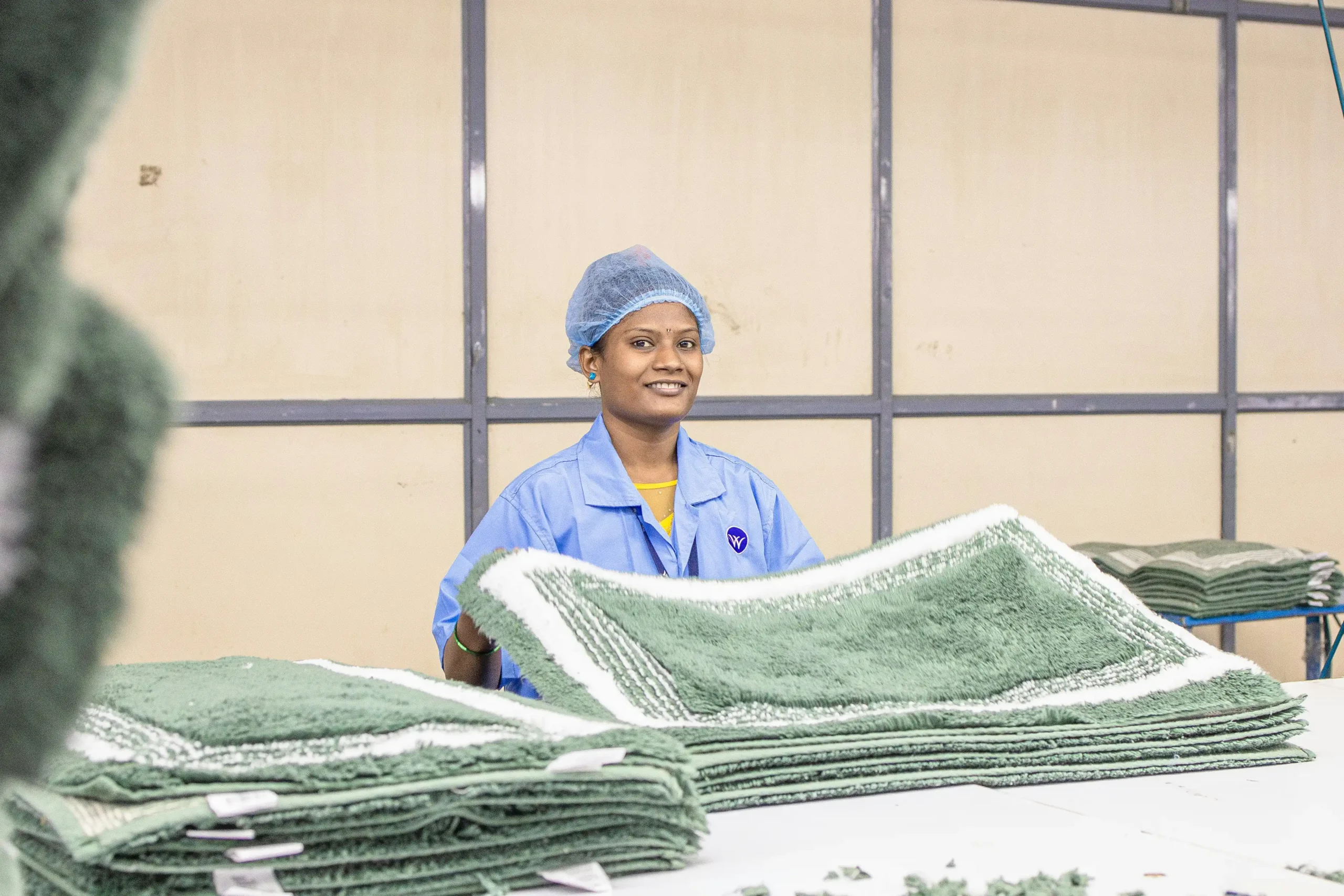
For example, if you receive a lot of 500 rolls at General Level II, the code letter is H, and the sample size is 50 rolls. At AQL 2.5% for major defects, the acceptance number is 3 and the rejection number is 4. This means you can accept the lot if you find 3 or fewer major defects in the 50 sampled rolls, but you must reject the lot if you find 4 or more.
Defect Classification for Fabric Rolls
For pricing and sampling, request a fabric quote from the Fursone team.
Not all defects carry the same weight. Fabric inspection typically classifies defects into three categories. Critical defects make the fabric unsafe or unusable, such as chemical contamination or fire damage. Major defects affect the fabric’s appearance or performance in the final garment, such as weaving breaks, dye streaks, or GSM deviation beyond ±5%. Minor defects are noticeable but do not affect function, such as slight selvage irregularity or packaging damage.
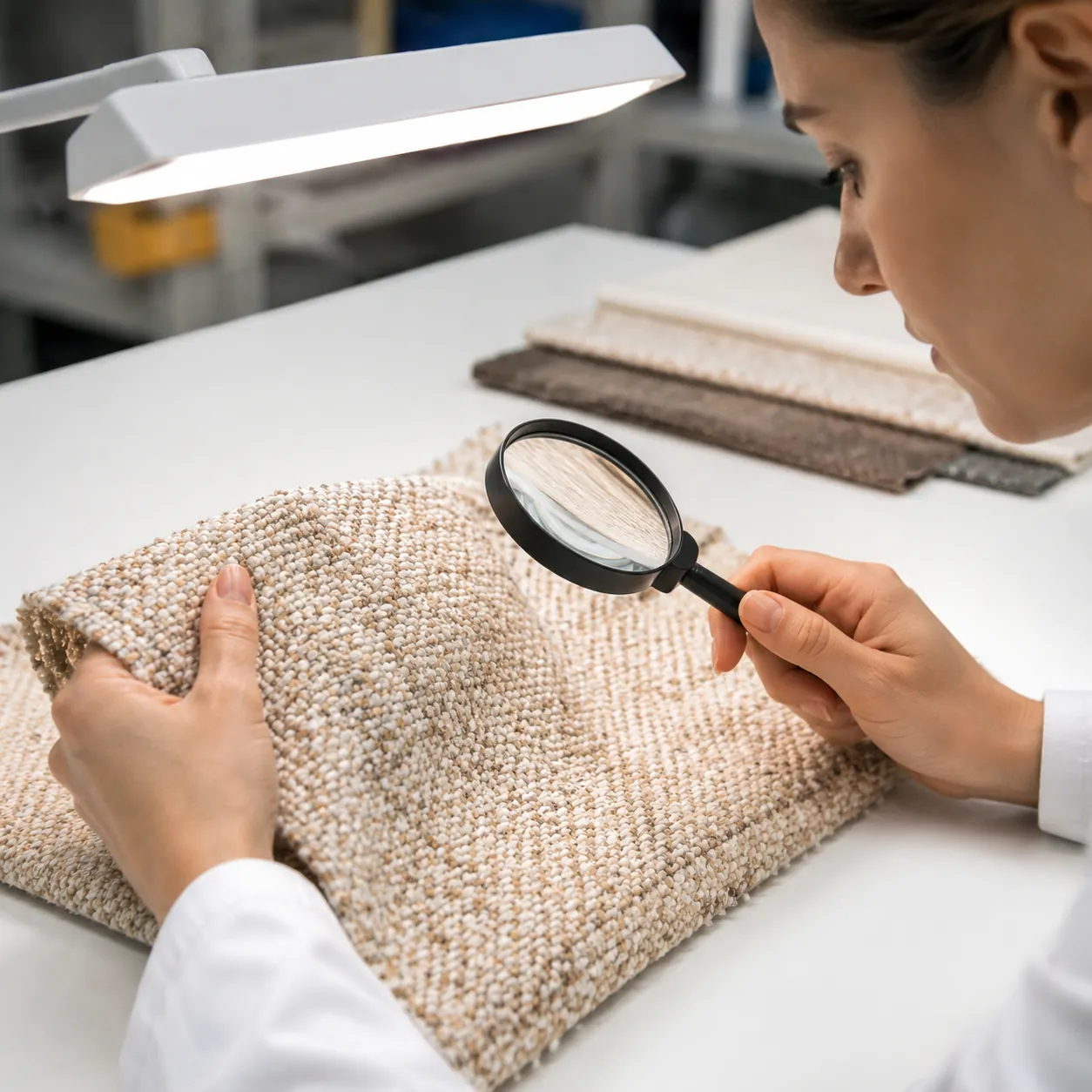
Before production begins, agree with your mill on a defect classification list. At Fursone, we provide every buyer with a defect reference card that shows photos of common weave defects, dye faults, and finishing problems, along with their classification. This prevents disputes during inspection because both sides agree on what constitutes a major vs minor defect.
How to Conduct the Sampling
Random sampling is essential. Do not pick rolls from the top of the pallet or the outside of the stack. Use a random number generator to select roll numbers from the lot. If the lot has 500 rolls numbered 1–500, generate 50 random numbers and pull those rolls for inspection.
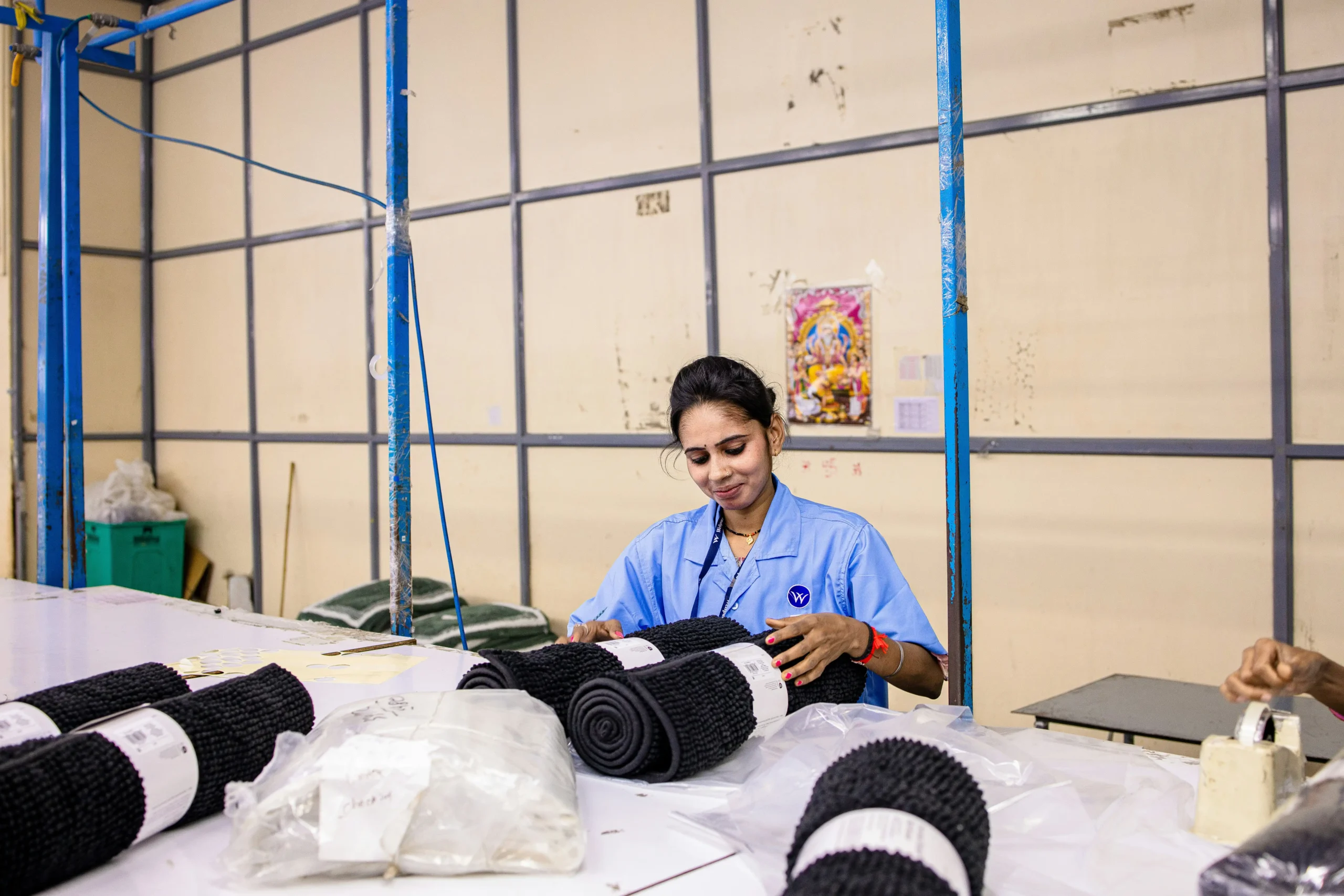
Inspect each sampled roll using the 4-point system (ASTM D5430) for woven fabrics or the 10-point system for knits. Record all defects, classify them by severity, and tally the total penalty points. Compare the results against the AQL acceptance and rejection numbers from the ISO 2859-1 table.
What Happens When a Lot Fails
If the sample exceeds the rejection number, you have several options. You can reject the entire lot and request replacement. You can negotiate a price reduction to account for the higher defect rate. You can request 100% inspection of the lot at the supplier’s cost, accepting only rolls that pass the quality standard. The right choice depends on your production timeline and the severity of the defects.
Include the AQL inspection procedure and consequences in your purchase order before production starts. This gives both parties a clear framework and prevents disputes after the fabric ships.
For additional technical reference, see the ISO 2859-1 standard.
Related Articles
- 4 Point Fabric Inspection System Buyers
- Fabric Factory Audit Checklist 15 Points
- Iso Grade 3 4 Pilling Resistance Explained
Frequently Asked Questions
What AQL level should I specify for fabric rolls?
AQL 2.5% for major defects and AQL 4.0% for minor defects is standard for woven and knit fabrics. For premium fabrics destined for luxury brands, some buyers tighten to AQL 1.5%.
How many rolls do I need to inspect?
For a lot of 500 rolls at General Level II, you inspect 50 rolls. The sample size increases with lot size but not proportionally, so larger lots benefit from economies of scale in inspection.
Can I do AQL inspection myself or do I need a third party?
You can conduct AQL inspection with your own team if you have trained QC staff. Third-party inspection companies like SGS and Intertek charge $200–$400 per man-day plus travel expenses. For orders above $10,000, third-party inspection is usually worth the cost.
For how those grades are sorted at the mill, see how A, B, and C fabric grades work.
On seam slippage and the wider QC toolkit for fabric rolls, seam slippage testing for tweed suiting covers the testing side.
For what the common knit fabric defects look like and how a mill keeps the defect rate down, see what knit fabric defects look like and how a mill controls spirality, needle lines, and tension marks.
For a step-by-step guide: How to Source Fabric from China for Small Brands. Need samples first? Request free fabric swatches.
Related Insights
Shrinkage Control in Knit Manufacturing: Pre-Shrinking and Relaxation
Shrinkage complaints on knitwear rarely come from bad fiber; they come from unrelaxed fabric cut...

Raising and Brushing: How Nap Is Built in Wool Finishing
Two wool fabrics can leave the loom identical and arrive as different products. One is...

Steaming and Mending Before Packing: The Mill’s Final Pass on a Tweed Roll
Between the loom and the bale there is a department most buyers never see. In...